Artwork
The Batavians Besiege the Roman Army Regiments at Vetera,
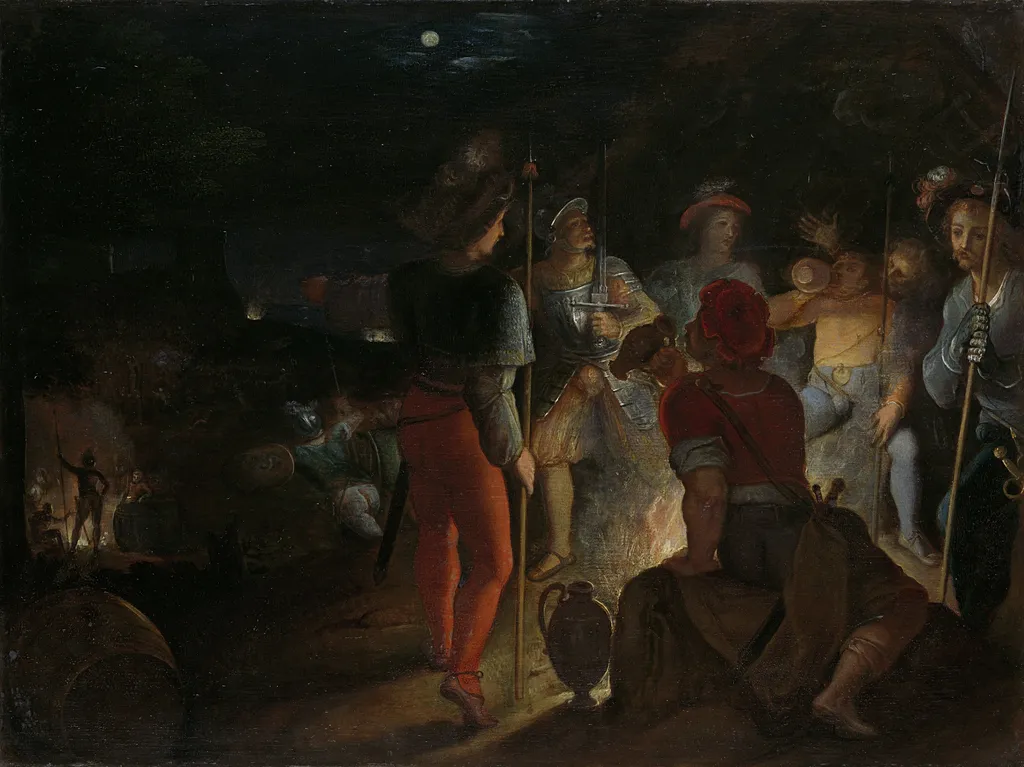
The Batavians Besiege the Roman Army Regiments at Vetera, is an oil painting by the Dutch Golden Age artist Otto van Veen. It dates from 1606 and is held in the collection of the Rijksmuseum.
About this work
Overview
Painted in 1606 by Otto van Veen, this oil work captures a moment from the Batavian Revolt against Roman forces at the military camp of Vetera.
Painted in 1606 by Otto van Veen, this oil work captures a moment from the Batavian Revolt against Roman forces at the military camp of Vetera. The scene is rendered with intense emotional gravity, emphasizing conflict and disorder. It resides in the Rijksmuseum’s collection, where it stands as a historical narrative piece from the early Baroque period, reflecting van Veen’s engagement with classical themes and military drama.
Subject & Meaning
The painting illustrates the uprising of the Batavians, a Germanic tribe, against occupying Roman legions in 69–70 CE. Roman soldiers, armored and disciplined, are overwhelmed by the more numerous, fiercely armed Batavians. The scene conveys the collapse of imperial authority in a provincial stronghold, symbolizing resistance to foreign domination through visceral, unglamorized combat.
Technique & Style
Van Veen employs chiaroscuro to heighten the drama, directing light toward central figures amid deep shadows that obscure peripheral chaos. Brushwork is precise yet dynamic, defining musculature and armor with clarity while allowing background turmoil to recede into gloom. The composition avoids symmetry, favoring diagonal energy to amplify the sense of violent upheaval.
History & Provenance
Commissioned during the Dutch Revolt, the painting likely resonated with contemporary audiences familiar with struggles against foreign rule. It entered the Rijksmuseum’s holdings in the 19th century, following the consolidation of Dutch state collections. Its provenance traces to van Veen’s workshop in Antwerp, where historical and mythological subjects were frequently produced for elite patrons.
Context
Created during a period of renewed interest in Roman history among Northern European artists, the work reflects humanist scholarship and the political climate of the Dutch Republic. The Batavian Revolt was invoked as a parallel to Dutch resistance against Spanish rule, lending the scene symbolic weight beyond its ancient subject matter.
Legacy
Though not widely exhibited today, the painting remains a key example of early 17th-century Flemish historiography. Van Veen’s approach influenced later Dutch painters who sought to depict historical events with psychological realism and dramatic lighting, bridging Mannerist composition and emerging Baroque naturalism.
Own this work as a print
Artist & collection

Artist
Otto van Veen, was a painter, draughtsman, and humanist active primarily in Antwerp and Brussels in the late 16th and early 17th centuries.

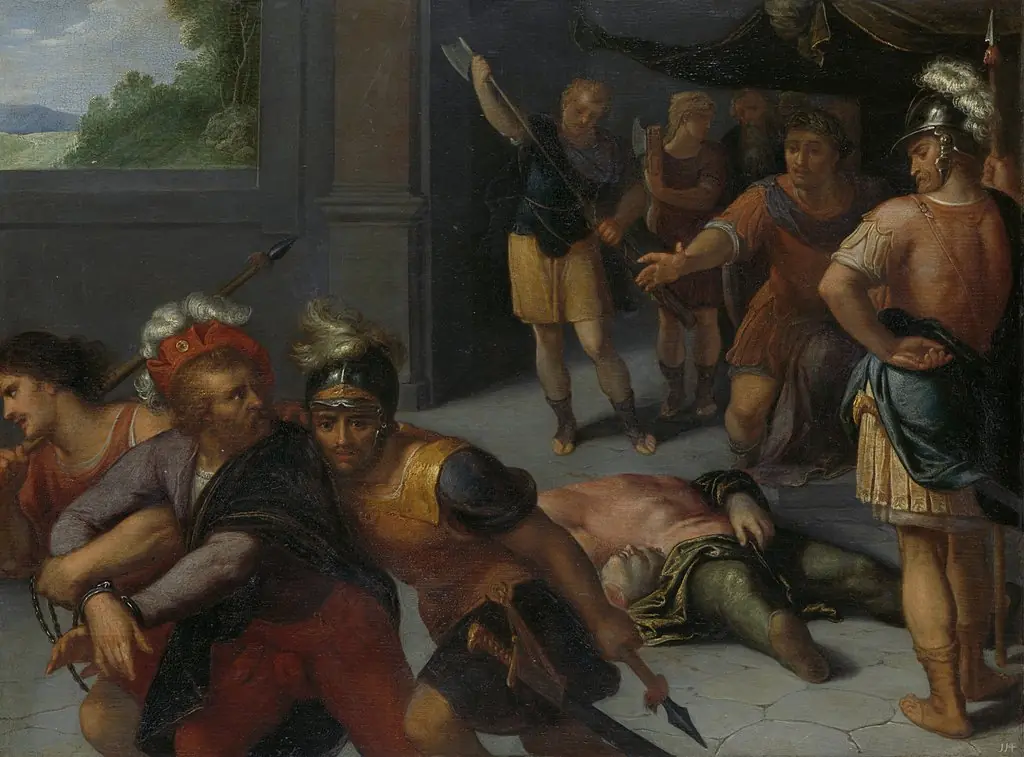 Beheading of Julius Paulus and Imprisonment of Claudius Civilis
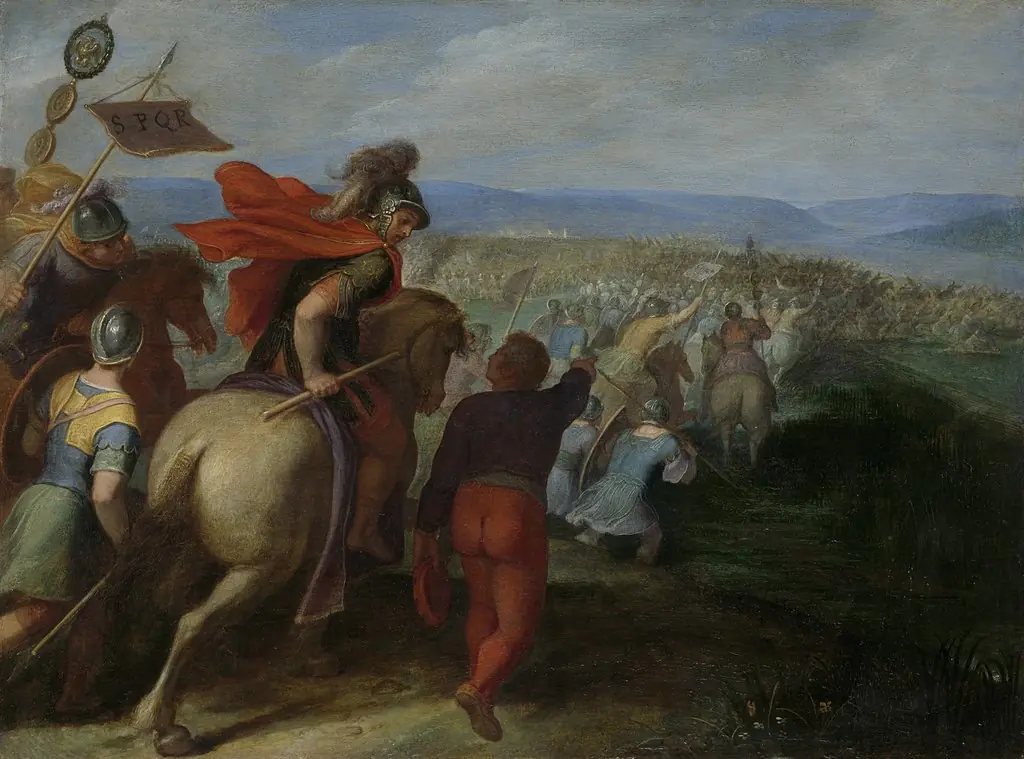 The Romans under Cerealis Defeat Claudius Civilis and the Batavians following betrayal from within
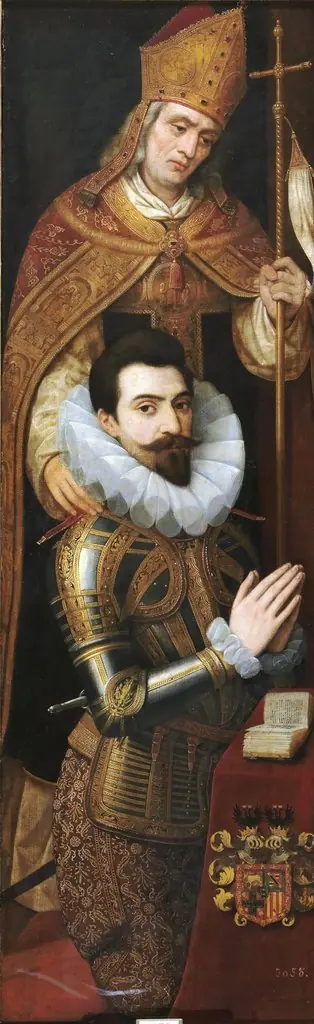 Alonso de Idiáquez duque de Ciudad Real (Cittá-Reale en Nápoles)
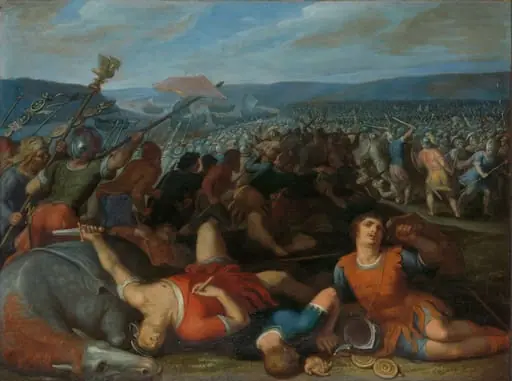 De Bataven verslaan de Romeinen bij de Rijn
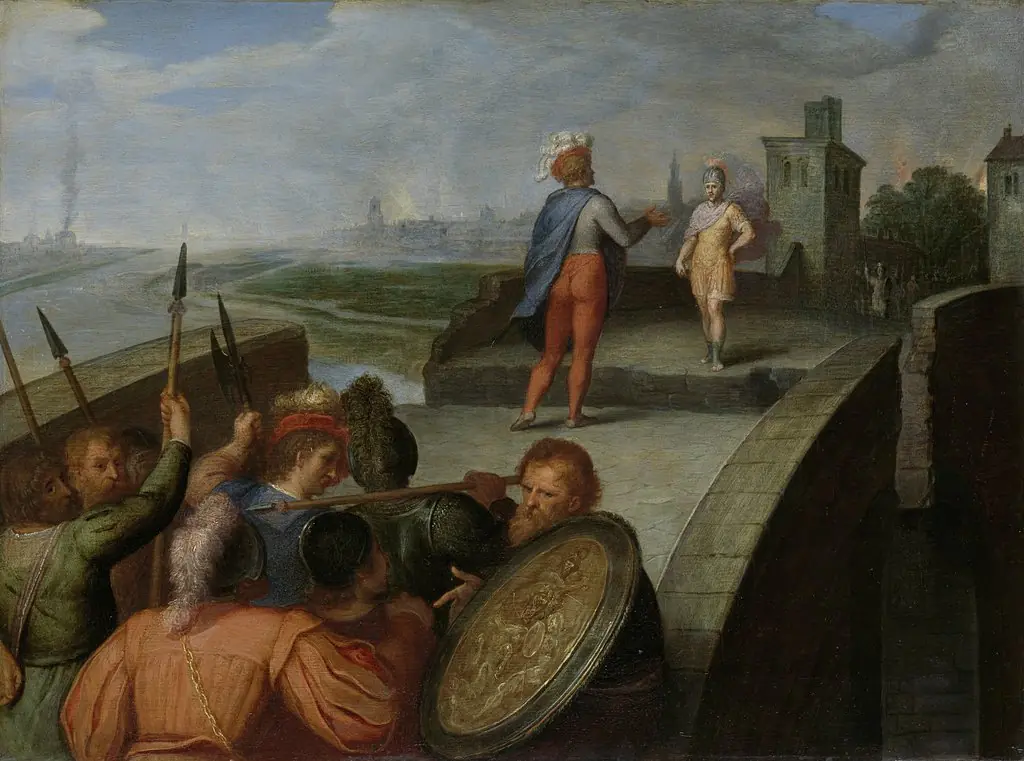 Peace Negotiations between Claudius Civilis and Cerealis
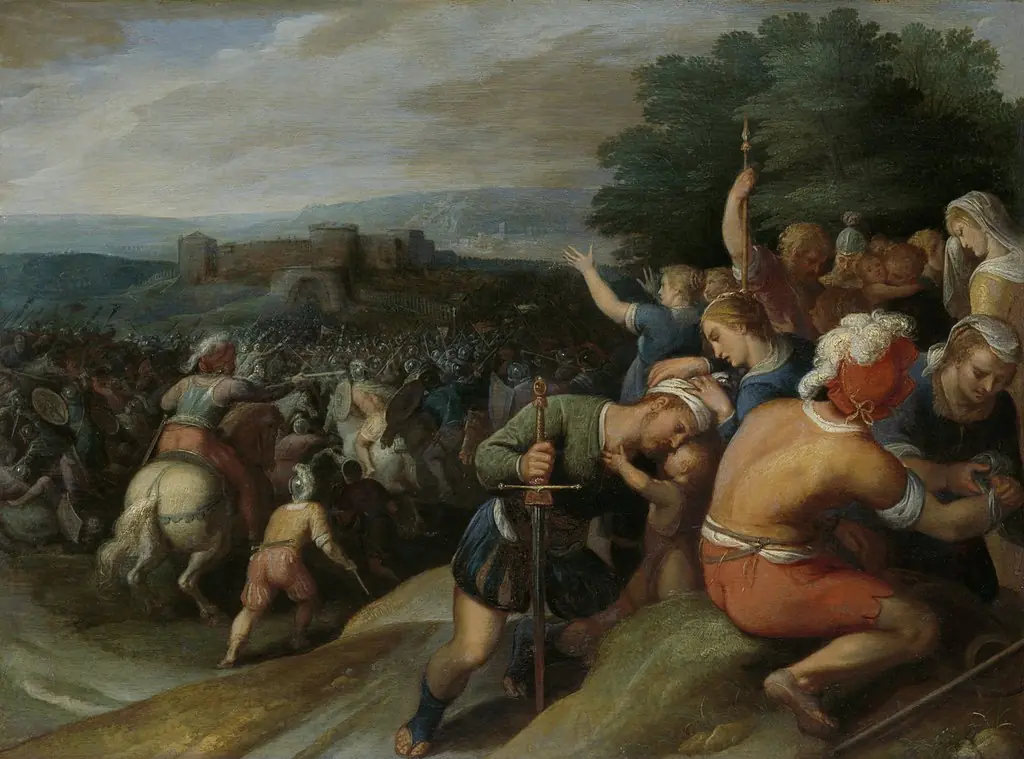 The Batavians Surround the Romans at Vetera
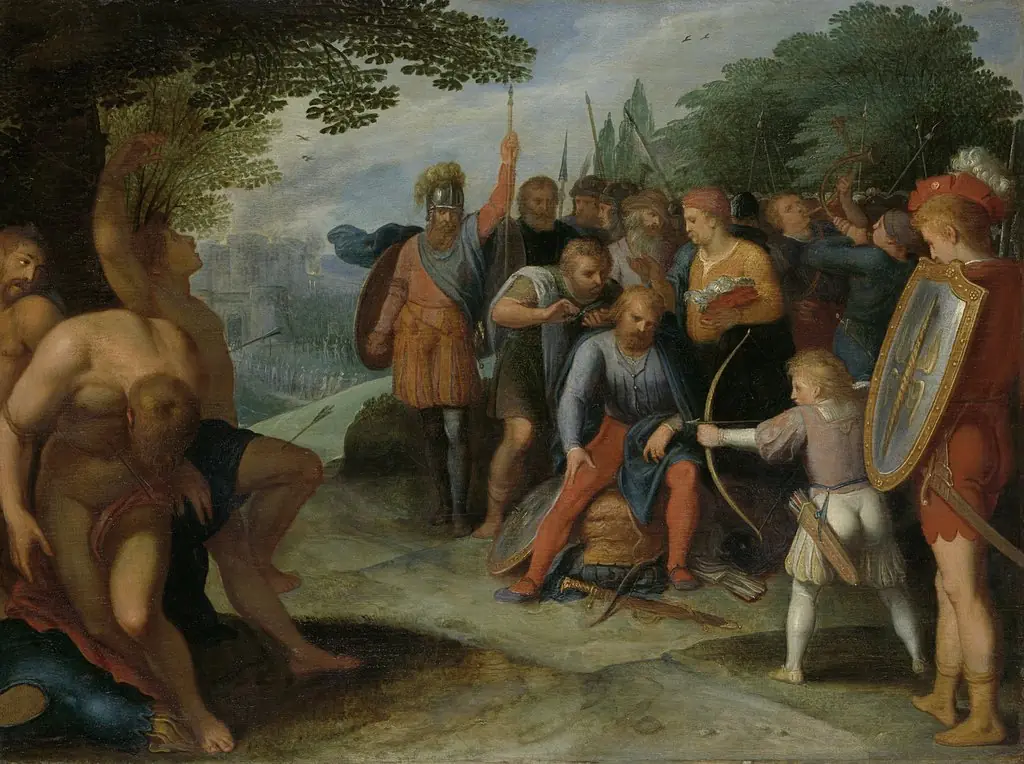 After the Fall of Vetera Castra Claudius Civilis has his hair cut while his son shoots some prisoners
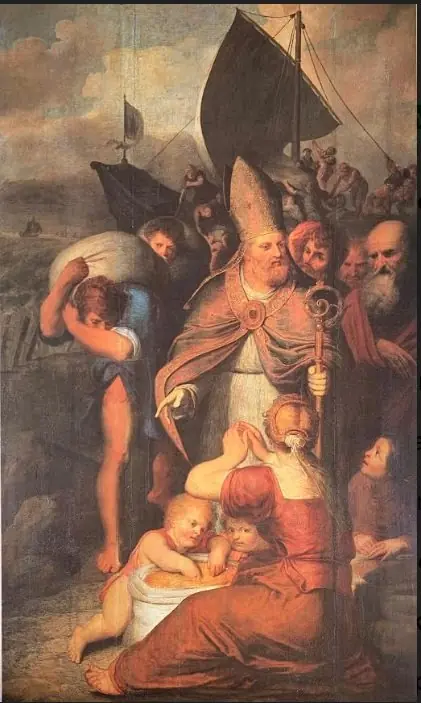 During a Famine in Myra Saint Nicholas Saves the People
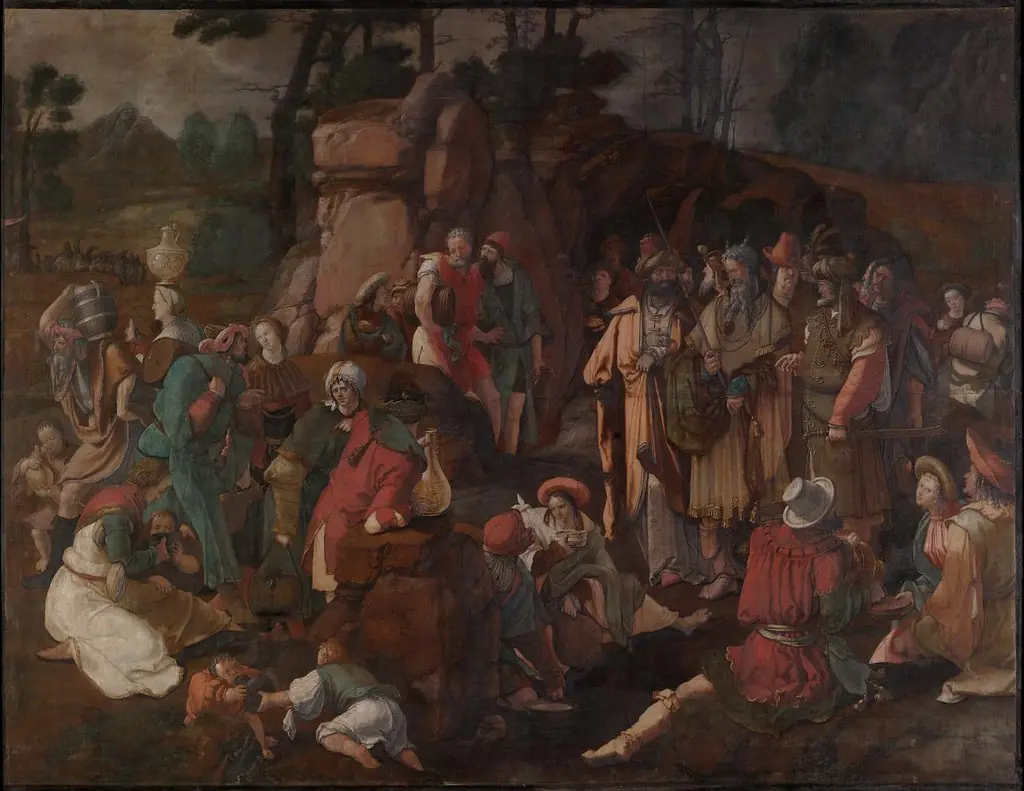 Moses and the Israelites after the Miracle of Water from the Rock
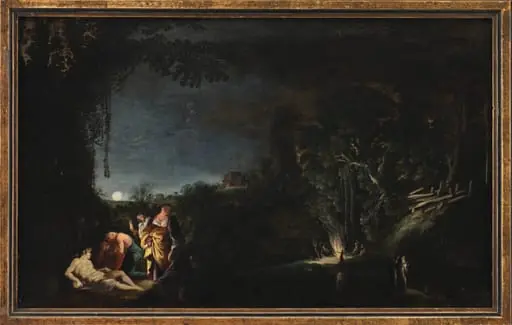 Måneskinslandskab med mytologisk (?) motiv
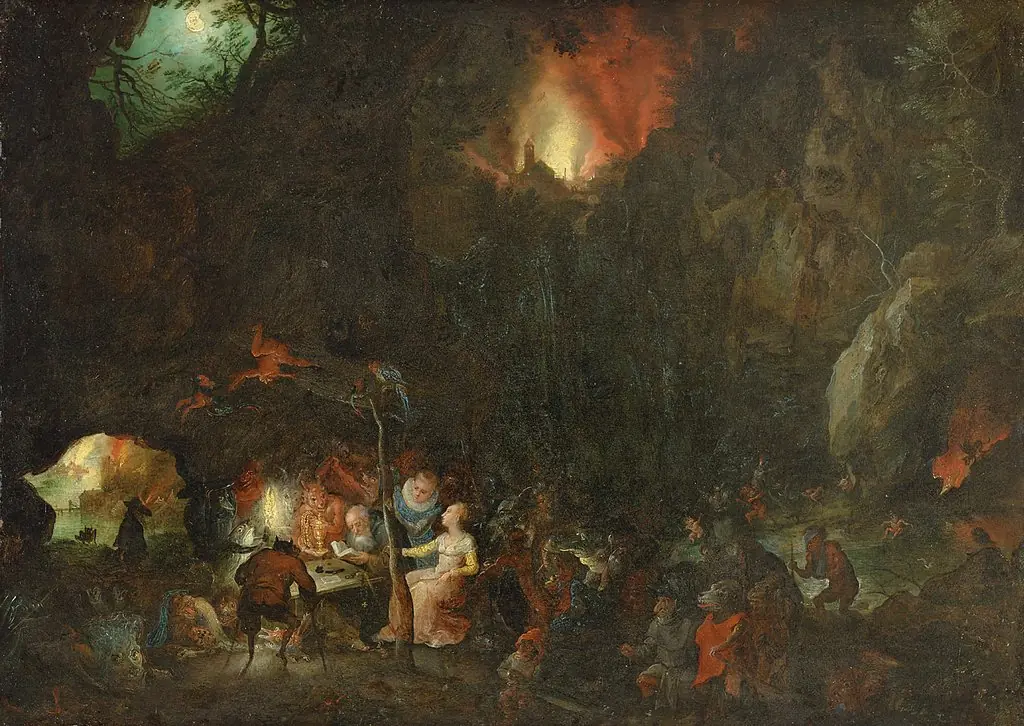 Temptation of St Anthony
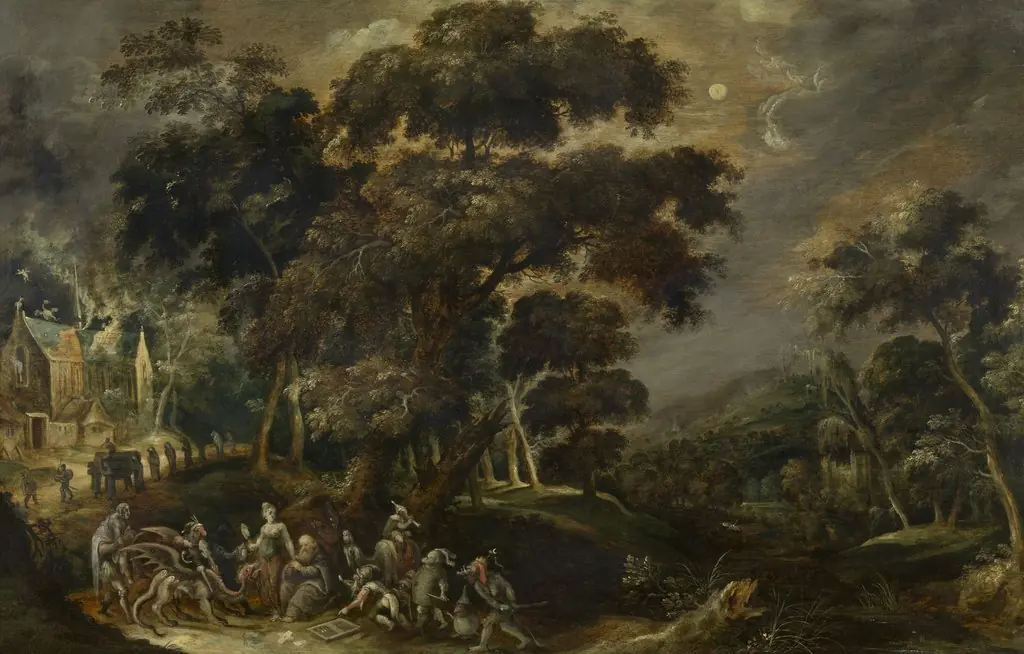 Landscape with the Temptation of Saint Anthony the Great
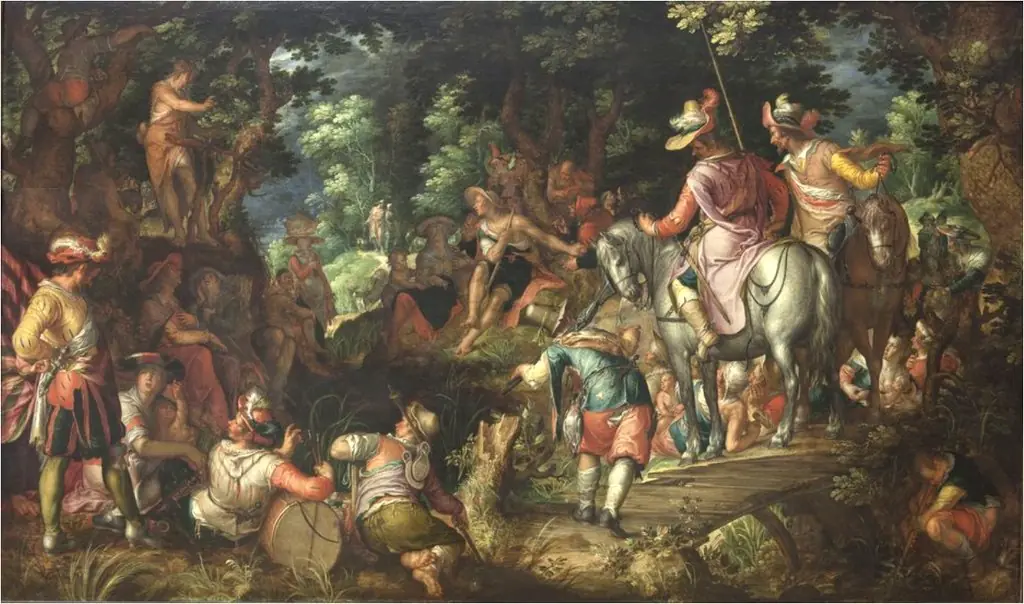 John the Baptist Preaching in the Forest
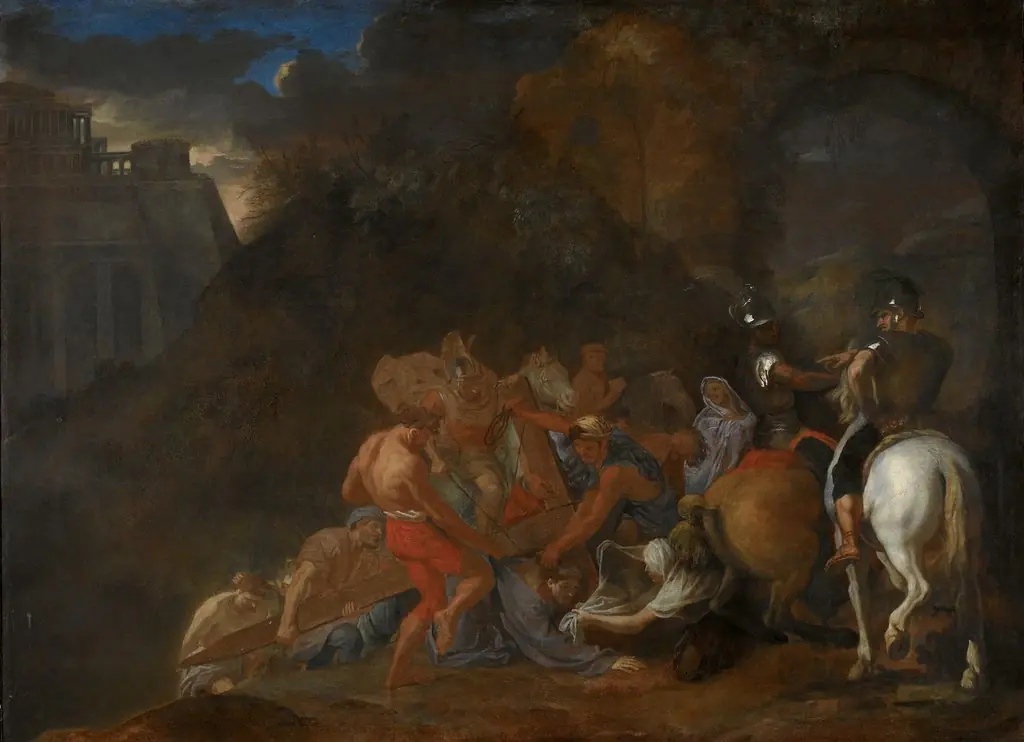 The Road to Calvary
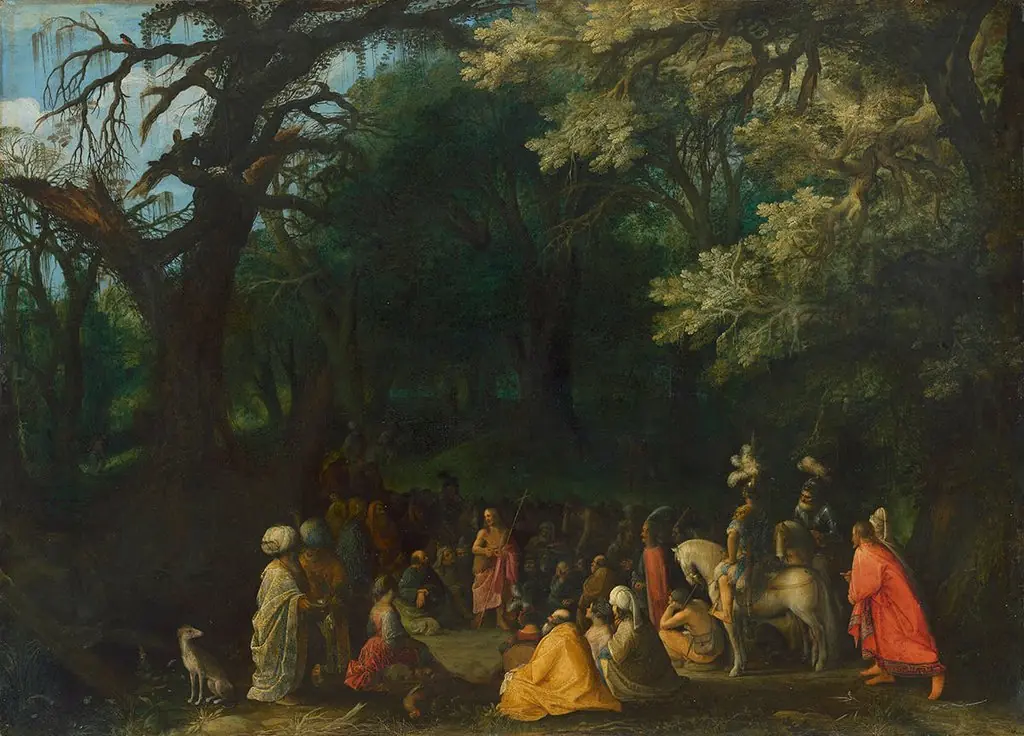 Preaching of John the Baptist
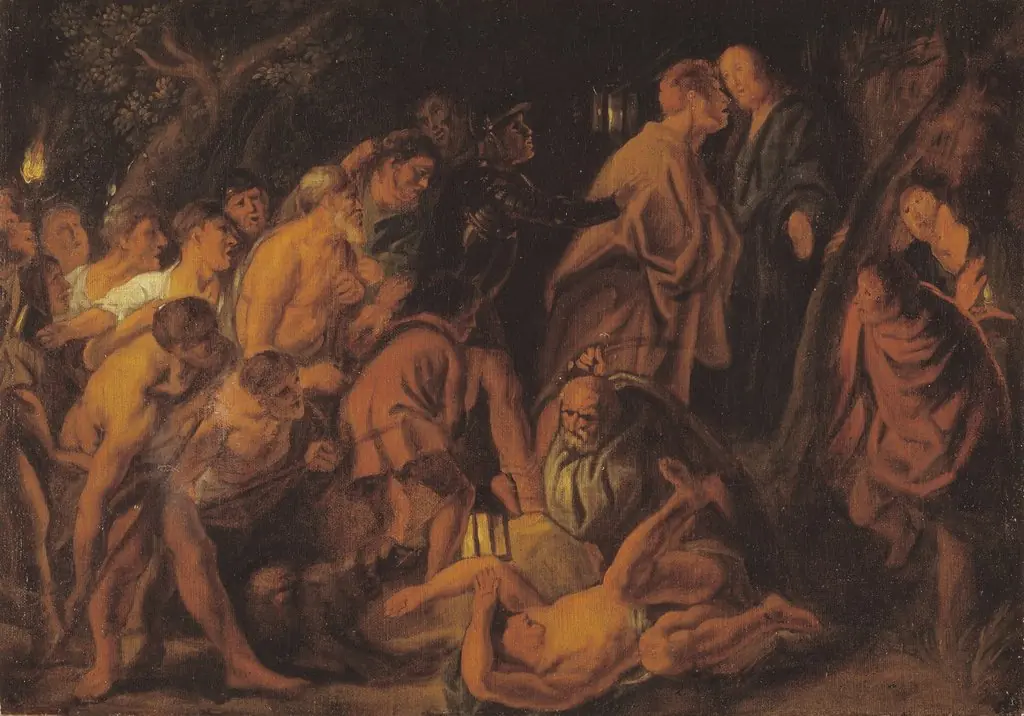 The Betrayal and Arrest of Christ in Gethsemane
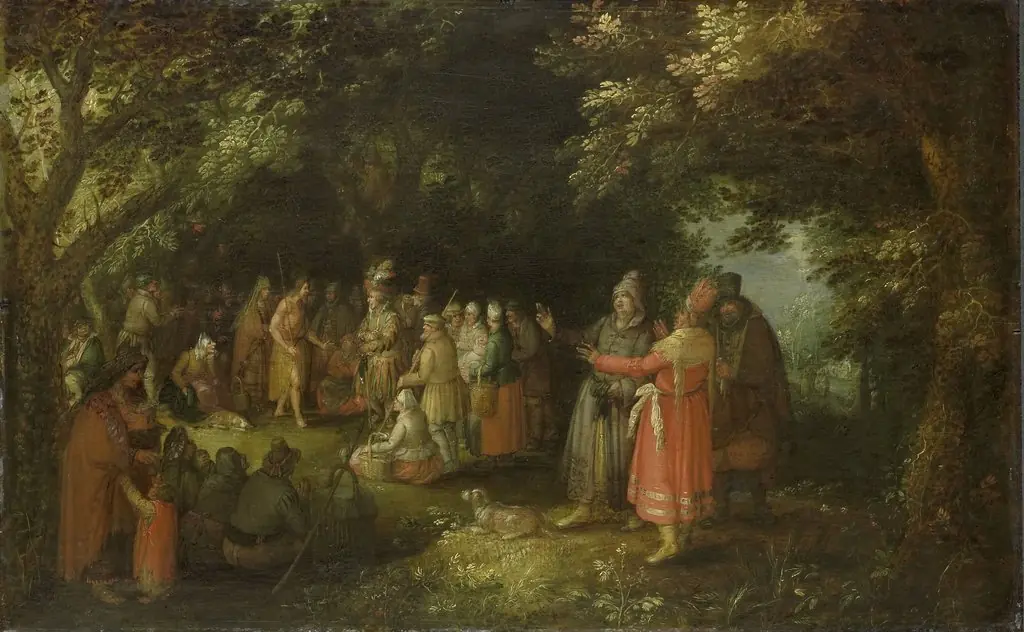 The preaching of St John the Baptist
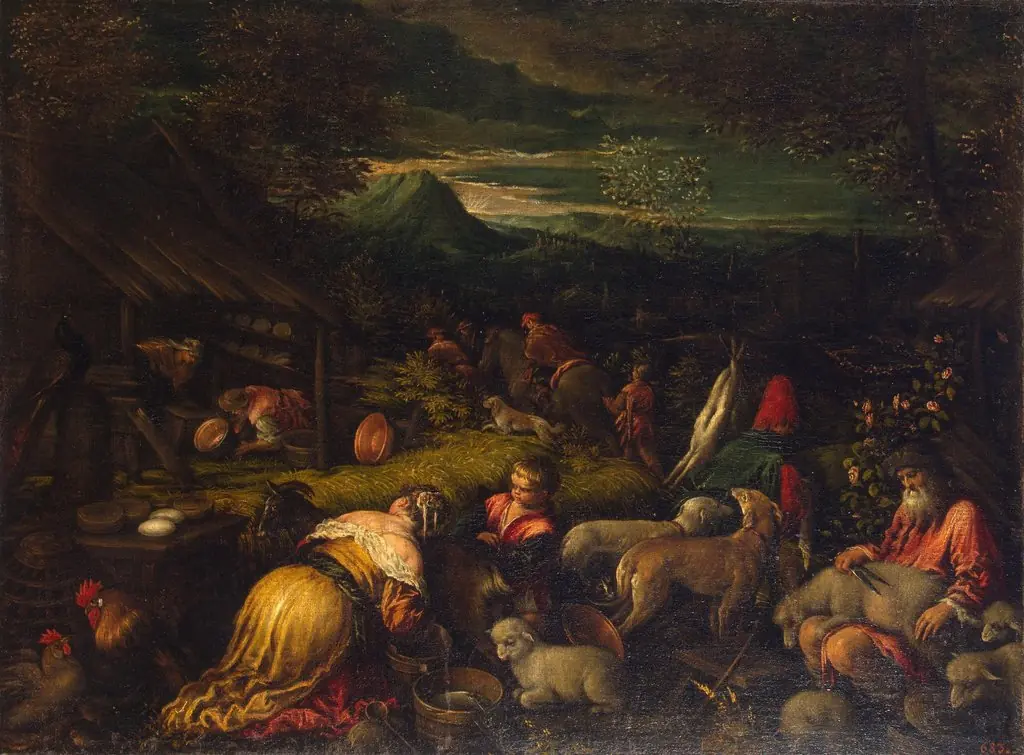 Autumn
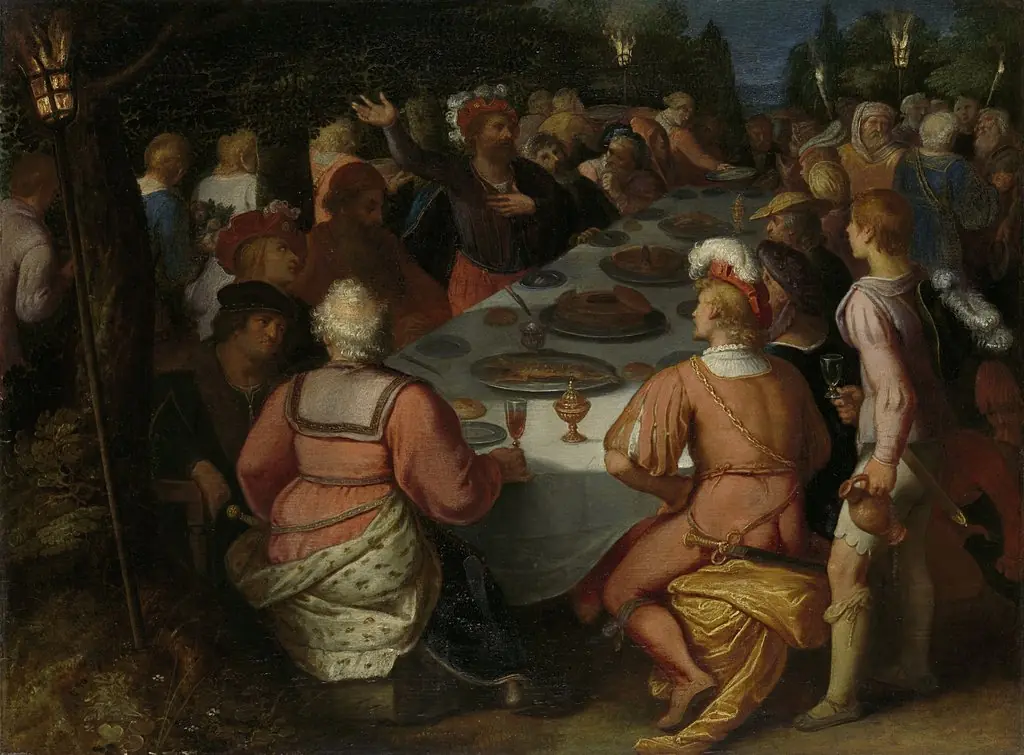 The Conspiracy of Claudius Civilis and the Batavians in the Schakerbos