Artwork
Studiu
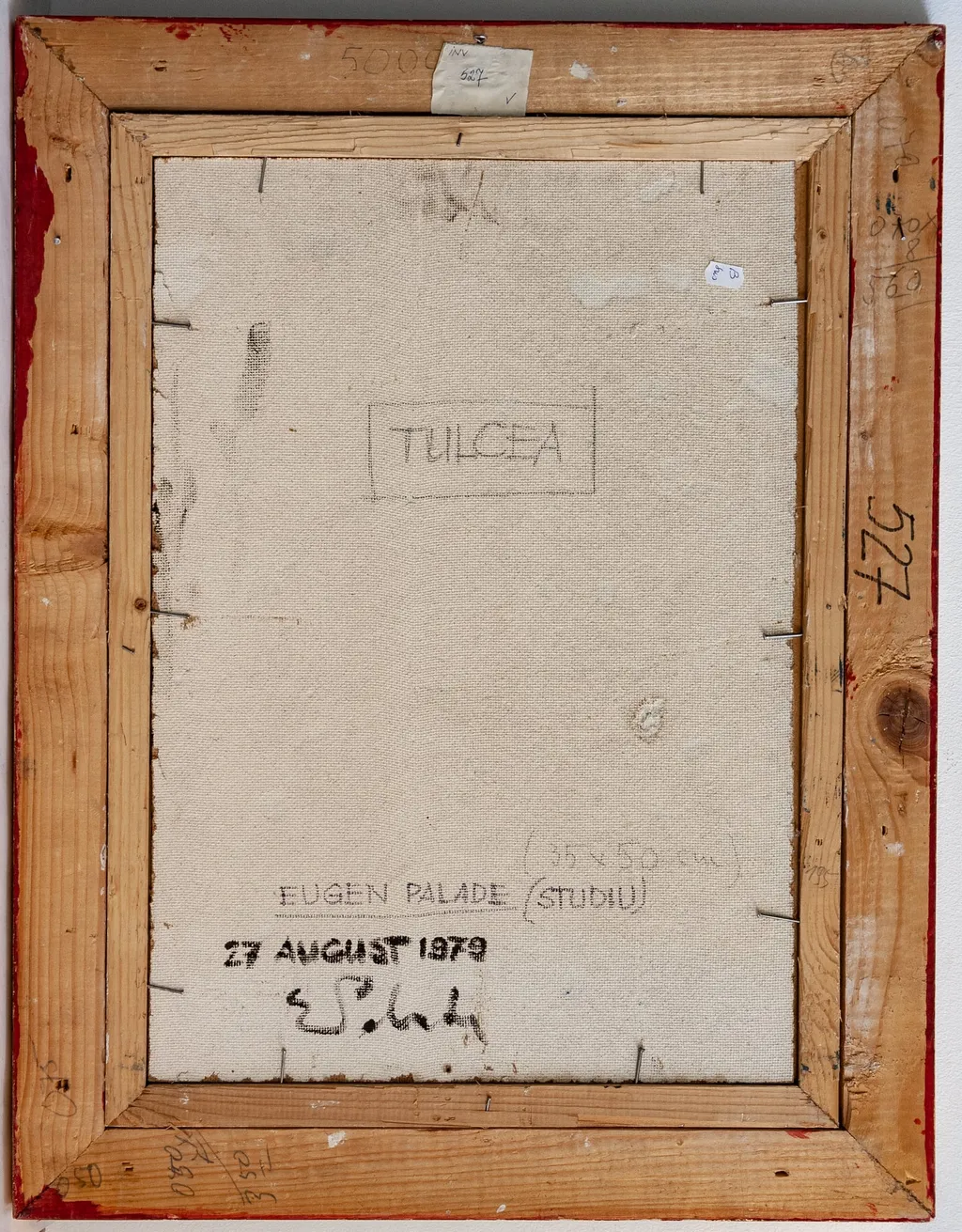
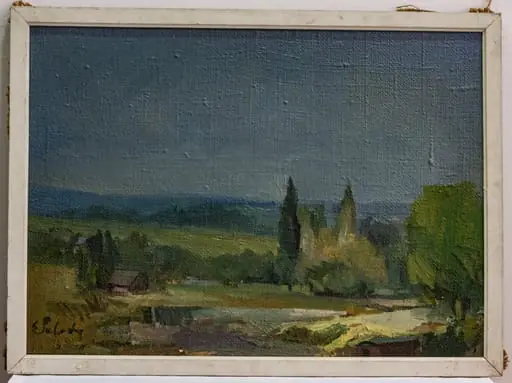
Studiu is a print by Palade Eugen. It is held in the collection of the Gavrila Simion Eco-Museum Research Institute Tulcea.
About this work
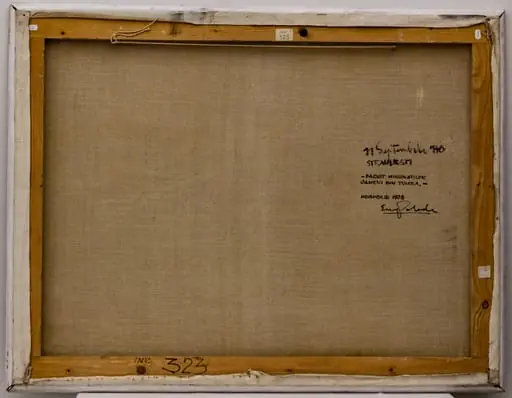
The canvas itself is plain, with just a few faint pencil marks and the word *"Tulcea"* written lightly near the top.
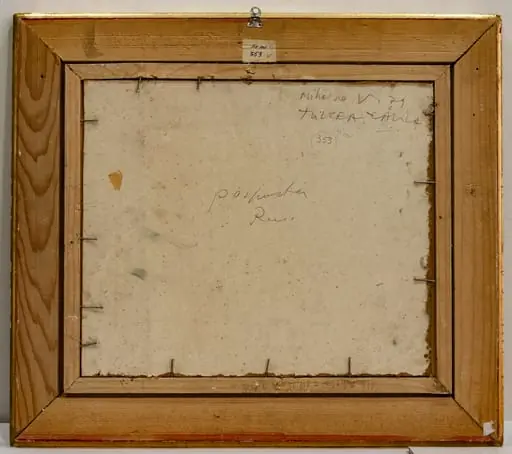
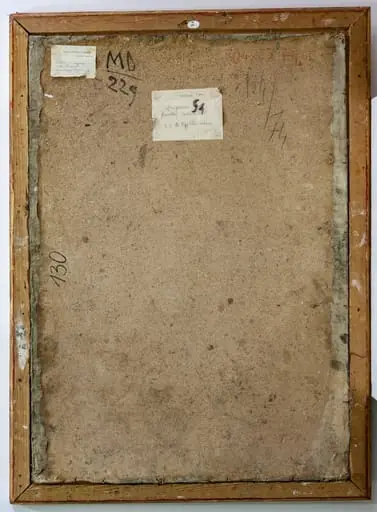
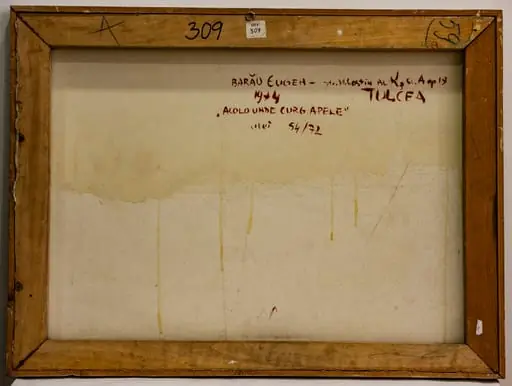
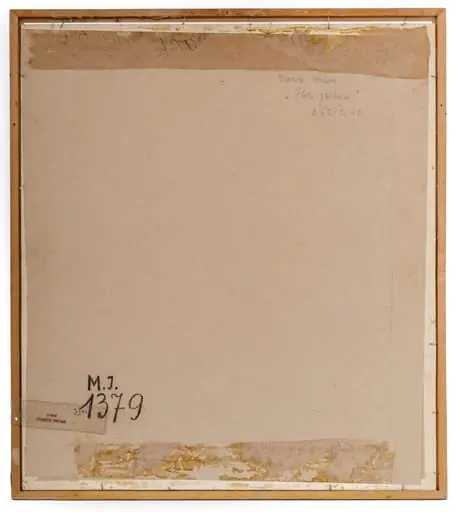
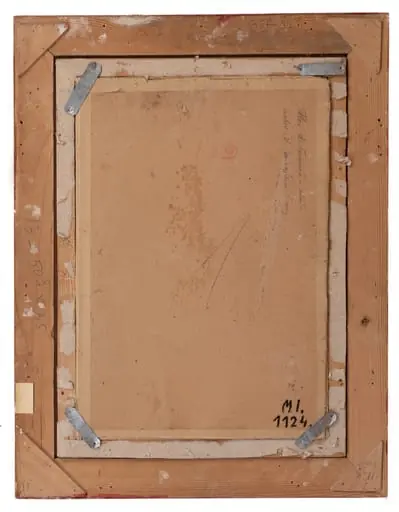
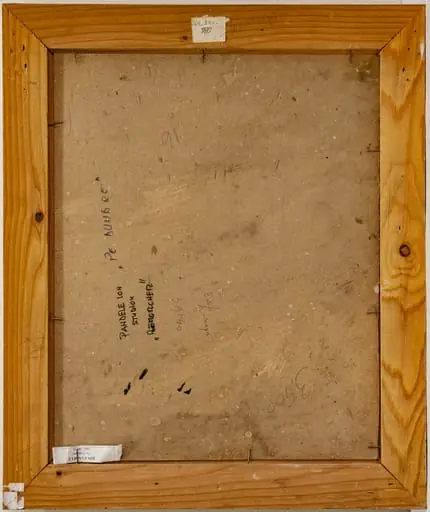
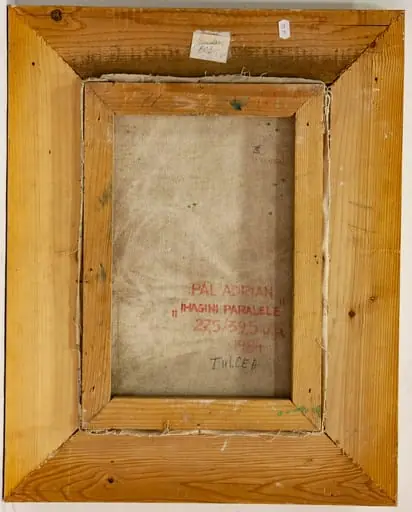
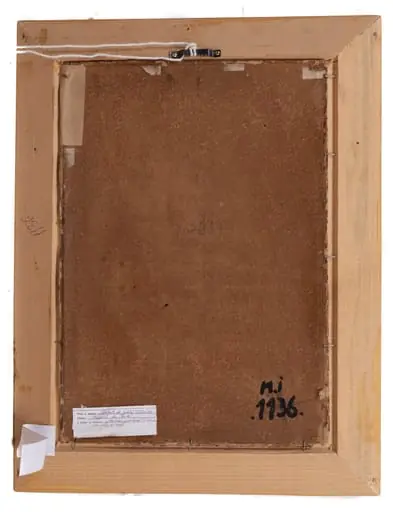
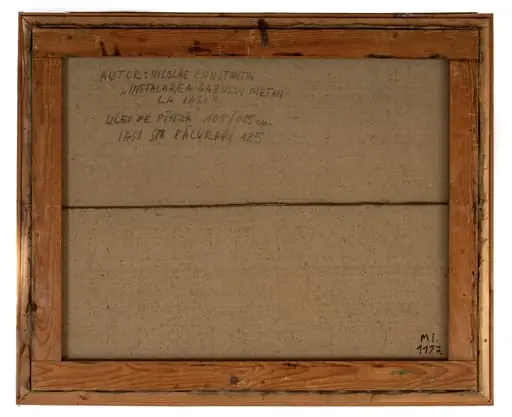
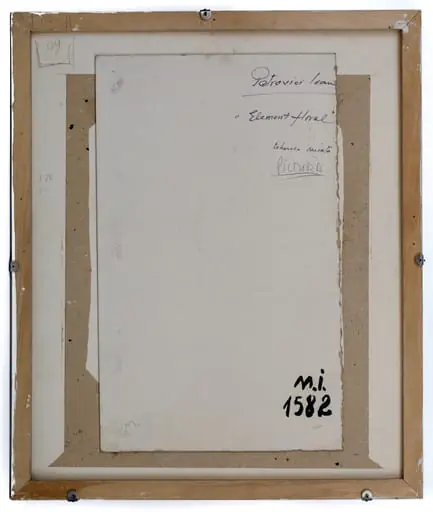
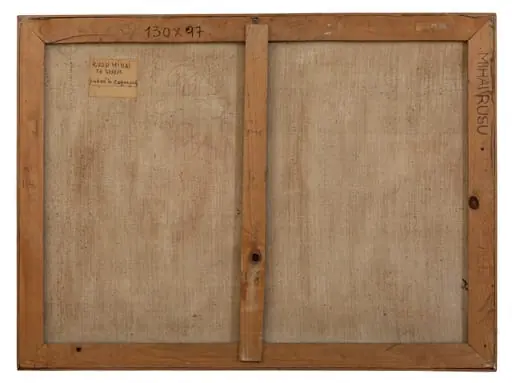
This is an empty canvas stretched over a worn wooden frame. The frame shows signs of age—paint chipping, nails sticking out, and faded labels. The canvas itself is plain, with just a few faint pencil marks and the word *"Tulcea"* written lightly near the top.
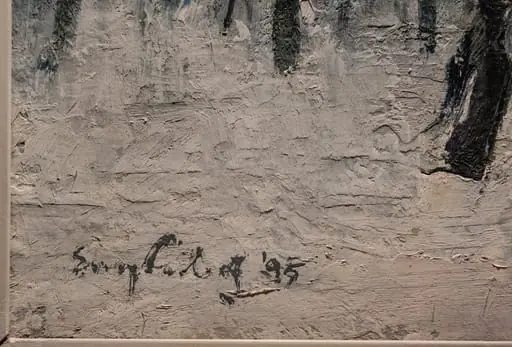
The bottom of the canvas has more writing: *"Eugen Palade (Studiu)"* and a date, *"27 August 1979, 5:34."* It looks like a sketch or study that was never finished.
If you’re curious about unfinished works, check out the Museum of Ethnography.
Overview
The work titled “Studiu” consists of a plain canvas mounted on a weathered wooden stretcher. The frame exhibits typical signs of aging, including flaking paint, protruding nails, and faded identification labels. The canvas surface is largely empty, bearing only faint pencil markings and a light inscription of the name “Tulcea” near the upper edge.
Subject & Meaning
The minimal markings suggest the piece functions as a preparatory study rather than a finished composition. The inclusion of the place name “Tulcea” indicates a possible reference to the Romanian city, perhaps intended as a geographical or contextual cue for a larger project that remained unrealized.
Technique & Style
Executed with graphite or a similar drawing medium, the work features sparse, tentative lines that do not develop into a detailed image. The artist’s hand is evident in the informal, exploratory strokes, characteristic of preliminary sketches used to plan composition, perspective, or subject matter.
History & Provenance
The canvas bears the inscription “Eugen Palade (Studiu)” along with the date and time “27 August 1979, 5:34,” identifying the creator and the moment of its creation. No further documentation of ownership or exhibition history is provided, implying the piece has remained within a private or institutional collection since its inception.
Context
Created in the late 1970s, the study aligns with a period when artists often produced on-site sketches to capture immediate impressions of place. The reference to Tulcea suggests a field study, possibly linked to a broader investigation of Romanian landscapes or cultural sites during that era.
Artist & collection
Artist
Eugen Palade made prints that capture quiet places: poplar-lined lanes, sunflowers, and old faces framed by trees.
Museum
Gavrila Simion Eco-Museum Research Institute Tulcea
Continue through works from the same source collection.