Artwork
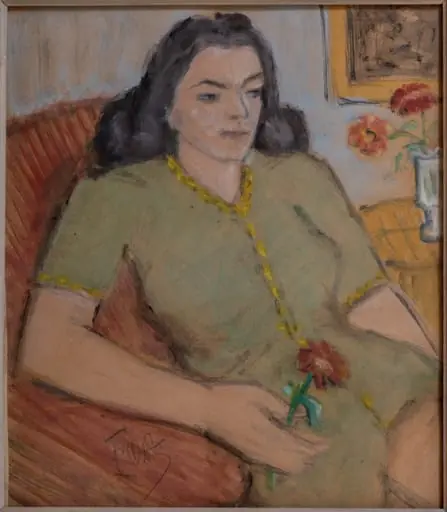
Fată cu lalele
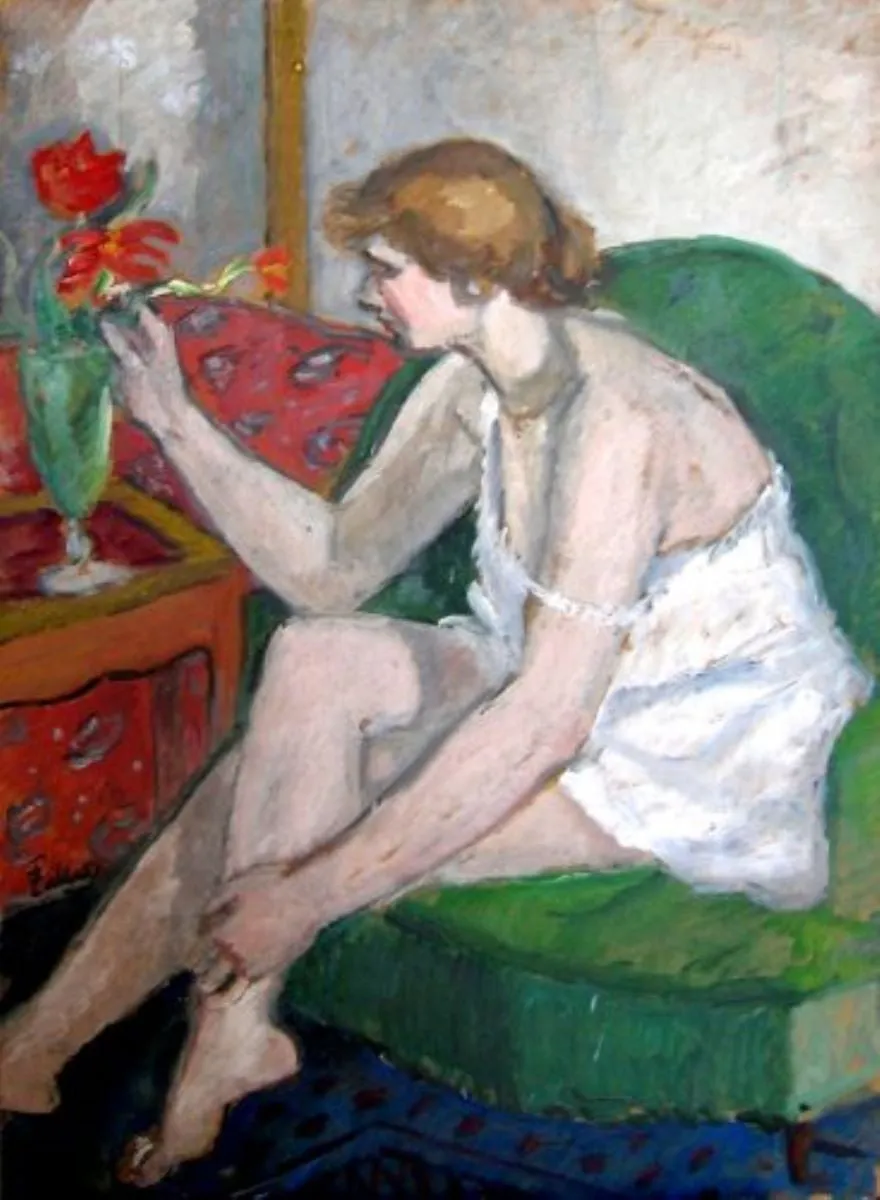
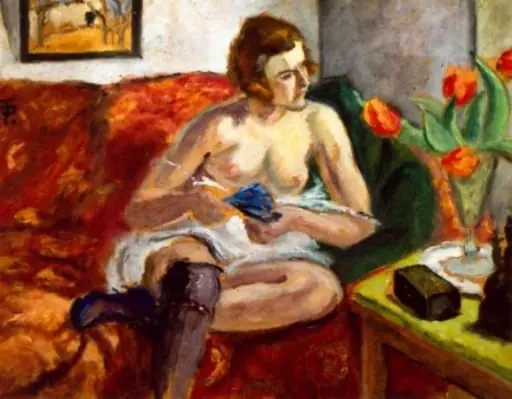
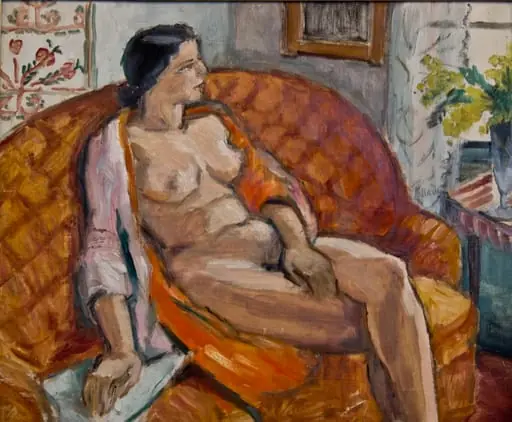
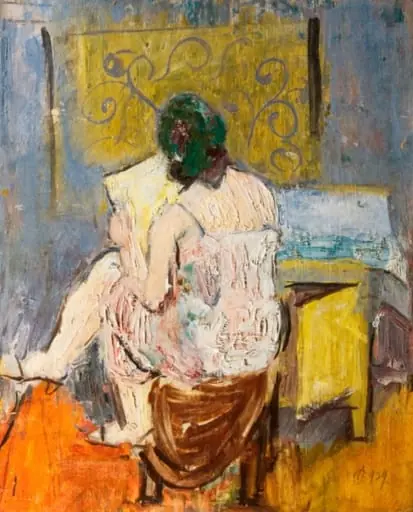
Fată cu lalele is an unspecified painting by Theodor Pallady. It dates from 1949 and is held in the collection of the Art museum of Craiova.
About this work
Overview
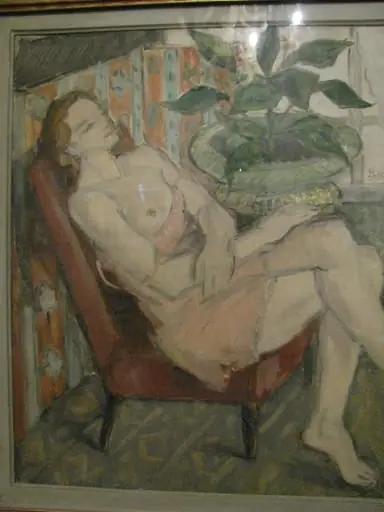
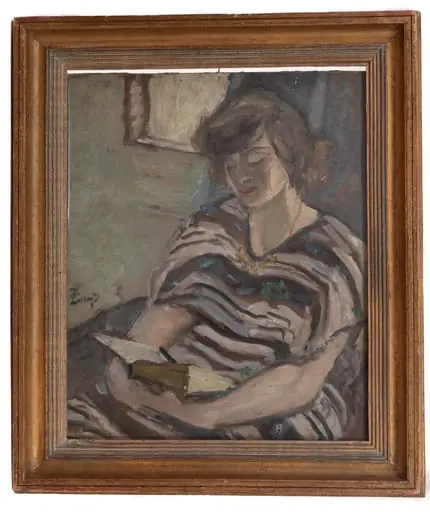
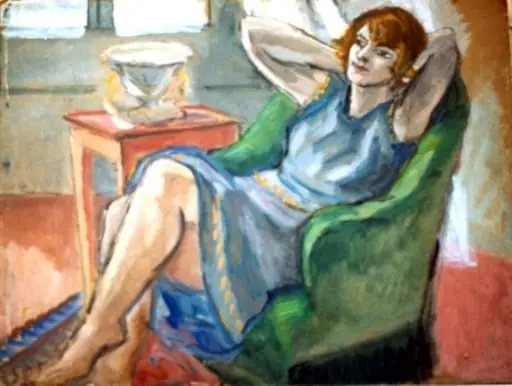
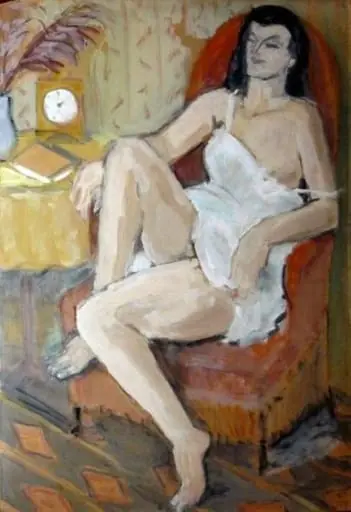
Painted around 1949 by Theodor Pallady, Fată cu lalele is an oil on canvas work currently held in the collection of the Museum of Ethnography. The painting depicts a seated woman in a simple white dress, her posture relaxed yet attentive. Its textured surface and vivid color contrasts reflect Pallady’s late style, marked by expressive brushwork and a focus on quiet, intimate moments.
Subject & Meaning
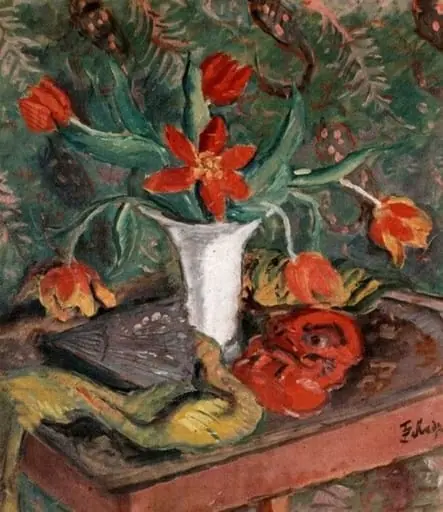
The presence of red flowers in the background, likely tulips, may symbolize vitality or fleeting beauty, contrasting with the subdued tones of her attire.
The figure, a young woman with bare legs, sits on a green chair, holding a red book and gazing downward. The composition suggests introspection or quiet contemplation. The presence of red flowers in the background, likely tulips, may symbolize vitality or fleeting beauty, contrasting with the subdued tones of her attire. The scene avoids narrative drama, instead emphasizing stillness and personal solitude.
Technique & Style
Pallady applied paint with thick, deliberate strokes, creating a pronounced impasto effect that gives the surface physical depth. Colors—especially the reds of the book and flowers—are intensified by the rough texture and the contrast against muted backgrounds. Shadows are rendered with layered tones rather than smooth gradients, enhancing the tactile quality of the scene and drawing attention to the materiality of the paint itself.
History & Provenance
The painting was completed in the final decade of Pallady’s life, during a period when he returned to more personal, domestic subjects. It entered the Museum of Ethnography’s collection after his death, likely through donation or bequest. Its placement in an ethnographic institution, rather than a fine arts museum, reflects its perceived connection to everyday Romanian life and cultural identity.
Context
Created in postwar Romania, the work emerges amid a cultural climate that favored socially engaged art. Yet Pallady’s focus on an individual’s quiet moment stands apart from state-sanctioned realism. His choice of interior setting, unadorned clothing, and natural lighting aligns with earlier European traditions of intimate portraiture, subtly resisting political pressures toward grander narratives.
Legacy
Fată cu lalele exemplifies Pallady’s enduring interest in light, texture, and psychological nuance. While not widely exhibited, it remains a key example of his late period, illustrating how he sustained a personal visual language amid shifting artistic trends. The painting continues to be studied for its synthesis of modern technique and timeless subject matter.
Artist & collection