Artwork
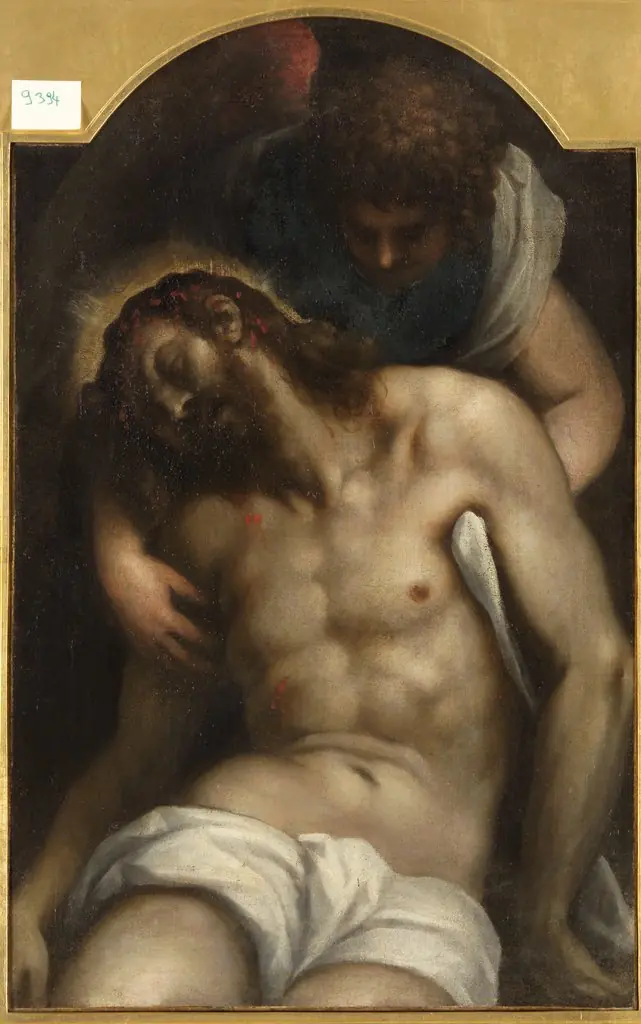
Pietà with Angels
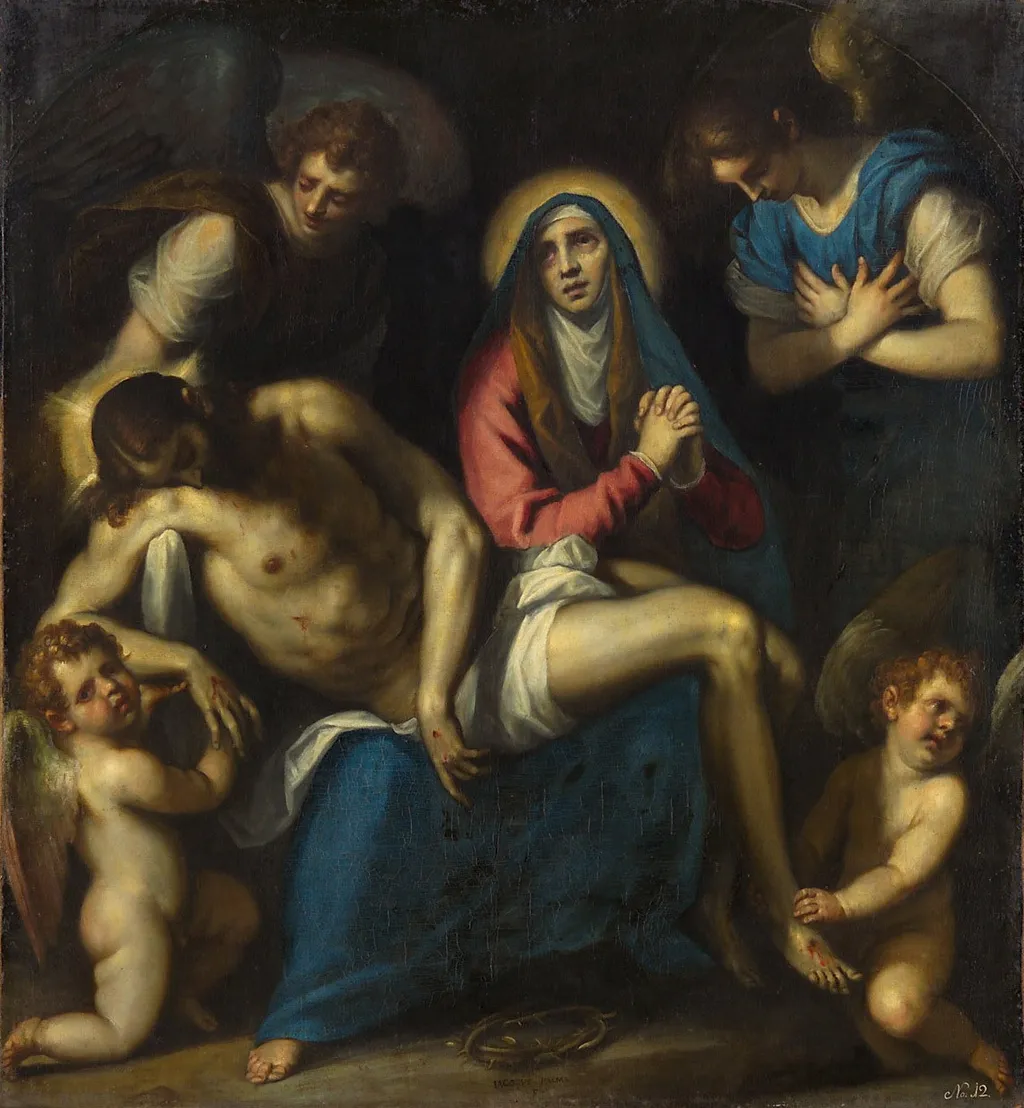
Pietà with Angels is an unspecified painting by the Early Baroque Italian artist Palma il Giovane. It dates from 1620 and is held in the collection of the Kunsthistorisches Museum.
About this work
Overview
Created circa 1620 by the Venetian painter Palma il Giovane, this oil on canvas presents a somber Pietà surrounded by celestial figures. The composition centers on a grieving woman supporting the wounded Christ, while angels and childlike attendants hover nearby. The work belongs to the early Baroque period and is part of the Kunsthistorisches Museum’s collection in Vienna.
Subject & Meaning
The kneeling woman, rendered in blue and red, cradles the crucified Christ, whose exposed wounds highlight his suffering.
The painting illustrates the traditional Christian motif of the Pietà, emphasizing human sorrow and divine sacrifice. The kneeling woman, rendered in blue and red, cradles the crucified Christ, whose exposed wounds highlight his suffering. Surrounding angels, depicted with downcast expressions, and two small children amplify the scene’s emotional intensity, inviting contemplation of loss and redemption.
Technique & Style
Palma il Giovane employs dramatic chiaroscuro, contrasting deep shadows with focused illumination on the woman's face and the angels’ wings. This lighting creates a three‑dimensional effect and draws attention to the central figures. The brushwork reflects the influence of Tintoretto, with vigorous strokes and dynamic arrangement that convey movement within a restrained, solemn atmosphere.
History & Provenance
After its creation, the canvas entered the collection of the Kunsthistorisches Museum, where it remains on display. Palma il Giovane, who succeeded Tintoretto as Venice’s pre‑eminent painter, secured commissions beyond his native city, notably from Emperor Rudolph II, underscoring his international reputation during the late Renaissance‑Baroque transition.
Context
The work belongs to the early Baroque phase of Italian art, a period marked by heightened emotional expression and theatrical lighting. Palma il Giovane’s continuation of Tintoretto’s dramatic style placed him at the forefront of Venetian painting in the early 17th century, bridging the Mannerist legacy with emerging Baroque sensibilities.
Artist & collection
Artist
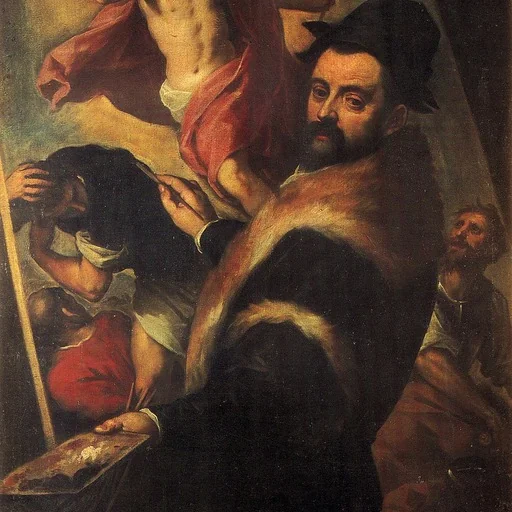
Iacopo Negretti (1548/50 – 14 October 1628), best known as Jacopo or Giacomo Palma il Giovane or simply Palma Giovane ('Young Palma'), was an Italian painter from Venice and a notable exponent of the Venetian school.

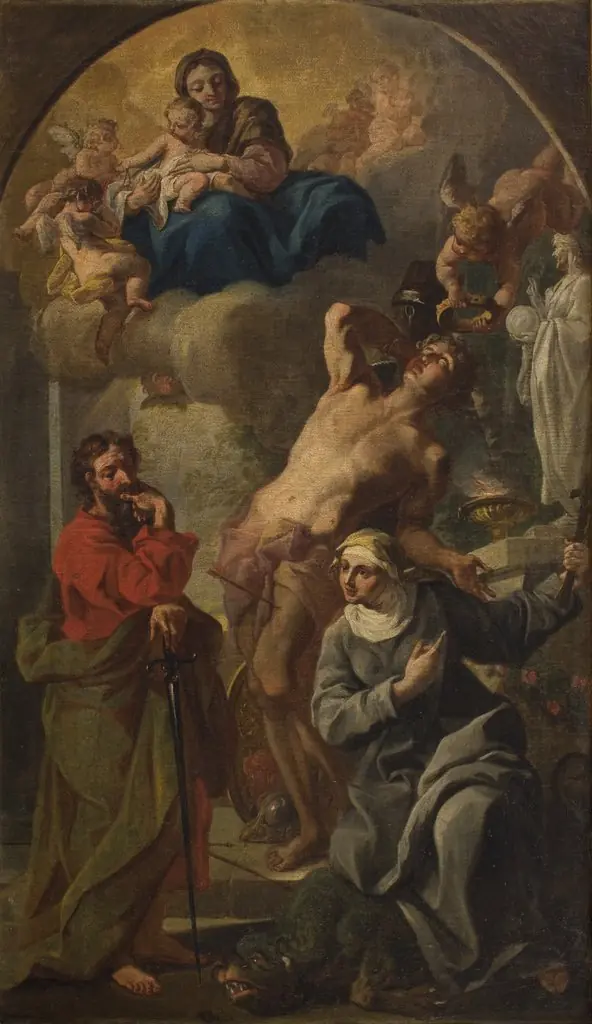 Madonna and Child with Saints Sebastian, Paul and Martha (Acceptance of Saint Sebastian Into the Group of Holy Martyrs)
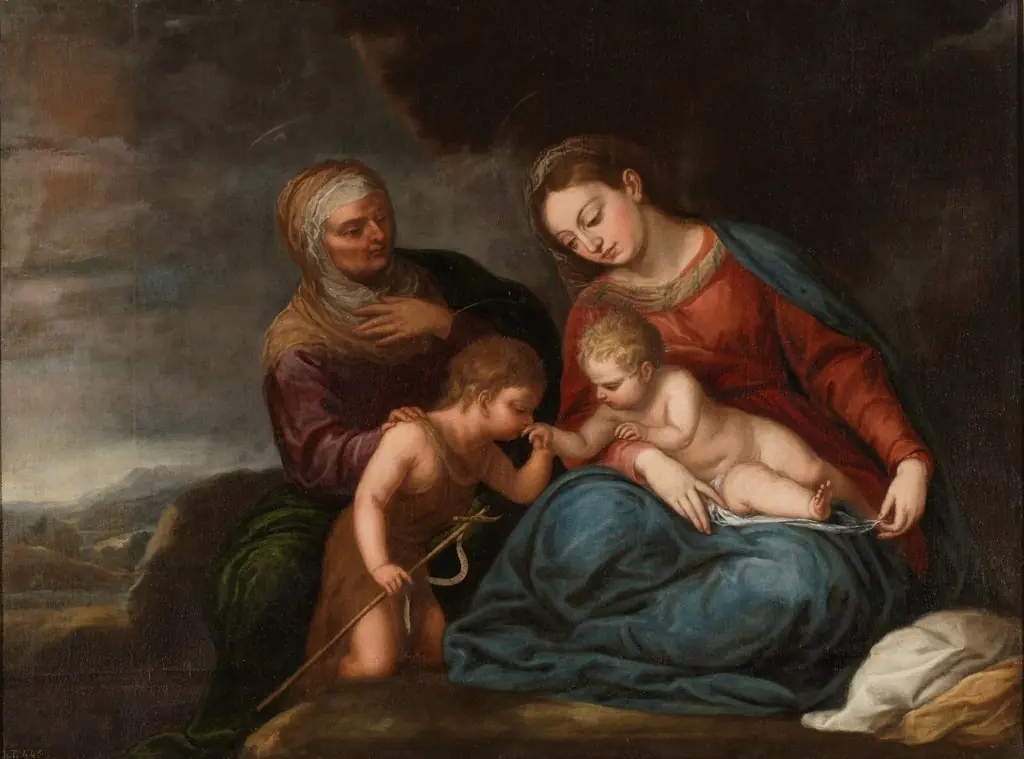 The Virgin and Child with Saints Elizabeth and John
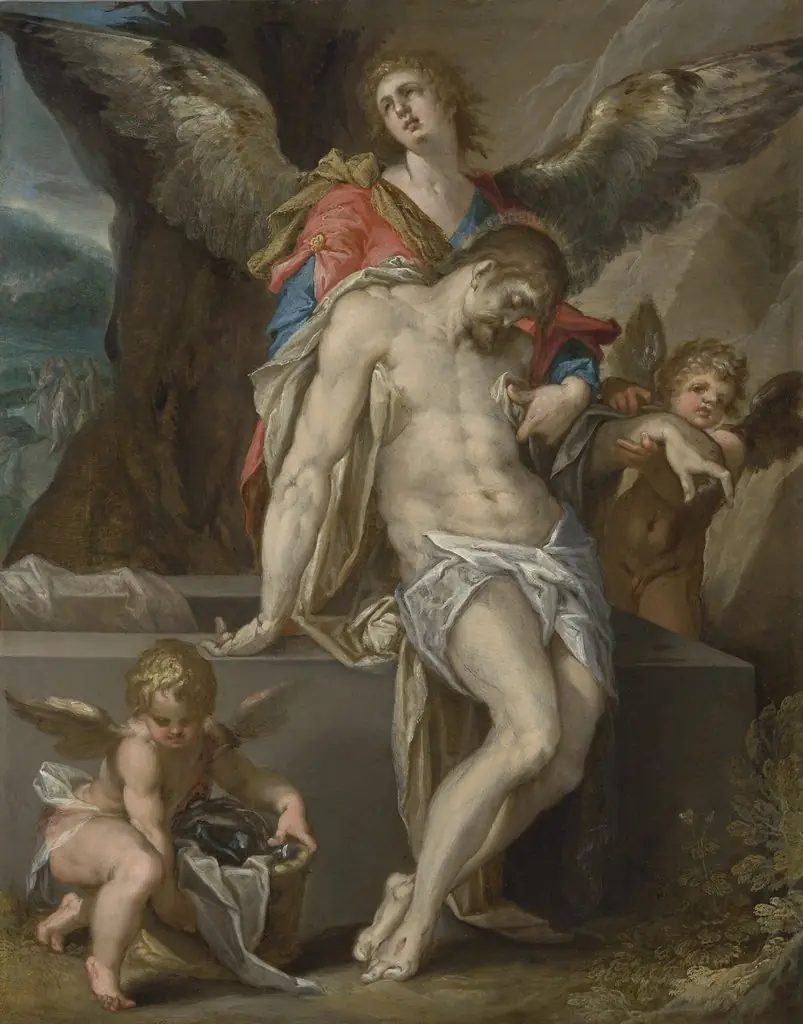 The Body of Christ Supported by Angels
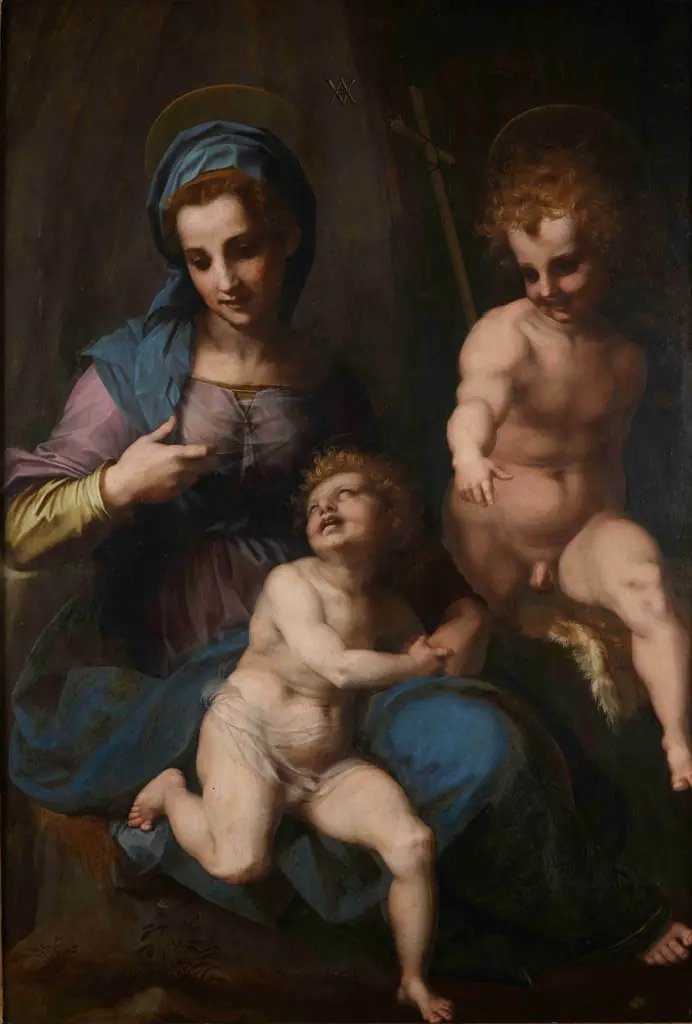 Madonna and Child with Young St John
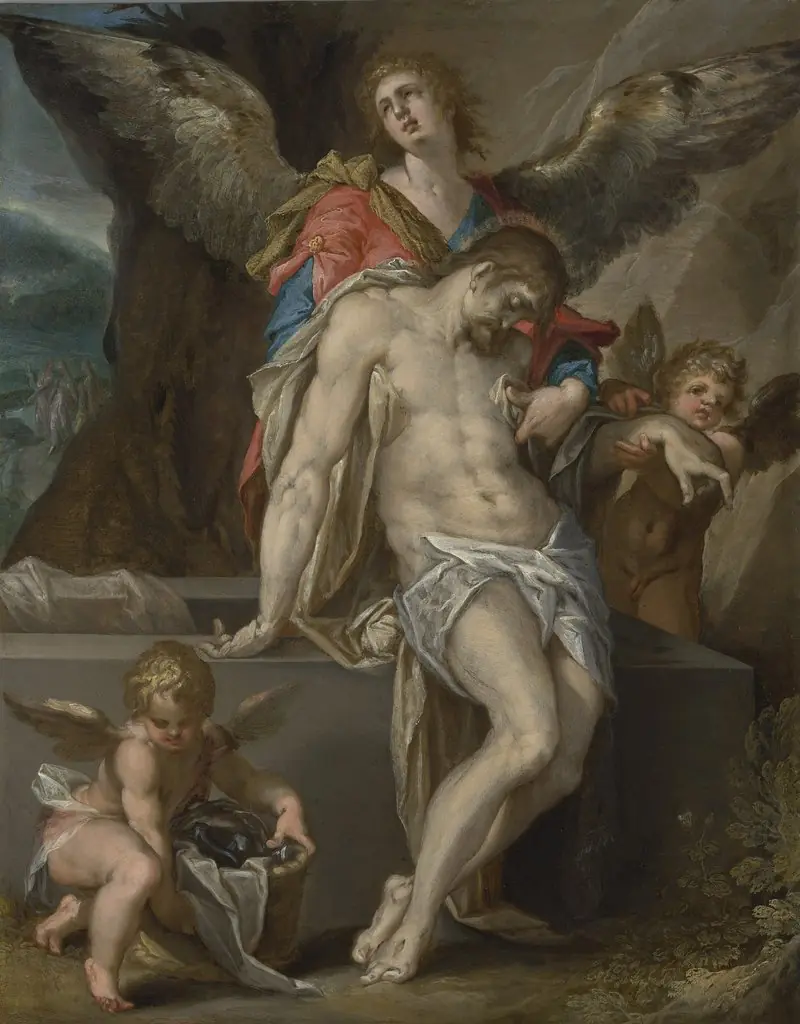 Engelen dragen het lichaam van Christus (Engelenpietà)
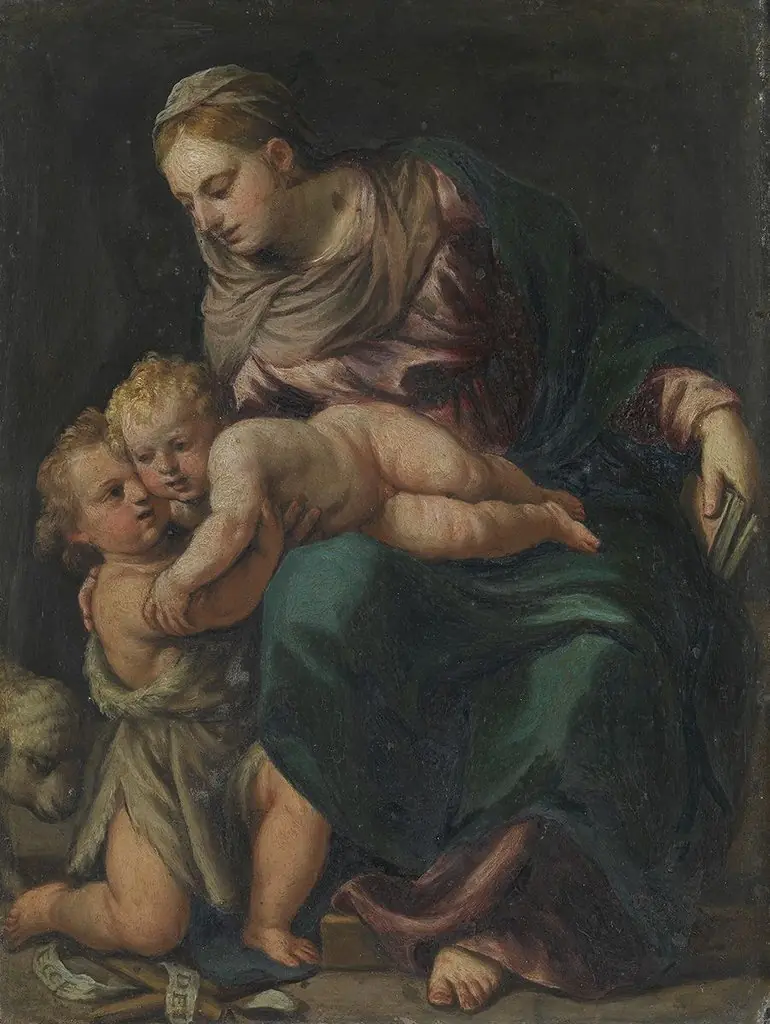 Maria mit dem Kinde und dem Johannesknaben
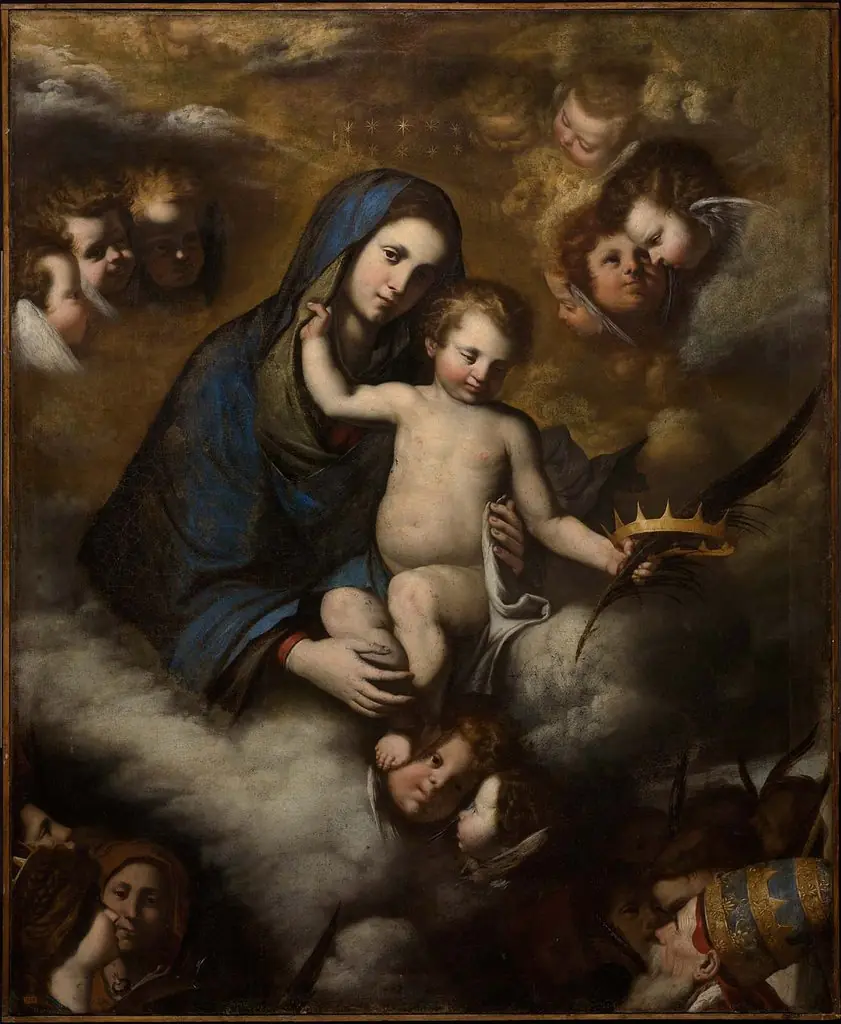 The Virgin and Child in Glory
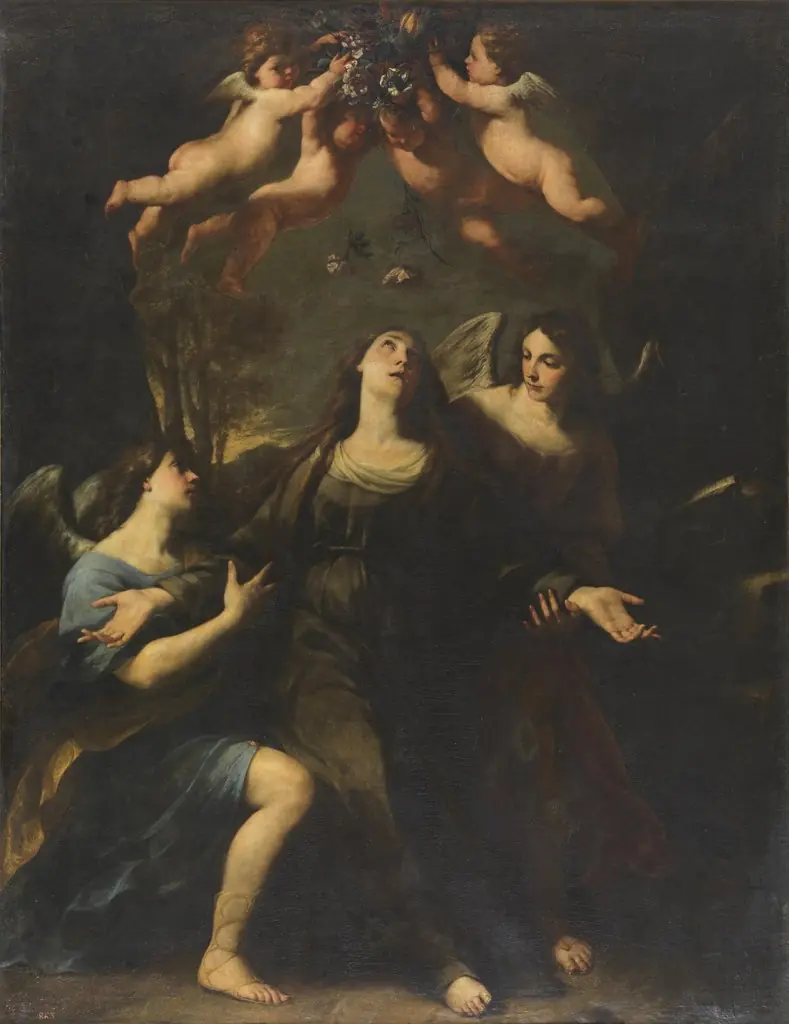 Saint Rosalie of Palermo
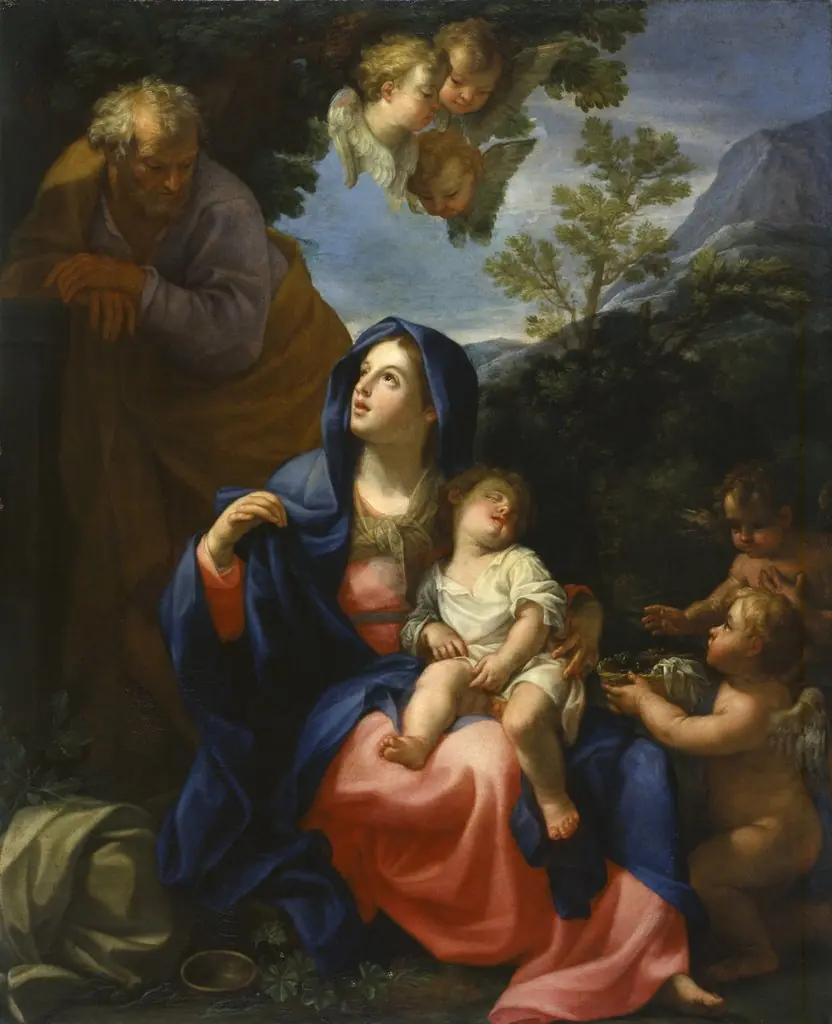 The Rest on The Flight into Egypt