Artwork
Portret de femeie
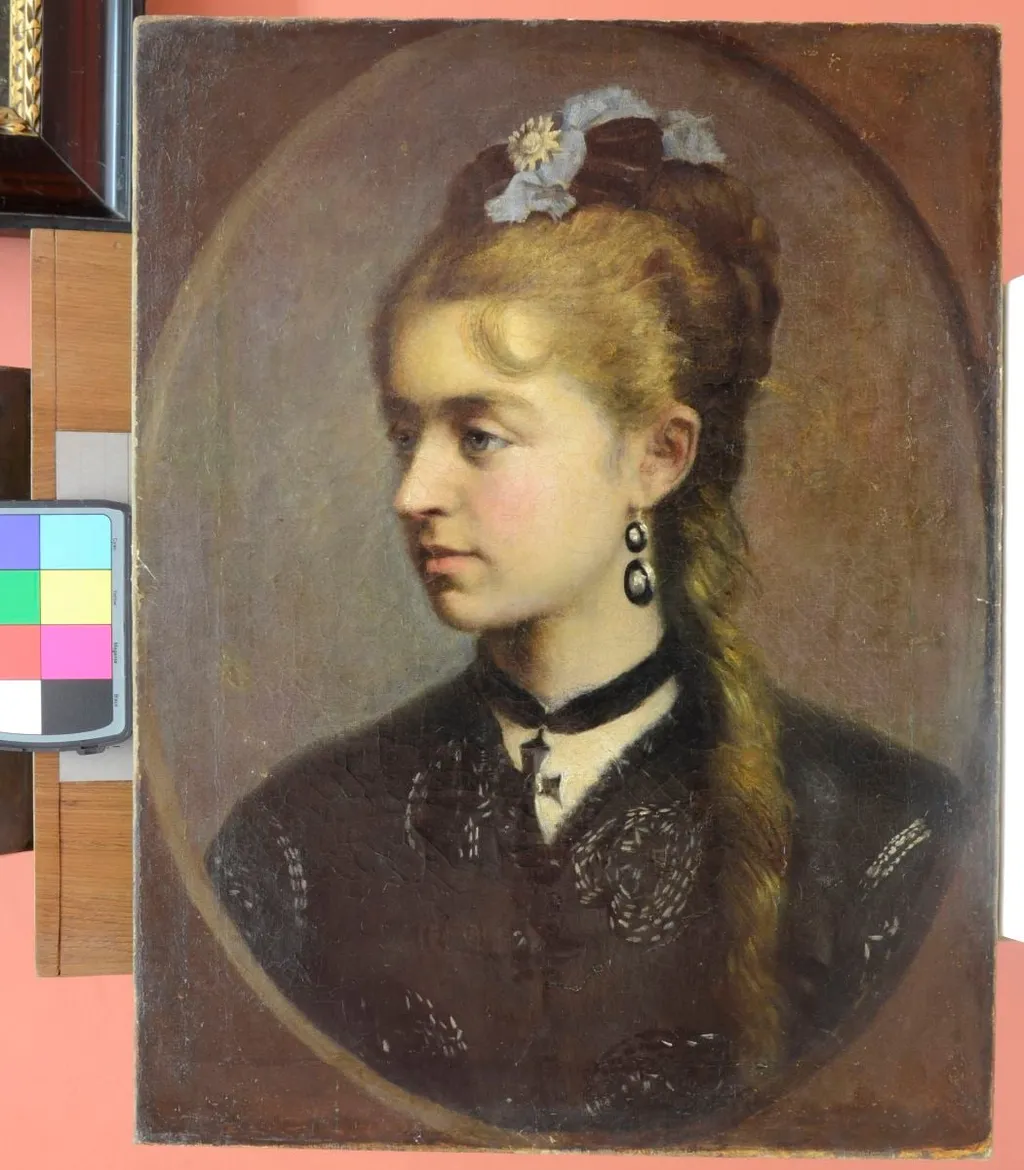
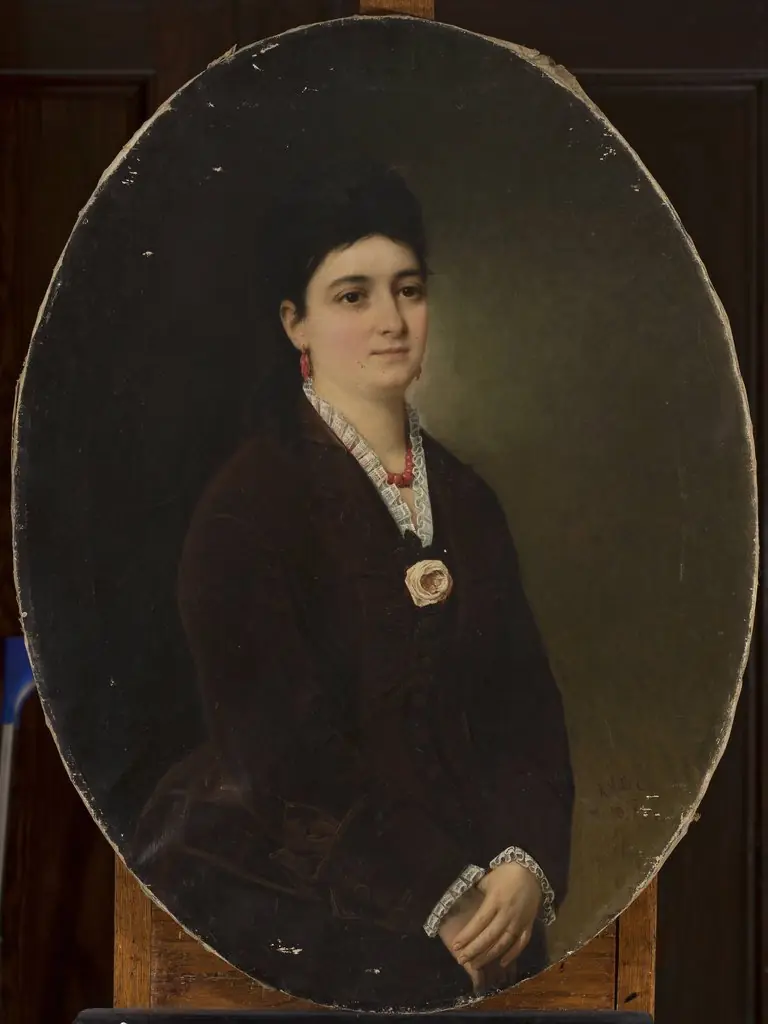
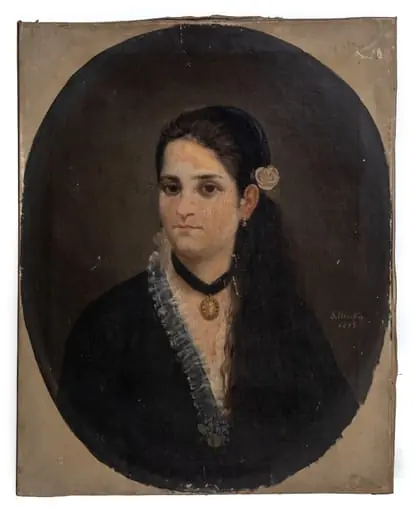
Portret de femeie is an unspecified painting by Gheorghe Panaiteanu-Bardasare. It dates from 1879 and is held in the collection of the National Museum of Art of Romania.
About this work
Overview
The artist avoids elaborate settings, directing attention to the subject’s presence through subtle modeling and tonal contrast.
Painted around 1879 by Gheorghe Panaiteanu-Bardasare, this portrait depicts a woman in quiet repose. The composition is intimate and restrained, focusing solely on the figure against a dark, oval background. The artist avoids elaborate settings, directing attention to the subject’s presence through subtle modeling and tonal contrast. The work reflects a 19th-century Romanian interest in personal portraiture, grounded in realism rather than idealization.
Subject & Meaning
The woman is portrayed with dignified composure, her gaze turned slightly away, suggesting introspection rather than direct engagement. Her attire—a dark dress with lace detailing and a white collar—hints at modesty and middle-class respectability. The large earrings add a touch of personal adornment, balancing formality with individuality. The absence of context or symbolism invites interpretation centered on identity and quiet self-possession.
Technique & Style
The painting employs soft, blended brushwork, particularly around the face and hair, to create a gentle transition between light and shadow. The dark, uniform background enhances the three-dimensionality of the figure through chiaroscuro, a technique emphasizing volume through contrast. Details like lace and earrings are rendered with precision but without excess, supporting a restrained aesthetic aligned with academic traditions of the period.
History & Provenance
The painting’s early history is not well documented, but it is attributed to Gheorghe Panaiteanu-Bardasare, a Romanian artist active in the late 19th century. It likely originated in a private collection, consistent with the era’s trend of domestic portraiture among urban elites. Its survival suggests it was valued within its original context, though it has not been widely exhibited or published.
Context
Created during a period of cultural consolidation in Romania, the portrait reflects broader trends in academic art, where individual identity was rendered with technical precision and emotional restraint. Unlike grand historical or mythological subjects, this work belongs to a quieter genre—domestic portraiture—that gained traction as the middle class sought to affirm its social standing through visual representation.
Legacy
While not widely known outside regional art circles, the portrait remains a representative example of Romanian academic portraiture from the late 1800s. It contributes to the understanding of how everyday subjects were treated with technical care during a time when national artistic identity was being shaped. Its preservation offers insight into the visual culture of a society in transition.
Artist & collection
Artist
Gheorghe Panaiteanu-Bardasare focused on portraits and figure prints in the mid-1800s style of Romanian art.

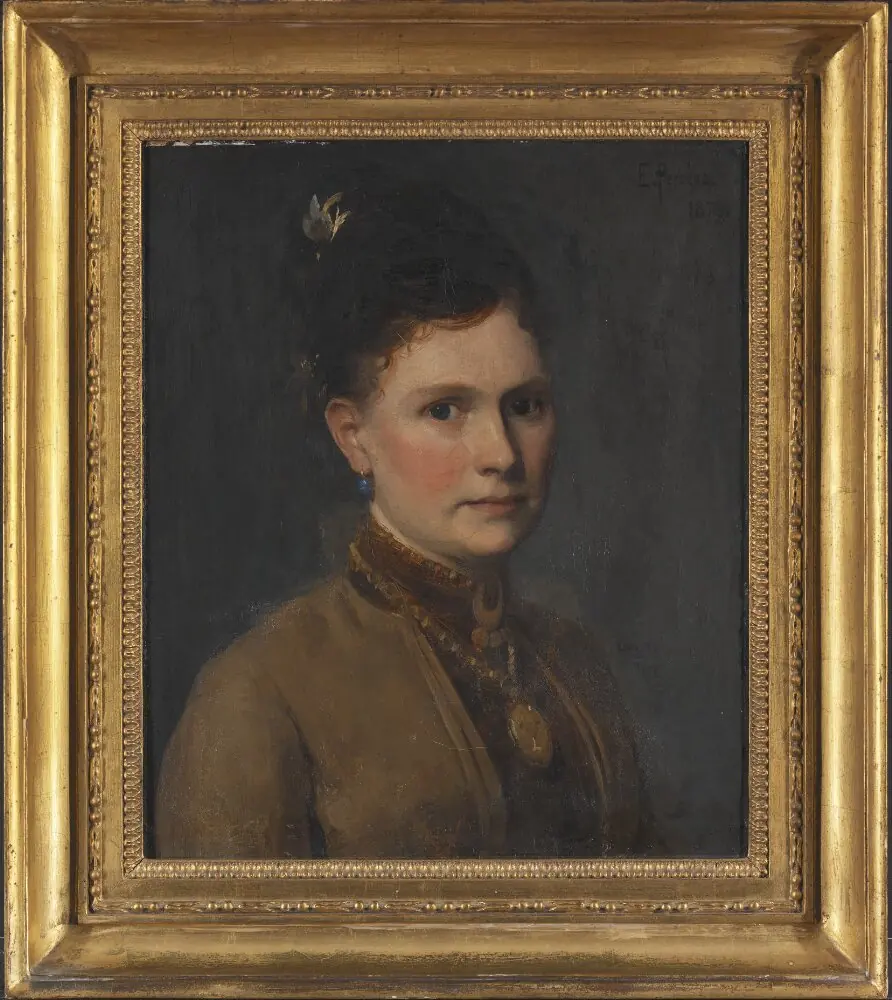 Maria Agnes Claesson (1843- efter 1903), gift med konstnären Edvard Perséus
 Cap de femeie
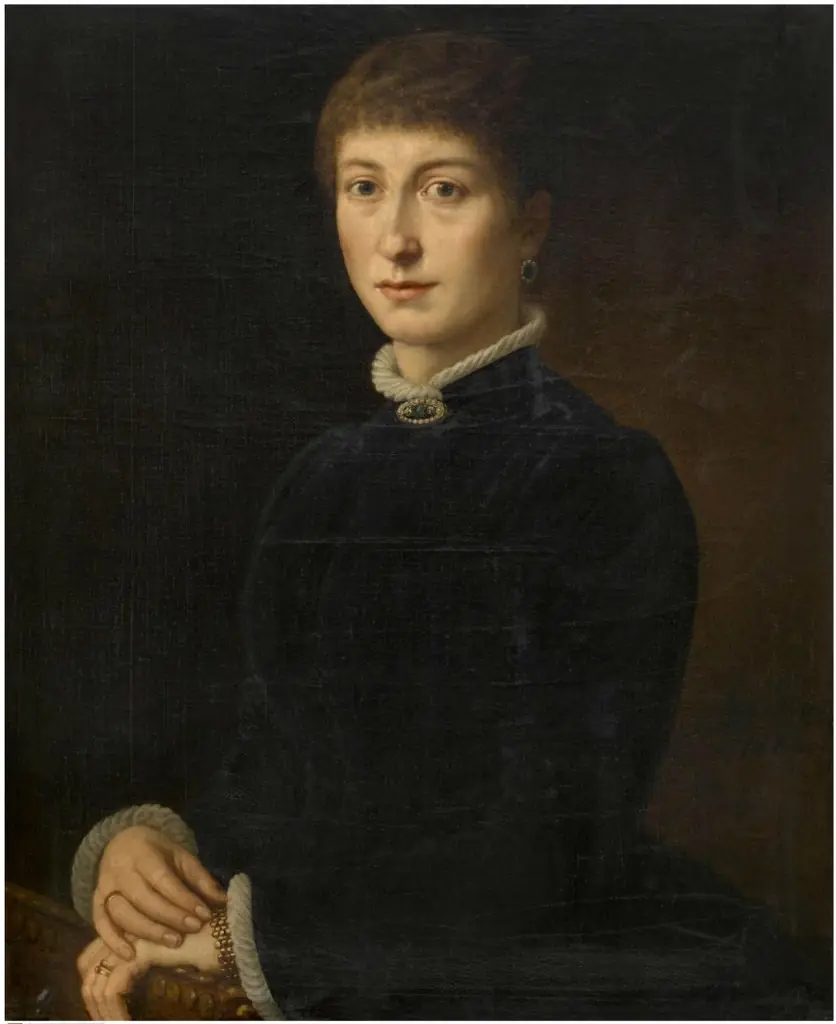 Portrait of Mrs Van Soom
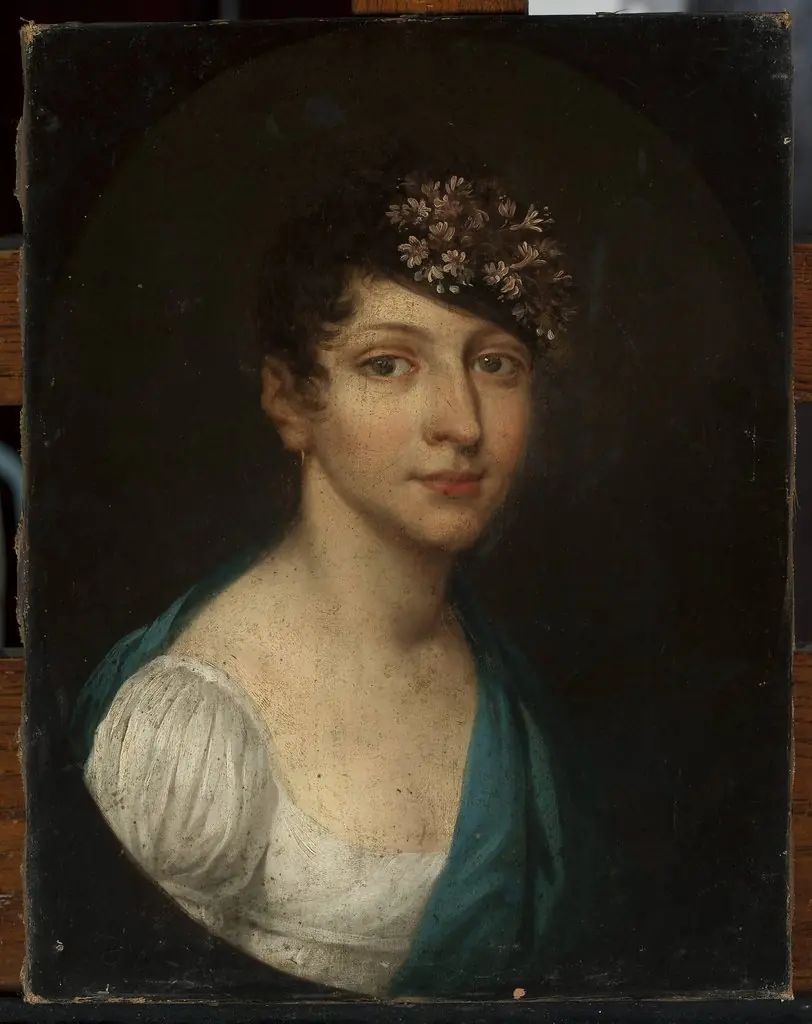 Portrait of Maria Żebrowska née Cieślik
 Portrait of Maria Sędziak née Żyżniewska
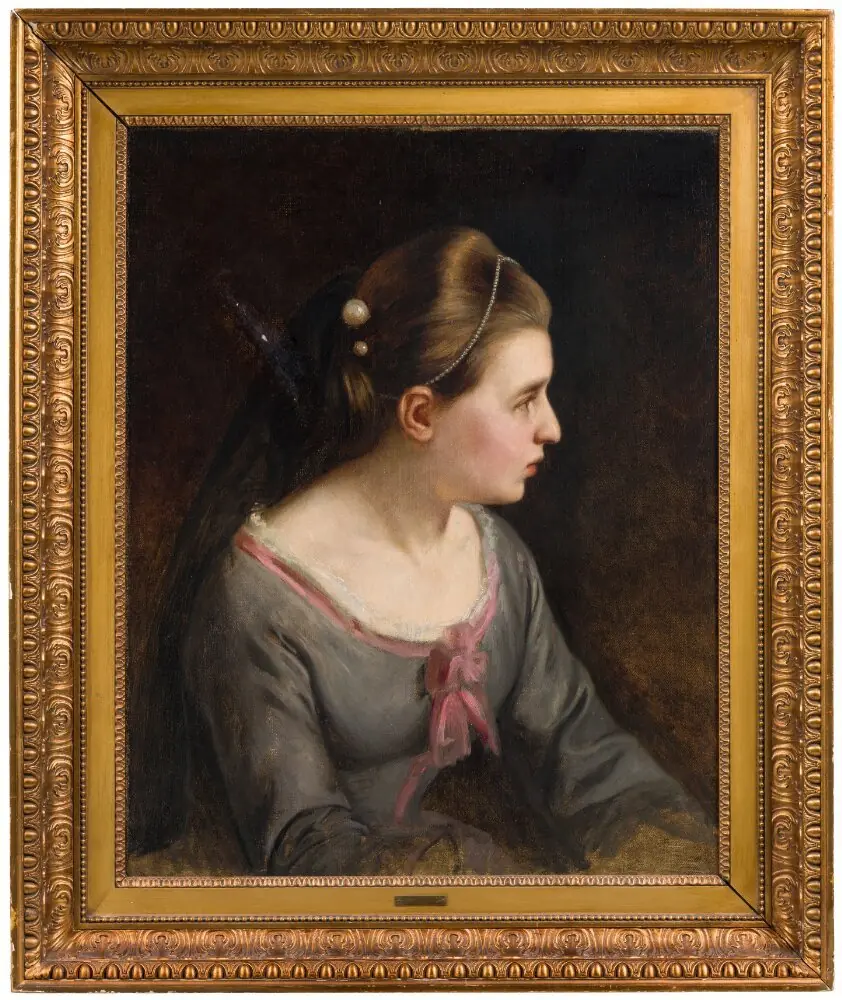 Helena Roed, Acting as Leonora in Ludvig Holberg’s Det lykkelige skibbrud (The Fortunate Shipwreck)
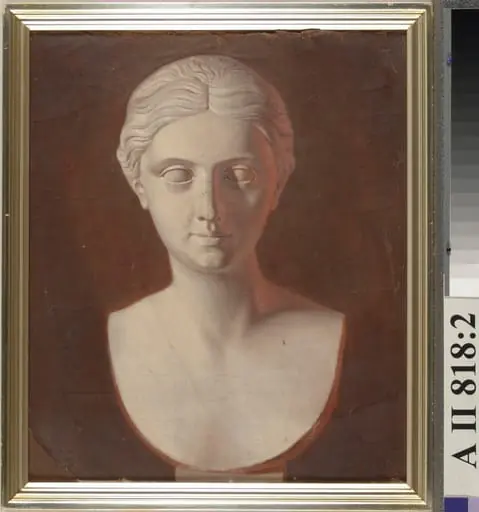 Naisen pää, harjoitelma veistoksen mukaan
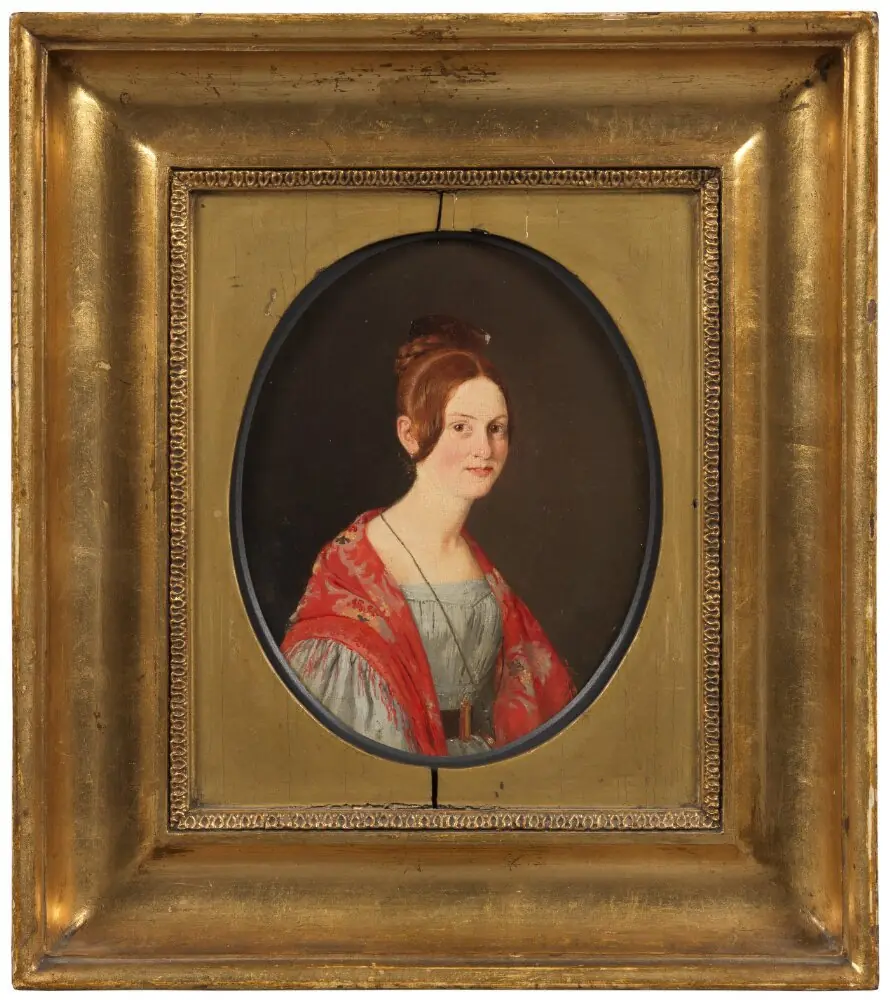 Portrait of Ane Elisabeth (Elise) Gurlitt, né Saxild (1817-39)
 Young Woman
 Portret de femeie
 Dr. Flodor
 An Old Woman