Artwork
Sacerdotele
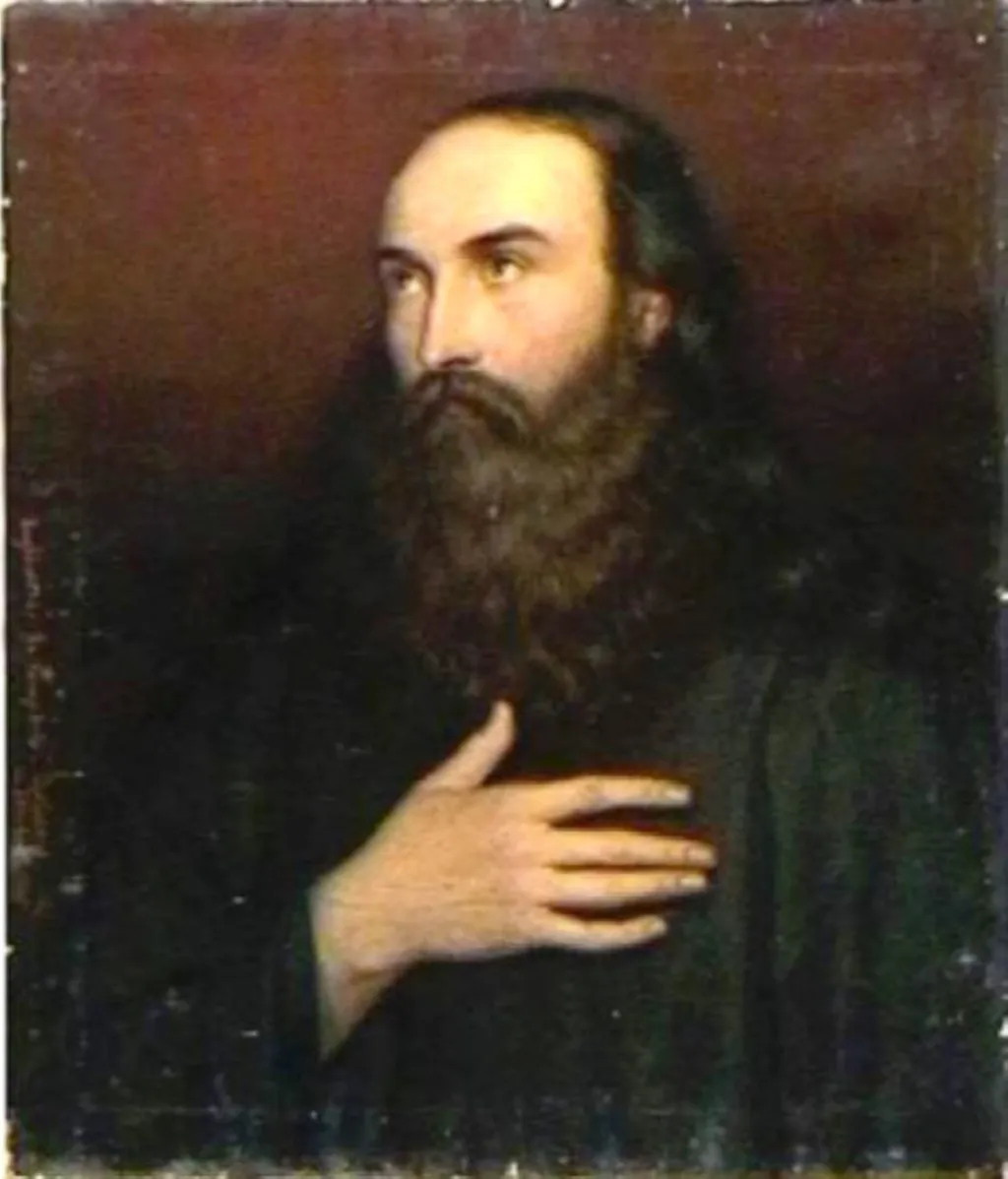
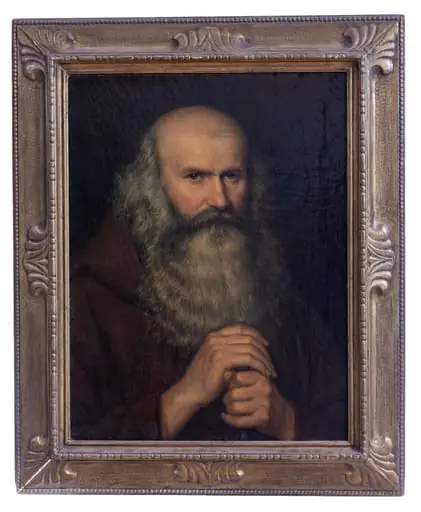
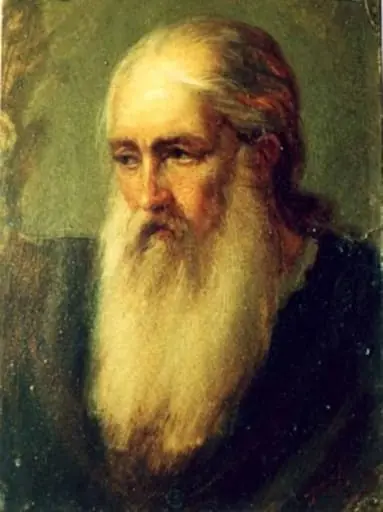
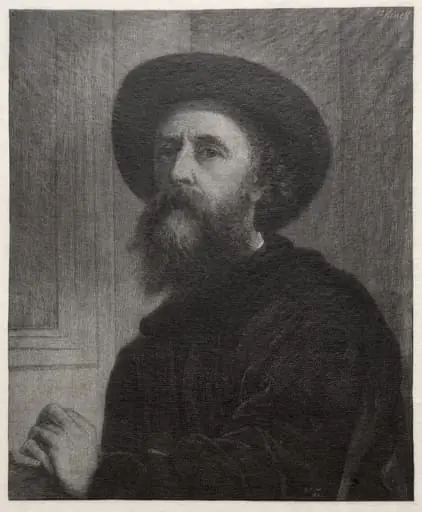
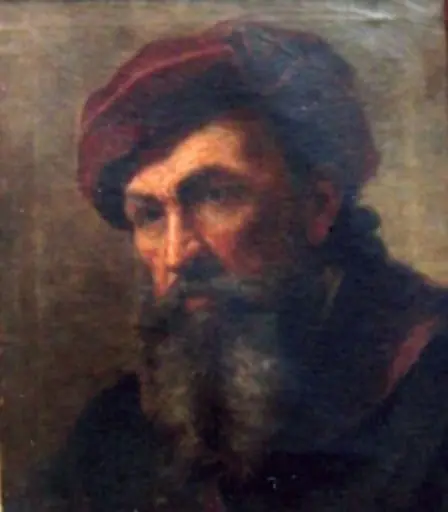
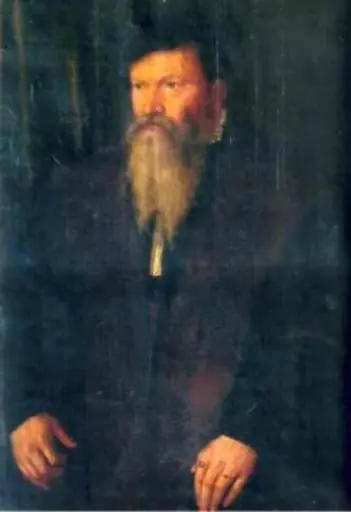
Sacerdotele is a print by the Romanticist artist Gheorghe Panaiteanu-Bardasare. It dates from 1847 and is held in the collection of the Moldova National Museum Complex.
About this work
Overview
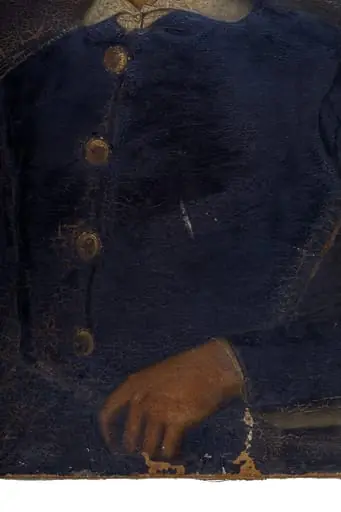
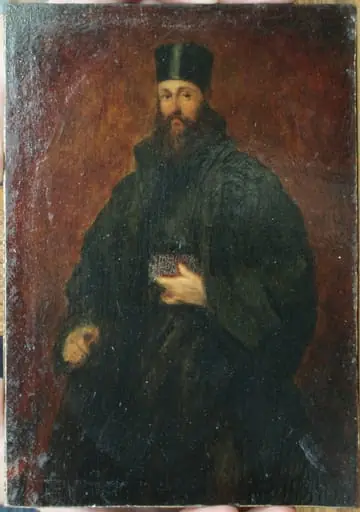
Sacerdotele, painted in 1847 by Gheorghe Panaiteanu-Bardasare, is a portrait of a clergyman rendered in oil on canvas.
Sacerdotele, painted in 1847 by Gheorghe Panaiteanu-Bardasare, is a portrait of a clergyman rendered in oil on canvas. The composition centers on a solemn male figure, depicted full-length against a dark, uniform background. The painting’s restrained palette and focused lighting emphasize the subject’s presence without narrative distraction, aligning with 19th-century Romanian portraiture traditions that valued dignity over ornamentation.
Subject & Meaning
The figure is identified as a priest, distinguished by his dark clerical robe and the gesture of his right hand resting over his heart—a posture suggesting inner devotion or solemn resolve. His direct gaze invites quiet contemplation rather than engagement, reinforcing a sense of spiritual gravity. The absence of symbolic objects or architectural context narrows interpretation to the individual’s presence, underscoring personal piety over institutional authority.
Technique & Style
Panaiteanu-Bardasare employs chiaroscuro to model the figure’s form, using subtle gradations of light and shadow to define the contours of the face, hands, and robe. The deep brown background recedes, isolating the subject and enhancing three-dimensionality. Brushwork is controlled and precise, avoiding theatricality; the texture of fabric and skin is suggested rather than elaborated, reflecting a restrained academic approach common in regional portraiture of the period.
History & Provenance
Created in 1847, the painting emerged during a period of cultural consolidation in Romanian principalities, when portraiture began to reflect emerging national identity through depictions of religious and civic figures. Sacerdotele remained in private collections in Romania until the mid-20th century, after which it entered a public institution. Its documented history is limited, but its survival reflects its recognition as a representative work of mid-19th-century Romanian art.
Context
In the 1840s, Romanian artists increasingly turned to secular and religious portraiture as a means of asserting cultural autonomy under Ottoman and Habsburg influence. Panaiteanu-Bardasare, trained in Western European academies, adapted classical techniques to local subjects. Sacerdotele aligns with this trend, presenting a Romanian clergyman with the gravitas associated with European ecclesiastical portraiture, while avoiding overt Western iconography.
Legacy
Sacerdotele is regarded as a significant example of early Romanian academic portraiture, illustrating the fusion of European techniques with local subject matter. Though not widely exhibited, it has been referenced in scholarly studies on 19th-century Romanian visual culture. Its quiet intensity and technical discipline continue to inform interpretations of how religious identity was visually constructed during Romania’s formative national period.
Artist & collection
Artist
Gheorghe Panaiteanu-Bardasare focused on portraits and figure prints in the mid-1800s style of Romanian art.