Artwork
Baptism of Christ
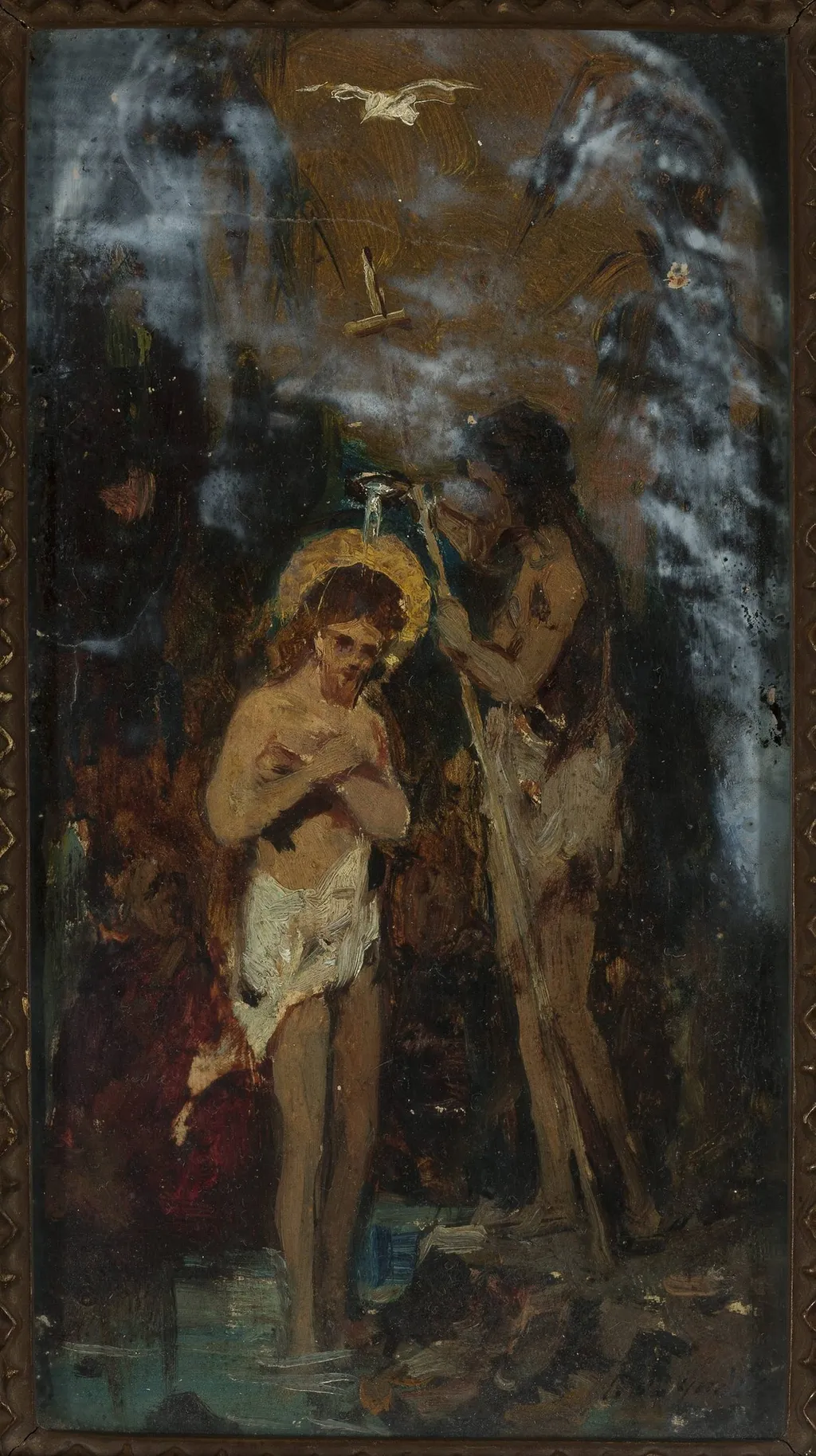
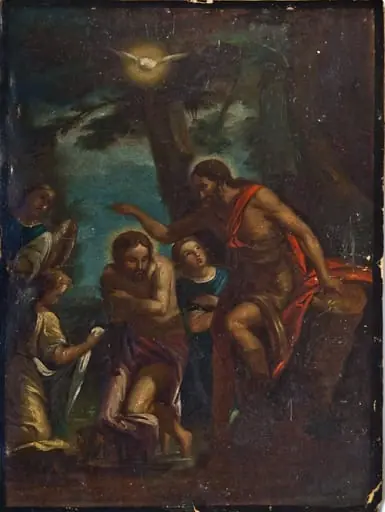
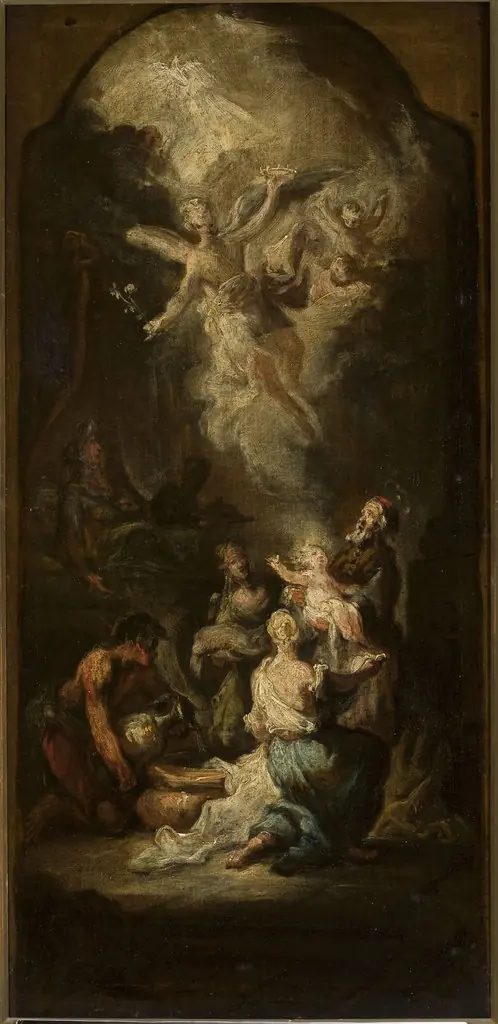
Baptism of Christ is an oil painting by Pantaleon Szyndler. It dates from 1885 and is held in the collection of the National Museum in Warsaw.
About this work
Overview
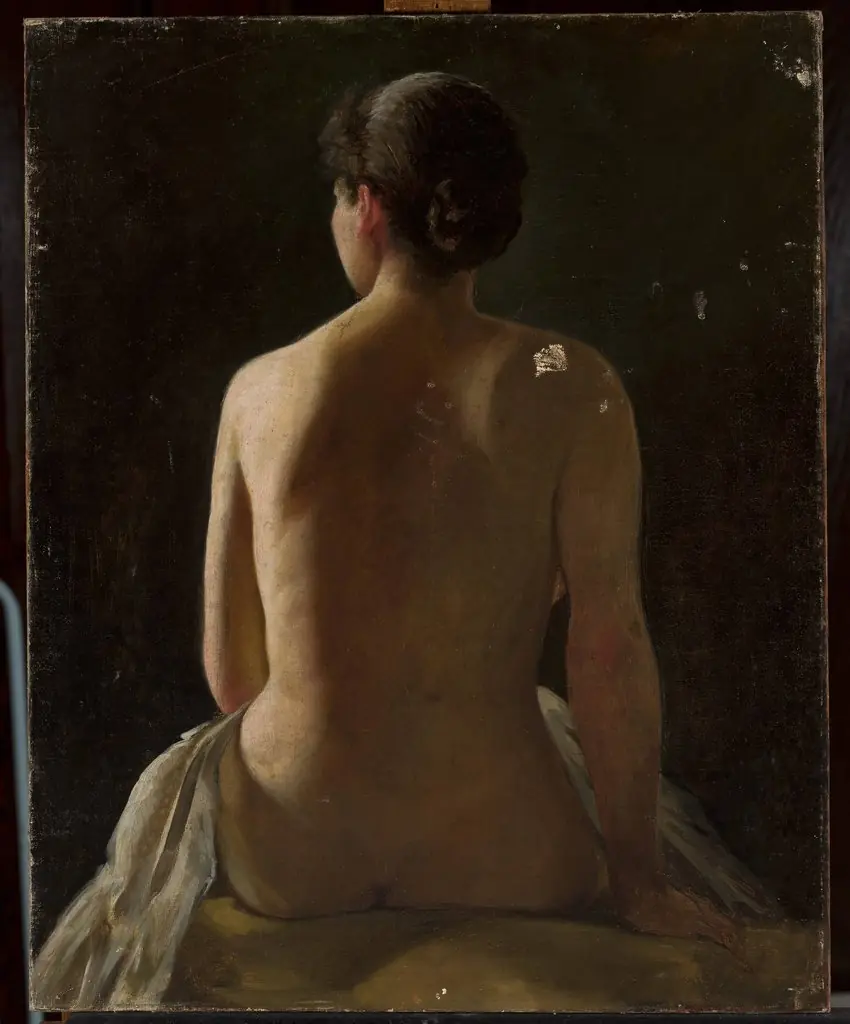
Szyndler, a Polish artist active in the late 19th century, frequently turned to religious themes alongside other subjects such as nudes and Orientalist scenes.
Pantaleon Szyndler’s *Baptism of Christ*, dated around 1885, is an oil painting executed in the Academic tradition. It portrays a quiet moment from the Gospels with restrained emotion and careful composition. Szyndler, a Polish artist active in the late 19th century, frequently turned to religious themes alongside other subjects such as nudes and Orientalist scenes. The work is held in the collection of the National Museum in Warsaw, where it reflects the period’s preference for spiritually grounded, technically polished imagery.
Subject & Meaning
The painting illustrates the baptism of Jesus by John the Baptist, as described in the Gospels. Christ stands immersed in water, arms crossed, wearing a simple white loincloth and crowned with a subtle halo. A figure on the shore, identified as John, pours water over his head while holding a staff. The scene emphasizes solemnity over drama, focusing on ritual and divine presence. The stillness of the figures and the calm water suggest spiritual purity and the quiet onset of Christ’s public ministry.
Technique & Style
Szyndler employs soft, blended brushwork and a muted palette to evoke tranquility. The water is rendered with delicate ripples and reflective tones, showing attention to naturalistic detail without theatrical flourish. The rocky background and sparse vegetation are rendered in earthy grays and browns, grounding the scene in a tangible landscape. The lighting is even and diffused, avoiding strong contrasts, which reinforces the painting’s contemplative mood and aligns with Academic ideals of harmony and control.
History & Provenance
Created circa 1885, the painting entered the collection of the National Museum in Warsaw at an early stage, likely acquired during Szyndler’s active years in Poland. It remained within institutional hands, avoiding private sales or major public exhibitions that might have altered its context. Its preservation reflects the museum’s interest in documenting Polish Academic art of the late 19th century, particularly works that engaged with religious narratives in a national cultural framework.
Context
In late 19th-century Poland, religious art retained cultural significance amid political occupation and shifting secular trends. Szyndler’s work emerged within a broader European Academic movement that valued technical precision and moral clarity in biblical subjects. While Western artists increasingly experimented with Impressionism or Symbolism, Polish institutions favored traditional forms. This painting reflects that conservative aesthetic, offering a dignified, accessible vision of faith suited to public and ecclesiastical audiences.
Legacy
Though not widely reproduced or critically reevaluated in modern scholarship, the painting remains a representative example of Polish Academic religious painting. It preserves the visual language favored by state-supported art institutions of the time. Its continued presence in the National Museum in Warsaw underscores its role as a historical artifact of artistic convention, rather than a radical innovation, offering insight into the spiritual and aesthetic priorities of its era.
Artist & collection
Artist
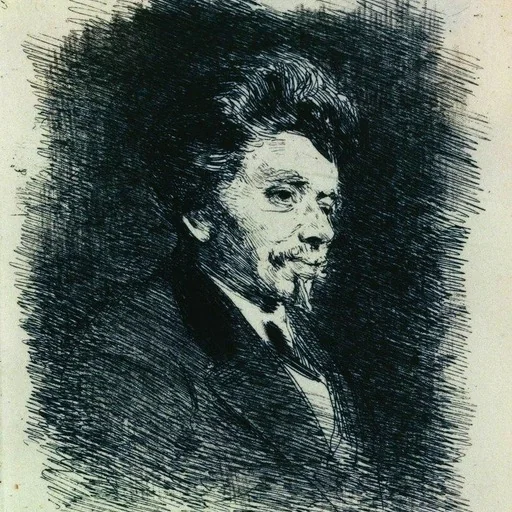
Pantaleon Józef Szyndler or Szendler (26 July 1846, Lipie – 31 January 1905, Warsaw) was a Polish painter in the Academic style.