Artwork
Judith leaving Bethulia
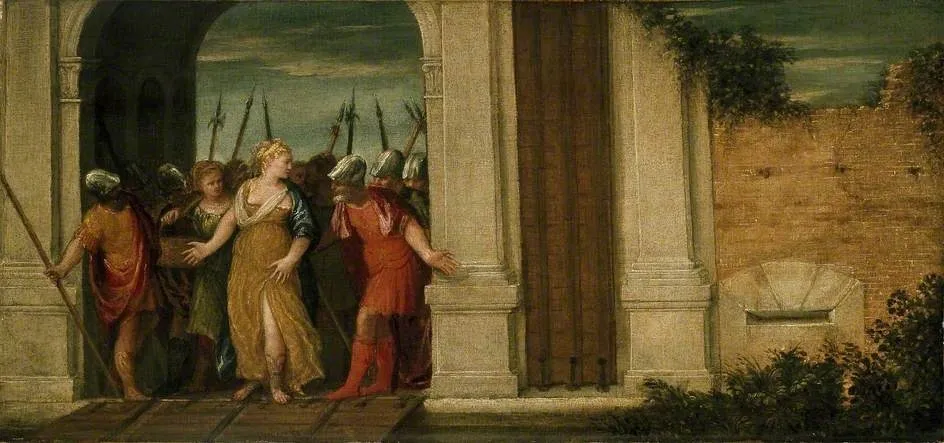
Judith leaving Bethulia is an oil painting by the Mannerist artist Paolo Veronese. It dates from 1568 and is held in the collection of the Ashmolean Museum.
About this work
Overview
Created circa 1568, this oil painting by Paolo Veronese portrays the biblical heroine Judith as she exits the fortified city of Bethulia. Executed in the Mannerist style that prevailed in mid‑sixteenth‑century Venice, the work measures a modest size yet displays the compositional complexity typical of Veronese’s larger narrative scenes.
Subject & Meaning
The composition captures the moment after Judith’s lethal encounter with the Assyrian general Holofernes. She is shown in a golden gown, her head modestly covered, moving forward while a retinue of armed men follows. The scene suggests both triumph and the solemnity of a mission completed, echoing the biblical theme of deliverance through courage.
Technique & Style
Veronese employs his renowned chromatic sensibility, juxtaposing the luminous gold of Judith’s dress with the cooler blues of the sky and the muted stone of the arches behind her. The figures are rendered with elongated proportions and elegant poses, hallmarks of Mannerist aesthetics, while the detailed rendering of armor and architectural elements reflects the artist’s meticulous draftsmanship.
History & Provenance
Paolo Caliari, known as Veronese, was a leading Venetian painter alongside Titian and Tintoretto. Though primarily celebrated for grand banquet scenes, this work demonstrates his engagement with biblical narratives. The painting’s early ownership records are scarce, but it has been documented in several European collections before entering its present museum setting.
Context
The episode of Judith’s escape was a popular subject in Renaissance art, symbolizing virtuous resistance against oppression. In Venice, such themes resonated with the republic’s self‑image as a defender of liberty, and Veronese’s treatment aligns with contemporary moral and civic ideals.
Legacy
While not as widely reproduced as Veronese’s monumental canvases, this piece contributes to the understanding of his versatile approach to narrative painting. It illustrates his ability to blend vivid coloration with complex figural arrangements, influencing later Venetian artists who continued to explore dramatic biblical subjects.
Artist & collection
Artist
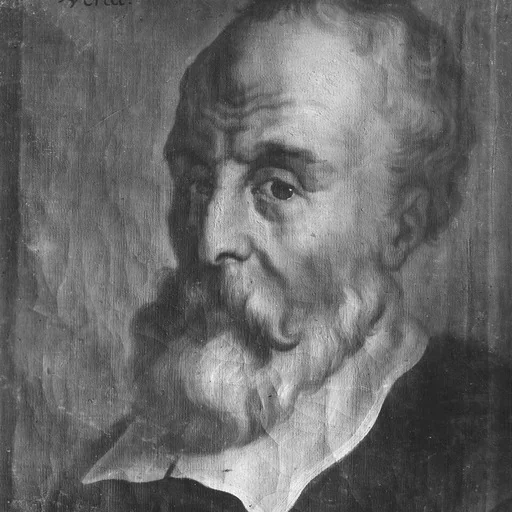
Paolo Caliari (1528 – 19 April 1588), known as Paolo Veronese ( VERR-ə-NAY-zay, -zee, US also -see; Italian: ), was an Italian Renaissance painter based in Venice, known for extremely large history paintings of…

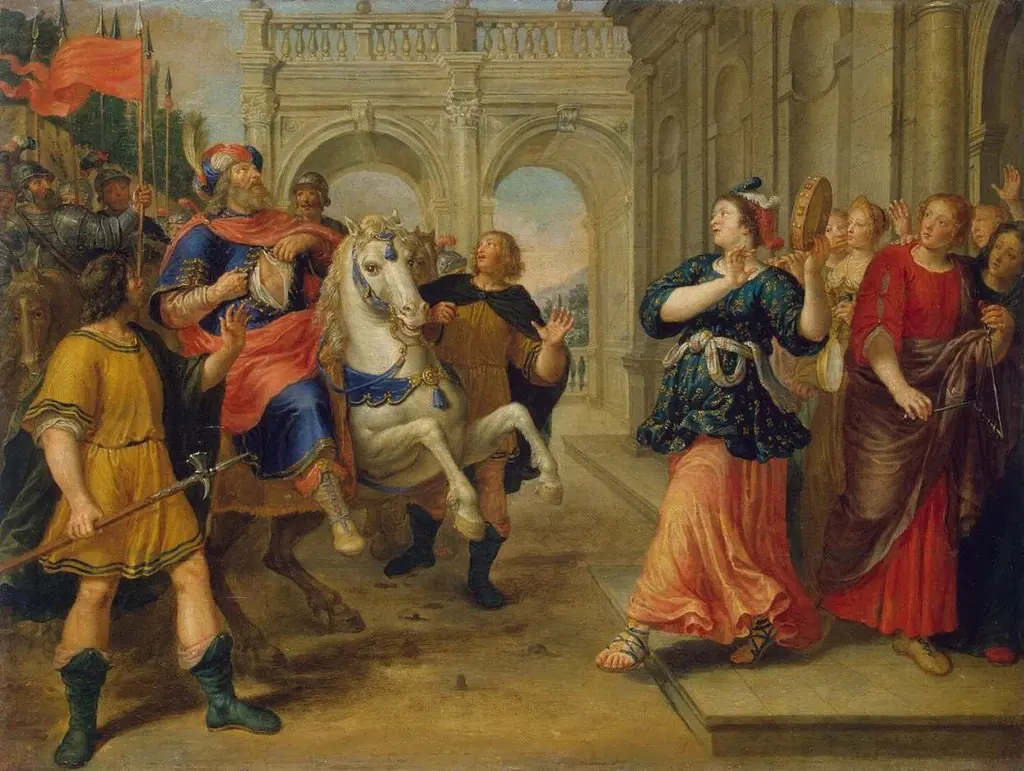 Jephthae's Daughter
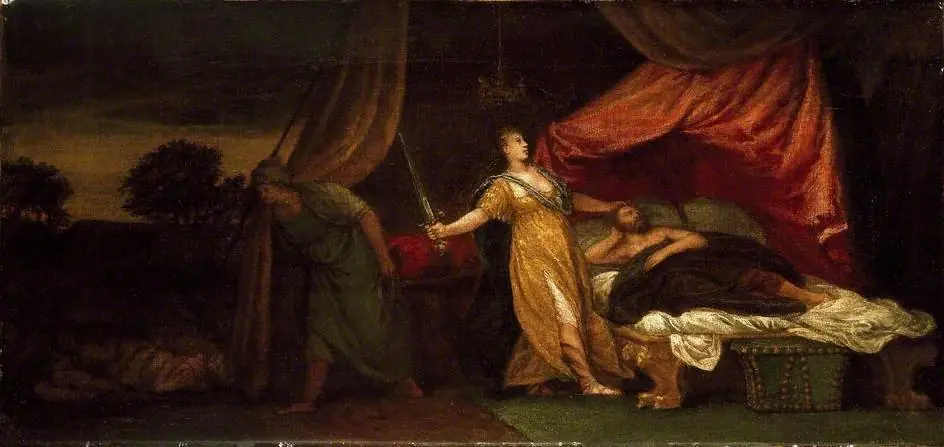 Judith about to kill Holofernes
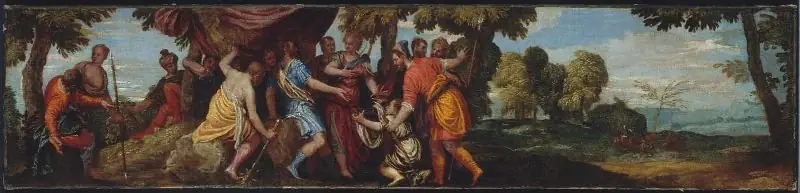 Atalanta Receiving the Boar's Head from Meleager
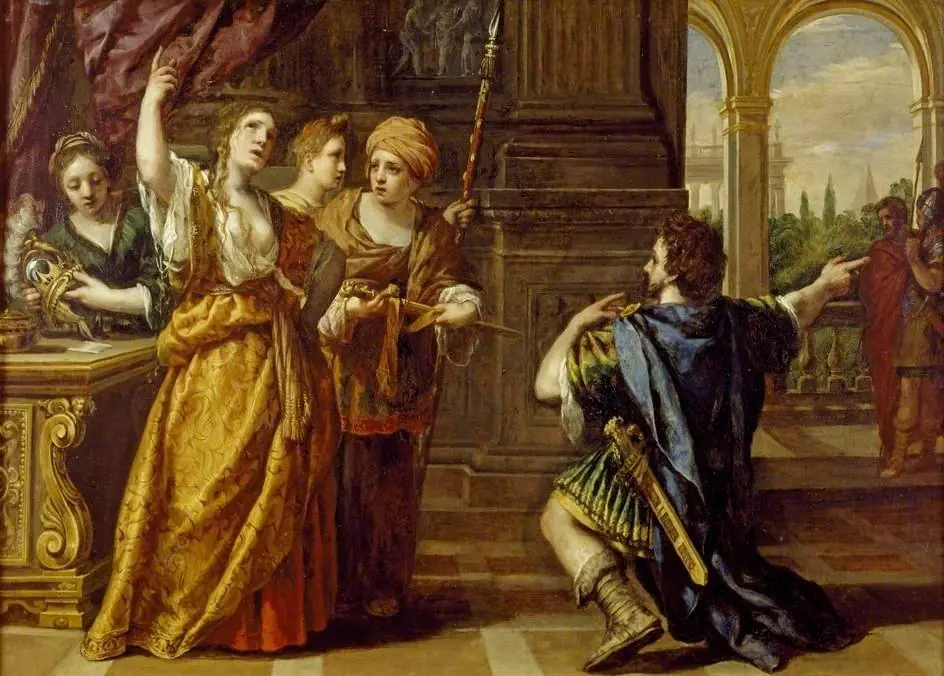 The Oath of Semiramis
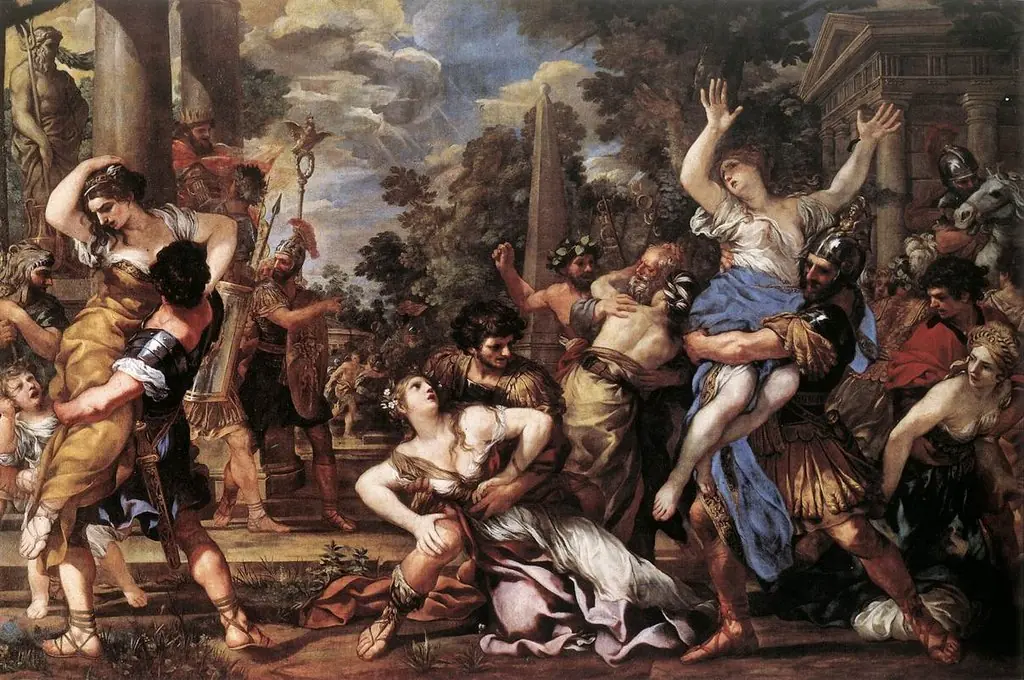 Rape of the Sabine Women
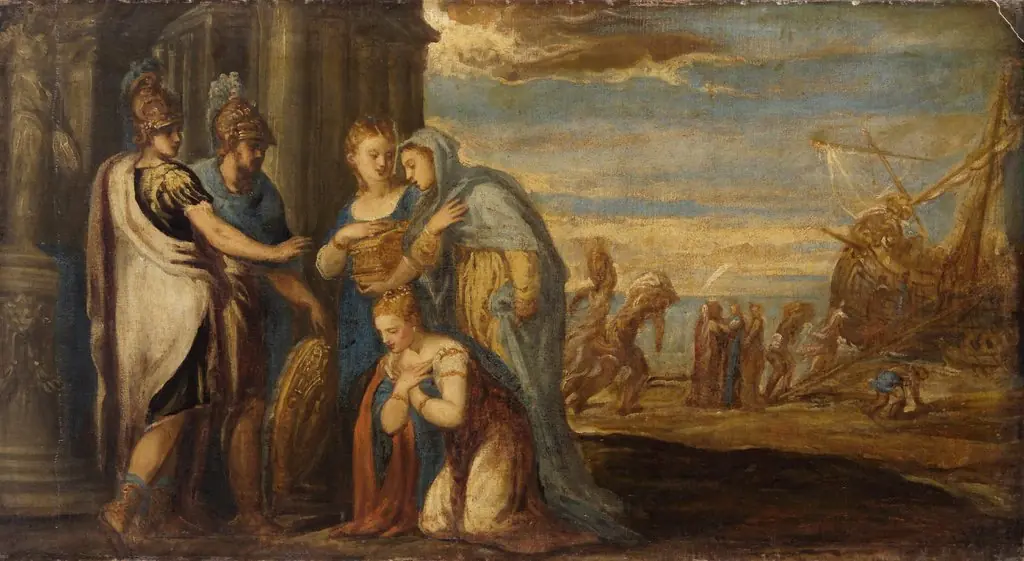 Aeneas Takes Leave of Dido
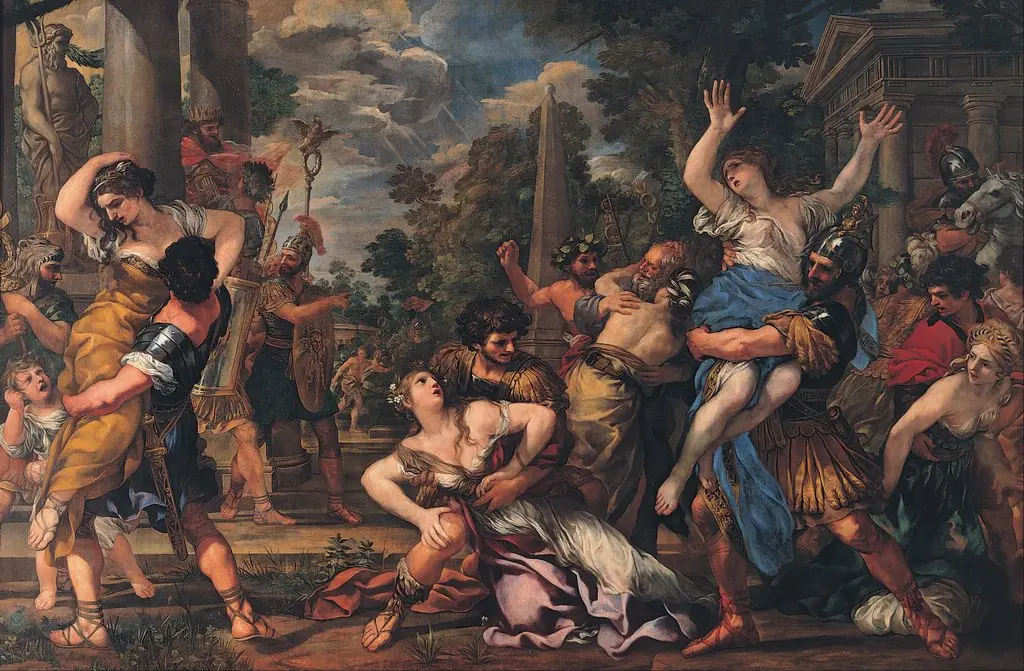 Rape of the Sabines
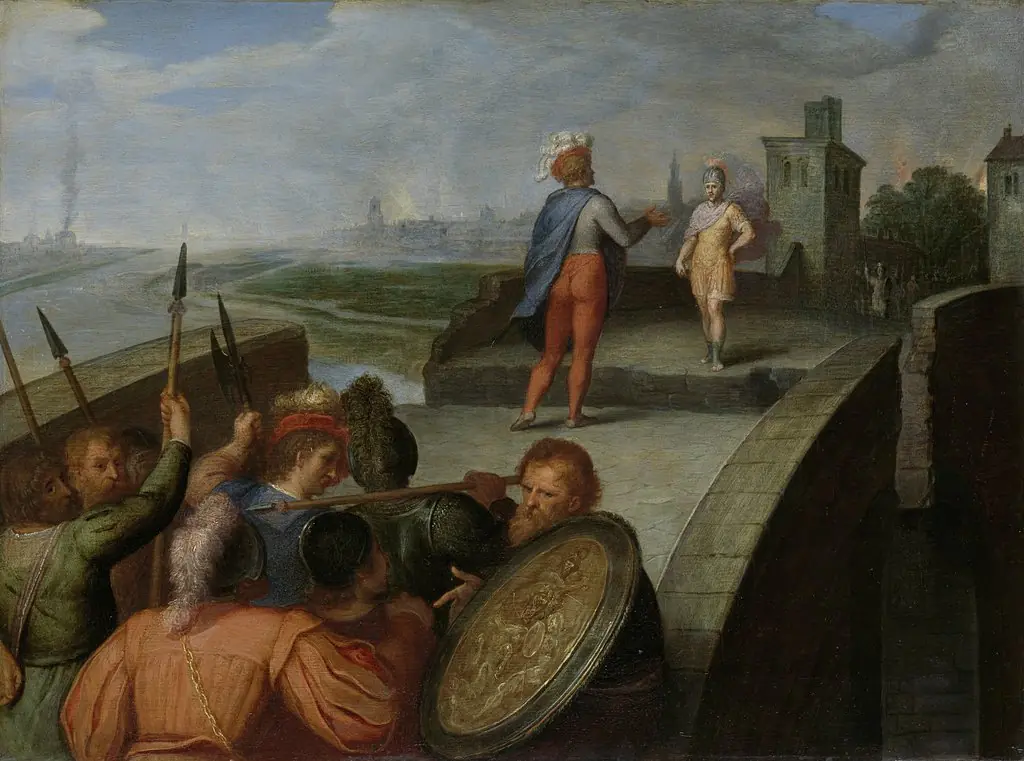 Peace Negotiations between Claudius Civilis and Cerealis
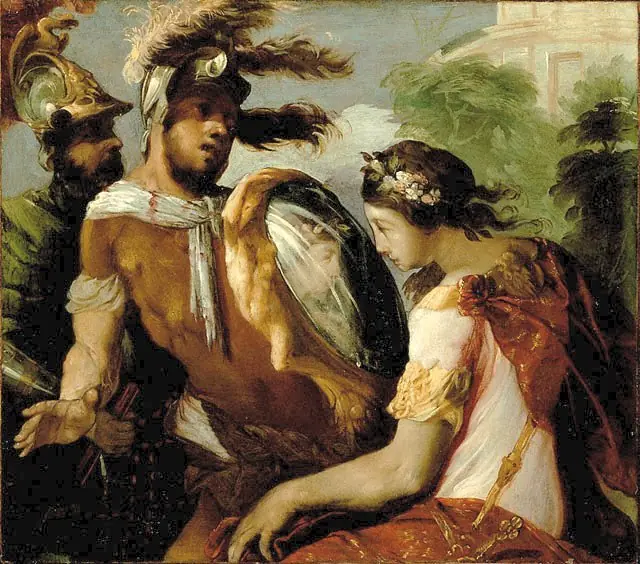 Rinaldo and the Mirror-Shield
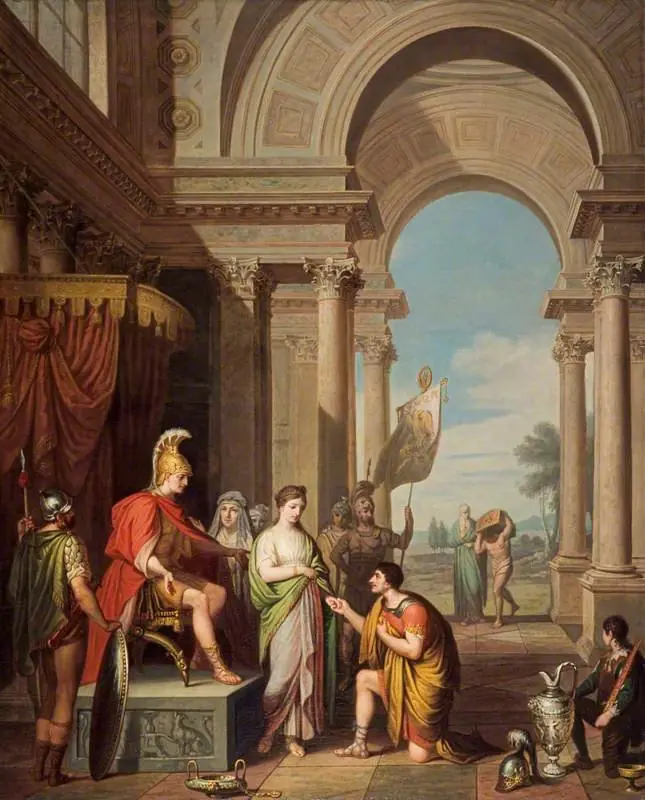 The Continence of Scipio
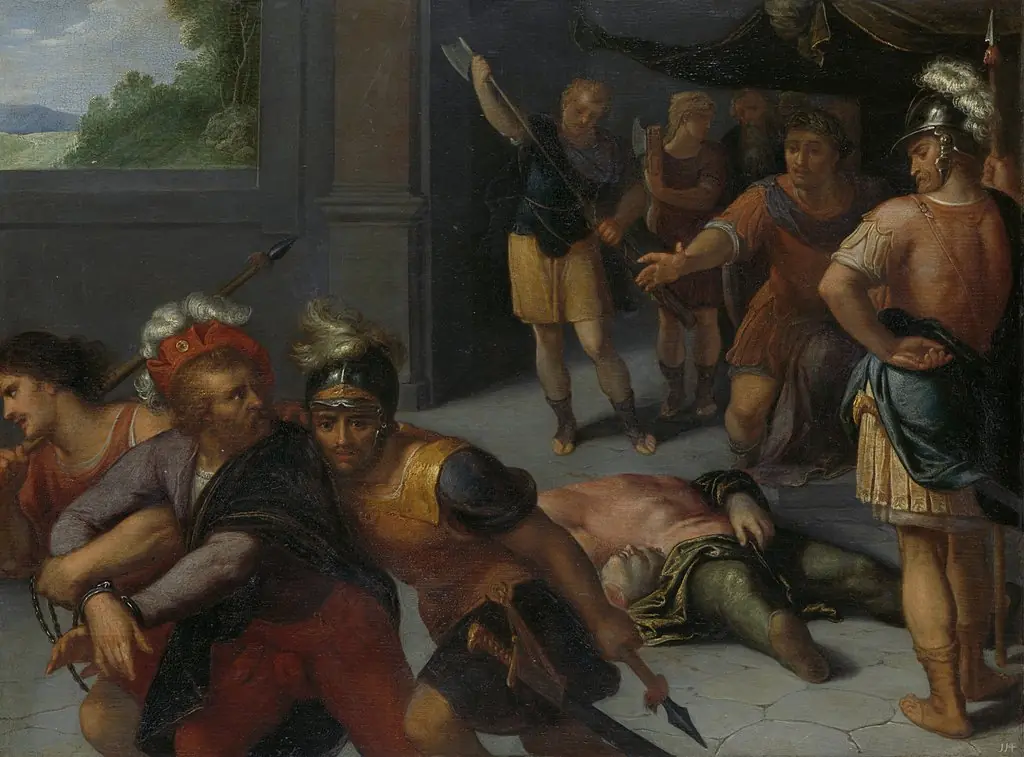 Beheading of Julius Paulus and Imprisonment of Claudius Civilis
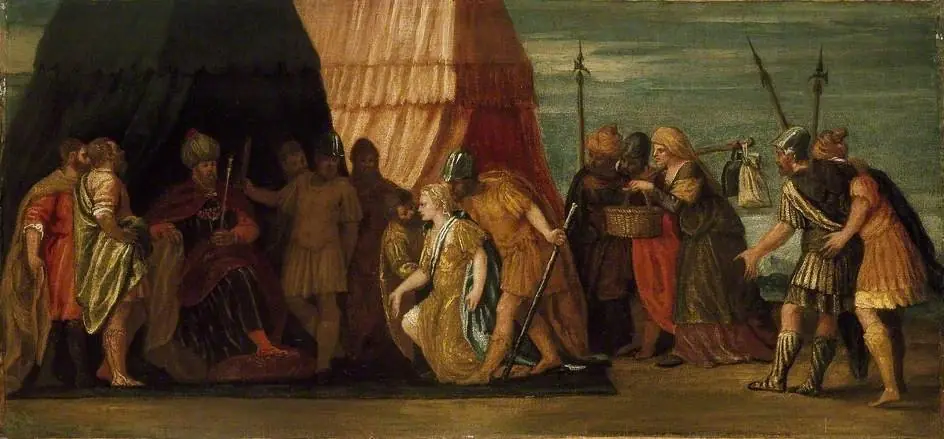 Judith received by Holofernes