Artwork
Judith about to kill Holofernes
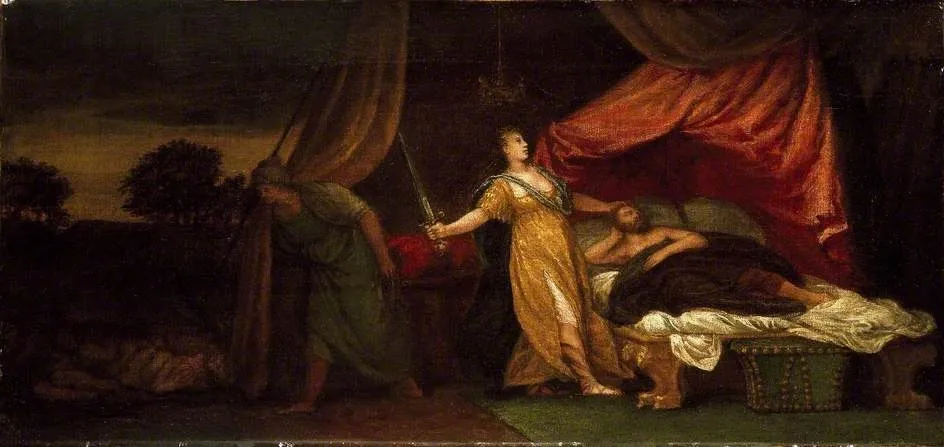
Judith about to kill Holofernes is an oil painting by Paolo Veronese. It dates from 1568 and is held in the collection of the Ashmolean Museum.
About this work
Overview
It belongs to a series of large-scale religious scenes he produced for Venetian patrons and churches.
Painted around 1568, this oil work by Paolo Veronese captures a moment from the Book of Judith, where the widow Judith prepares to behead the Assyrian general Holofernes. Executed in Venice during the height of the city’s artistic prominence, the painting reflects Veronese’s skill in staging dramatic biblical narratives with rich detail and controlled composition. It belongs to a series of large-scale religious scenes he produced for Venetian patrons and churches.
Subject & Meaning
The scene portrays Judith, a figure of moral courage, in the act of delivering justice against a tyrant. Her poised sword and focused gaze convey resolve, while Holofernes, incapacitated by wine and sleep, lies vulnerable. The presence of her servant in the background suggests complicity and quiet vigilance. The narrative emphasizes divine intervention through human agency, a theme common in Counter-Reformation art that valued moral clarity and decisive action.
Technique & Style
Veronese employs a restrained chiaroscuro to model forms and heighten tension, though without the stark contrasts of Caravaggio’s later style. The figures are rendered with smooth, polished surfaces, characteristic of Venetian painting, while the deep red curtains and shadowed interior frame the action with theatrical intimacy. Color is used strategically: Judith’s golden gown and the servant’s green garment draw the eye without overwhelming the scene’s somber mood.
History & Provenance
The painting was likely commissioned by a Venetian noble family or religious institution during the 1560s, a period when Veronese received numerous commissions for biblical subjects. It remained in private collections in northern Italy before entering a public museum in the 19th century. Its attribution has remained consistent, with no significant disputes over authorship or date.
Context
Created during the height of Venetian Renaissance painting, the work reflects the city’s preference for grand, narrative-driven compositions over the more introspective styles of Florence. While Titian explored psychological depth and Tintoretto emphasized movement, Veronese focused on clarity, color harmony, and theatrical staging. The Judith theme was popular in Venice, resonating with civic ideals of virtue triumphing over oppression.
Legacy
Though less widely known than Caravaggio’s later version of the same subject, Veronese’s interpretation influenced subsequent depictions through its emphasis on poised drama over visceral violence. It exemplifies how Venetian artists adapted biblical stories into visually compelling, morally charged scenes that balanced narrative clarity with aesthetic refinement. The painting remains a key example of 16th-century Venetian storytelling in oil.
Artist & collection
Artist
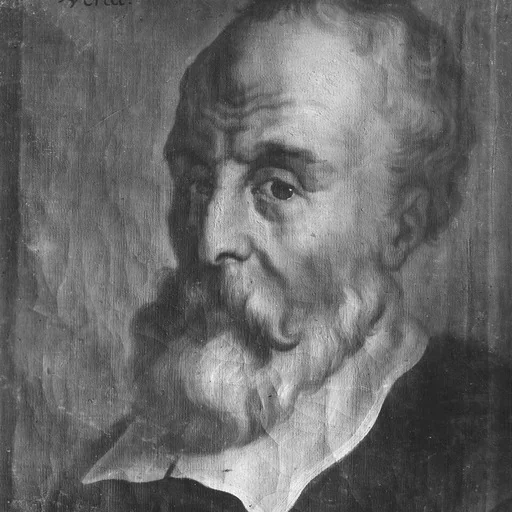
Paolo Caliari (1528 – 19 April 1588), known as Paolo Veronese ( VERR-ə-NAY-zay, -zee, US also -see; Italian: ), was an Italian Renaissance painter based in Venice, known for extremely large history paintings of…

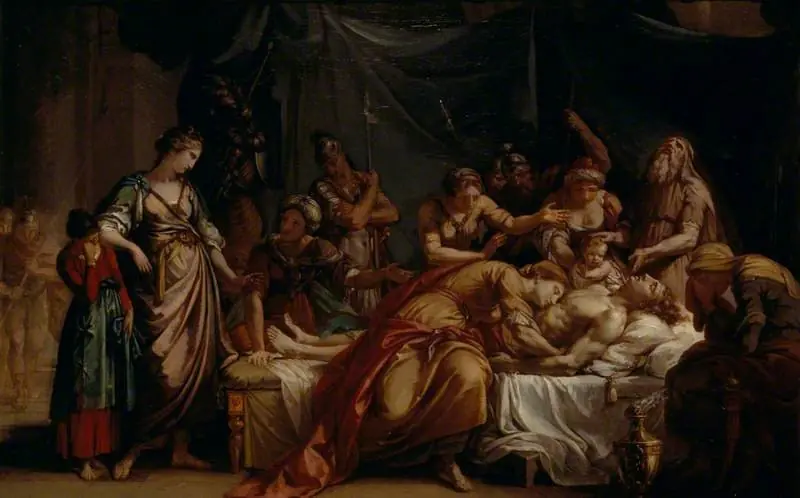 Andromache Bewailing the Death of Hector
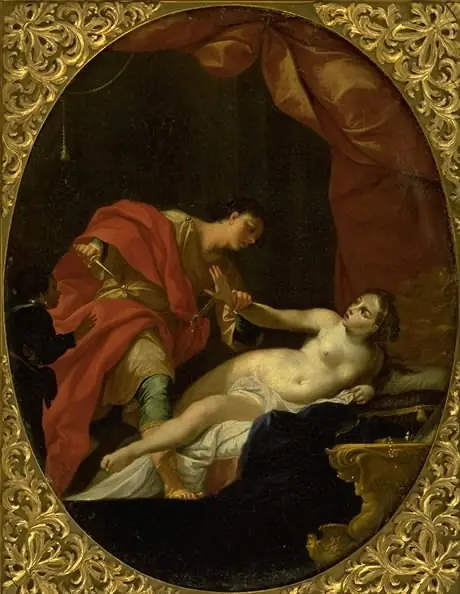 Tarquin Threatening Lucretia
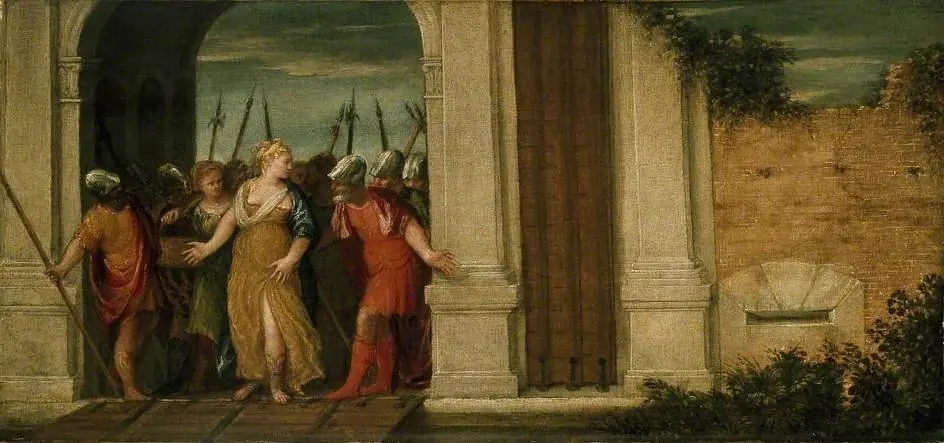 Judith leaving Bethulia
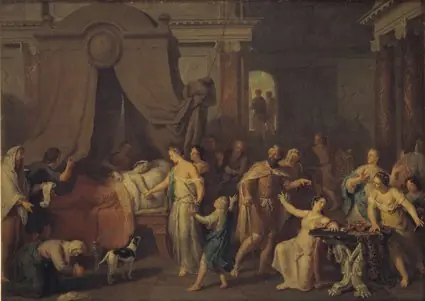 Alcestis and Admetus
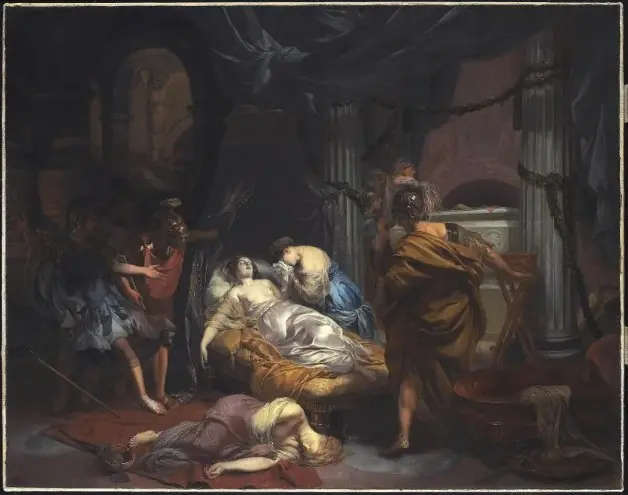 The Death of Cleopatra
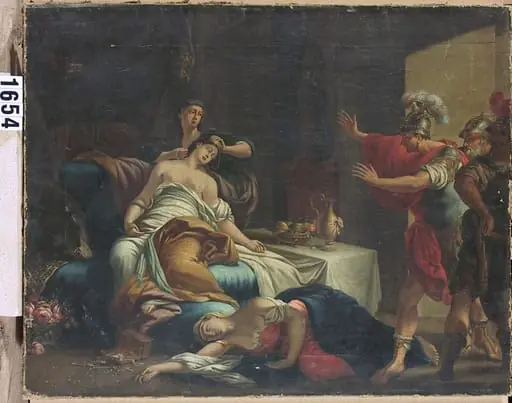 Moartea Cleopatrei
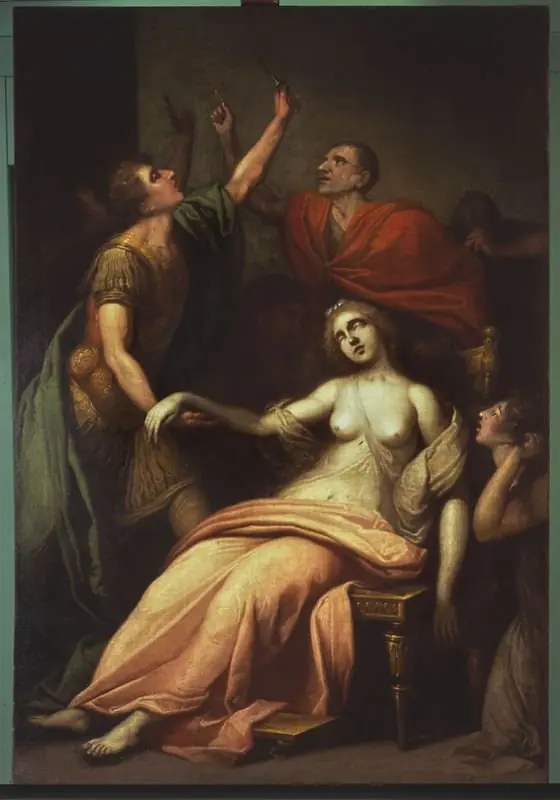 Death of Lucretia
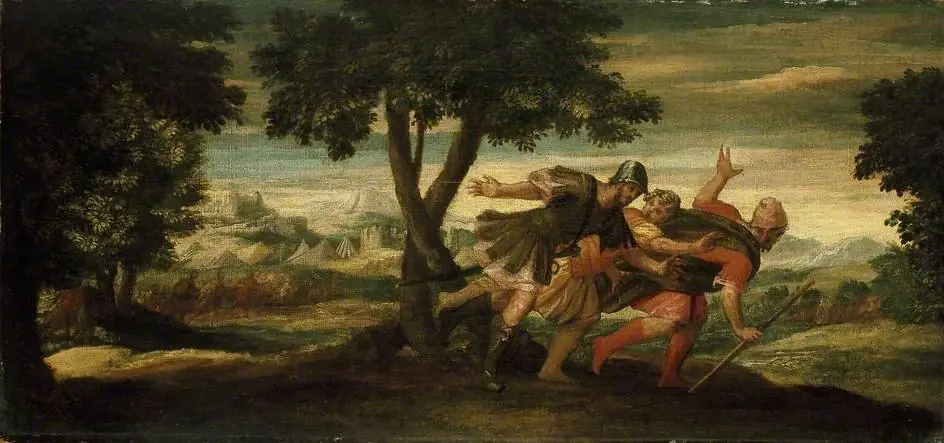 The Flight of Achior from the Camp of Holofernes
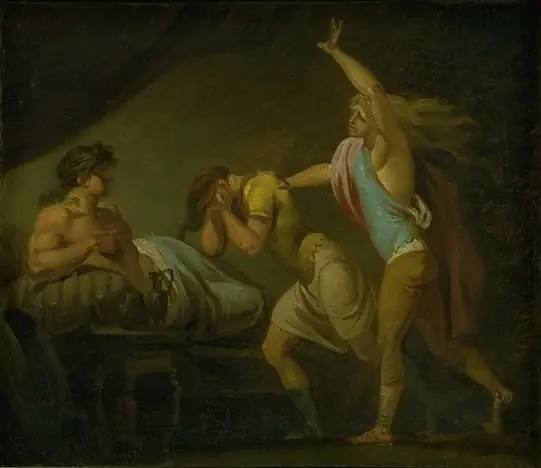 Two Young Men Confessing to Alexander the Great their Conspiracy against Him
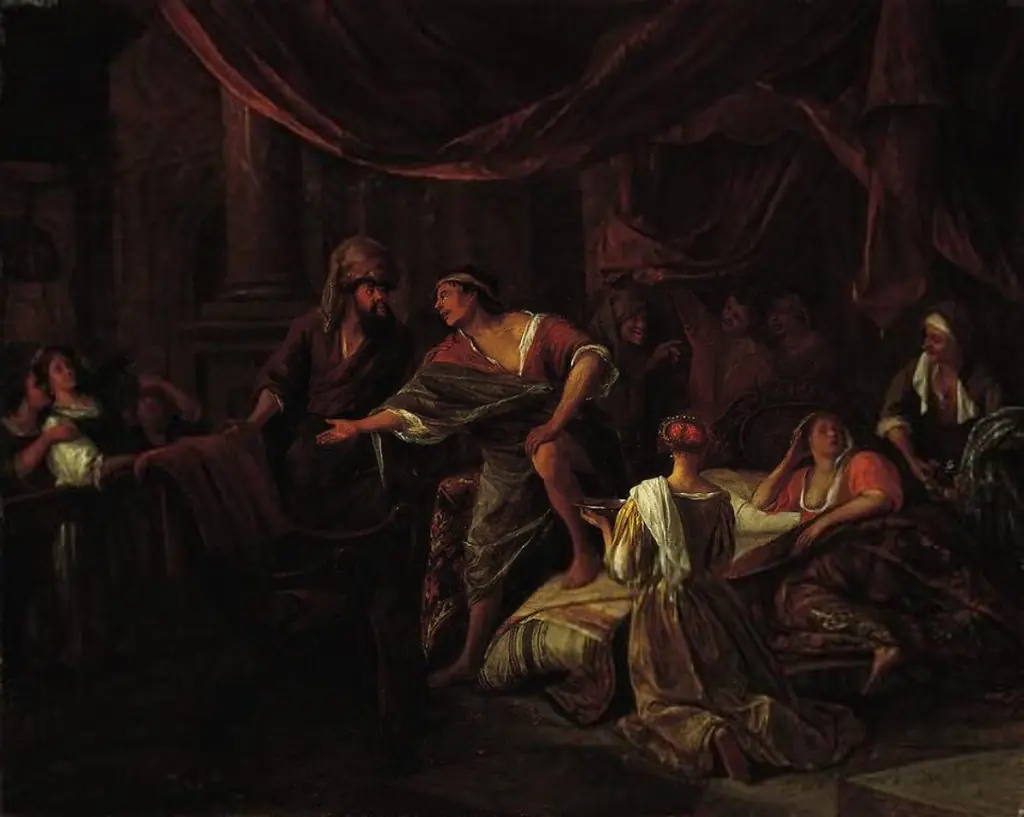 Jacob Confronting Laban
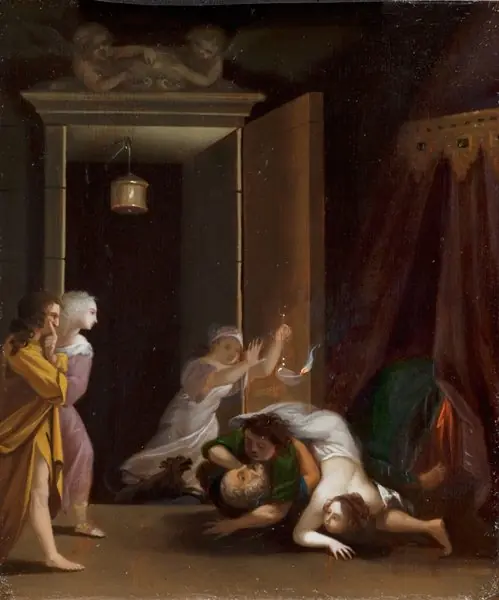 Paris and Helena Surprised by Menelaus
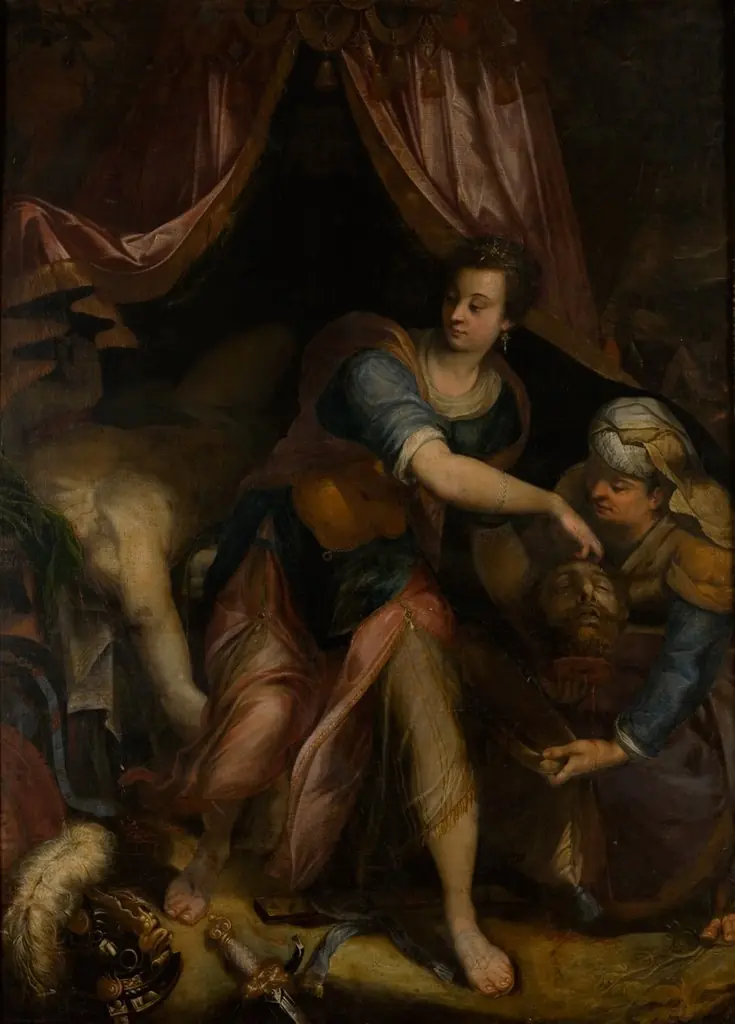 Judith with the Head of Holofernes