Artwork
Statue of Cupid in a Wall Niche
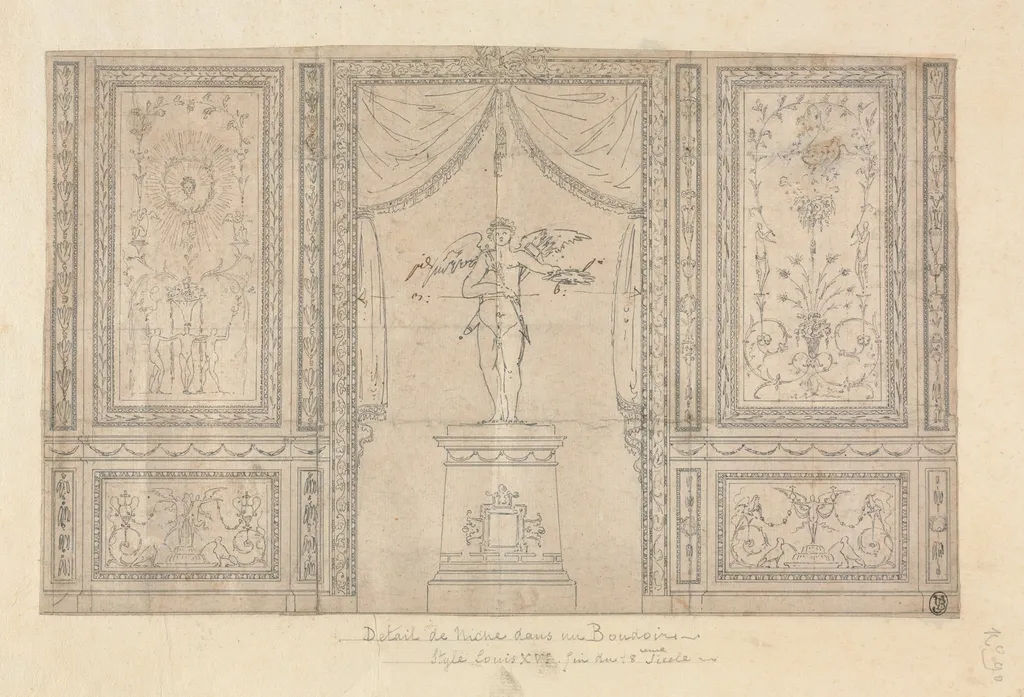
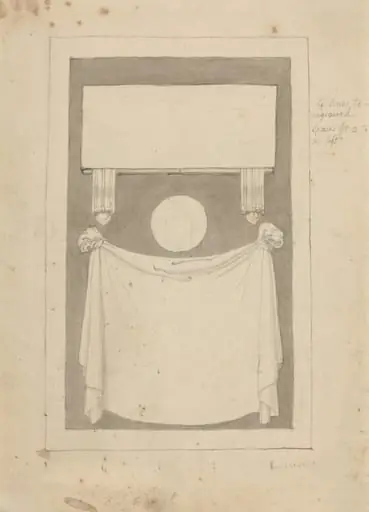
Statue of Cupid in a Wall Niche is a drawing by the Romanticist artist Paolo Vincenzo Bonomini. It dates from 1704 and is held in the collection of the Cleveland Museum of Art. This drawing, dated around 1704, depicts a sculpted figure of Cupid nestled within an architectural niche.
About this work
Overview
This drawing, dated around 1704, depicts a sculpted figure of Cupid nestled within an architectural niche. Attributed to Paolo Vincenzo Bonomini, it is not a painting but a work in graphic media, likely executed in ink or chalk. The piece resides in the collection of The Cleveland Museum of Art, where it is cataloged as a study or presentation drawing related to sculptural design.
Subject & Meaning
The figure of Cupid, the Roman god of desire, is rendered in a static, sculptural form rather than as a dynamic mythological scene. Positioned within a recessed niche, the image evokes classical antiquity and the Renaissance revival of idealized human forms. The choice of Cupid suggests themes of love and beauty, but the composition emphasizes formal presence over narrative action.
Technique & Style
Bonomini employed precise linear draftsmanship to define the contours of the figure and the architectural frame. The drawing’s tonal subtlety and controlled shading suggest an intent to mimic the effect of carved stone. The composition is symmetrical and restrained, reflecting academic conventions of the early 18th century that valued clarity and classical proportion.
History & Provenance
The drawing entered the Cleveland Museum of Art’s collection through documented acquisition, though its earlier ownership history prior to the 20th century remains unclear. It is not known whether it was made as a preparatory study for a sculpture, a standalone artistic exercise, or a gift to a patron. Its survival suggests it was valued as a refined example of draftsmanship.
Context
In early 18th-century Italy, artists often produced drawings to explore sculptural ideas or to present designs to patrons. Bonomini, active in Lombardy, worked within a tradition that bridged painting, sculpture, and architectural ornament. This drawing reflects the period’s interest in reviving classical motifs through disciplined, observational practice.
Legacy
The drawing serves as a testament to the continued relevance of classical iconography in Baroque-era artistic training. While Bonomini is not widely known today, works like this illustrate how minor artists contributed to the visual language of their time. It remains a quiet example of how mythological subjects were reinterpreted through the discipline of drawing.
Artist & collection

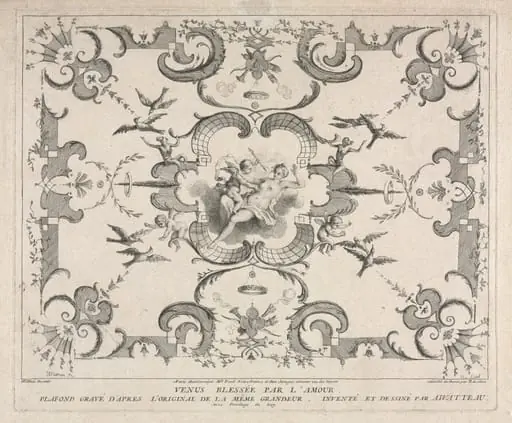 Venus Wounded by Cupid
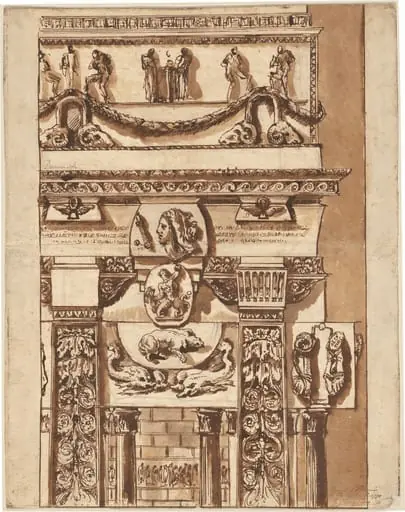 Fantasy of a Façade with Bizarre Ornaments
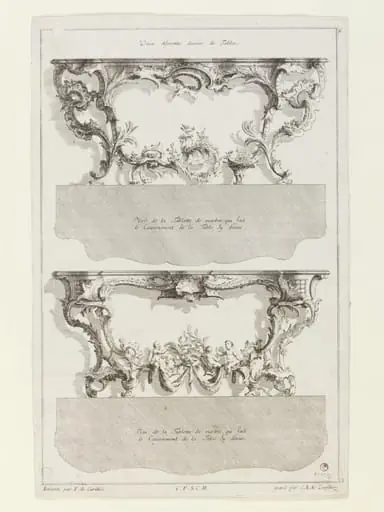 Ornament print showing a pair of console tables
 Design for an Altar
 Design for the Chimney Piece in the Throne Room, Buckingham Palace
 An Elaborate Altar of Colored Marble Ornamented with Sculptures
 Un Hebreo, from Christ Shown to the People (recto); Design for a Wall Decoration with Pasted-in Sketches after Raphael (verso)
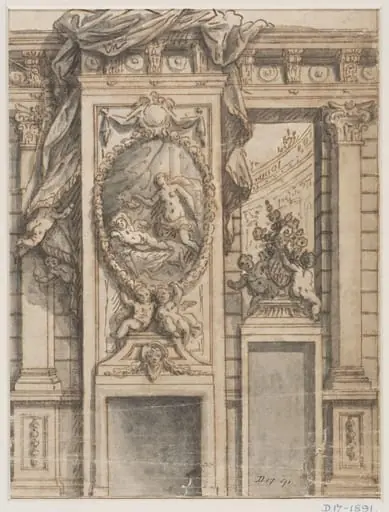 Design for wall decoration, possibly at Chatsworth, Derbyshire
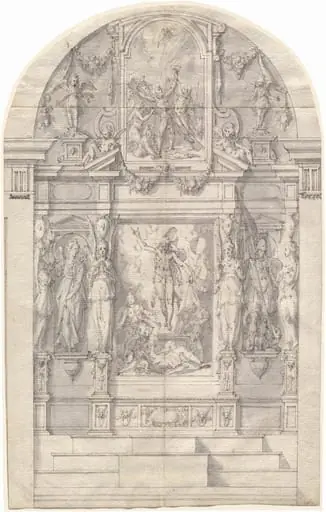 An Elaborate Altar with the Resurrection of Christ and the Martyrdom of Saint Andrew
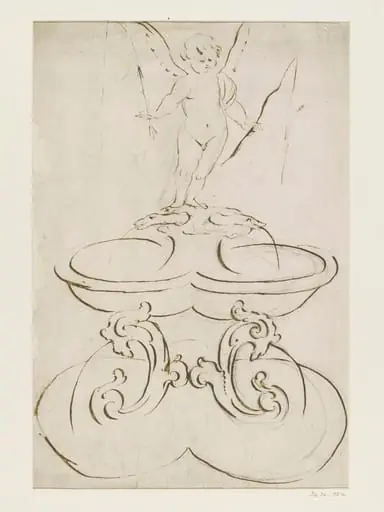 Drawing of a fountain
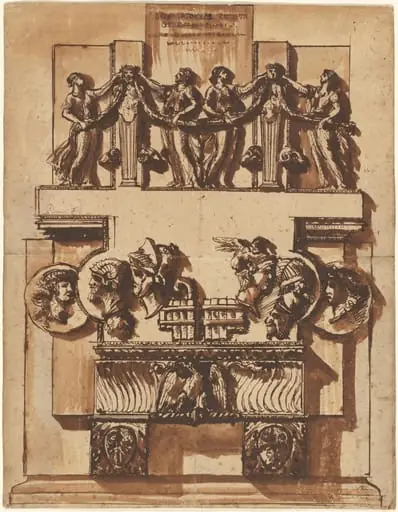 Fantasy of a Magnificent Wall Monument
 Three Inscription Fields