Artwork
Sculpture - Sarcophagus of Porphyry of S. Constantia, A.D. 350
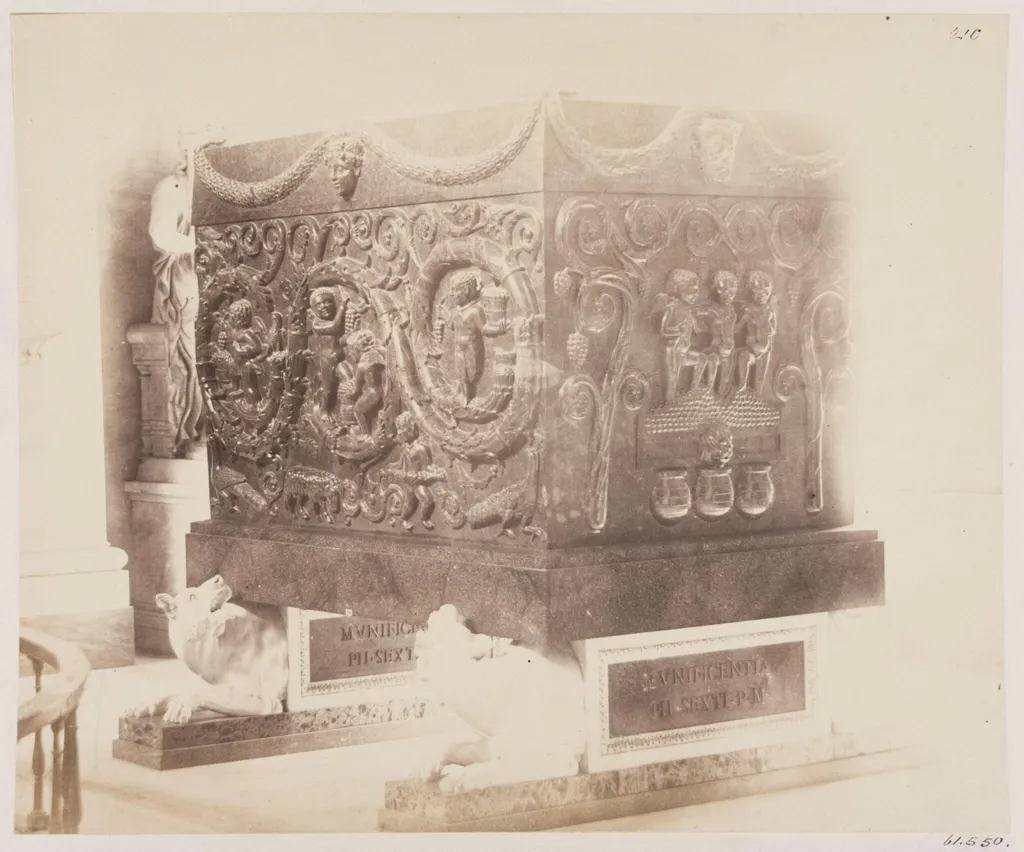
Sculpture - Sarcophagus of Porphyry of S. Constantia, A.D. 350 is a photographic photography by the Impressionist artist John Henry Parker. It dates from 1866 and is held in the collection of the Victoria and Albert Museum. The image depicts a fourth‑century porphyry sarcophagus that once held the remains of Saint Constantia.
About this work
Overview
The image depicts a fourth‑century porphyry sarcophagus that once held the remains of Saint Constantia. Carved in relief, the stone vessel presents mythological and funerary motifs on both sides, framed by lion sculptures and a Latin inscription. The photograph, taken in the 1860s, records the object's condition and display conventions of that period.
Subject & Meaning
The left panel shows a rider atop a fantastical beast, surrounded by subsidiary scenes, while the right panel features a chariot drawn by winged horses attended by standing figures. Such iconography blends Roman mythic imagery with early Christian funerary symbolism, reflecting the transitional religious landscape of the mid‑fourth century.
Technique & Style
Carved from deep‑red porphyry, the sarcophagus employs high relief to convey movement and narrative depth. The precision of the animal forms and the intricate detailing of the chariot attest to skilled stone‑working practices typical of imperial workshops that favored this prized, hard‑to‑quarry material for elite burials.
History & Provenance
The sarcophagus entered scholarly awareness through a massive photographic campaign directed by John Henry Parker between 1864 and 1879. Over 3,300 images of Roman monuments were produced, many appearing in Parker’s multi‑volume *Archaeology of Rome*. The Victoria and Albert Museum now conserves a substantial portion of the pre‑1870 photographs, preserving this visual record.
Context
Created around AD 350, the sarcophagus belongs to a period when Roman art increasingly incorporated Christian elements while retaining classical motifs. Its use of porphyry, a stone associated with imperial authority, underscores the high status of the individual interred and the continued prestige of traditional material choices in late antiquity.
Artist & collection
Artist
John Henry Parker liked to explore old churches in Rome. He'd photograph the sculptures and carvings he found. One thing that stands out is his attention to detail - he'd capture tiny parts of bigger pieces, like the…

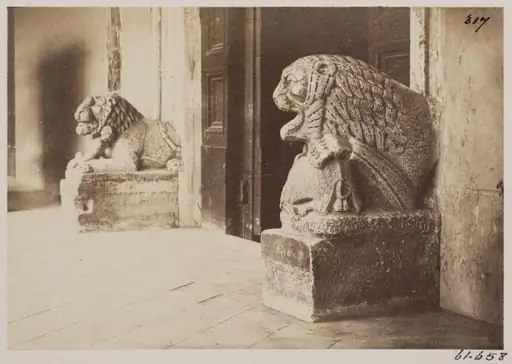 Sculptures - Lions at the Door of the Church of S. Lorenzo
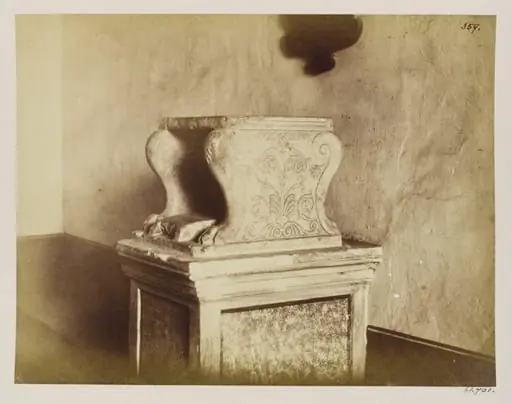 Sculptures - Marble Seat of S. Gregory in the Church of S. Stefano Rotondo, with Shallow Carving, c. A.D. 590.
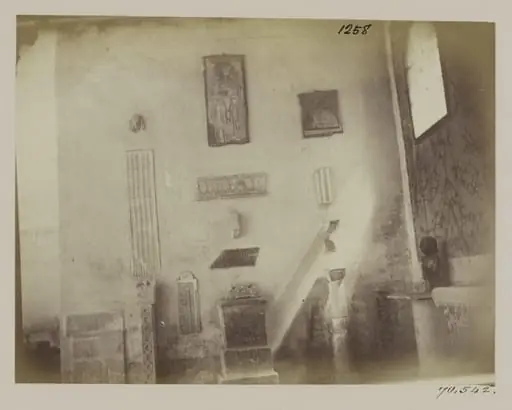 Church of S. Giorgio in Velabro - Fragments of marble sculpture, Tombs, &c., from the old Church, built into the wall.
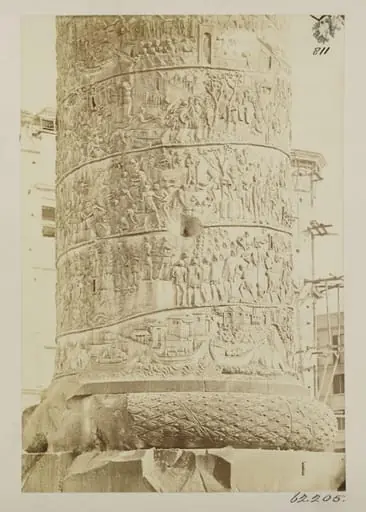 Sculptures - Details of Sculpture from Trajan's Column.
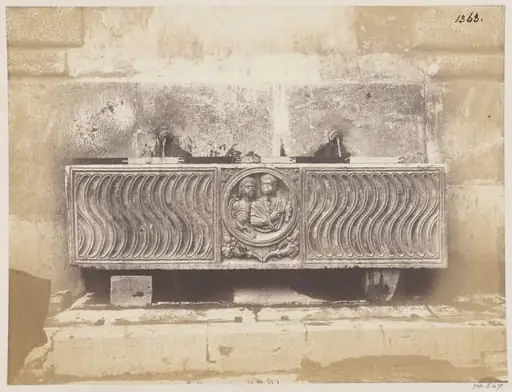 Sculpture - Sarcophagus of the fourth century made into a fountain, near the Church of S. Maria, in the Piazza del Popolo
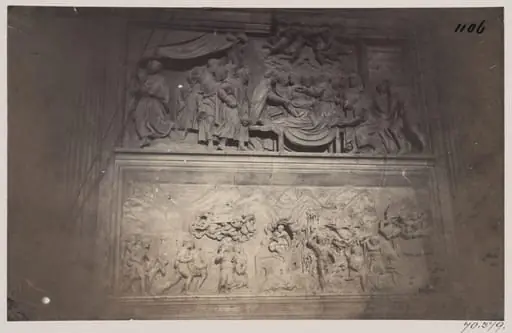 Out of Rome - House of the Blessed Virgin at Loreto. Sculpture of the Santissima Casa carried by Angels, A.D. 1520
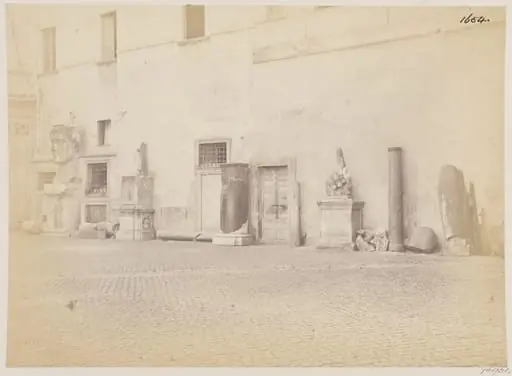 Sculpture - View on the left side of the Court-yard of the Palazzo de' Conservatori on the Capitol, shewing fragments of colossal Statues
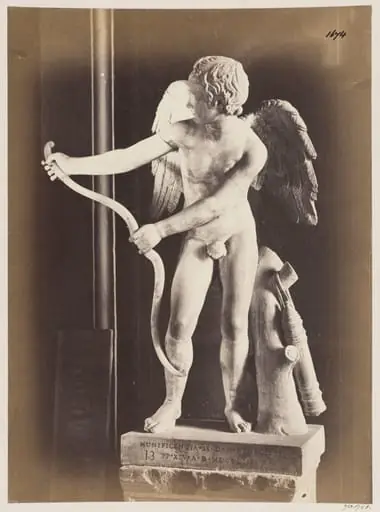 Sculpture - Statue of Cupid with his bow, in the Capitoline Museum.
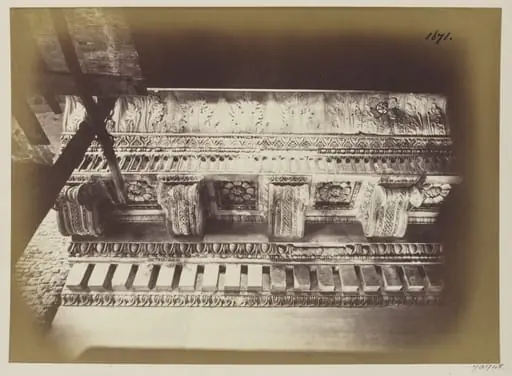 Sculpture - Architectural Details - Cornice of the Temple of Concord on the Clivus Capitolinus, now in the Tabularium.
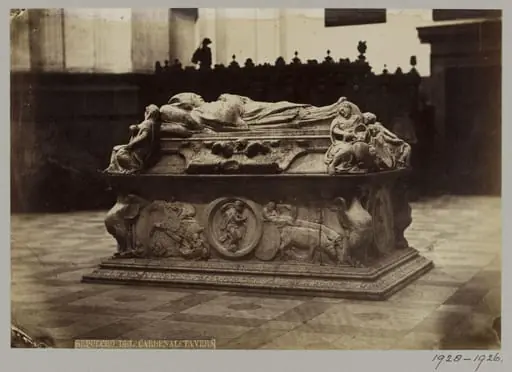 Tomb of Cardinal Tavera in the Hospital de Tavera in Toledo
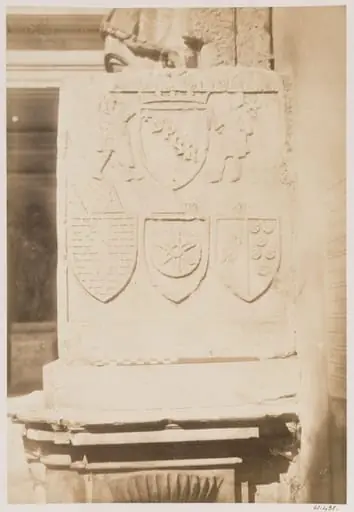 Sculpture - Arms of the Roman Senate from the Tomb of Agrippina, now in the Palazzo de' Conservatori on the Capitol
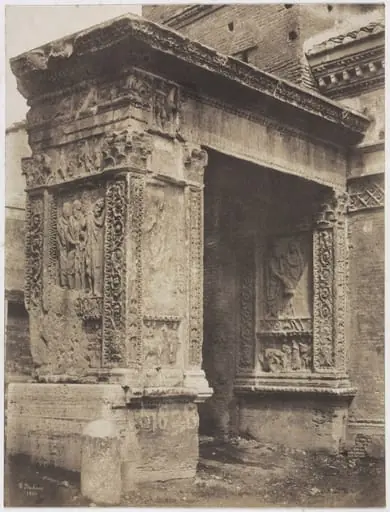 Goldsmith's Arch, Rome
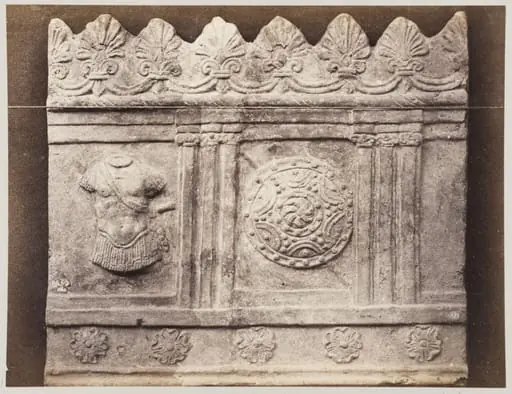 Bas-relief portion of a frieze of with trophies in terra cotta
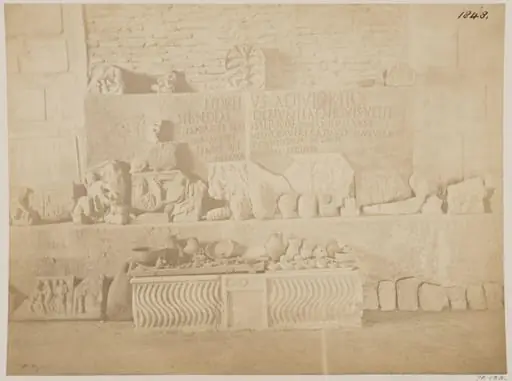 Ostia - View in the Museum
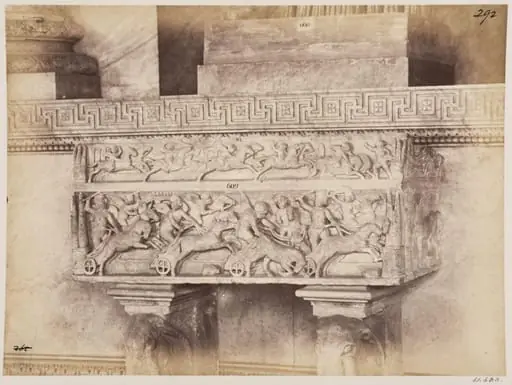 Sculpture - Chariot-race and horse-race, on a Sarcophagus (now in the Vatican Museum)