Artwork
A Bacchanale with Egyptian and Classical Figures
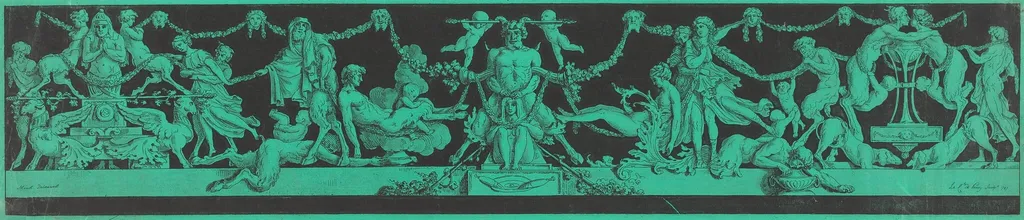
A Bacchanale with Egyptian and Classical Figures is an ink print by the Romanticist artist Jean-Philippe-Guy le Gentil Paroy Comte de. It dates from 1787 and is held in the collection of the National Gallery of Art.
About this work
Overview
Created in 1787, *A Bacchanale with Egyptian and Classical Figures* is a print that combines etching, aquatint, and roulette on green‑prepared laid paper.
Created in 1787, *A Bacchanale with Egyptian and Classical Figures* is a print that combines etching, aquatint, and roulette on green‑prepared laid paper. The composition depicts a densely populated revelry where nude and costumed figures intermingle with animals such as horses and lions. Set against a dark backdrop, the characters are rendered in luminous green‑blue tones, giving the scene a frenetic, illuminated quality.
Subject & Meaning
The work presents a chaotic celebration that fuses motifs from ancient Egypt and classical antiquity. Naked revelers, crowned participants, and mythic beasts are tangled in dance, combat, and repose, suggesting a universal festival of excess. By juxtaposing Egyptian and Greco‑Roman elements, the artist evokes a timeless, cross‑cultural bacchanal that blurs the boundaries between civilization and wildness.
Technique & Style
The print employs fine etched lines to model shadows and textures, while aquatint provides broad washes of green‑blue that illuminate the figures. A roulette tool adds stippled tones, enhancing depth and atmosphere. The combination of these printmaking processes creates a layered surface where intricate detail coexists with atmospheric color, emphasizing both the vigor of the crowd and the overall sense of disorder.
History & Provenance
Attributed to the French printmaker Paroy Comte de and Jean‑Philippe‑Guy le Gentil, the piece emerged during the late eighteenth‑century fascination with exotic and classical themes. Though specific ownership records are scarce, the work reflects the period’s taste for hybrid mythological scenes and likely circulated among collectors interested in the burgeoning market for prints that blended scholarly antiquity with contemporary imagination.
Artist & collection

Artist
Jean-Philippe-Guy le Gentil Paroy Comte de
Jean-Philippe-Guy le Gentil Paroy Comte de (1787–1787) was an artist.

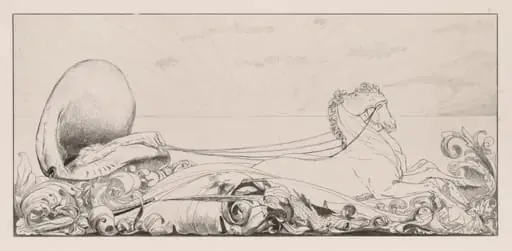 A Glove: Triumph
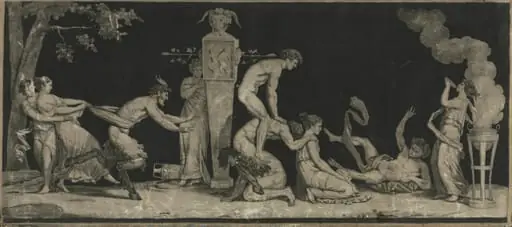 Bacchanal, the Game of Leap Frog
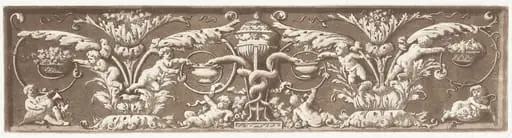 Ornamental Frieze
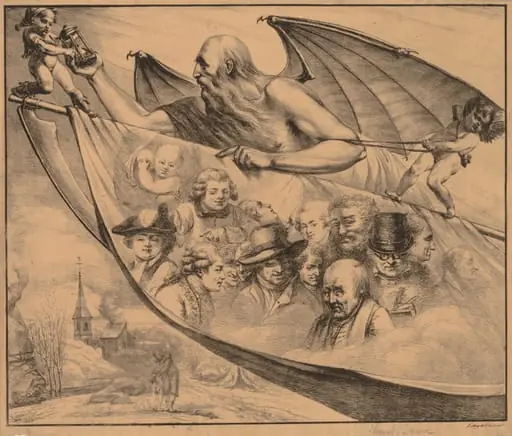 Allegory: Portraits of the Artist at Different Ages
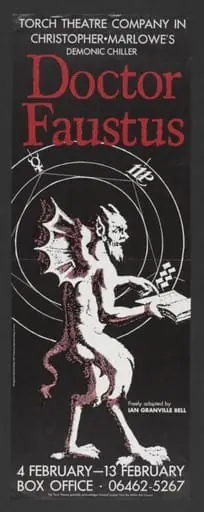 Poster
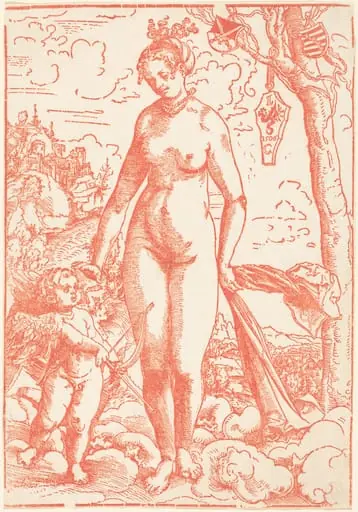 Venus and Cupid
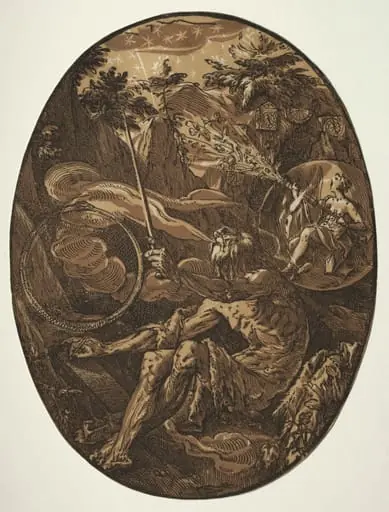 The Deities: Demogorgon in the Cave of Eternity
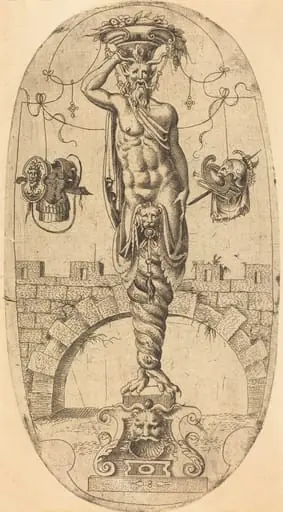 Satyr with Twisted Legs
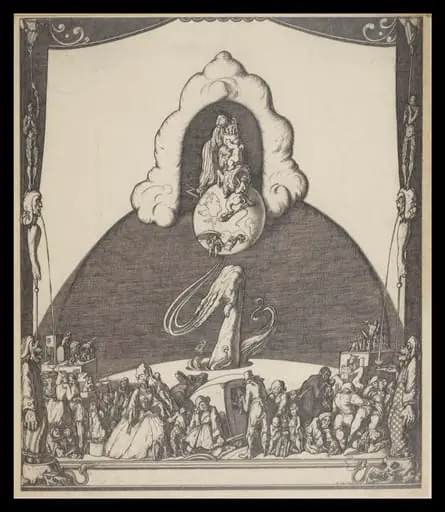 Untitled
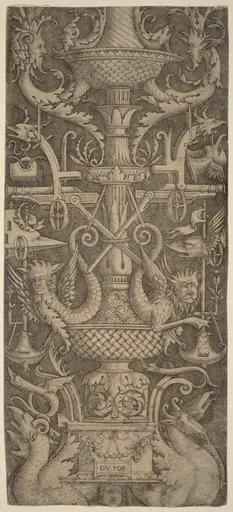 Ornament Panel with Dragons, Masks, and Instruments of War
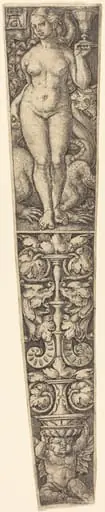 Dagger Sheath with the Whore of Babylon
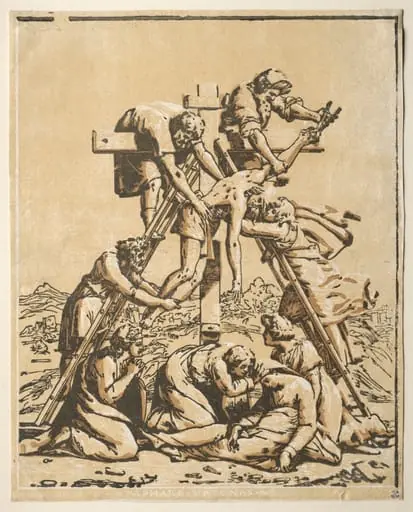 Descent from the Cross