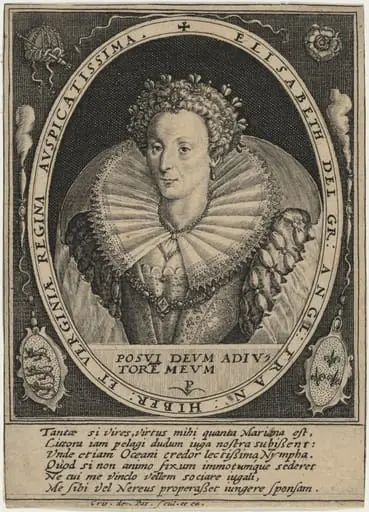
Artwork
Elizabeth, Queen of England
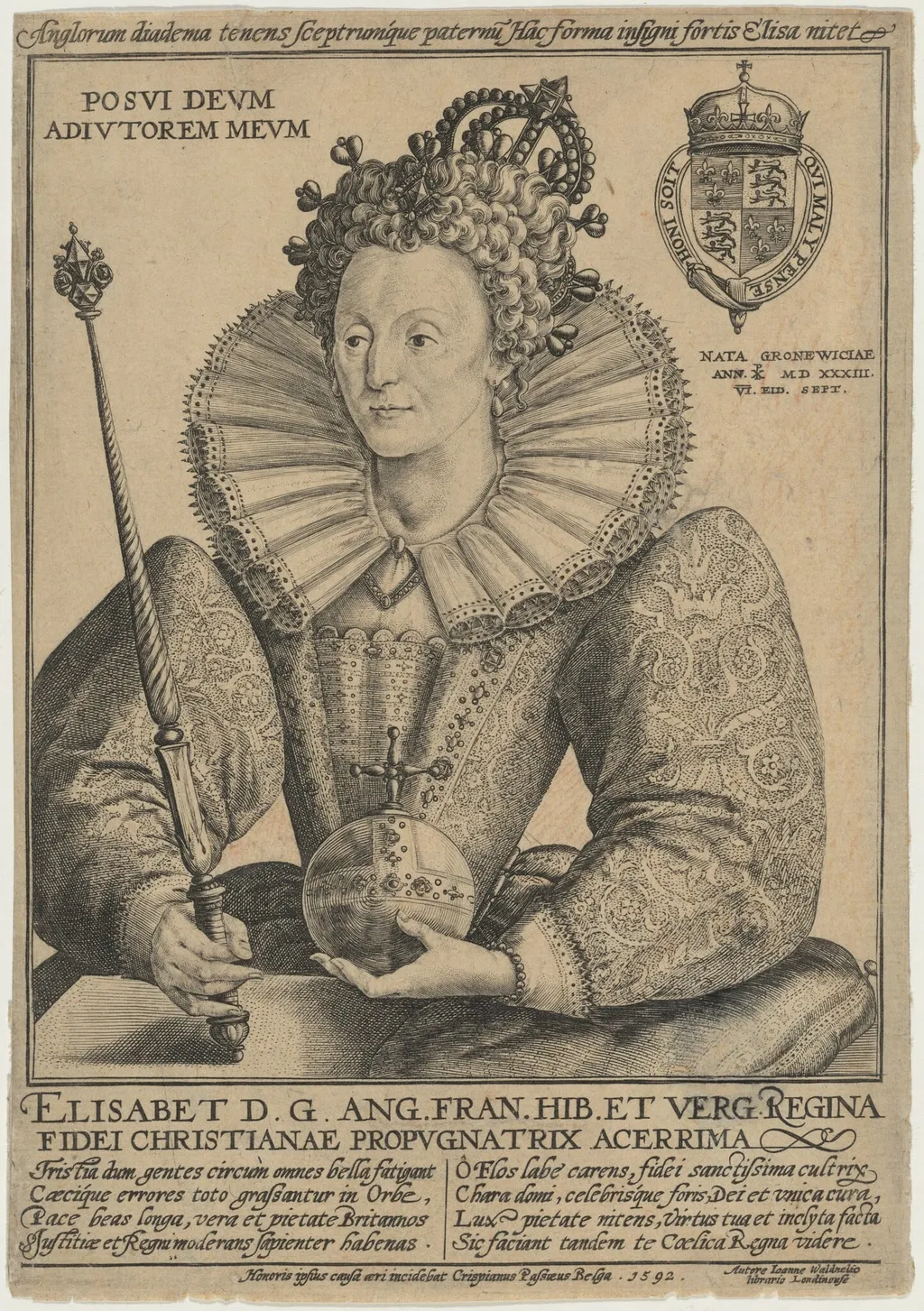
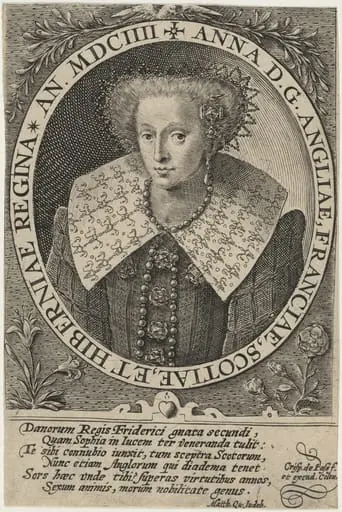
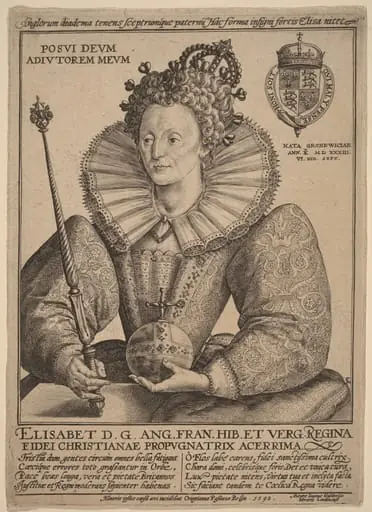
Elizabeth, Queen of England is an ink print by the Renaissance artist Crispijn van de Passe I. It dates from 1601 and is held in the collection of the National Gallery of Art.
About this work
Overview
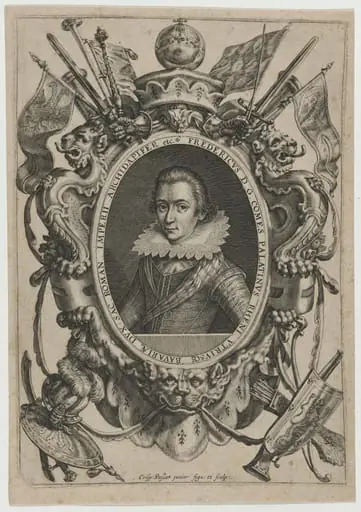
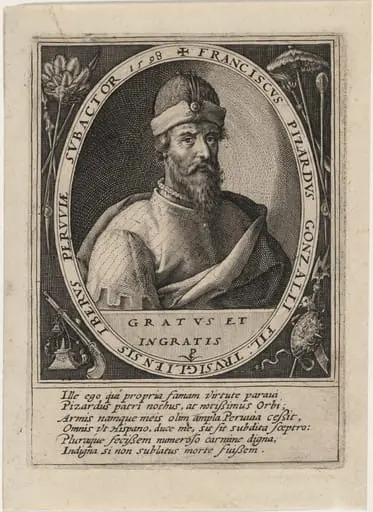
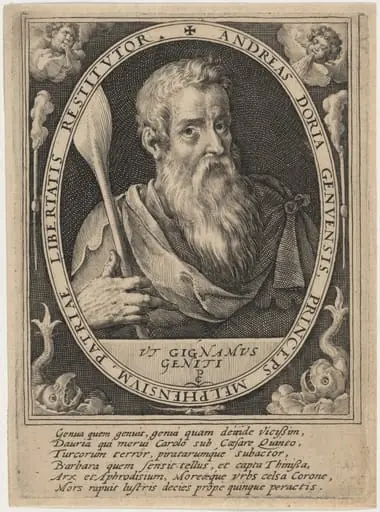
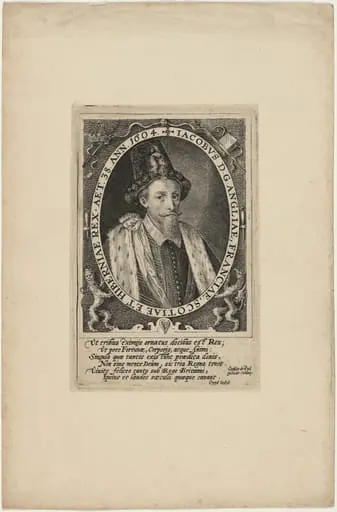
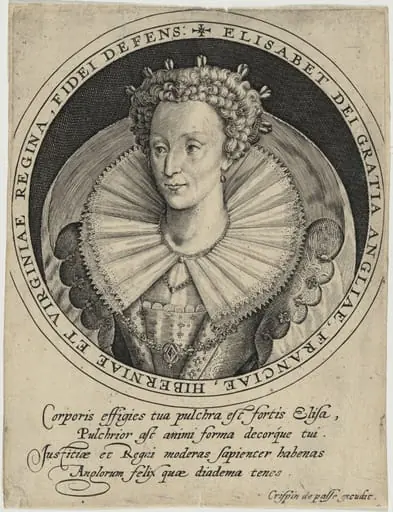
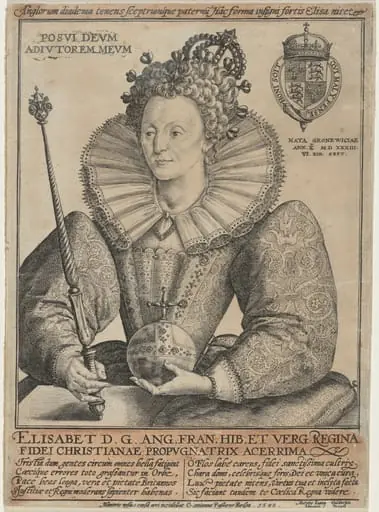
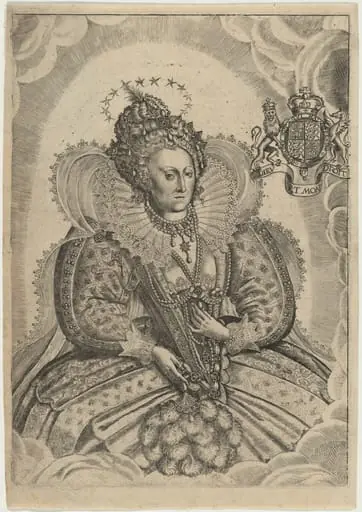
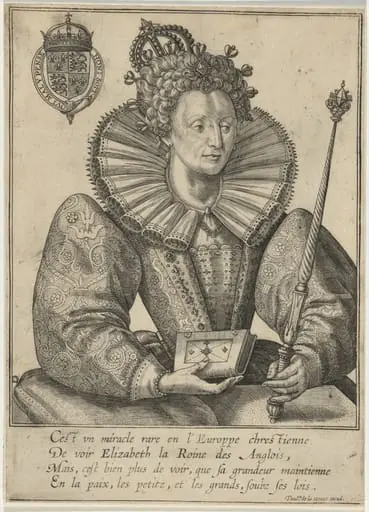
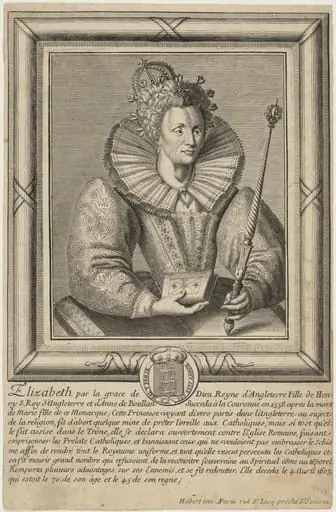
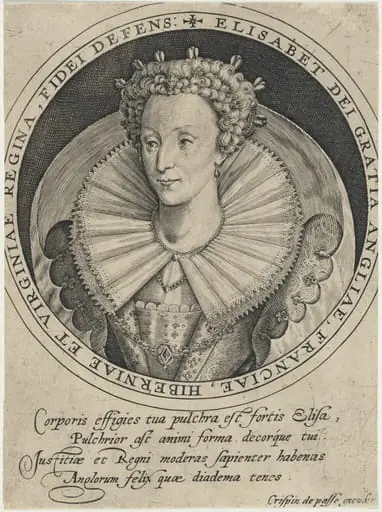
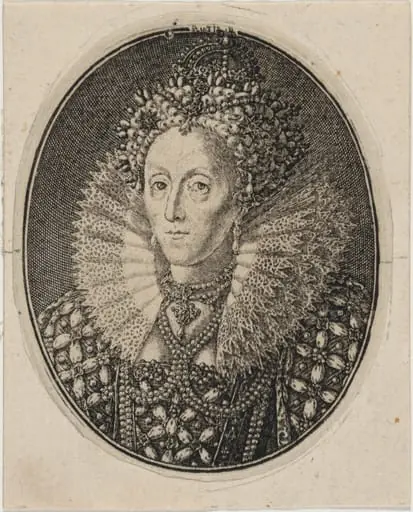
This 1601 engraving by Crispijn van de Passe I depicts Elizabeth I of England in formal regalia. Rendered in monochrome, the portrait follows the conventions of royal portraiture of the period, emphasizing authority through symbolic objects and precise linework. The composition is centered and frontal, with minimal background detail to focus attention on the figure and her insignia.
Subject & Meaning
Elizabeth is shown wearing a high ruff collar, a crown, and holding a scepter and globe—traditional emblems of sovereignty and global dominion.
Elizabeth is shown wearing a high ruff collar, a crown, and holding a scepter and globe—traditional emblems of sovereignty and global dominion. Her direct gaze and composed expression convey stability and command. The Latin inscriptions reinforce her legitimacy and intellectual authority, while the inclusion of the royal coat of arms anchors her identity within the institutional power of the English monarchy.
Technique & Style
Van de Passe employed fine, controlled lines typical of Northern European engraving to render texture in fabric, lace, and metal. The absence of color heightens the graphic clarity of the image, allowing intricate details like the crown’s filigree and the globe’s cartography to stand out. The flat background and symmetrical framing reflect the formal, idealized style favored in official portraiture of the era.
History & Provenance
Created in 1601, the engraving was produced during the final decade of Elizabeth’s reign, likely for distribution among European courts and elites. As a reproductive print, it served to circulate her image beyond the reach of painted portraits. Van de Passe, a Dutch artist working in the Netherlands, was known for his precise engravings of European royalty, making this piece part of a broader transnational visual diplomacy.
Context
In early 17th-century Europe, engraved portraits of monarchs were tools of political messaging. Elizabeth’s image, widely disseminated through prints, helped solidify her public persona as the Virgin Queen and defender of Protestantism. The Latin text and heraldic symbols catered to educated audiences, aligning her rule with classical and Christian ideals of governance.
Legacy
This engraving contributed to the enduring visual language of English monarchy, influencing later depictions of sovereigns. Its clarity and symbolism made it a reference for subsequent artists and printmakers. As one of many reproductive images of Elizabeth, it played a role in shaping her posthumous reputation as a figure of enduring authority and composure.
Artist & collection

Artist
Crispijn van de Passe I (1564–1637) was an artist, born in Arnemuiden.