Artwork
Ernest of Austria, Archduke, Governor of the Spanish Netherlands
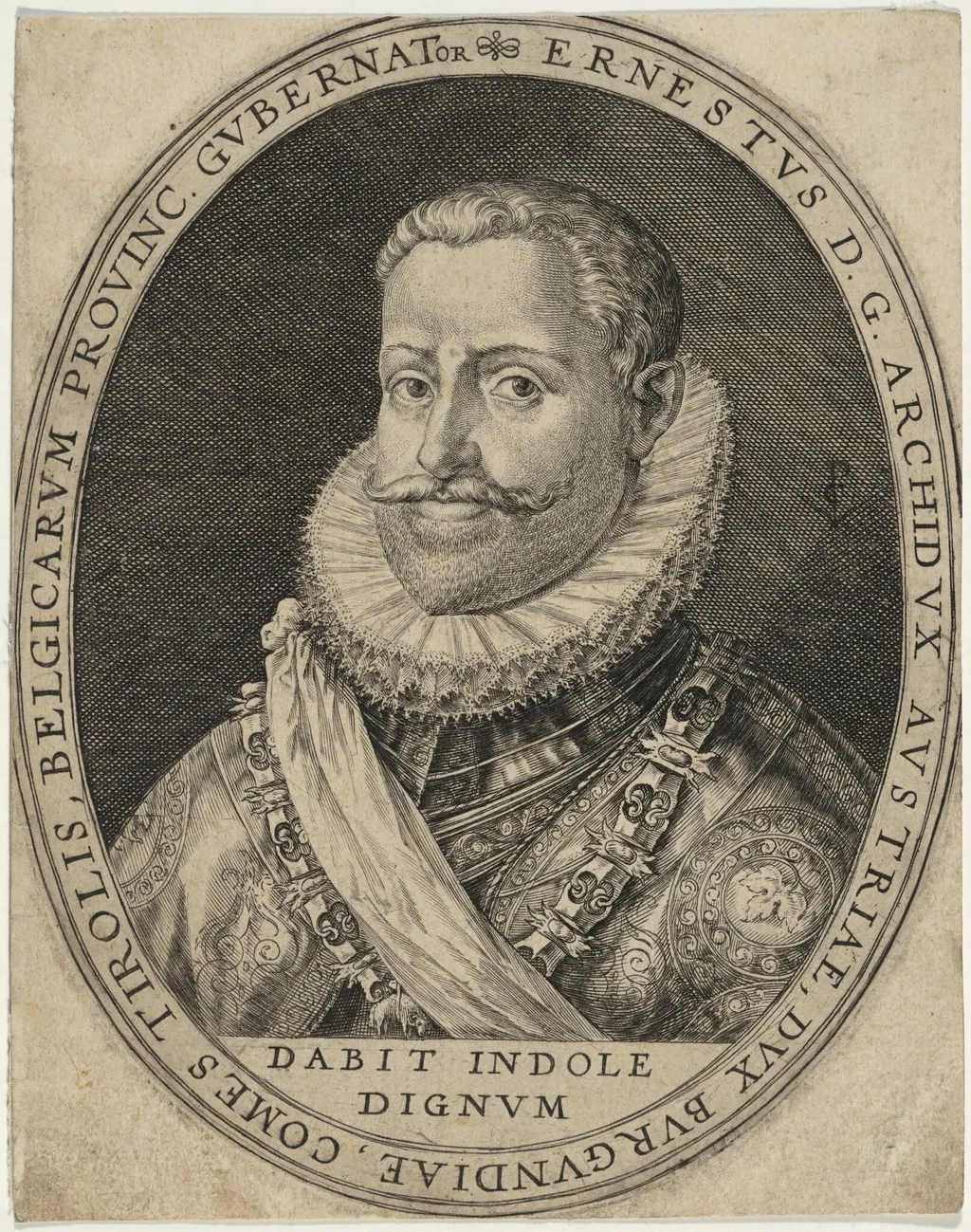
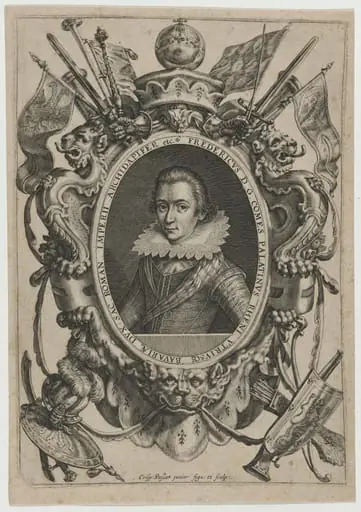
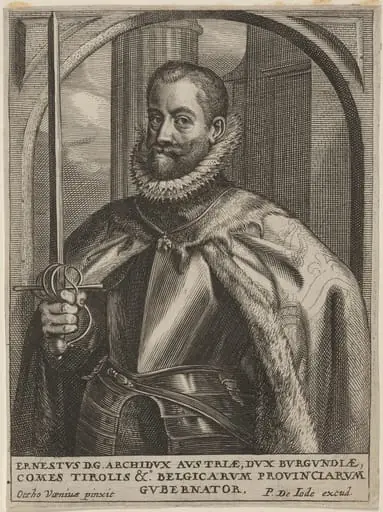
Ernest of Austria, Archduke, Governor of the Spanish Netherlands is an ink print by the Renaissance artist Crispijn van de Passe I. It dates from 1601 and is held in the collection of the National Gallery of Art.
About this work
Overview
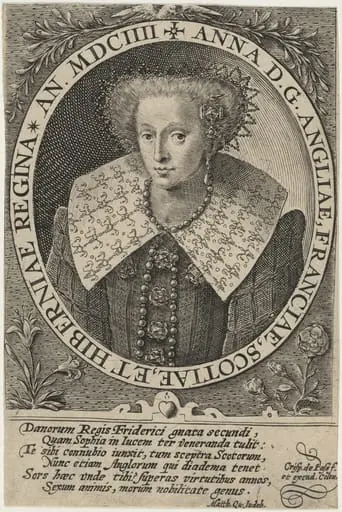
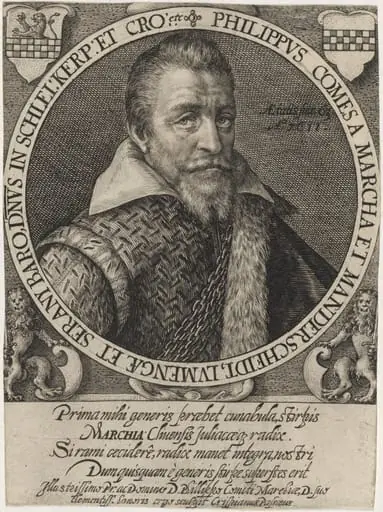
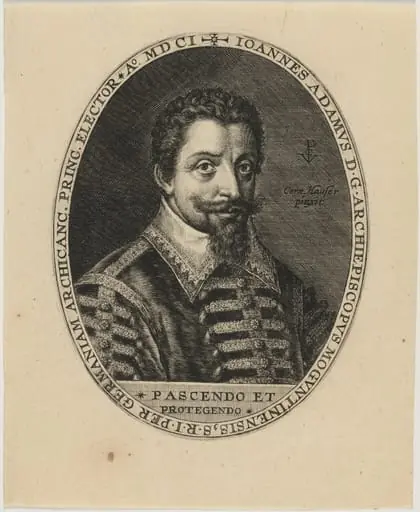
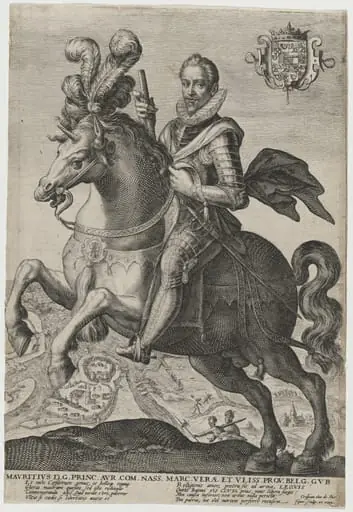
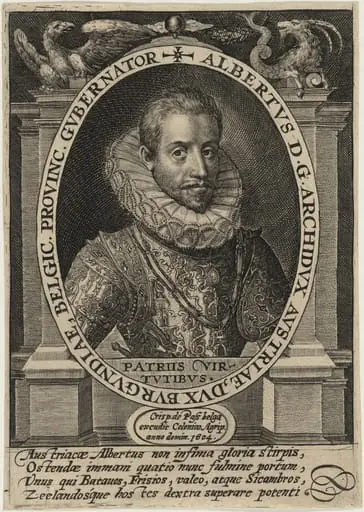
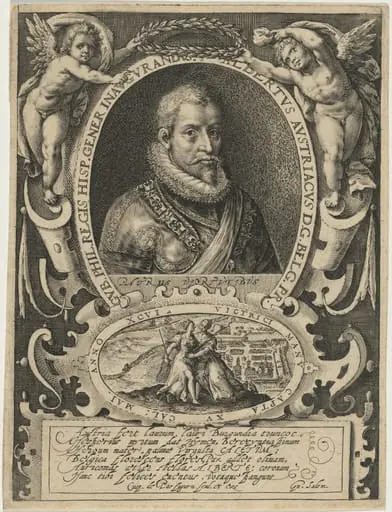
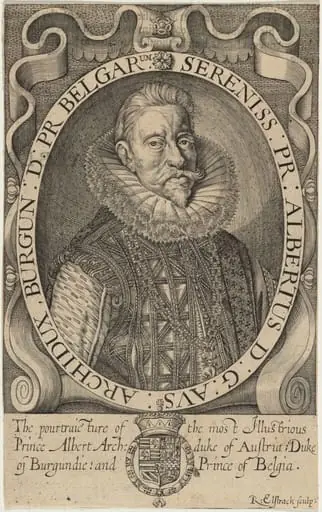
Crispijn van de Passe I produced an engraved portrait in 1601 of Ernest of Austria, who served as Archduke and Governor of the Spanish Netherlands. The print presents the dignitary in a formal pose, his features rendered with fine lines against a darkened backdrop that isolates the figure.
Subject & Meaning
The sitter, Ernest of Austria, is depicted with a neatly trimmed mustache and short hair, dressed in elaborate court attire that includes lace trim and metallic embellishments. The sumptuous clothing underscores his high rank and the political authority he exercised in the Low Countries during the early seventeenth century.
Technique & Style
Van de Passe employed the traditional engraving method, incising the image onto a copper plate with a burin. Through dense cross‑hatching, he achieved tonal variation and depth, allowing the folds of fabric and the sheen of metal to suggest texture and volume within the limited monochrome palette.
History & Provenance
Created in the early years of van de Passe’s prolific career, the print was likely issued as part of a series of portrait engravings circulated among the aristocracy and court officials. Surviving copies have appeared in several European collections, reflecting the work’s distribution through the print market of the period.
Context
The portrait emerges from a time when the Spanish Habsburgs governed the Netherlands, and visual representations of their officials served both propagandistic and commemorative purposes. Engravings such as this functioned as portable symbols of loyalty and prestige, reinforcing the governor’s presence across distant territories.
Legacy
Crispijn van de Passe I’s portrait of Ernest of Austria exemplifies the high level of craftsmanship achieved in Northern European printmaking at the turn of the seventeenth century. The work continues to inform scholars about courtly dress, political iconography, and the technical standards of early modern engraving.
Artist & collection

Artist
Crispijn van de Passe I (1564–1637) was an artist, born in Arnemuiden.