Artwork
Henry Frederick, Prince of Wales
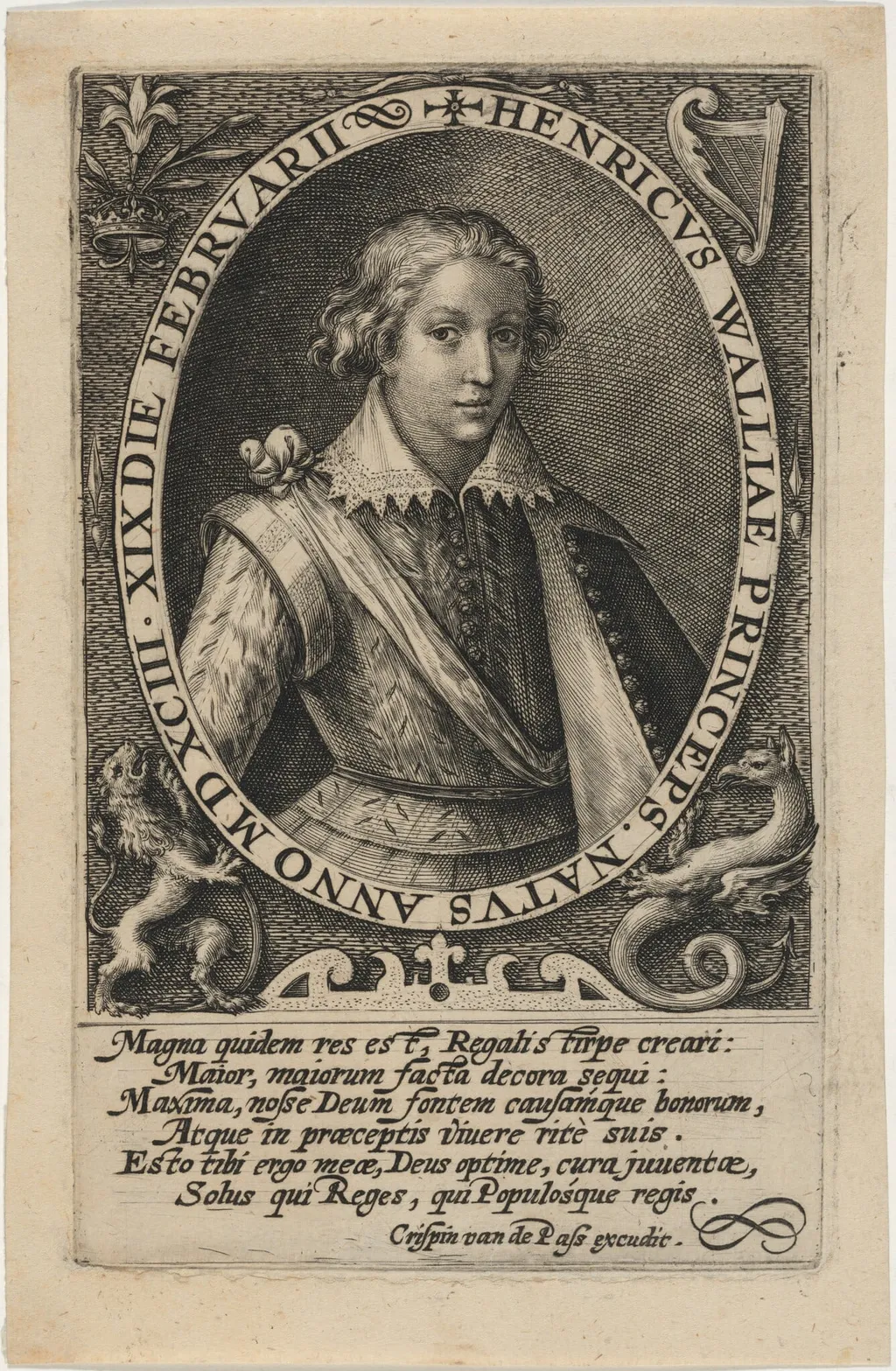
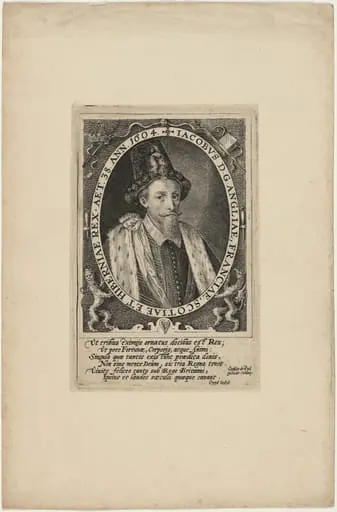
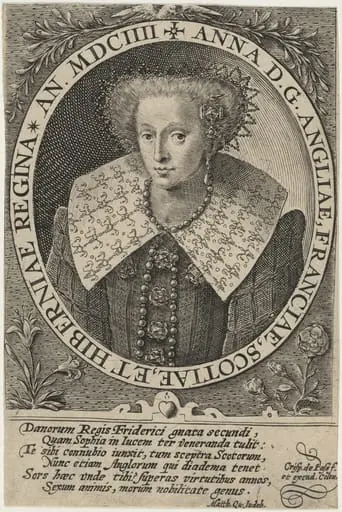
Henry Frederick, Prince of Wales is an ink print by the Baroque artist Crispijn van de Passe I. It dates from 1604 and is held in the collection of the National Gallery of Art.
About this work
Overview
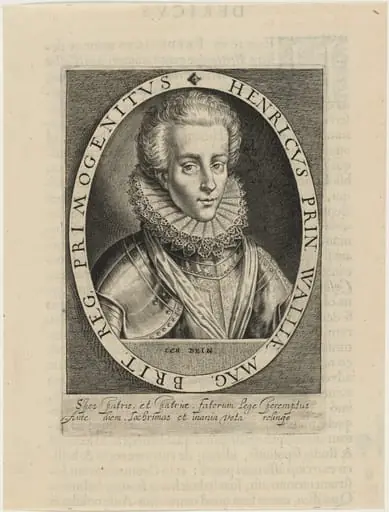
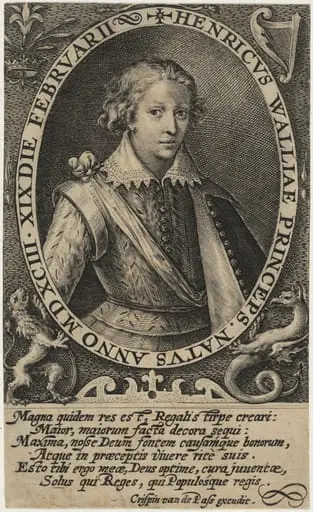
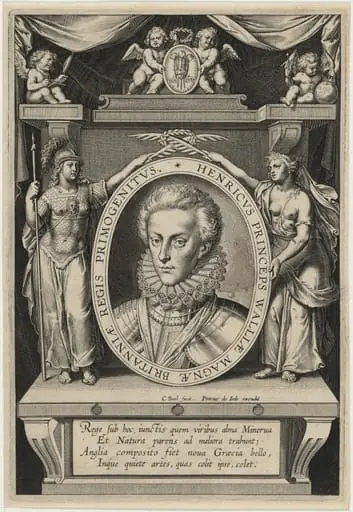
Crispijn van de Passe I produced this engraved portrait of Henry Frederick, Prince of Wales, in 1604. Executed as a print, the image presents the young heir in formal attire, set against a dark, oval-shaped background framed by an ornamental border that includes textual elements. The work exemplifies early‑17th‑century portraiture intended for circulation among courtly and public audiences.
Subject & Meaning
The sitter is Henry Frederick, the eldest son of King James I, depicted with a solemn expression and direct gaze that convey his status as a future monarch. His clothing—a lace‑trimmed collar, dark doublet with front buttons, and a light sash—signals his noble rank and the fashion of the English court at the time, while the dignified pose underscores his political significance.
Technique & Style
Van de Passe employed fine cross‑hatching to render the texture of hair, fabric folds, and the chiaroscuro of the background, creating a sense of depth within the limited tonal range of engraving. The intricate border surrounding the oval frame incorporates decorative motifs and inscription, a common feature in prints meant to identify the subject and the artist, enhancing both visual interest and informational content.
History & Provenance
Created shortly after Henry Frederick’s death in 1612, the print served as a commemorative image circulated among supporters of the Stuart dynasty.
Created shortly after Henry Frederick’s death in 1612, the print served as a commemorative image circulated among supporters of the Stuart dynasty. Copies of the engraving were distributed in England and the Low Countries, reflecting van de Passe’s transnational workshop network. Surviving impressions are held in several European museum collections, attesting to the work’s continued relevance as a documentary portrait of an early modern prince.
Artist & collection

Artist
Crispijn van de Passe I (1564–1637) was an artist, born in Arnemuiden.