Artwork
Henry Frederick, Prince of Wales
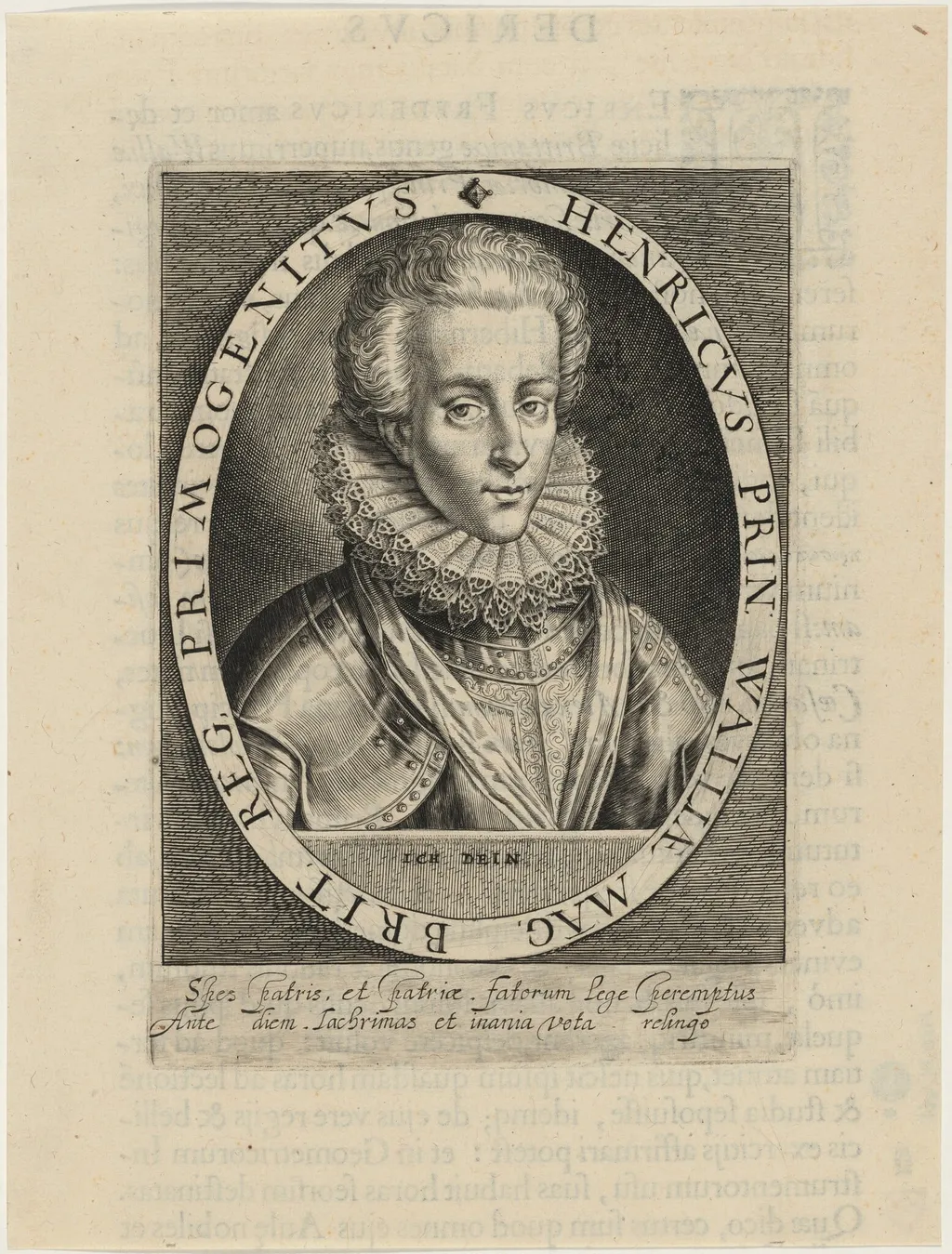
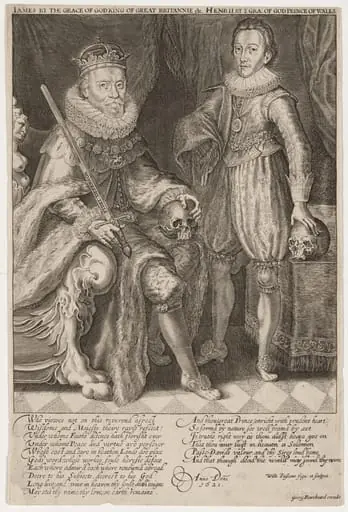
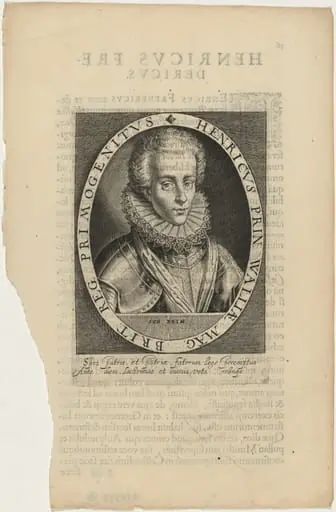
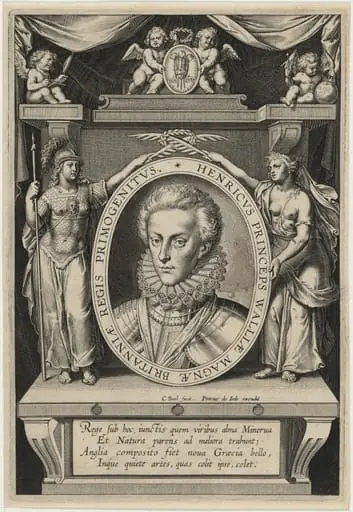
Henry Frederick, Prince of Wales is an ink print by the Baroque artist Willem de Passe. It dates from 1620 and is held in the collection of the National Gallery of Art.
About this work
If you're interested in learning more about the Baroque movement, which this portrait is a part of, you can explore more artworks from that time period.
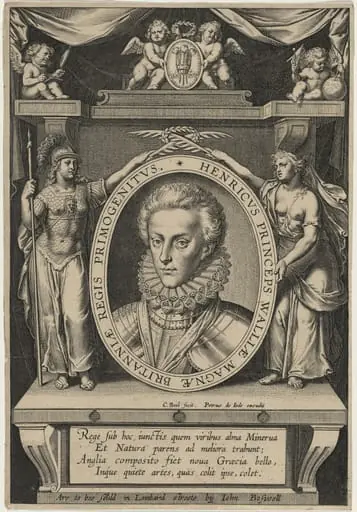
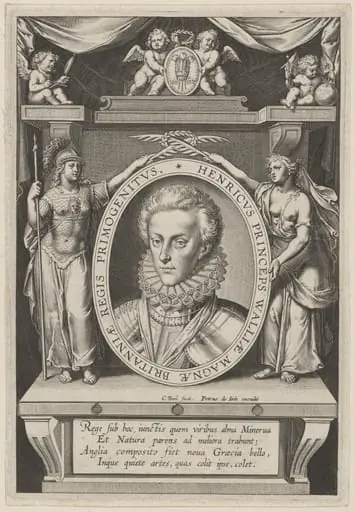
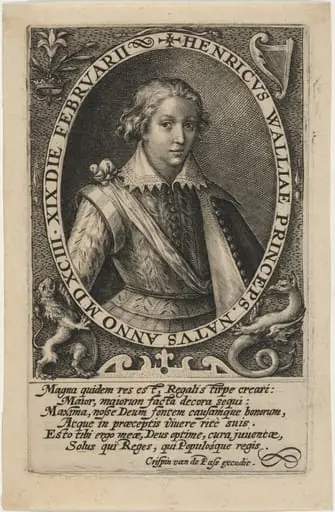
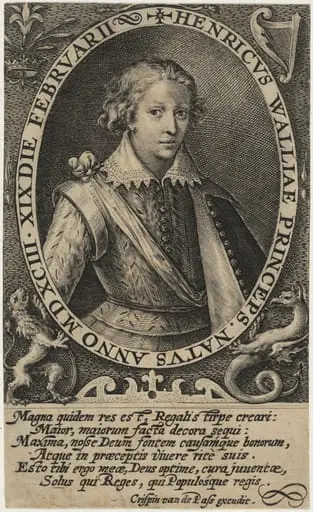
This portrait shows a man with a ruffled collar and ornate clothing, likely from the 17th century. He has curly hair and is looking directly at the viewer.
The engraving technique is evident in the cross-hatching that creates shading and texture on the subject's face and clothing. The level of detail in the engraving suggests a high level of skill and craftsmanship.
If you're interested in learning more about the Baroque movement, which this portrait is a part of, you can explore more artworks from that time period.
Overview
This 1620 engraving by Willem de Passe depicts Henry Frederick, Prince of Wales, eldest son of King James I of England. Executed in fine line work, the portrait captures the prince in formal attire, reflecting his royal status. The medium—engraving on copper—allowed for precise reproduction, making such images widely circulated among elite audiences in early 17th-century Europe.
Subject & Meaning
Henry Frederick, portrayed at the height of his youth, is shown with direct eye contact, conveying authority and presence. His elaborate ruffled collar and richly detailed garments signify his position within the Stuart dynasty. The image was not merely decorative but served as a tool of political representation, reinforcing the legitimacy and dignity of the royal lineage during a period of dynastic uncertainty.
Technique & Style
De Passe employed fine cross-hatching and delicate linework to model the prince’s face and fabric textures, demonstrating mastery of the engraver’s burin. The contrast between the crisp outlines of the collar and the softer gradations of the skin creates depth without color. The style aligns with Northern European portraiture traditions, emphasizing precision and realism over idealization.
History & Provenance
Created in 1620, the engraving was produced during a time when royal imagery was increasingly used to shape public perception. De Passe, a Dutch artist working in England, was known for his portraits of European nobility. The print likely circulated in court circles and among collectors, though its early ownership records remain fragmentary. It survives today as part of institutional print collections.
Context
This work emerged during the early Baroque era, when portraiture served both personal and political functions. In England, the Stuart court cultivated visual culture to assert continuity and power. Engravings like this one bridged the gap between painted portraits and mass dissemination, allowing the prince’s image to reach audiences beyond the royal household.
Legacy
Though Henry Frederick died young in 1612, his image persisted in prints like this one, sustaining his memory in the public consciousness. De Passe’s engraving contributed to a broader tradition of royal portraiture in print, influencing later artists and serving as a reference for subsequent depictions of Stuart heirs. It remains a key example of early modern print culture in Britain.
Artist & collection

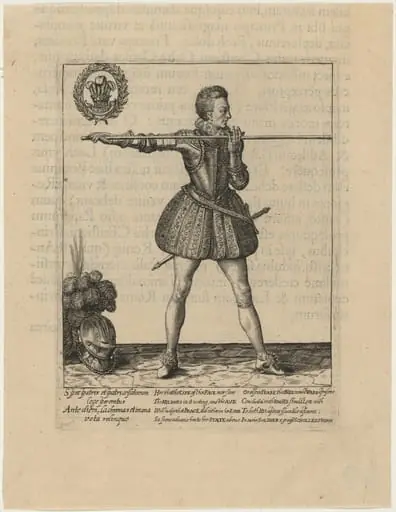
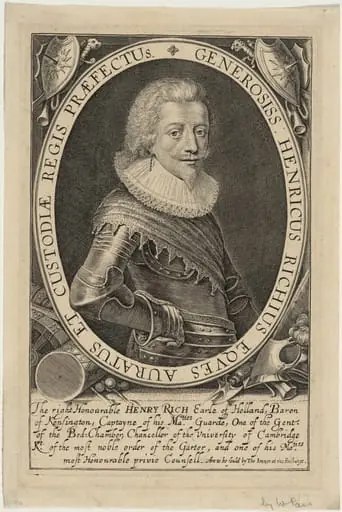
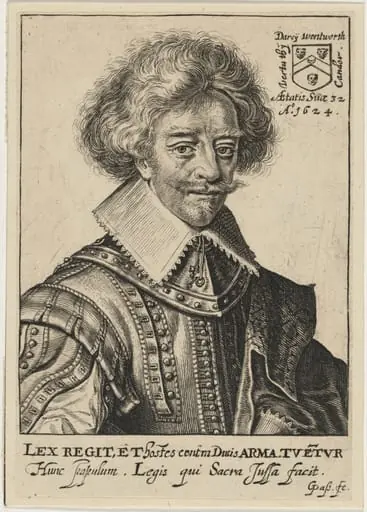
 Henry Frederick, Prince of Wales
 Henry Frederick, Prince of Wales
 Henry Frederick, Prince of Wales
 Henry Frederick, Prince of Wales
 Henry Frederick, Prince of Wales
 Henry Frederick, Prince of Wales
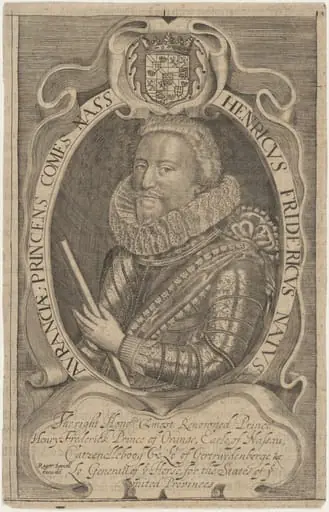 Frederick Henry, Prince of Orange
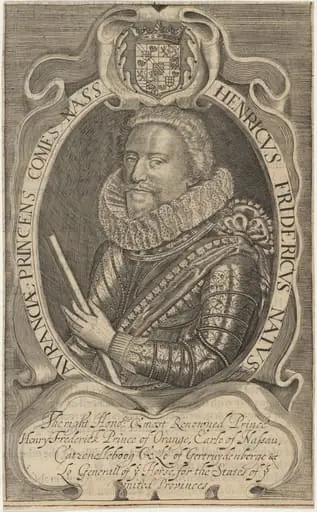 Frederick Henry, Prince of Orange
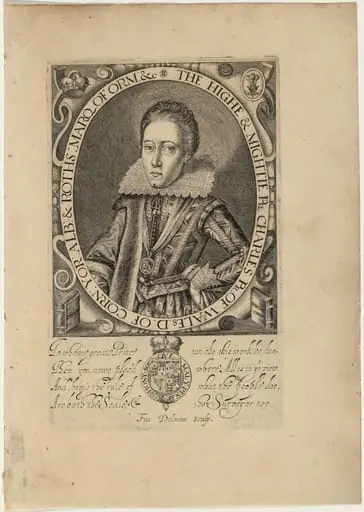 Charles I, as Prince of Wales
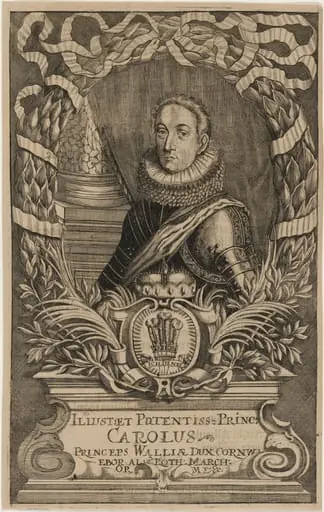 Charles I as Prince of Wales