Artwork
Pope Clement VIII
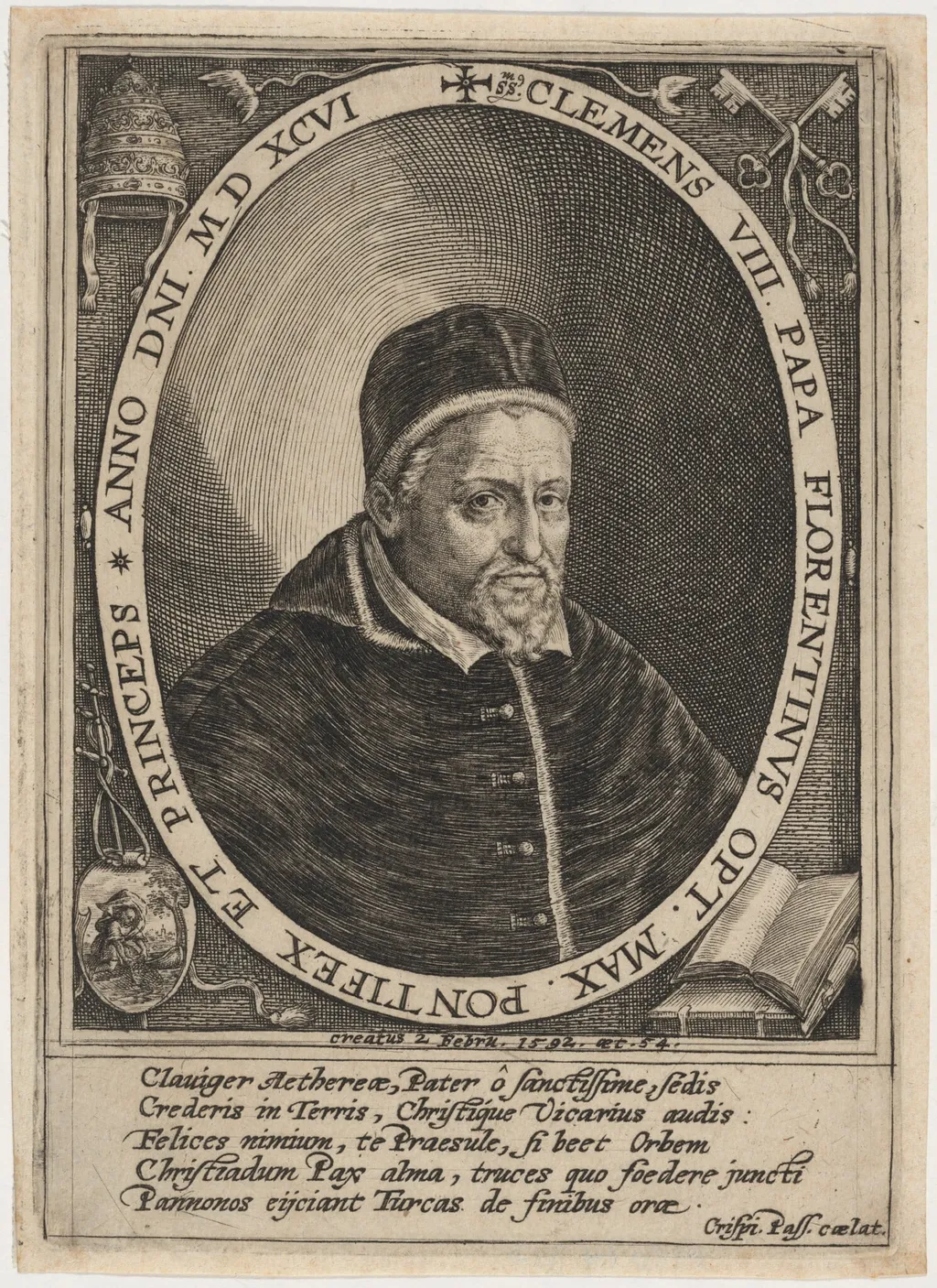
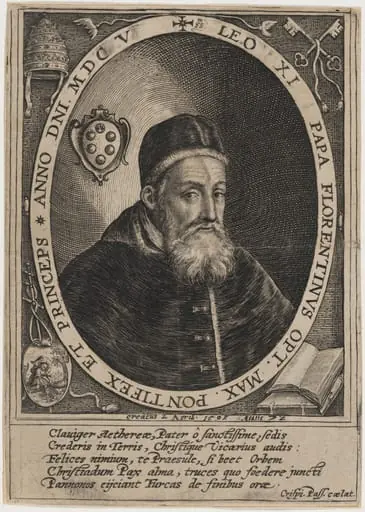
Pope Clement VIII is an ink print by the Renaissance artist Crispijn van de Passe I. It dates from 1598 and is held in the collection of the National Gallery of Art.
About this work
This isn’t a painting—it’s an *engraving*, which means the artist carved the design into metal and printed it.
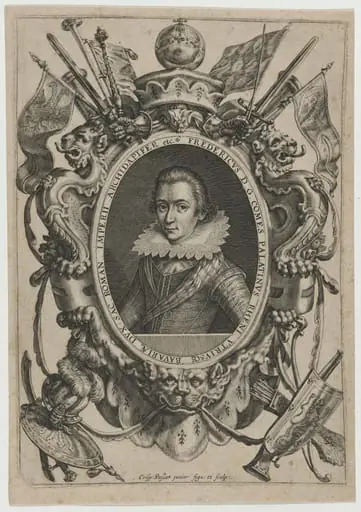
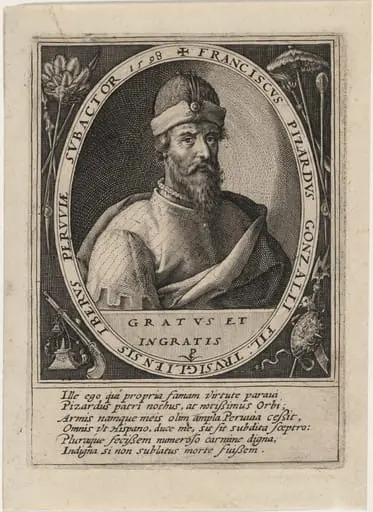
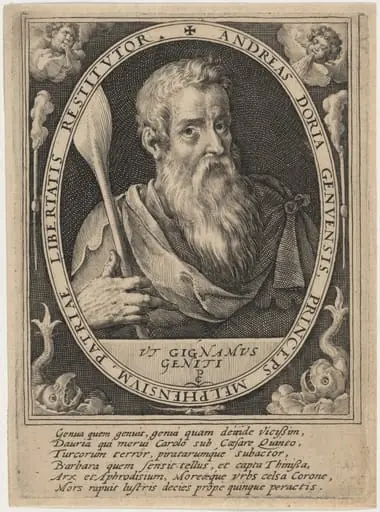
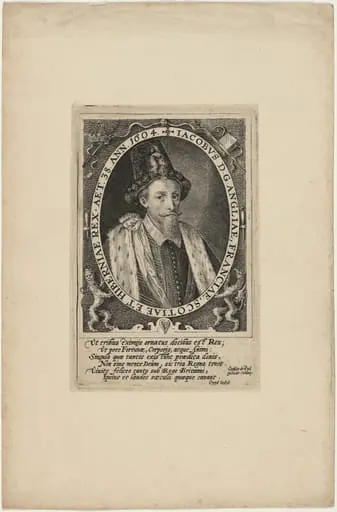
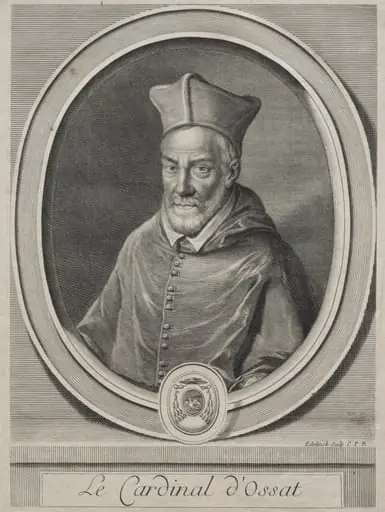
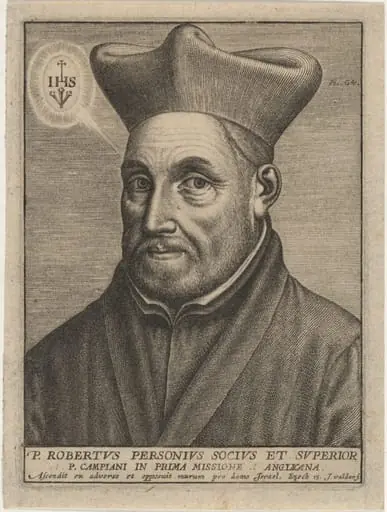
This is a black-and-white portrait of an older man with a full beard and dark hair. He’s wearing a high-collared robe and looks serious. Around his head is a fancy oval frame with Latin words and small pictures of a crown and a building. The background is plain, but the lines are sharp and detailed.
The text at the bottom is in Latin, and the date "1598" is tucked in the corner. This isn’t a painting—it’s an *engraving*, which means the artist carved the design into metal and printed it.
Next, check out how engraving works to see how artists like this made prints.
Overview
This 1598 engraving by Crispijn van de Passe I depicts Pope Clement VIII in formal papal attire. Executed in black ink on paper, the work is a reproductive print, not an original painting. The image is framed within an ornate oval border containing symbolic imagery and Latin inscriptions. The background is unadorned, emphasizing the figure’s presence through precise linear detail and controlled shading typical of late Renaissance engraving techniques.
Subject & Meaning
The portrait presents Clement VIII as a solemn, authoritative figure, his full beard and high collar signaling ecclesiastical dignity. The oval frame encircling his head includes a crown and architectural motif, alluding to papal sovereignty and the Church’s temporal power. Latin text reinforces his identity and role, aligning the image with official portraiture used for political and religious legitimacy in early modern Europe.
Technique & Style
Van de Passe employed fine, controlled lines to render texture in the pope’s robes, hair, and facial features. The engraving’s sharp contrasts and meticulous cross-hatching demonstrate mastery of metalplate incision, allowing for tonal depth without color. The composition avoids embellishment, focusing on clarity and precision—hallmarks of Northern European printmaking traditions of the period.
History & Provenance
Created in 1598, the engraving likely served to disseminate the pope’s image across Europe, where printed portraits functioned as tools of communication and propaganda. Van de Passe, a Dutch artist based in Utrecht, was known for producing such portraits of prominent figures. The work’s survival in multiple institutional collections suggests its circulation among collectors and religious institutions during the late 16th and early 17th centuries.
Context
In the late 1500s, the Catholic Church relied on printed imagery to reinforce papal authority amid Protestant challenges. Engravings like this one were affordable, reproducible, and portable, making them ideal for spreading official iconography. Van de Passe’s work fits within a broader network of printmakers who documented religious and political leaders, contributing to the visual culture of Counter-Reformation Europe.
Legacy
The engraving remains a representative example of how printmaking shaped public perception of religious authority in the early modern era. Though not widely known today, it reflects the technical skill and symbolic language of its time. Its preservation in archives and museums underscores its role as a historical document, offering insight into the intersection of art, power, and communication in Renaissance Europe.
Artist & collection

Artist
Crispijn van de Passe I (1564–1637) was an artist, born in Arnemuiden.