Artwork
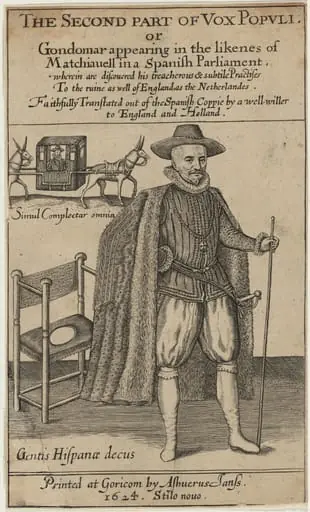
Title Page for Vox Populi Eoricum, by Thomas Scott
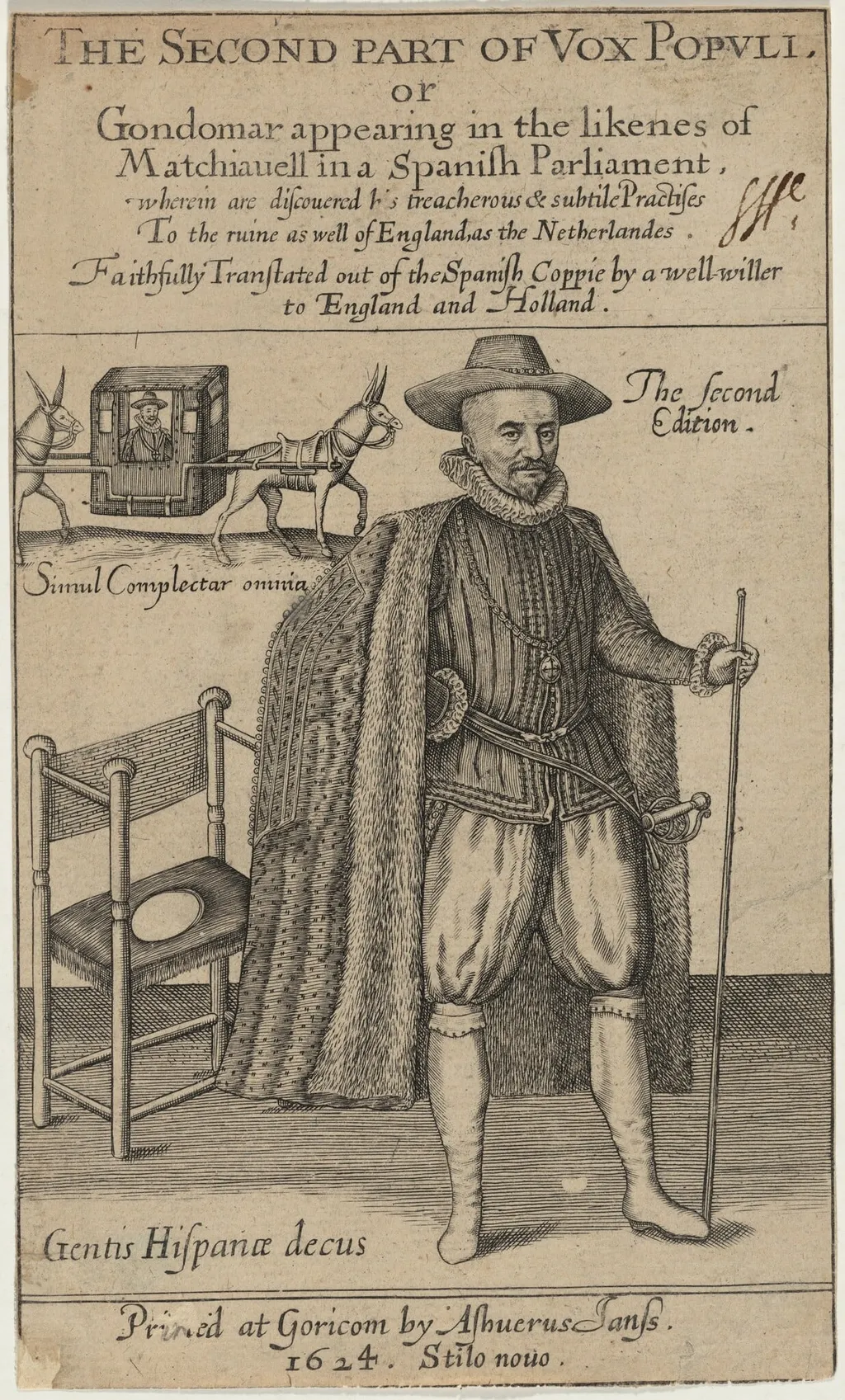
Title Page for Vox Populi Eoricum, by Thomas Scott is an ink print by the Baroque artist Crispijn van de Passe I. It dates from 1624 and is held in the collection of the National Gallery of Art.
About this work
Overview
The image blends portraiture and allegory to convey suspicion and moral condemnation, typical of early 17th-century polemical prints aimed at a literate public.
This 1624 engraving by Crispijn van de Passe I serves as the title page for a pamphlet titled Vox Populi Eoricum. Created as part of a political tract, it uses visual symbolism to frame the text’s critique of Spanish diplomat Diego Sarmiento de Acuña, Count of Gondomar. The image blends portraiture and allegory to convey suspicion and moral condemnation, typical of early 17th-century polemical prints aimed at a literate public.
Subject & Meaning
The central figure, dressed in a fur-lined coat and wide hat, is likely a stand-in for Gondomar, portrayed with a stern, accusatory gaze. Behind him, a donkey-drawn cart carries a sealed box—suggesting concealed plots or hidden dangers. The title references 'Vox Populi' (voice of the people), implying public outrage against Gondomar’s alleged treachery. The imagery frames him as a manipulative figure operating behind the scenes, exploiting secrecy to undermine English interests.
Technique & Style
Van de Passe employed fine, precise engraving lines to render texture and expression with clarity. The man’s facial features, the folds of his coat, and the donkey’s anatomy are defined through controlled cross-hatching and delicate etching. The composition is tightly focused, directing attention to the central figure while using background elements to imply narrative. The style reflects Northern European print traditions, prioritizing detail and symbolic clarity over decorative flourish.
History & Provenance
The engraving was produced in 1624 during heightened Anglo-Spanish tensions following the failed Spanish Match. It accompanied a pamphlet attacking Gondomar’s influence at the English court. Printed in the Netherlands, where political dissent flourished, it circulated among Protestant audiences hostile to Spanish Catholic diplomacy. Its survival in institutional collections today reflects its role as a documented artifact of early modern propaganda.
Context
This print emerged amid a surge of anti-Spanish sentiment in England, fueled by fears of Catholic plots and foreign interference. Pamphlets like Vox Populi Eoricum used satire and visual metaphor to shape public opinion, bypassing official censorship. The donkey cart, a common symbol of deception in contemporary imagery, reinforced suspicions that Gondomar concealed dangerous intentions. Such prints were tools of political mobilization in an era of emerging print culture.
Legacy
Van de Passe’s engraving exemplifies how visual imagery amplified political discourse in the early modern period. It contributed to a broader genre of satirical prints that influenced later journalistic and caricature traditions. While its immediate impact was limited to a specific audience, its preservation offers insight into the mechanisms of public opinion formation and the role of print in shaping diplomatic perceptions during a volatile era.
Artist & collection

Artist
Crispijn van de Passe I (1564–1637) was an artist, born in Arnemuiden.

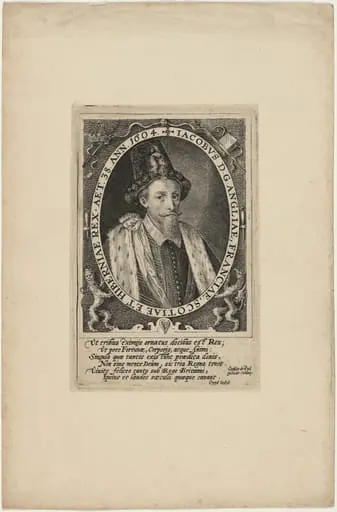
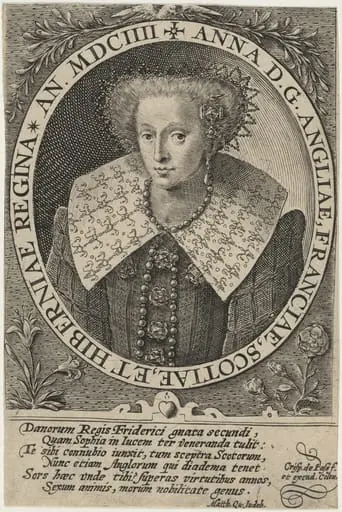
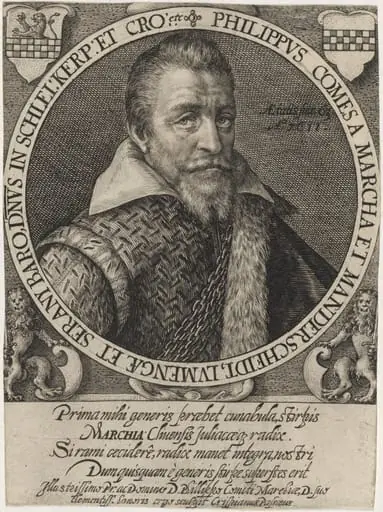
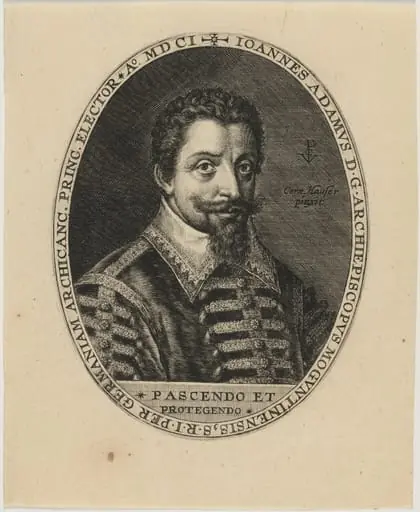
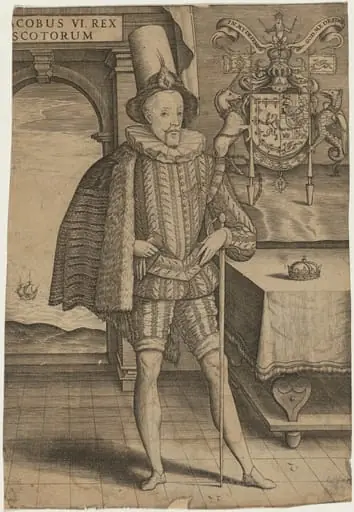 James I of England and James VI of Scotland
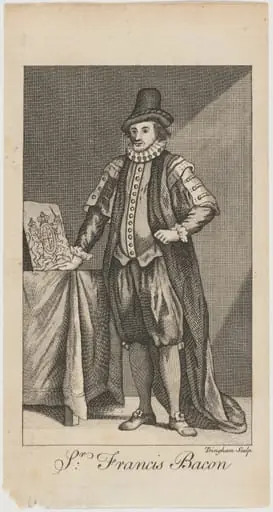 Sir Francis Bacon
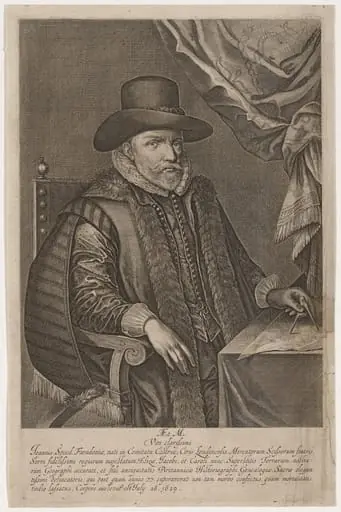 John Speed
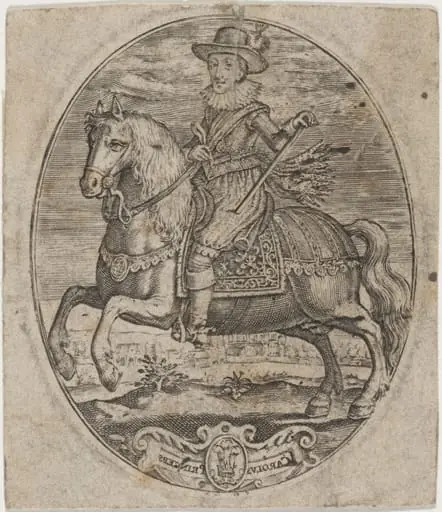 Charles I, King of England, on Horseback
![Charles I, King of England, On Horseback [bottom half], by Simon van de Passe](https://artifactworldgallery.com/img/simon-van-de-passe--charles-i-king-of-england-on-horseback-bottom-half--830ca31b00f1392d-w320.webp) Charles I, King of England, On Horseback [bottom half]
Charles I, King of England, On Horseback [bottom half]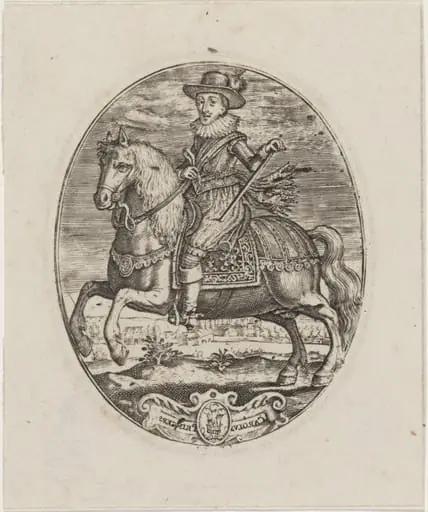 Charles I, King of England, On Horseback
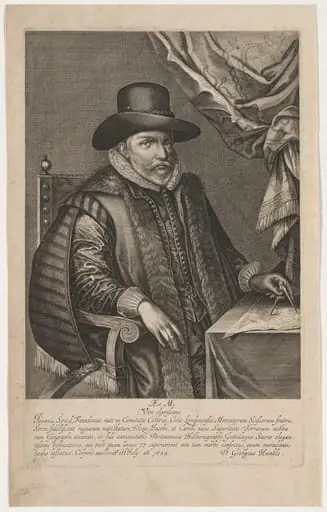 John Speed
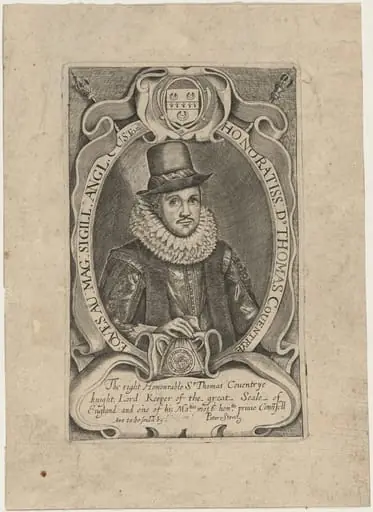 Thomas, First Baron Coventry
 Sir Walter Raleigh
 Thomas Howard, First Earl of Suffolk
 Thomas Percy, Gunpowder Plot Conspirator
 Title Page for Vox Populi Eoricum, by Thomas Scott