Artwork
Sir Henry Hobart
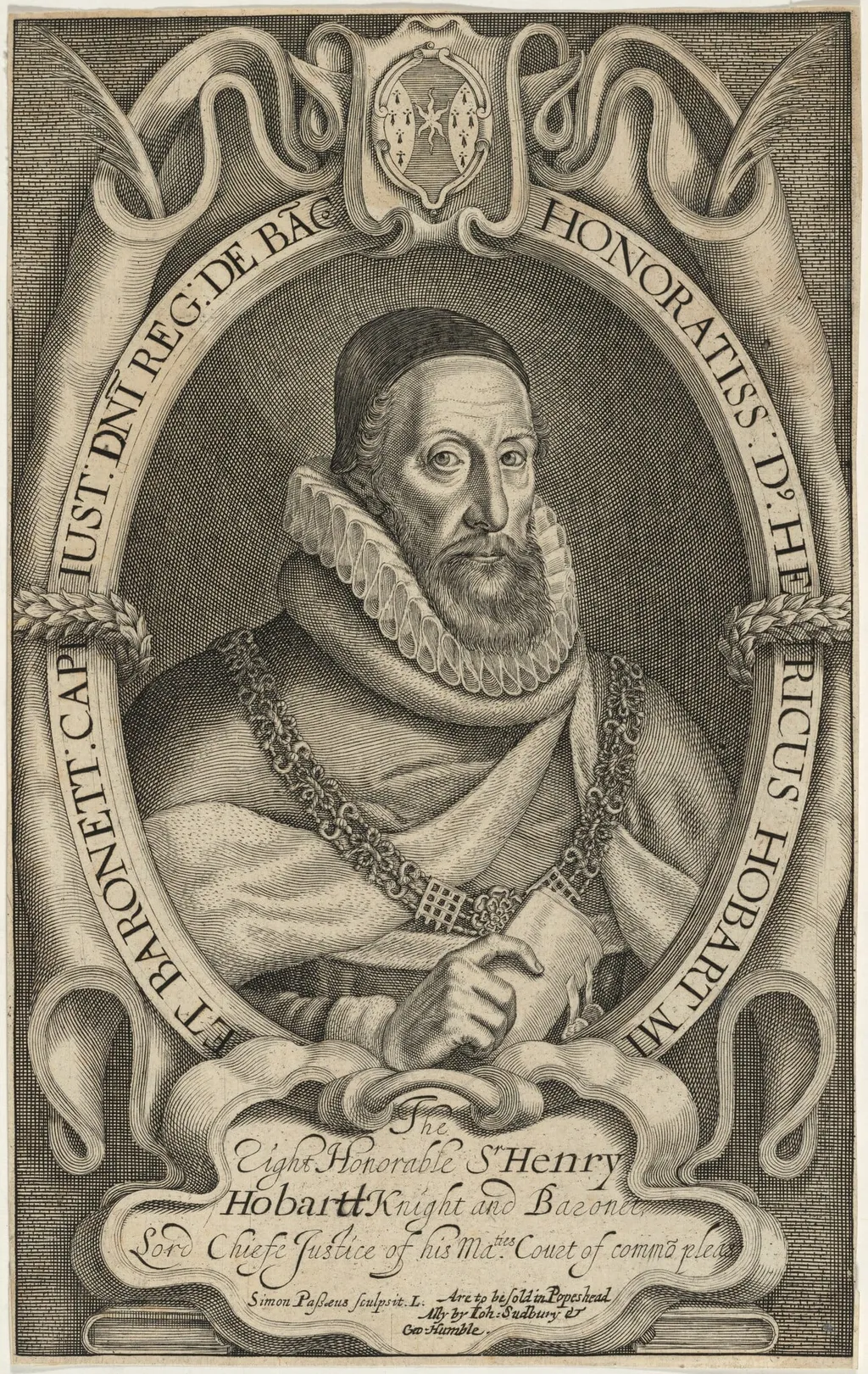
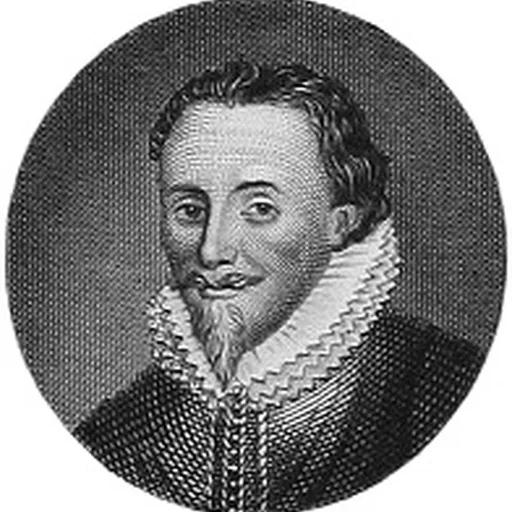
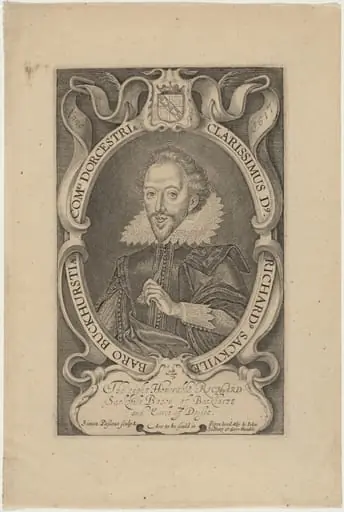
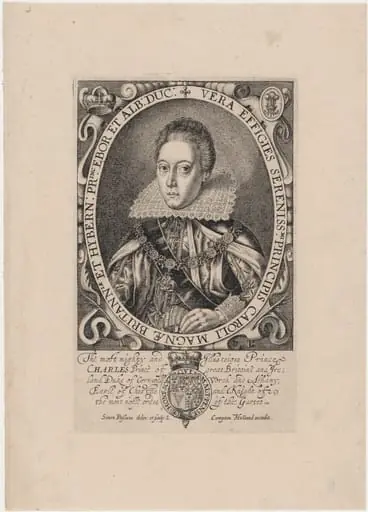
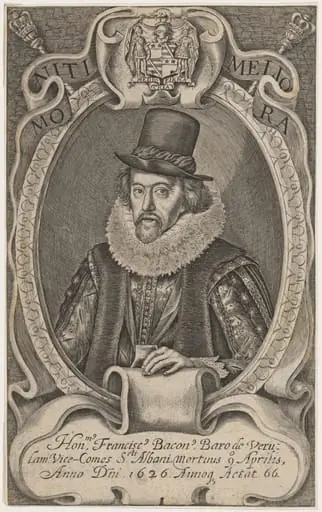
Sir Henry Hobart is an ink print by the Renaissance artist Simon van de Passe. It dates from 1621 and is held in the collection of the National Gallery of Art.
About this work
Overview
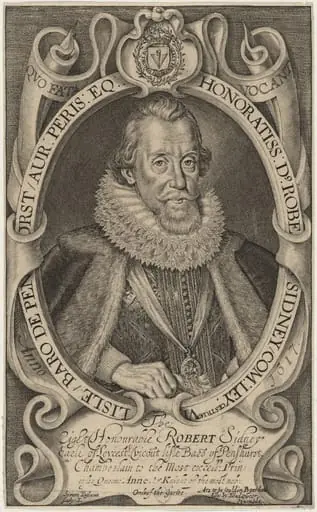
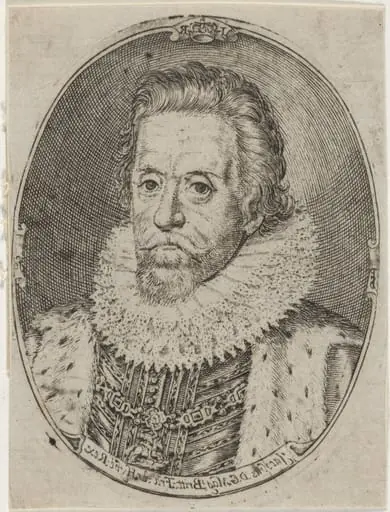
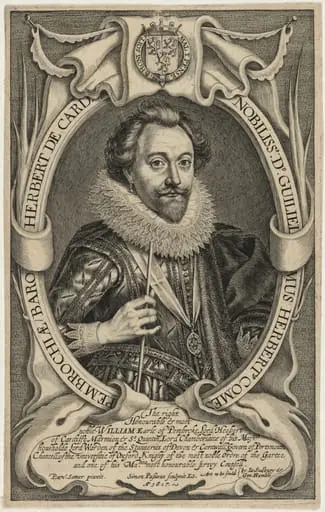
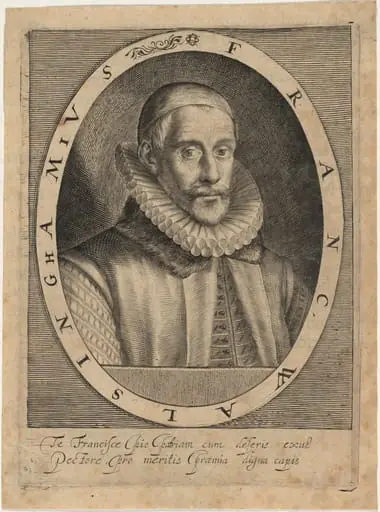
Rendered in stark black and white, the image shows the gentleman in a flowing robe, his beard rendered with fine line work, and a solemn expression.
Simon van de Passe’s 1621 engraving presents Sir Henry Hobart in a formal, half‑length portrait. Rendered in stark black and white, the image shows the gentleman in a flowing robe, his beard rendered with fine line work, and a solemn expression. He holds a chain and a scroll, while a decorative wreath bearing the Latin terms "Honoris" and "Justitia" frames his head, and an elaborate inscription runs beneath the figure.
Subject & Meaning
The portrait identifies Sir Henry Hobart, a notable figure of early‑17th‑century England, likely in his capacity as a legal or governmental official. The chain functions as an emblem of office, and the scroll resembles a legal document, underscoring his professional role. The surrounding wreath with the words "Honoris" (honor) and "Justitia" (justice) reinforces the themes of authority and moral duty associated with his position.
Technique & Style
Van de Passe employed copper engraving, incising the image onto a metal plate with a burin before inking and pressing it onto paper. The method allows for precise, linear detail, evident in the intricate rendering of the beard, fabric folds, and the ornamental lettering. The stark contrast between deep blacks and fine white lines creates a disciplined, almost austere visual tone typical of early Baroque portrait prints.
History & Provenance
Created in 1621, the print was likely issued shortly after Hobart’s appointment to a senior judicial role, serving both as a commemorative image and a means of disseminating his likeness among peers. Copies would have been distributed to colleagues and institutions, contributing to Hobart’s public image. The engraving survives in several museum collections, attesting to its continued relevance as a documentary source for early modern English portraiture.
Artist & collection