Artwork
James Ley, First Earl of Marlborough
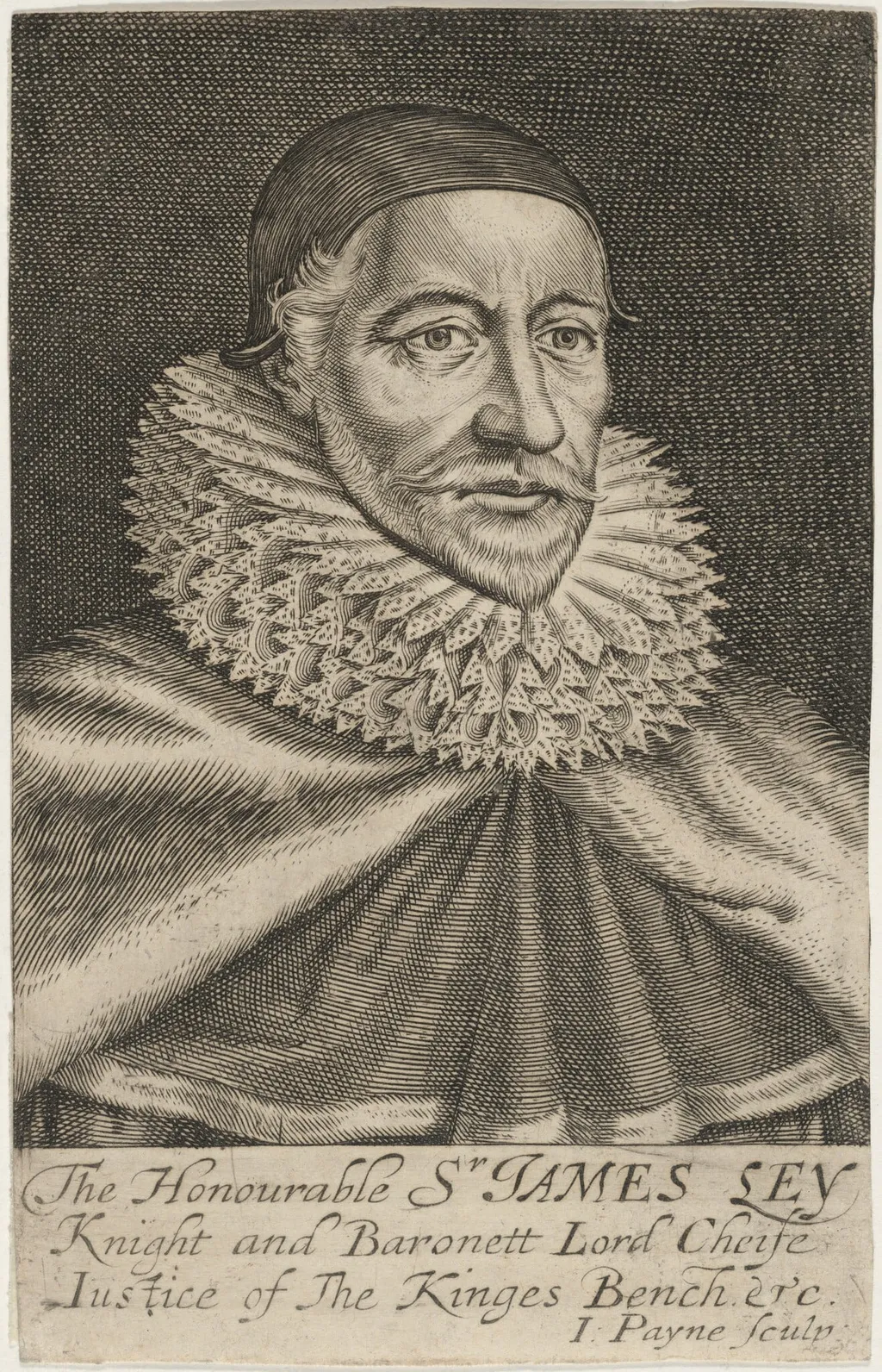
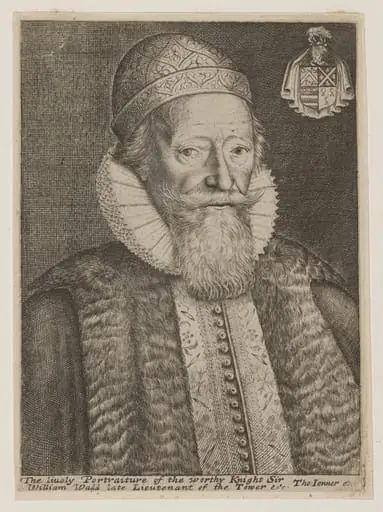
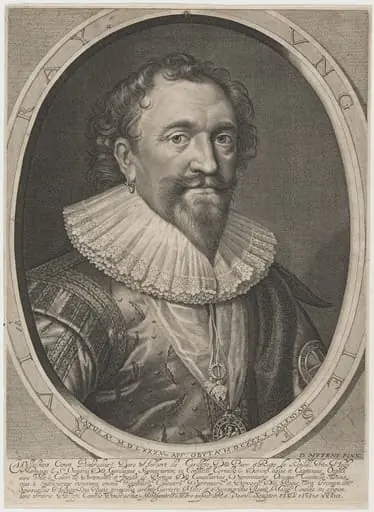
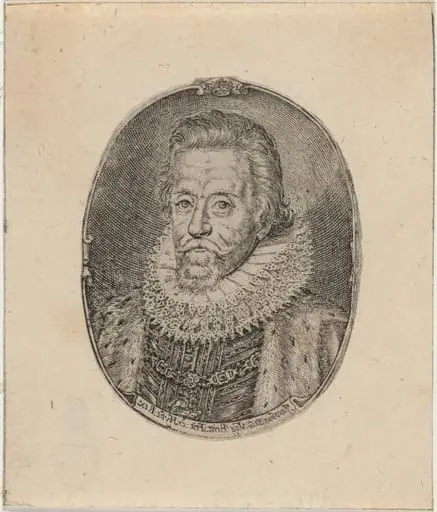
James Ley, First Earl of Marlborough is an ink print by the Baroque artist John Payne. It dates from 1627 and is held in the collection of the National Gallery of Art.
About this work
Overview
John Payne’s 1627 engraving presents James Ley, the inaugural Earl of Marlborough, as a dignified figure in formal attire. Rendered in monochrome, the portrait concentrates on Ley’s face and the intricate drapery of his clothing, set against an unadorned backdrop that directs the viewer’s attention to his solemn expression.
Subject & Meaning
James Ley, a prominent jurist and nobleman of early‑17th‑century England, is shown with the gravitas befitting his roles as a knight and senior judge. The portrait’s direct gaze and austere demeanor reflect the authority and legal gravitas associated with his public service during a turbulent political era.
Technique & Style
Payne employs fine cross‑hatching to model light and shadow, building texture through intersecting lines that suggest the sheen of fabric and the contours of Ley’s beard. The precision of the engraving exemplifies the meticulous line work characteristic of early English printmaking, where tonal depth is achieved solely through linear variation.
Context
Created during the reign of Charles I, the print emerges at a time when English engraving was beginning to assert its own identity separate from continental traditions. John Payne, born in 1607, ranks among the first native practitioners, and this work illustrates the nascent development of print as a distinct artistic medium in England.
Artist & collection
Artist
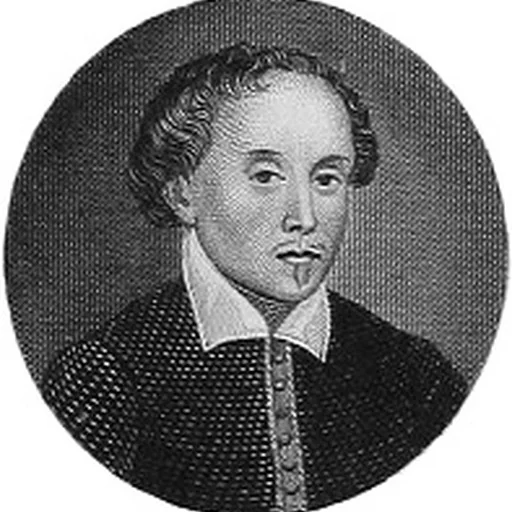
John Payne (1607–1647) was an English engraver, who was one of the earliest exponents of the art of engraving in England. His best work was the finest produced by a native-born engraver working during the reign of Charles I.