Artwork
Sir Thomas Smith
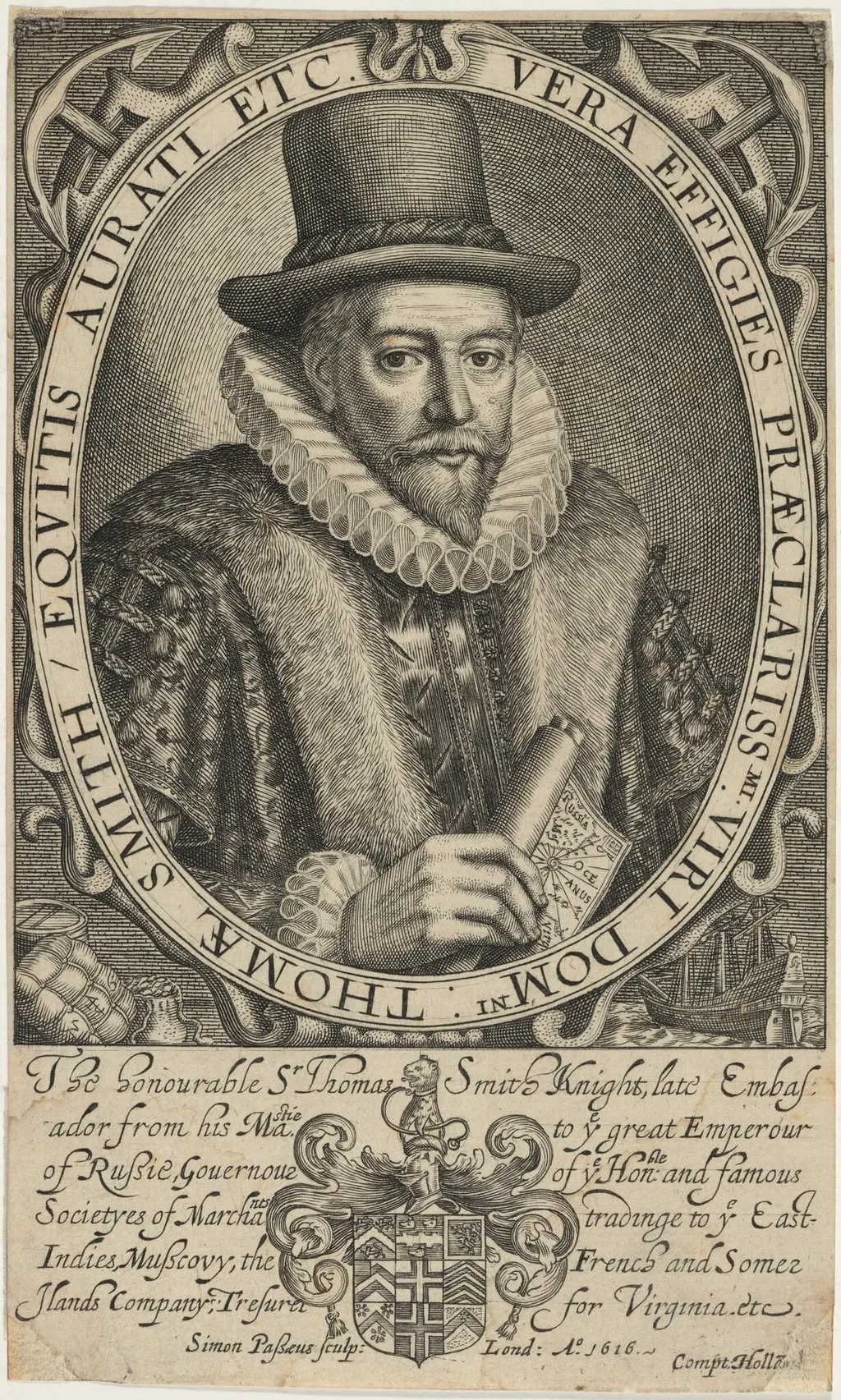
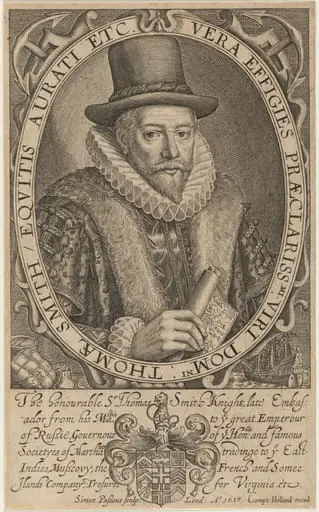
Sir Thomas Smith is an ink print by the Renaissance artist Simon van de Passe. It dates from 1621 and is held in the collection of the National Gallery of Art.
About this work
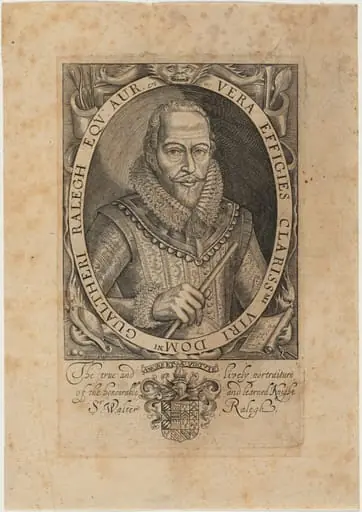
The background is plain, but the edges of the image are framed by a decorative border with Latin words like *"AURATA"* and *"VERA EFFIGIES.
This is a black-and-white portrait of a serious-looking man in a dark hat and ruffled collar. He’s holding a folded paper in one hand and resting his chin on the other. The background is plain, but the edges of the image are framed by a decorative border with Latin words like *"AURATA"* and *"VERA EFFIGIES."*
The text below his face lists his titles—knight, ambassador, governor of trading companies—and the year *1616* is stamped in the corner. This suggests he was someone important in his time.
If you like this style, look up engraving to see how artists carved these detailed prints.
Overview
This 1621 engraving by Simon van de Passe depicts Sir Thomas Smith, an English diplomat and administrator. Rendered in monochrome, the portrait emphasizes formal dignity through precise linework and a restrained composition. The image is enclosed within an ornamental border inscribed with Latin phrases, reinforcing its function as a commemorative print rather than a casual likeness.
Subject & Meaning
Sir Thomas Smith is portrayed with a solemn expression, one hand supporting his chin, the other holding a folded document—symbols of contemplation and official duty. The titles listed beneath his image, including ambassador and governor of trading companies, establish his public roles. The inclusion of the year 1616 likely marks a key moment in his career, anchoring his identity to specific achievements.
Technique & Style
Van de Passe employed fine, controlled engraving lines to render texture in the ruffled collar and the folds of the hat, demonstrating mastery of the medium. The plain background directs focus to the figure, while the decorative border and Latin inscriptions reflect the conventions of early 17th-century portraiture, where textual context was integral to conveying status and legitimacy.
History & Provenance
Created in 1621, the engraving was produced during a period when printed portraits served as tools of social and political recognition. Van de Passe, a Dutch engraver active in England, specialized in such likenesses of elites. The print likely circulated among Smith’s contemporaries, reinforcing his public persona through reproducible imagery.
Context
In early 17th-century England, portraiture in print was increasingly used to document the rising class of state officials and merchants. Smith’s roles in diplomacy and commerce reflect the expanding reach of English influence abroad. The Latin inscriptions and formal pose align the portrait with continental traditions of scholarly and civic representation.
Legacy
The engraving remains a record of how status was visually codified in the pre-photographic era. Though Smith is not widely remembered today, this print preserves the visual language of authority used by England’s administrative class. It exemplifies the role of printmakers in shaping public perception of political figures through disciplined, reproducible imagery.
Artist & collection

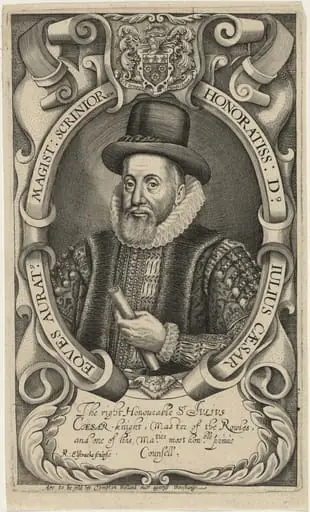 Sir Julius Caesar, Master of the Roules
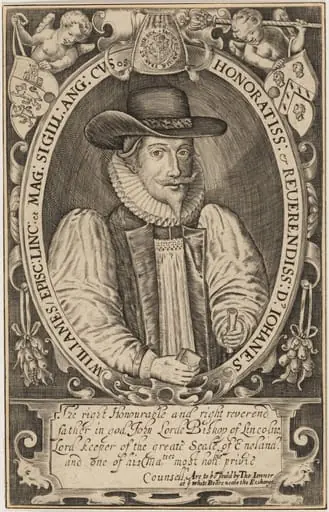 John Williams, Archbishop of York, Lord Keeper
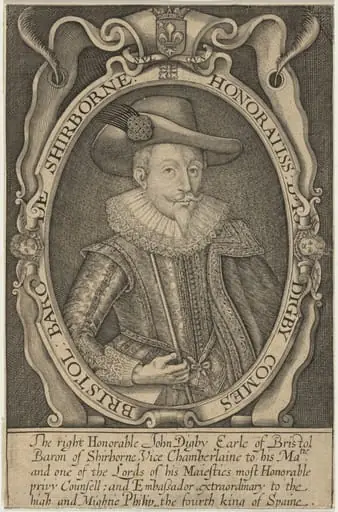 John Digby, Earl of Bristol, Ambassador to Spain
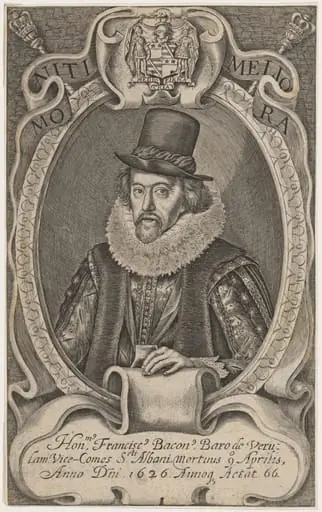
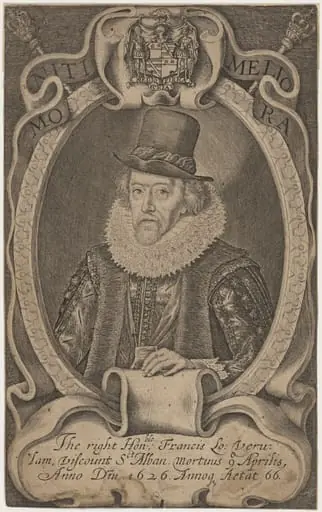
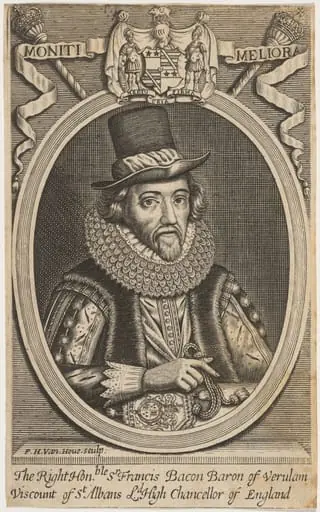 Francis Bacon
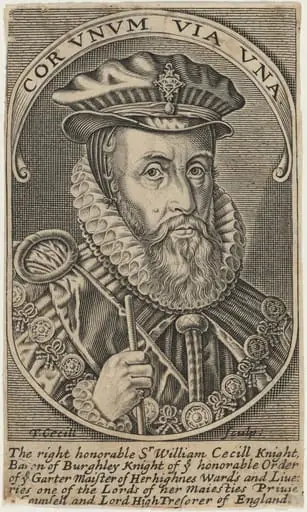 William Cecill, First Baron Burghley
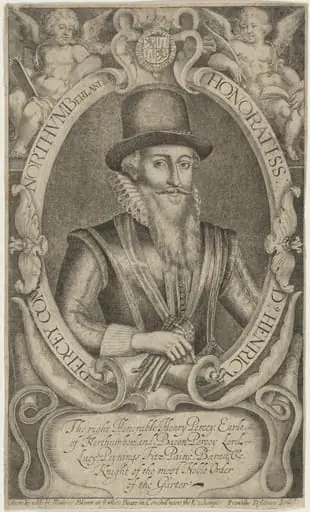 Henricus Percye (Henry Percy, Ninth Earl of Northumberland)
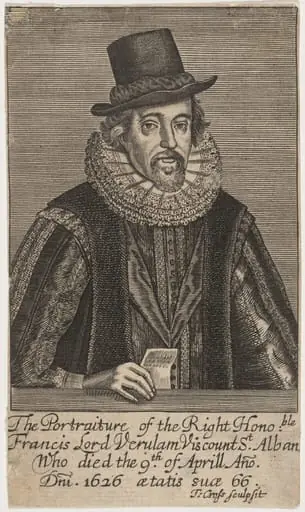 Francis Lord Verulam Viscount St. Alban
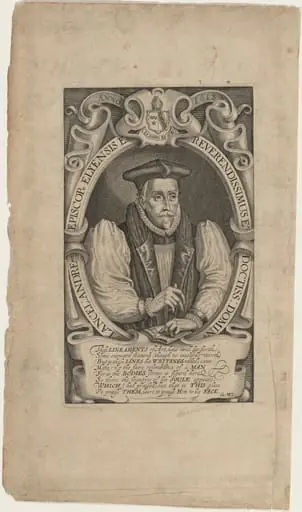
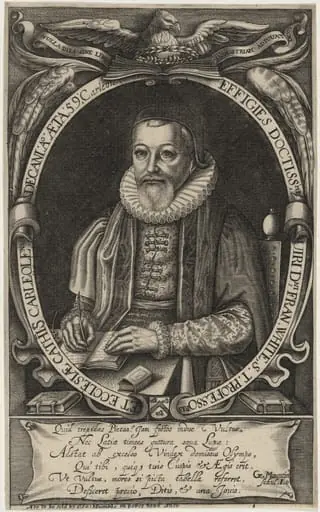 Francis White, D.D., Bishop of Ely
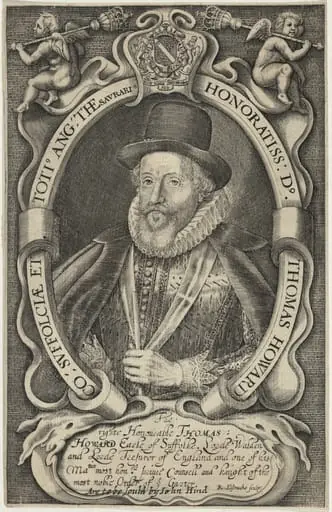 Thomas Howard, First Earl of Suffolk
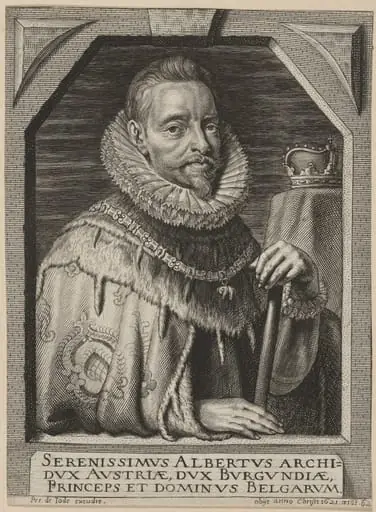 Albert VII, Archduke of Austria
 Sir Thomas Smith