Artwork
Sir Julius Caesar, Master of the Roules
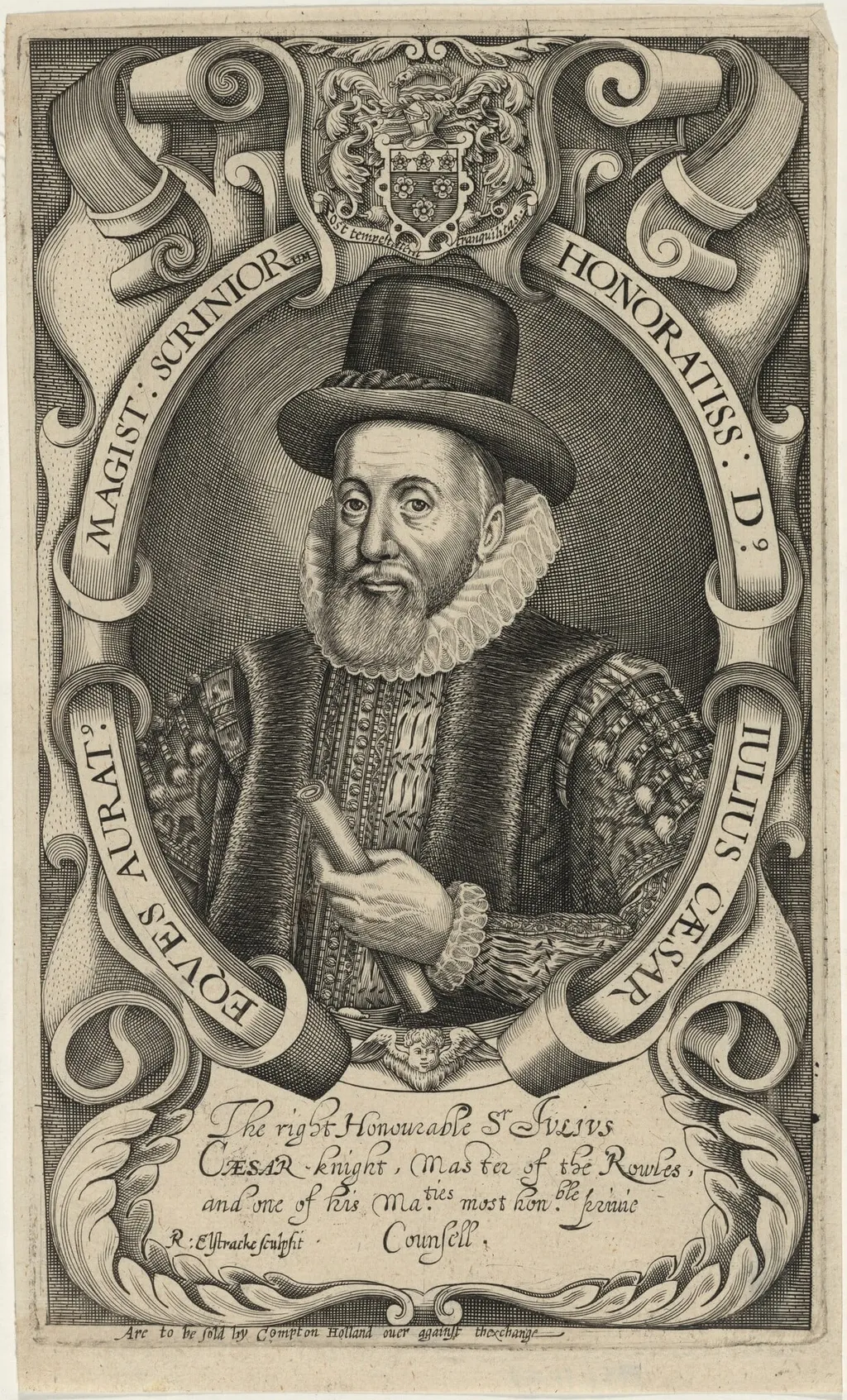
Sir Julius Caesar, Master of the Roules is an ink print by the Renaissance artist Renold Elstrack. It dates from 1598 and is held in the collection of the National Gallery of Art.
About this work
Overview
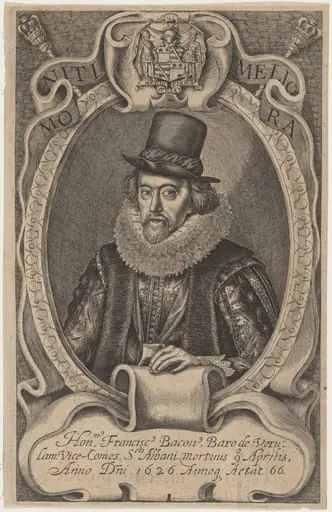
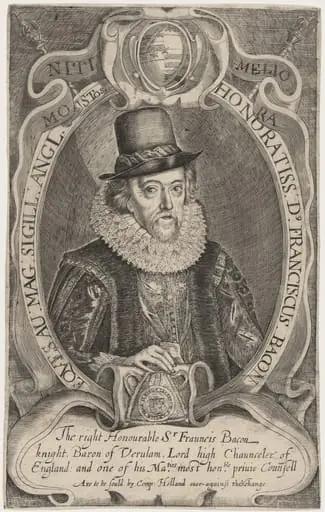
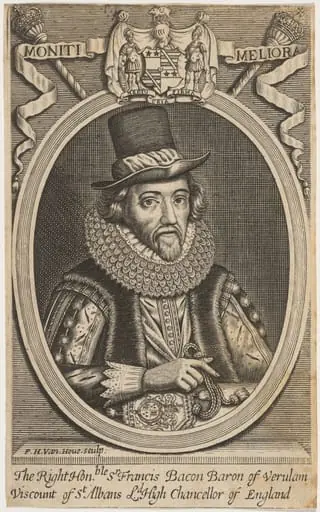
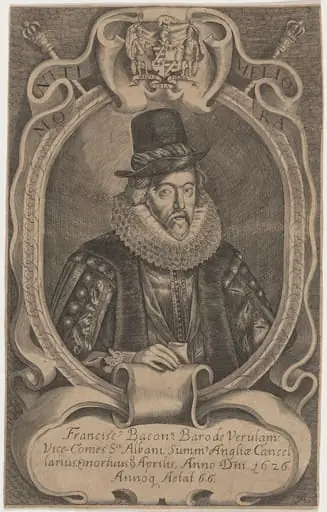
Rendered in fine black ink on paper, the portrait presents a formal, dignified figure against an ornate background of scrollwork and Latin inscriptions.
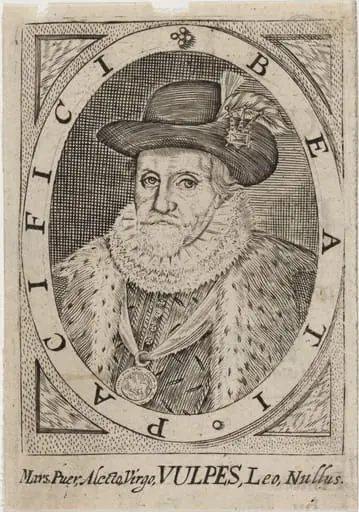
This 1598 engraving by Renold Elstrack depicts Sir Julius Caesar in his official capacity as Master of the Rolls. Rendered in fine black ink on paper, the portrait presents a formal, dignified figure against an ornate background of scrollwork and Latin inscriptions. The composition emphasizes his status through symbolic elements and precise line work, typical of late Elizabethan portraiture in print form.
Subject & Meaning
Sir Julius Caesar, a senior legal official and royal advisor, is shown holding a small bird—possibly a domestic fowl—and resting a hand on a book. The bird may allude to his role in overseeing records or symbolize peace and vigilance, while the book suggests his scholarly duties. His ruff, chain of office, and dark hat denote rank and authority, reinforcing his position within the royal administration.
Technique & Style
Elstrack employed engraving to achieve fine detail and tonal depth, using incised lines to model the texture of fabric, beard, and metal chain. The background is densely filled with decorative scrolls and Latin titles, enhancing the ceremonial tone. The contrast between the figure’s solid form and the intricate surroundings reflects the period’s preference for layered symbolism and meticulous craftsmanship in portraiture.
History & Provenance
Created in 1598, the engraving was likely commissioned to commemorate Caesar’s appointment as Master of the Rolls. It circulated among legal and courtly circles as a visual record of officeholders. Though its early ownership is undocumented, surviving impressions suggest it was reproduced and preserved within institutional archives, particularly those connected to the English legal system.
Context
In late 16th-century England, engraved portraits of officials served as tools of legitimacy and public recognition. Caesar’s role placed him at the center of legal administration under Elizabeth I, and such images reinforced the dignity of state offices. The use of Latin inscriptions and heraldic motifs aligns with broader trends in official portraiture, linking civic authority to classical tradition.
Legacy
Elstrack’s engraving remains one of the few surviving visual records of Sir Julius Caesar. It contributes to the historical understanding of how legal officials were represented in print during the Tudor era. The work exemplifies the role of engraving in documenting state functionaries, offering insight into the visual culture of governance before the rise of photography.
Artist & collection