Artwork
Country House by a River
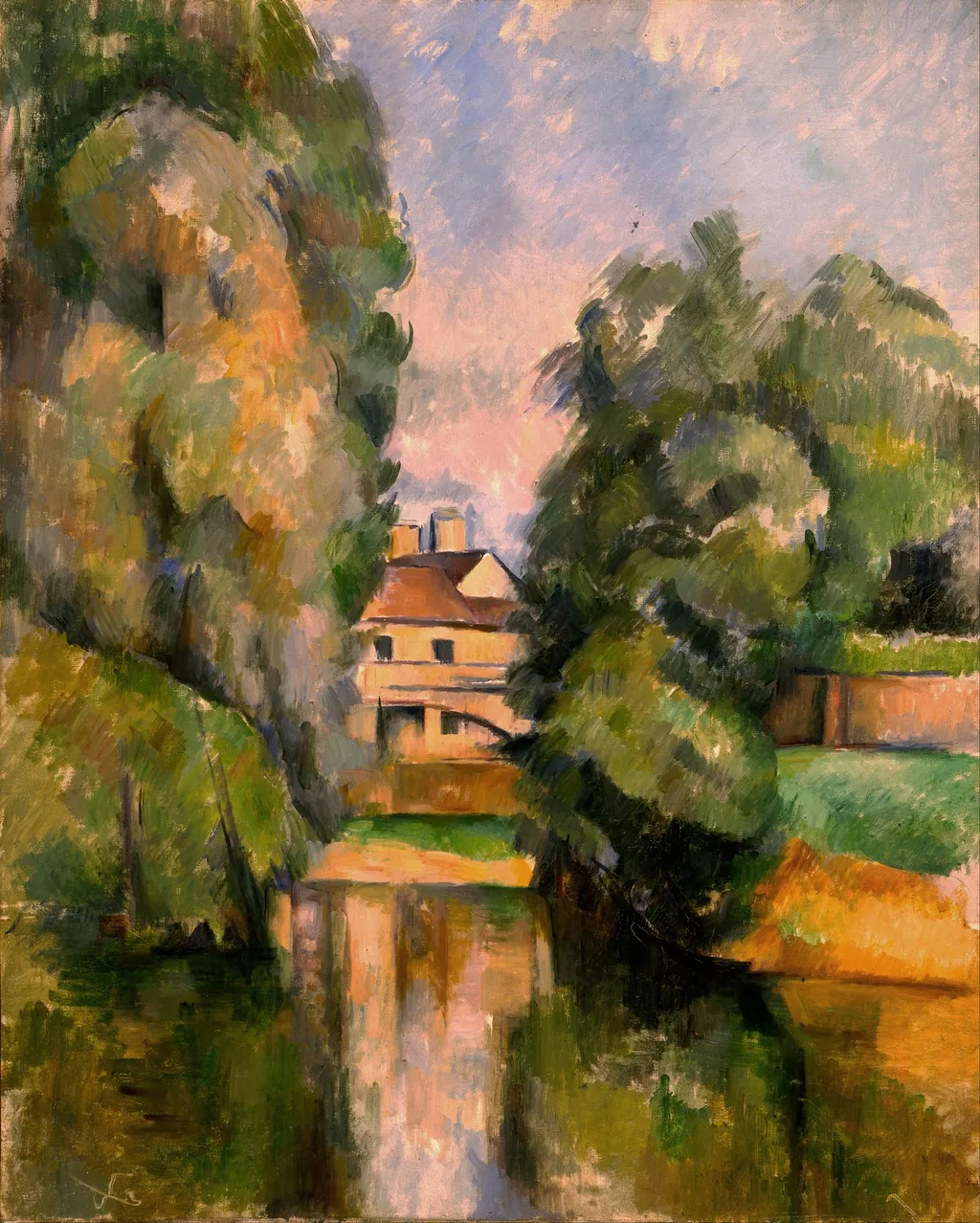
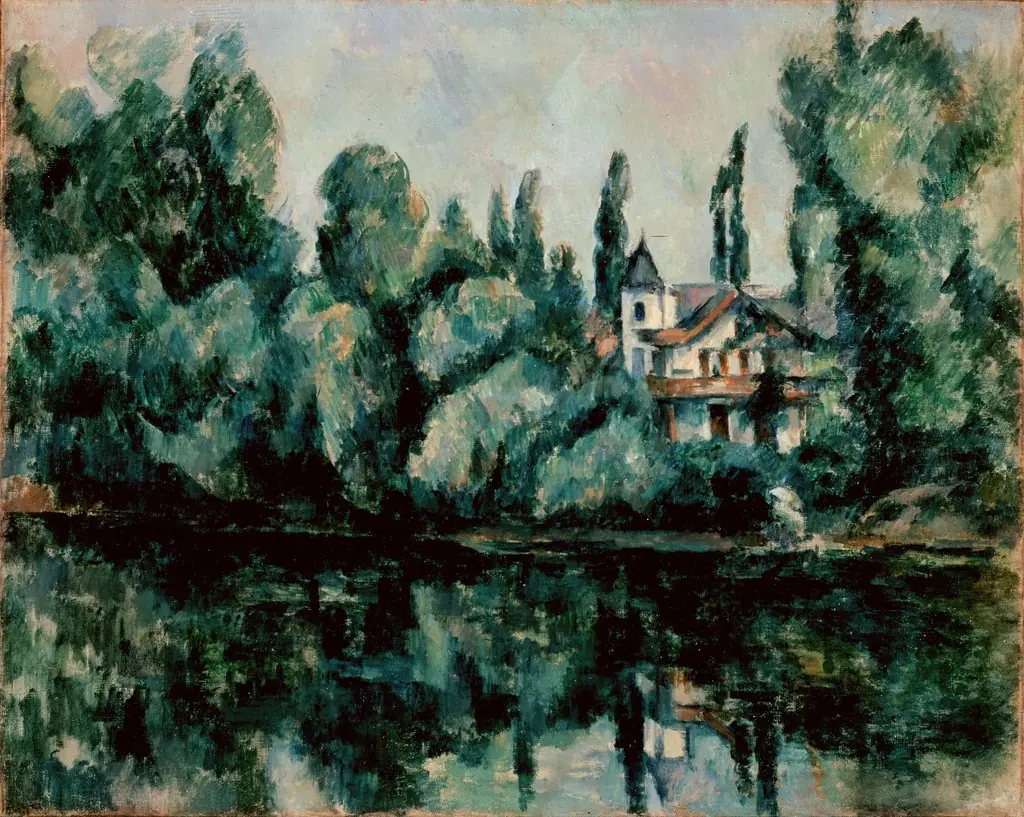
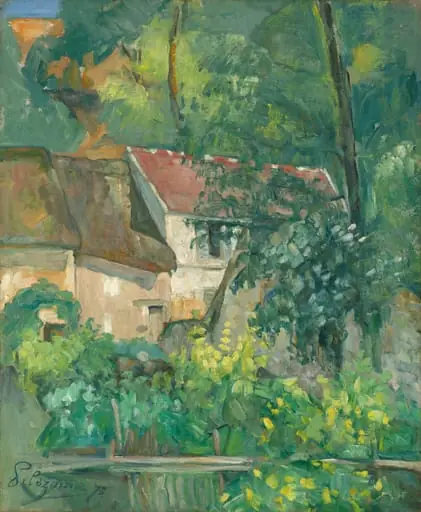
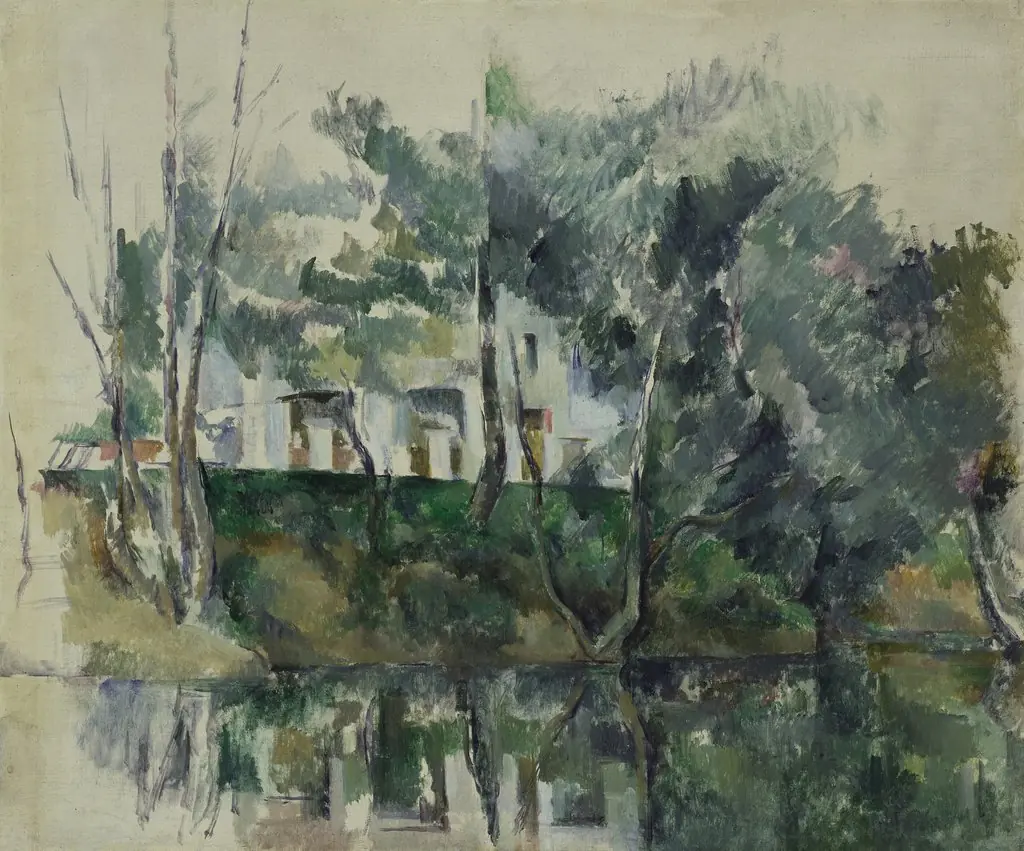
Country House by a River is an oil painting by the Post-Impressionist artist Paul Cezanne. It dates from 1896 and is held in the collection of the Israel Museum.
About this work
Overview
It reflects his ongoing investigation into how natural forms can be rendered through structured brushwork and calibrated color relationships.
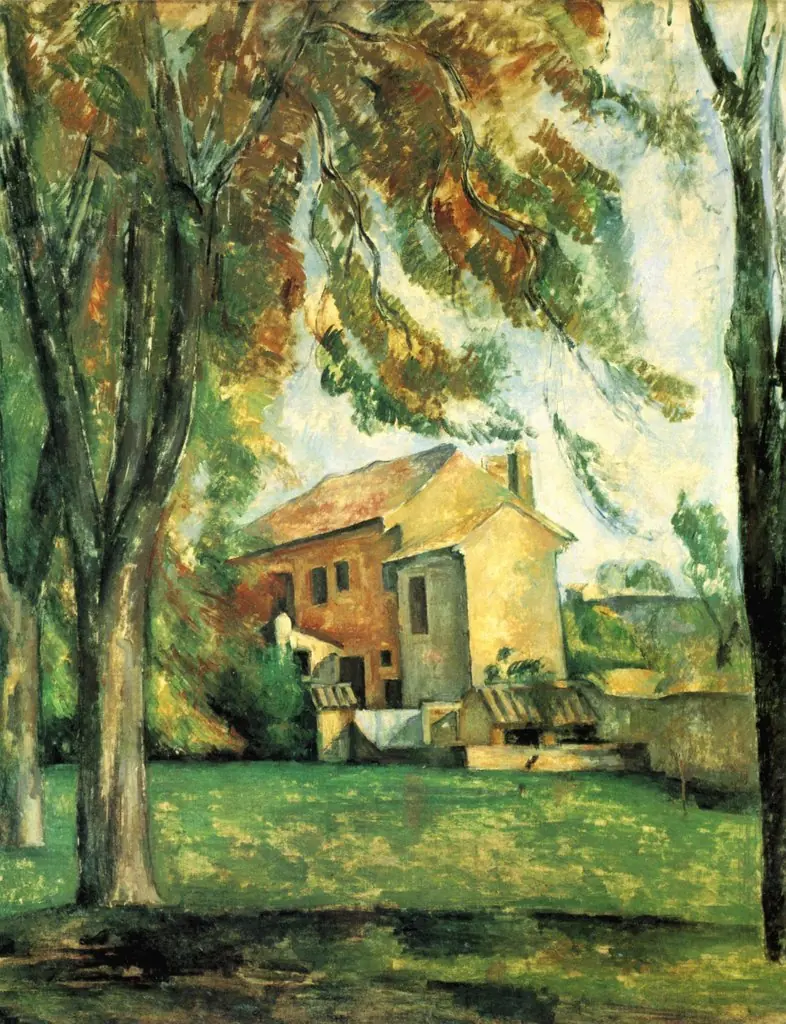
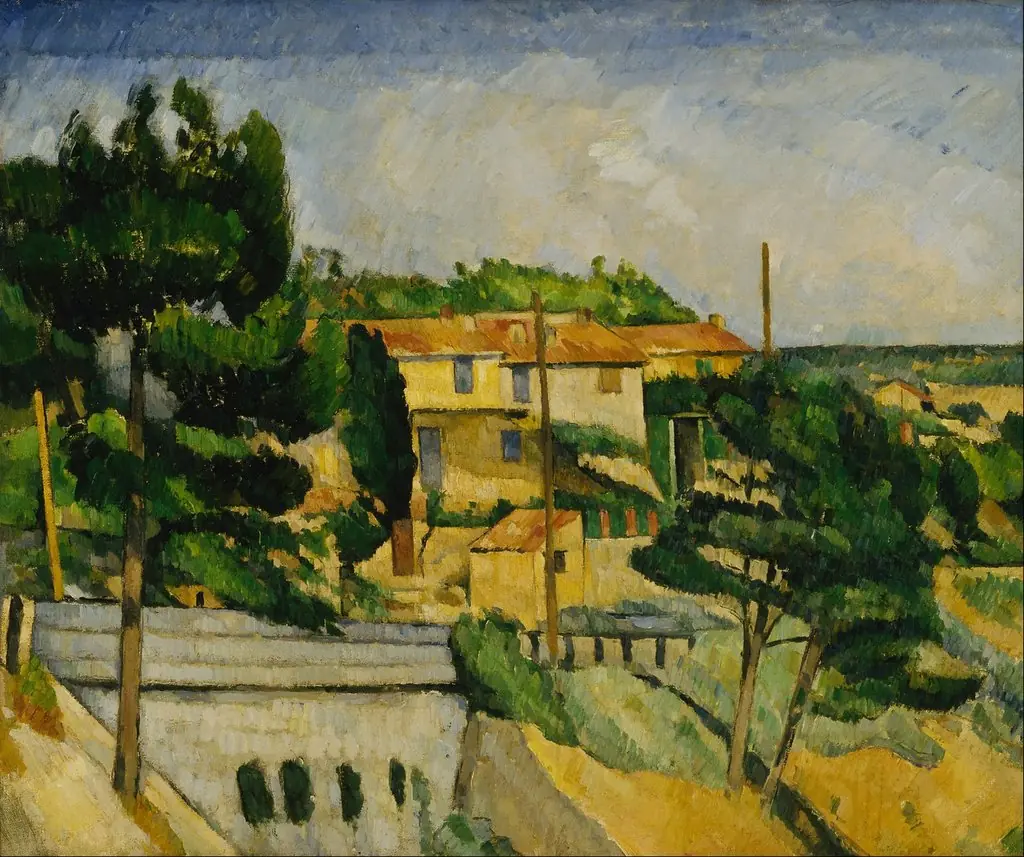
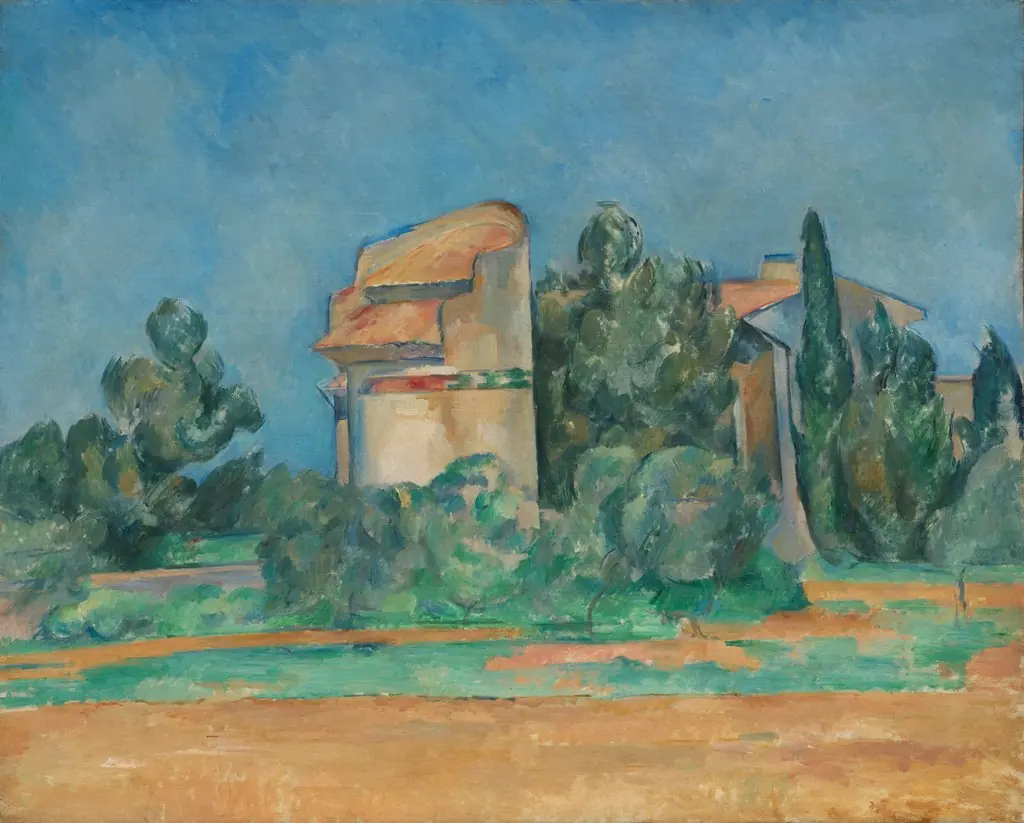
Painted in 1896, *Country House by a River* is an oil on canvas work by Paul Cézanne that captures a quiet rural scene in Provence. It reflects his ongoing investigation into how natural forms can be rendered through structured brushwork and calibrated color relationships. Unlike the transient effects favored by Impressionists, Cézanne sought enduring spatial coherence, laying groundwork for later modernist developments in abstraction and form.
Subject & Meaning
The painting presents a modest country house beside a winding river, surrounded by dense foliage. The architecture and landscape are rendered not as idealized pastoral fantasy but as integrated elements of a stable, observable world. Cézanne’s focus on the house’s solidity and the river’s reflective surface suggests a meditation on permanence amid nature’s subtle rhythms, emphasizing quiet harmony over narrative or emotion.
Technique & Style
Cézanne applied oil paint in deliberate, directional strokes that build form through color modulation rather than line or chiaroscuro. Brushwork is visible but controlled, with patches of muted greens, ochres, and soft blues creating volume and depth. The river’s reflection is not a mirror image but a composed arrangement of shifted hues, demonstrating his method of constructing space through tonal relationships rather than linear perspective.
History & Provenance
The painting remained in private hands until it entered the collection of the Israel Museum in Jerusalem. Its journey reflects the broader recognition of Cézanne’s work in the early 20th century, as collectors and institutions began to value his structural innovations. There is no record of public exhibition prior to its museum acquisition, suggesting it was privately held during the artist’s lifetime and shortly after.
Context
Created during Cézanne’s mature period, this work aligns with his repeated return to the landscapes around Aix-en-Provence. While contemporaries like Monet pursued atmospheric effects, Cézanne turned inward, analyzing how nature could be reassembled through geometric simplification. His approach challenged traditional representation, influencing artists such as Picasso and Braque who would later develop Cubism.
Legacy
Though not among his most widely reproduced works, *Country House by a River* exemplifies Cézanne’s quiet revolution in painting: the elevation of perception over illusion. Its emphasis on structure and color harmony became foundational for 20th-century modernism. The painting continues to be studied for its methodical composition, offering insight into how observation can be transformed into enduring visual logic.
Own this work as a print
Artist & collection
Artist
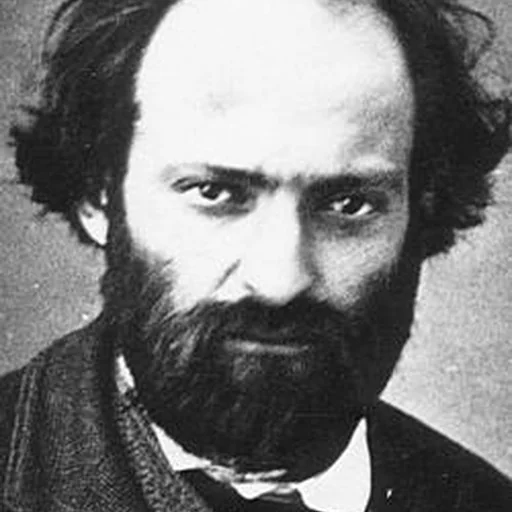
Paul Cézanne was born on January 19, 1839, in Aix-en-Provence, the son of a hatter turned wealthy banker.

 Harlequin
 The Card Players
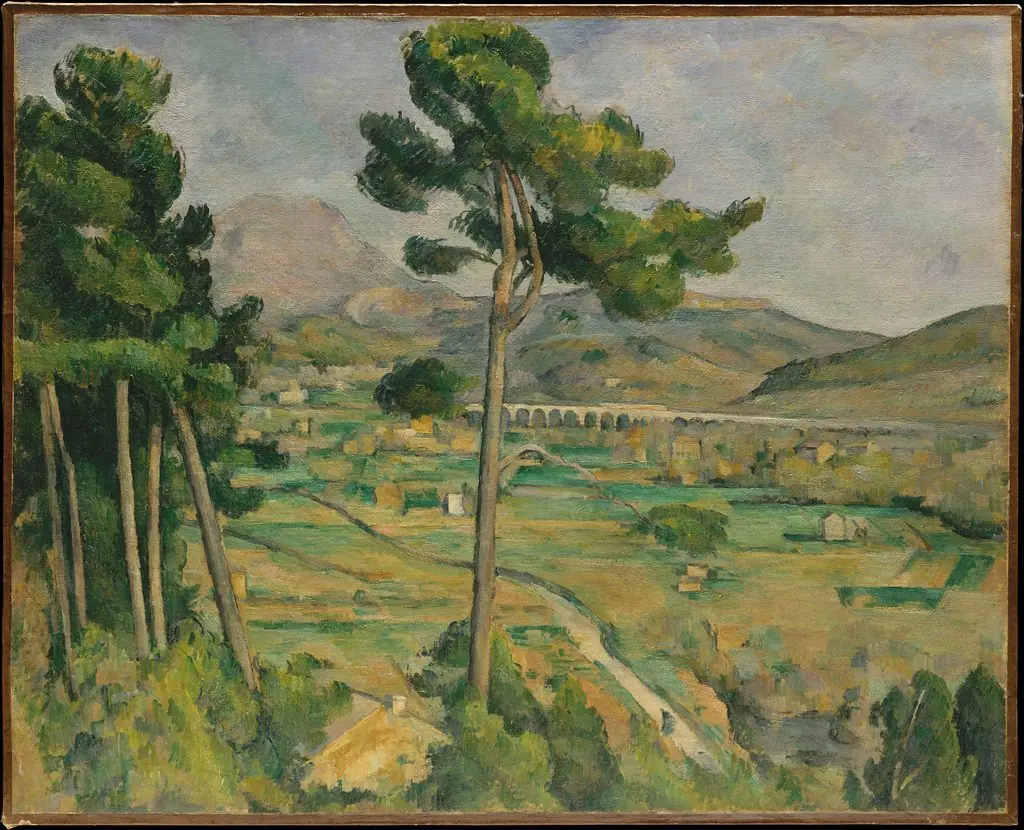 Mont Sainte-Victoire and the Viaduct of the Arc River Valley
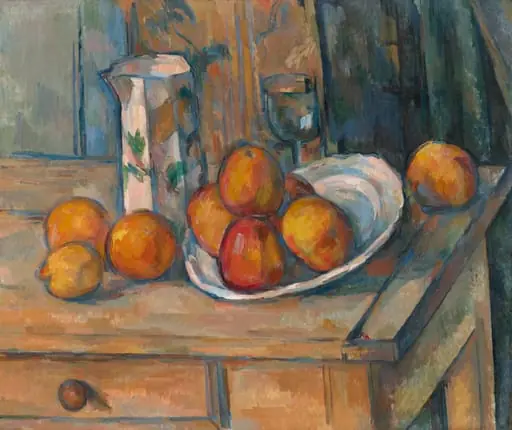 Still Life with Milk Jug and Fruit
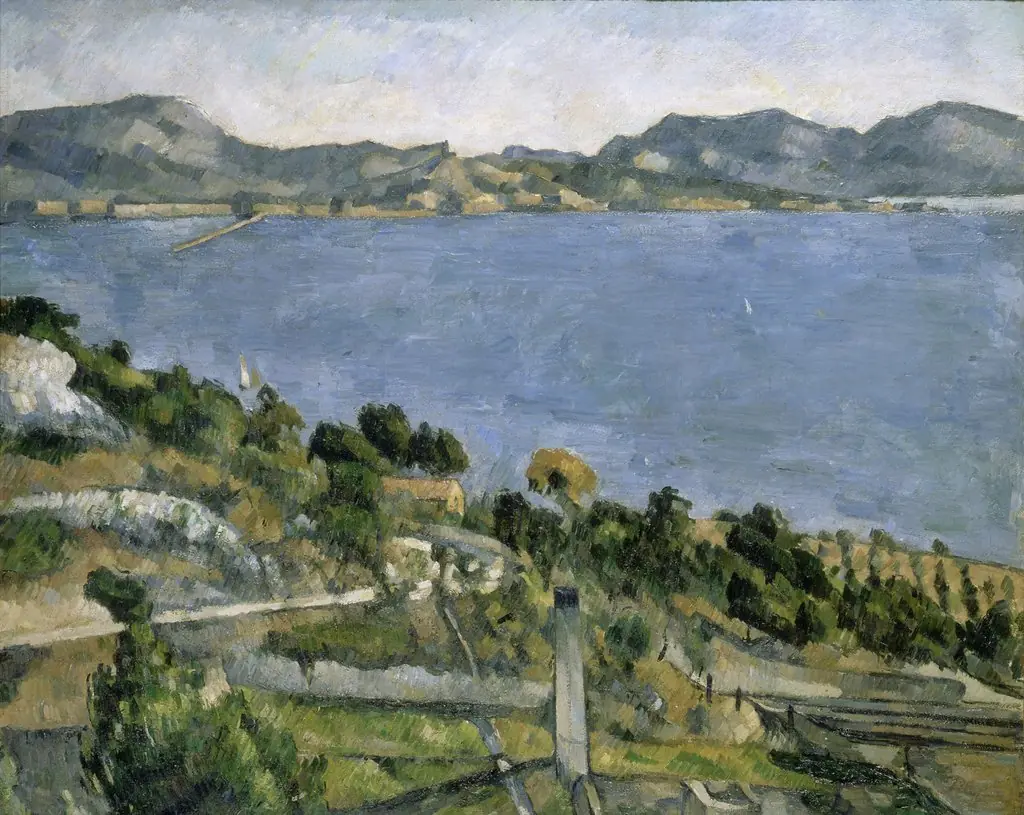 Le Golfe de Marseille vu de l'Estaque (The Gulf of Marseille Seen from L'Estaque)
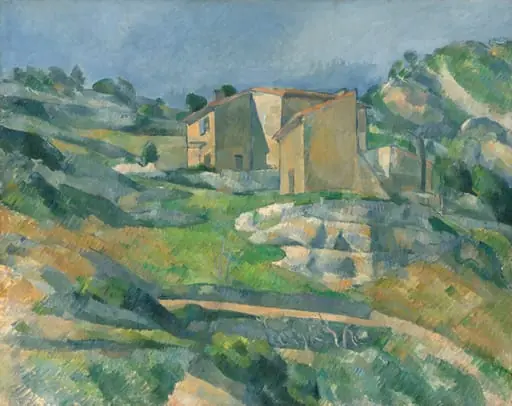 Houses in Provence: The Riaux Valley near L'Estaque
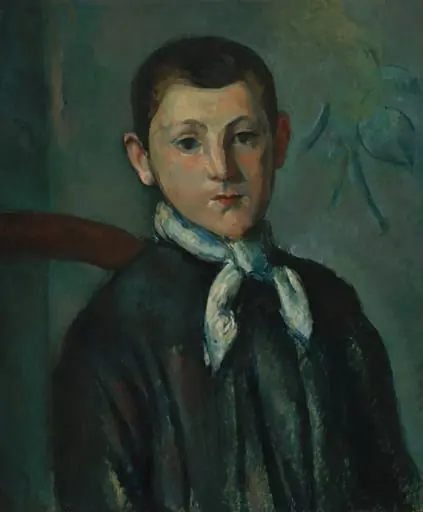 Louis Guillaume
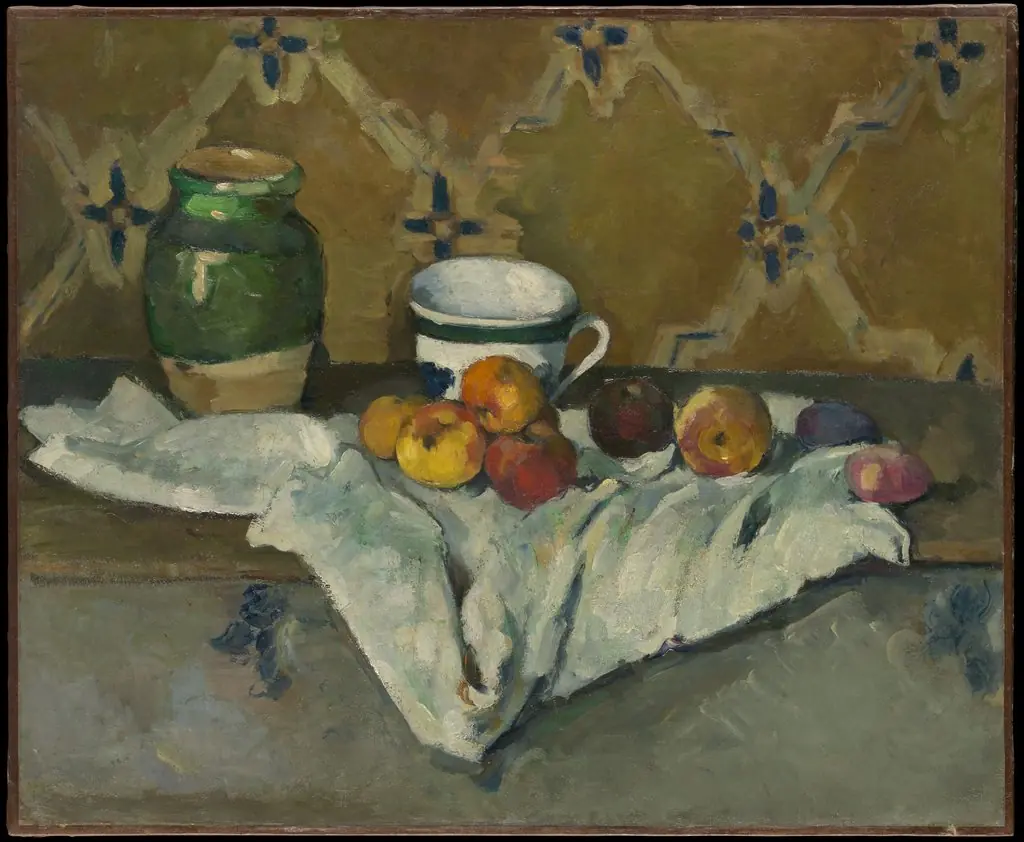 Still Life with Jar, Cup, and Apples