Artwork
La Route tournante (Turn in the Road)
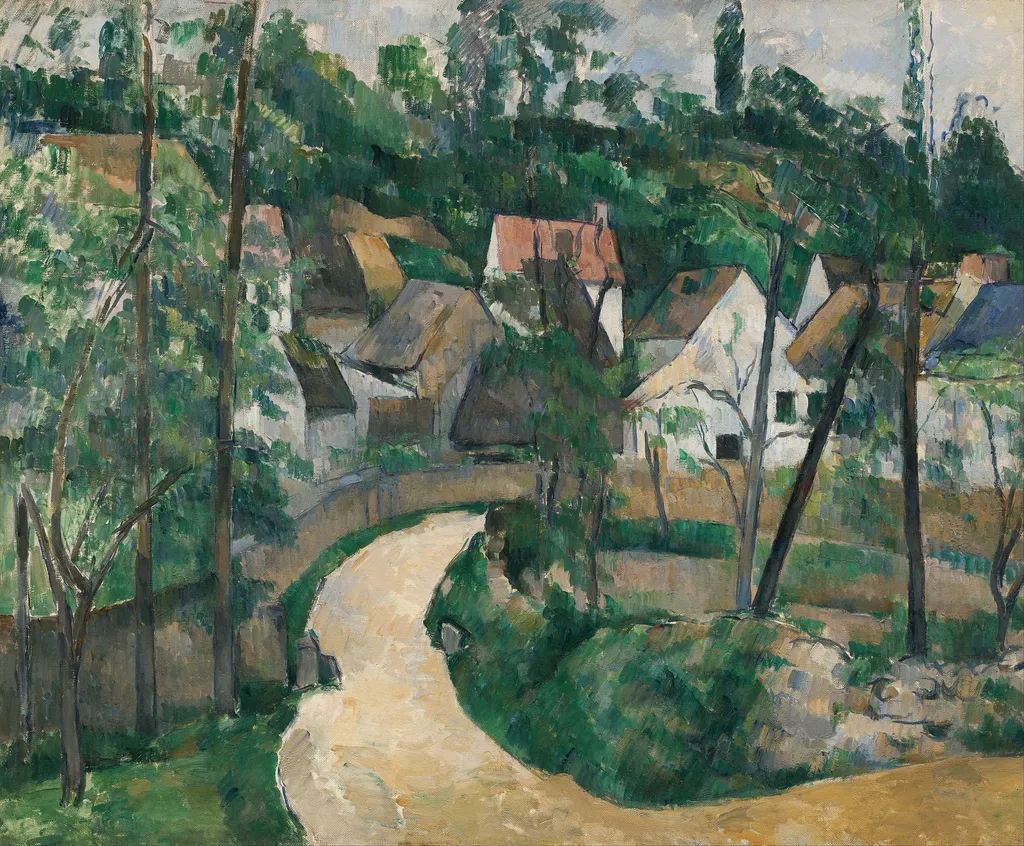
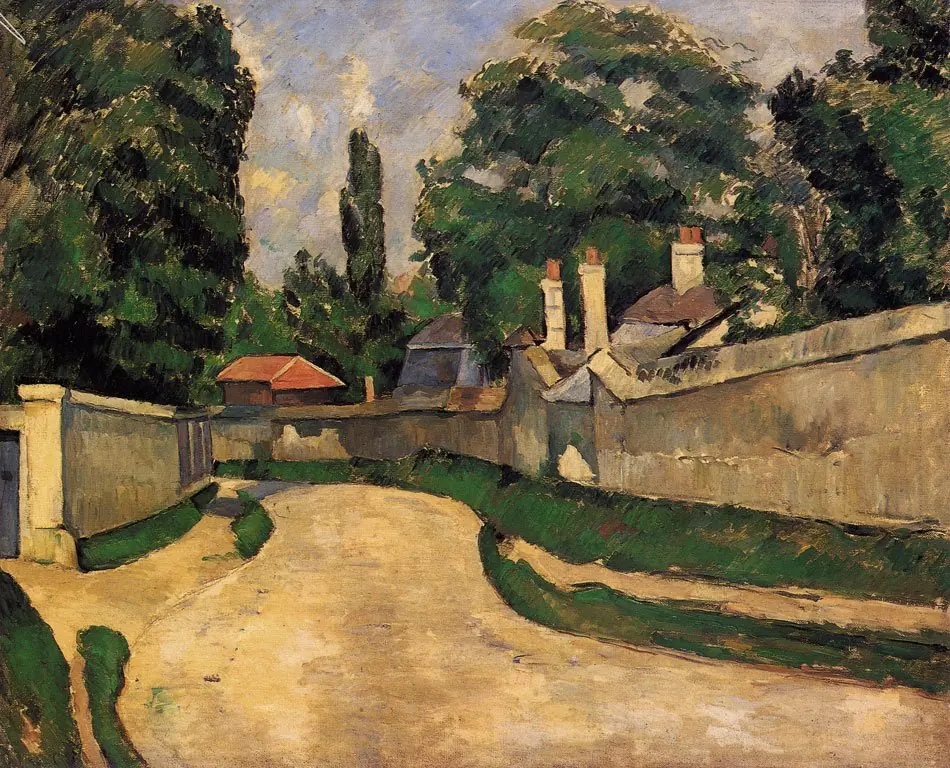
La Route tournante (Turn in the Road) is an oil painting by the Post-Impressionist artist Paul Cezanne. It dates from 1890 and is held in the collection of the Museum of Fine Arts Boston. Painted in 1890, *La Route tournante* is a landscape by Paul Cézanne that reflects his evolving approach to natural form.
About this work
Overview
Painted in 1890, *La Route tournante* is a landscape by Paul Cézanne that reflects his evolving approach to natural form.
Painted in 1890, *La Route tournante* is a landscape by Paul Cézanne that reflects his evolving approach to natural form. Rather than capturing fleeting light or atmosphere, he sought to reveal the underlying structure of the scene. The winding road, flanked by trees and distant dwellings, becomes a vehicle for organizing space through color and shape, marking a shift from Impressionist spontaneity toward a more deliberate, architectural vision.
Subject & Meaning
The painting presents a quiet rural path curving through a wooded area, with modest houses visible in the distance. There is no narrative or human activity—only the quiet persistence of nature and human habitation coexisting. The road’s turn suggests movement without arrival, inviting contemplation rather than storytelling. Cézanne’s focus on the geometry of the landscape implies a deeper interest in permanence over transience.
Technique & Style
Cézanne applied paint in short, directional strokes that build form through color modulation rather than line. Foliage is rendered with loose, textured patches, while the road and rooftops are defined with more controlled, planar strokes. The muted palette of greens, browns, and grays unifies the composition, and subtle shifts in hue suggest volume and depth. This method abandons traditional perspective in favor of a flattened, multi-perspective spatial logic.
History & Provenance
Created during a period of intense experimentation in Cézanne’s career, the painting remained in private hands until entering the Museum of Fine Arts, Boston’s collection. Its acquisition reflects the growing recognition of Cézanne’s influence in the early 20th century. The work has been consistently exhibited as an example of his mature style, contributing to scholarly understanding of his role in the transition to modern abstraction.
Context
In the 1890s, Cézanne distanced himself from the Impressionists’ emphasis on optical effects, seeking instead to construct paintings as autonomous objects with internal logic. *La Route tournante* aligns with his broader project of redefining landscape through structure and color relationships. His work during this time influenced younger artists like Picasso and Braque, who would later develop Cubism by extending his formal innovations.
Legacy
The painting exemplifies Cézanne’s lasting impact on modern art through its rejection of illusionistic depth in favor of compositional integrity. His method of building form with color planes became foundational for 20th-century abstraction. *La Route tournante* remains a key reference in discussions of how perception and structure can be reconciled in painting, continuing to inform artists and critics alike.
Own this work as a print
Artist & collection
Artist
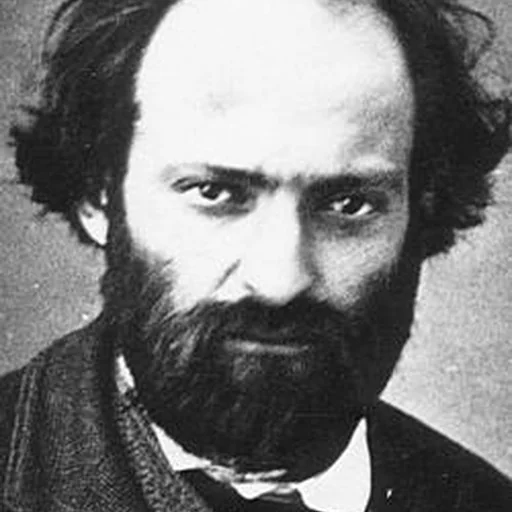
Paul Cézanne was born on January 19, 1839, in Aix-en-Provence, the son of a hatter turned wealthy banker.

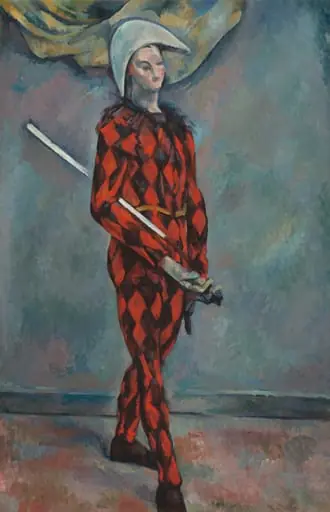 Harlequin
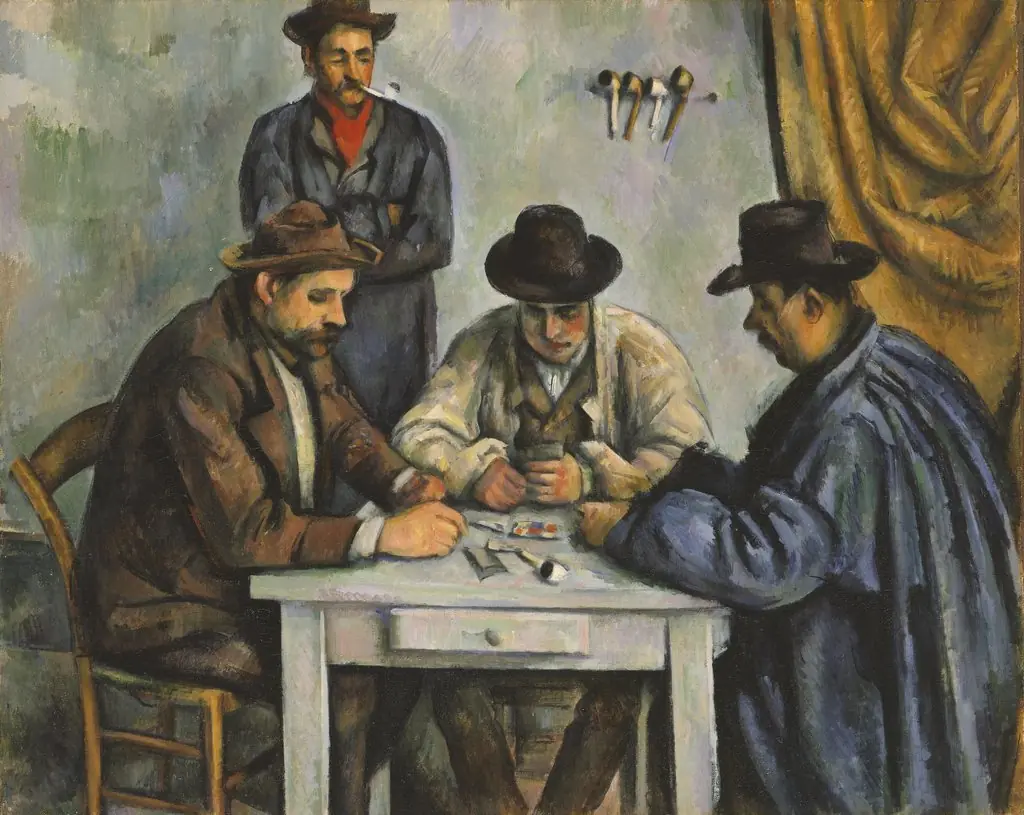 The Card Players
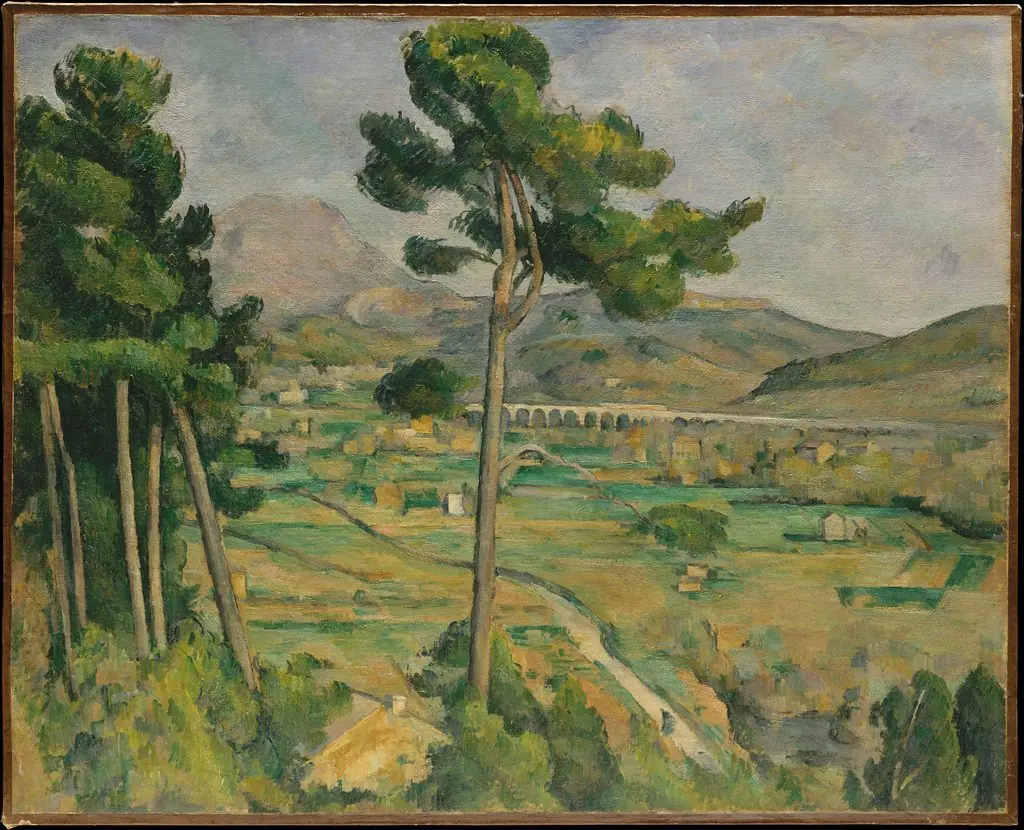 Mont Sainte-Victoire and the Viaduct of the Arc River Valley
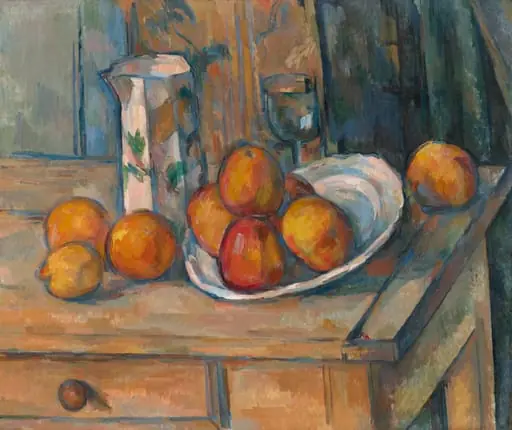 Still Life with Milk Jug and Fruit
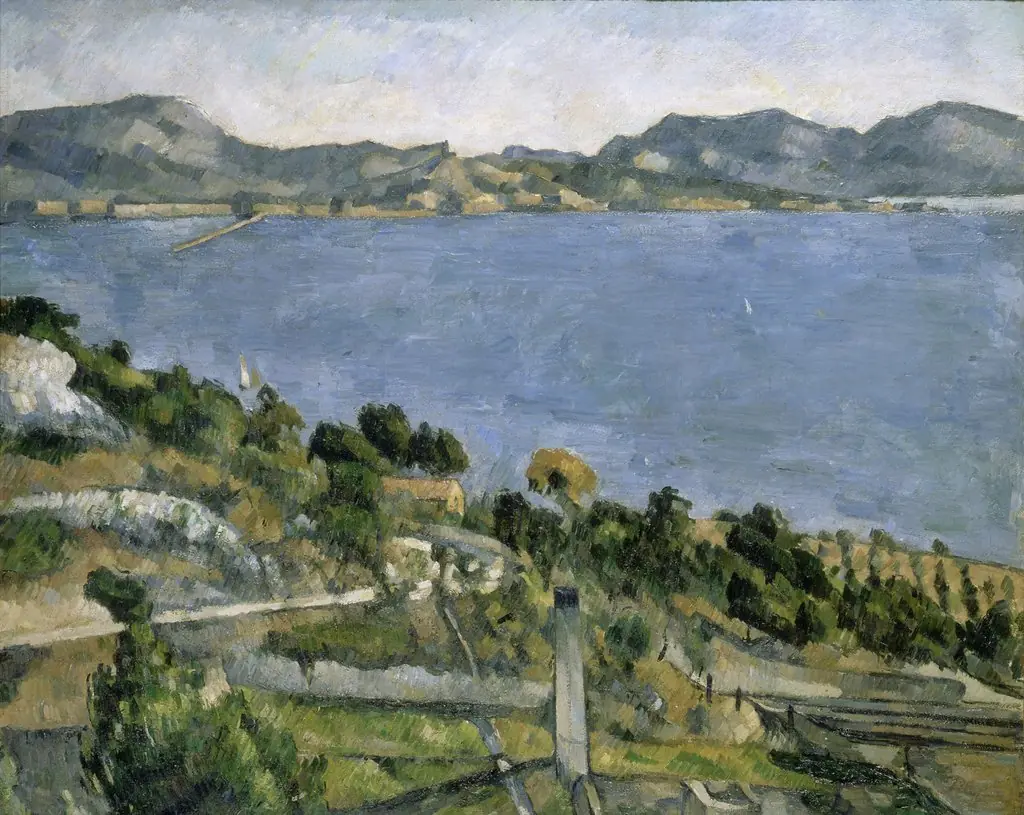 Le Golfe de Marseille vu de l'Estaque (The Gulf of Marseille Seen from L'Estaque)
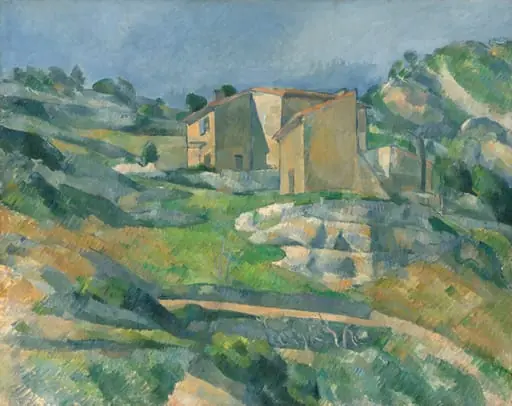 Houses in Provence: The Riaux Valley near L'Estaque
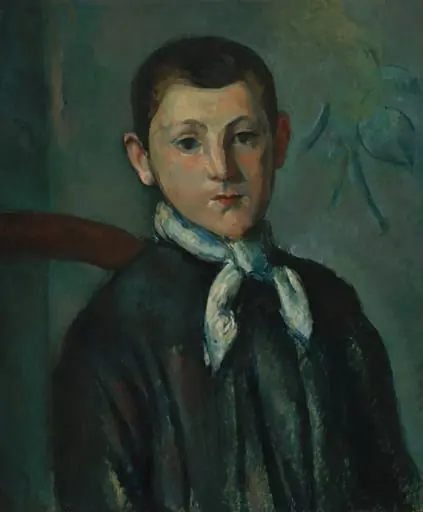 Louis Guillaume
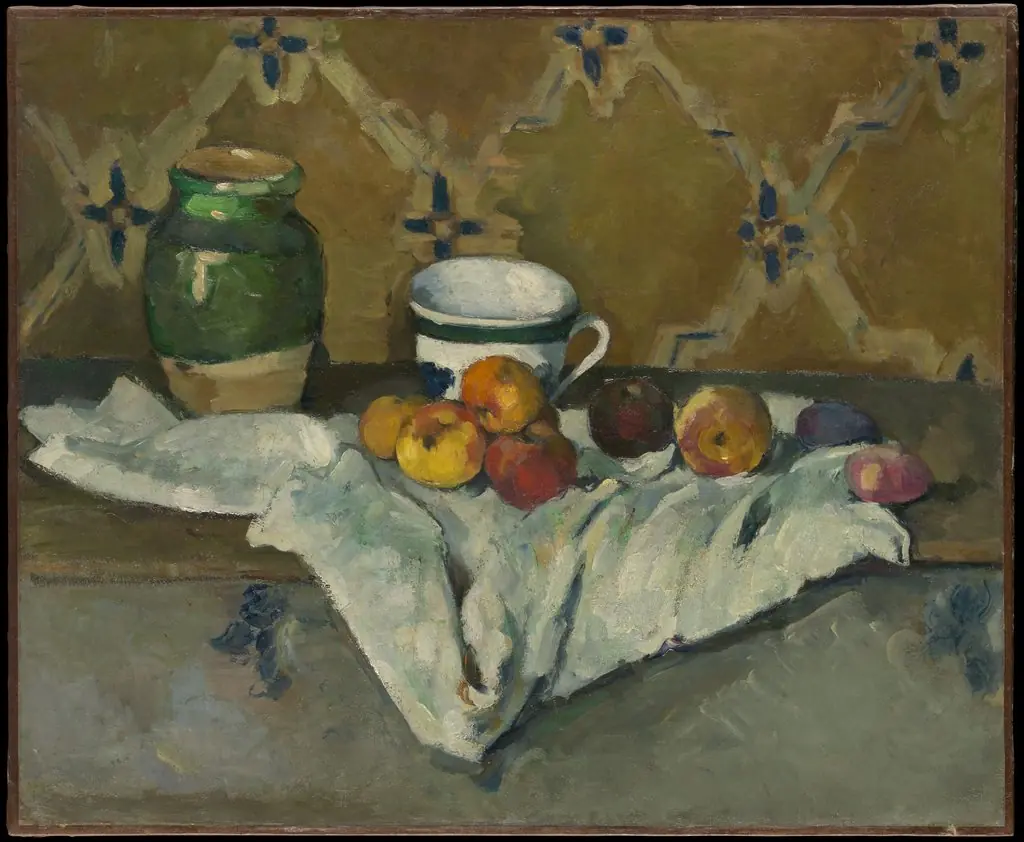 Still Life with Jar, Cup, and Apples