Artwork
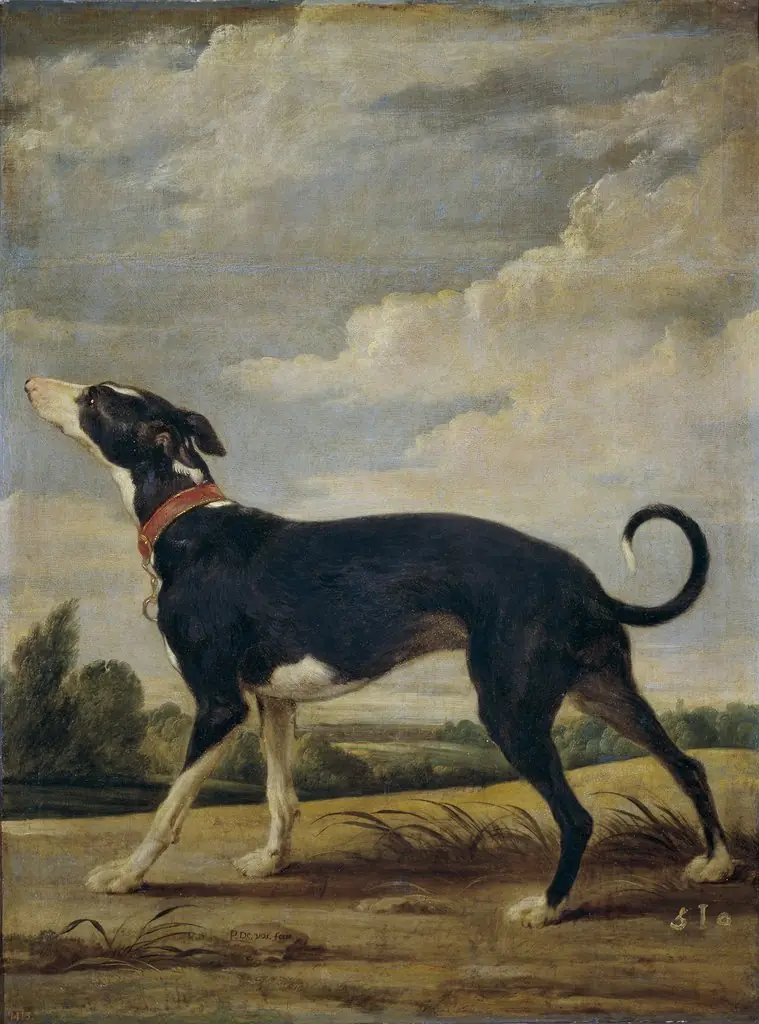
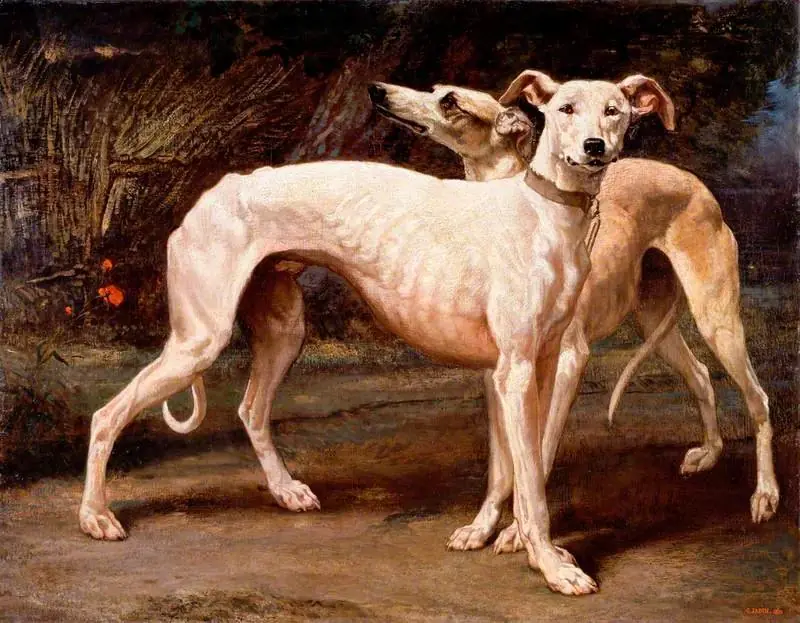
A white greyhound
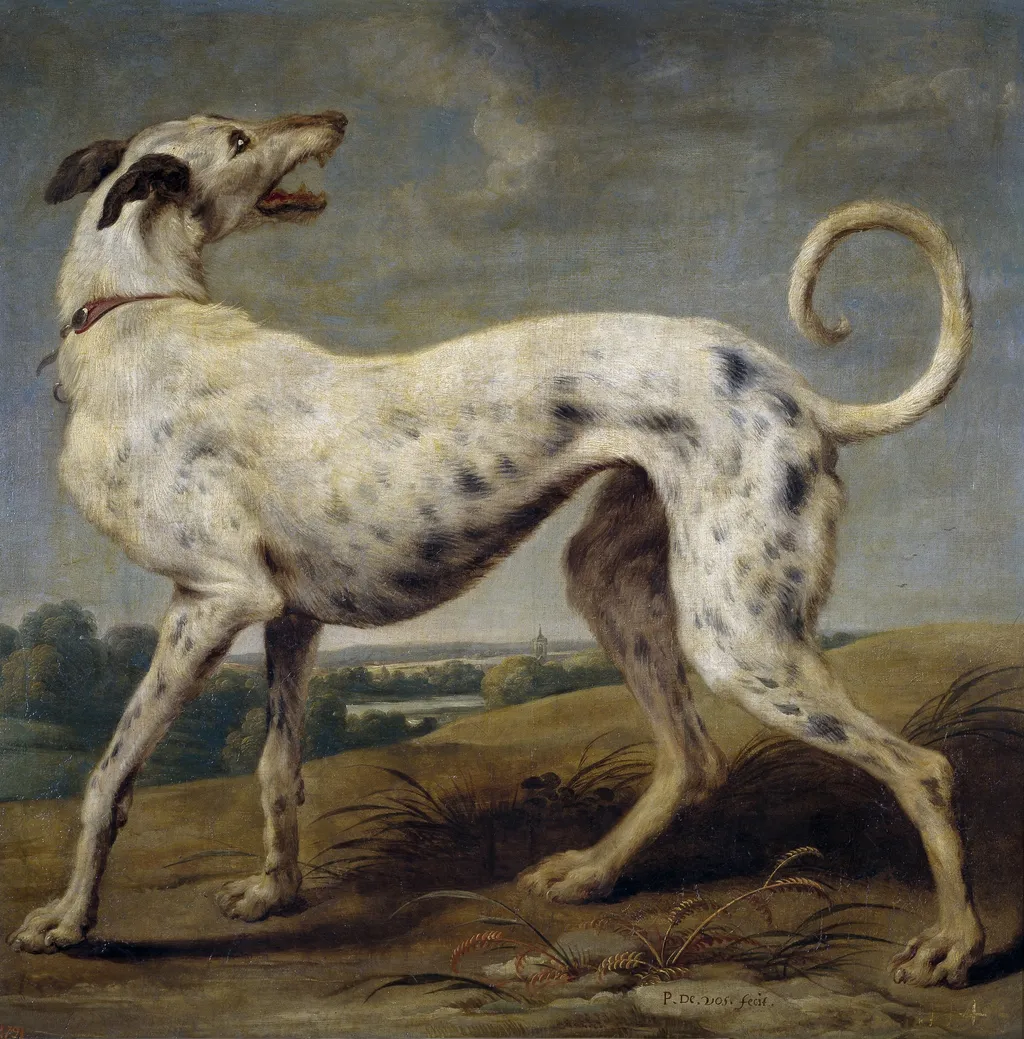
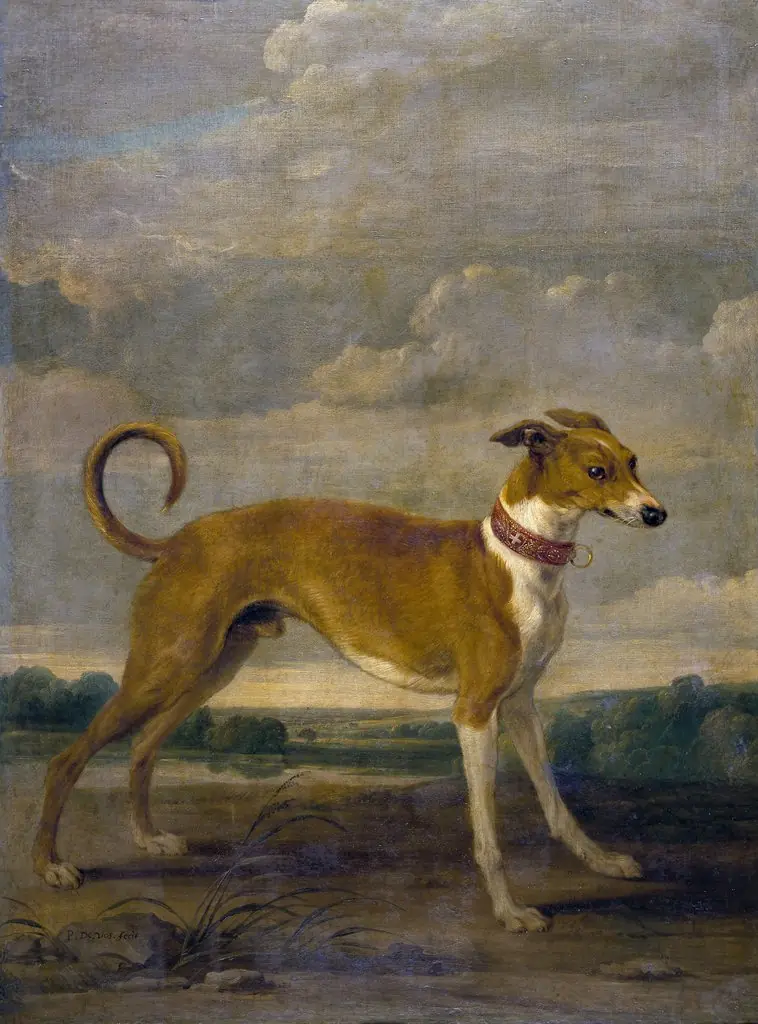
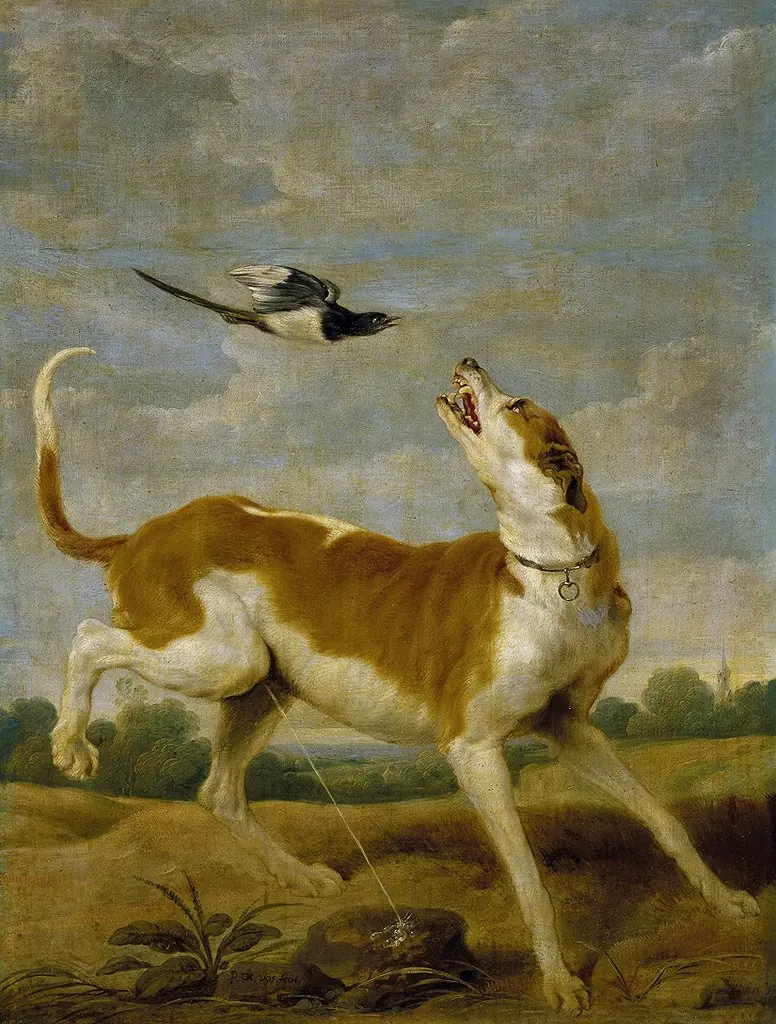
A white greyhound is an oil painting by the Flemish Baroque painting artist Paul de Vos. It dates from 1636 and is held in the collection of the Museo del Prado.
About this work
Overview
Created in 1636 by the Flemish Baroque painter Paul de Vos, this oil painting presents a solitary white greyhound set against a muted landscape.
Created in 1636 by the Flemish Baroque painter Paul de Vos, this oil painting presents a solitary white greyhound set against a muted landscape. The animal occupies the foreground, its pale coat and red collar contrasting with the darker foliage, fields, and a distant water surface under a cloud‑filled sky. The composition emphasizes the dog’s form and posture, drawing the viewer’s eye to its alert gaze.
Subject & Meaning
The central figure is a white greyhound, rendered with meticulous attention to its sleek body, black spots, and curled tail. The animal’s upward glance toward the left suggests alertness or anticipation, a common motif in hunting imagery that underscores the breed’s reputation for speed and keen senses. The surrounding countryside provides a natural context, reinforcing the dog’s role as a creature of the field.
Technique & Style
De Vos employs the rich, layered qualities of oil paint to achieve a high degree of realism. Fine brushwork delineates the texture of the dog’s fur, while broader strokes suggest foliage and sky, creating depth through atmospheric perspective. The palette balances cool greens and earth tones with the bright white of the greyhound and the vivid red of its collar, a typical Baroque play of light and color.
History & Provenance
The work belongs to the collection of the Museo del Prado, where it has been displayed as part of the museum’s holdings of Flemish Baroque art. De Vos, active in Antwerp, often collaborated with leading artists such as Anthony van Dyck and Peter Paul Rubens, catering to aristocratic patrons who favored detailed animal and hunting scenes.
Context
During the early 17th century, Flemish painters specialized in genre scenes that celebrated the aristocratic pastime of hunting. De Vos’s focus on a single animal reflects this tradition, while also aligning with the period’s broader interest in naturalistic representation. The painting exemplifies the era’s fascination with portraying animals as symbols of status, skill, and the natural world.
Own this work as a print
Artist & collection
Artist
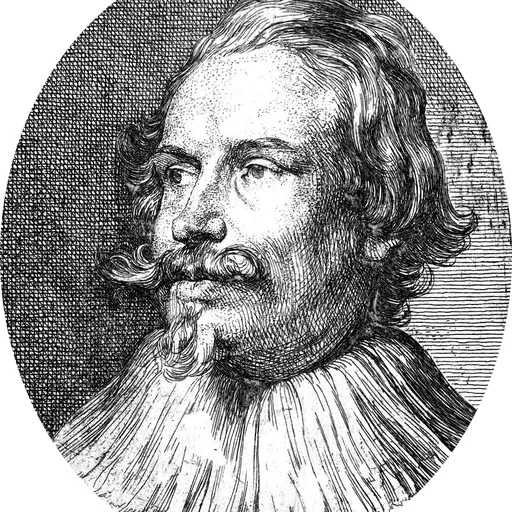
Paul de Vos (1591/92, or 1595 in Hulst – 30 June 1678 in Antwerp) was a Flemish Baroque painter who specialized in mainly in compositions of animals, hunting scenes and still lifes.