Artwork
The Death of Cordelia (from William Shakespeare's 'King Lear')
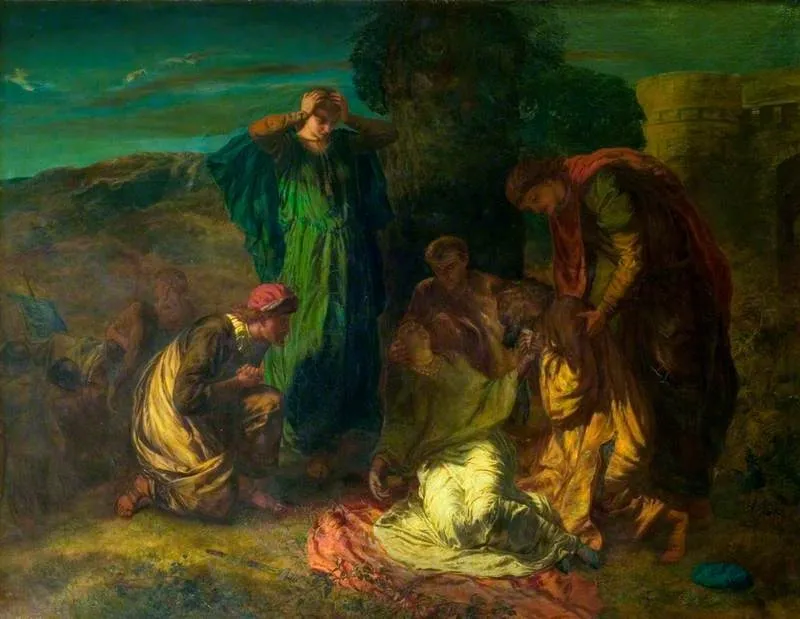
The Death of Cordelia (from William Shakespeare's 'King Lear') is an oil painting by the British Romanticist artist Paul Falconer Poole. It dates from 1858 and is held in the collection of the Victoria and Albert Museum.
About this work
Overview
The Death of Cordelia is an 1858 oil painting by Paul Falconer Poole, illustrating the final scene from Shakespeare's King Lear. It is a representative work of the British Romantic movement.
Subject & Meaning
The painting depicts the aftermath of Cordelia's execution, with her lifeless body surrounded by mourners in a somber, rocky landscape. The scene conveys intense emotional grief and loss.
Technique & Style
Poole's use of color and composition emphasizes the emotional intensity of the scene, characteristic of his poetic and dramatic style as a self-taught genre painter.
History & Provenance
The painting is now held at the Victoria and Albert Museum, a testament to its enduring significance in the art historical canon.
Artist & collection
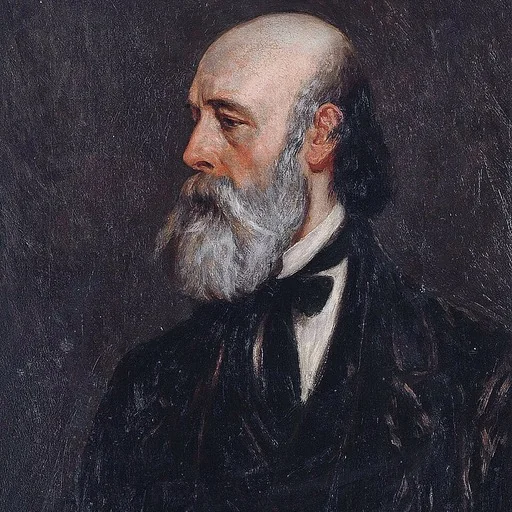
Artist
Paul Falconer Poole (1807–1879) was a British subject and genre painter. Though self-taught, his fine feeling for colour, poetic sympathy, and dramatic power gained Poole a high position among British artists.

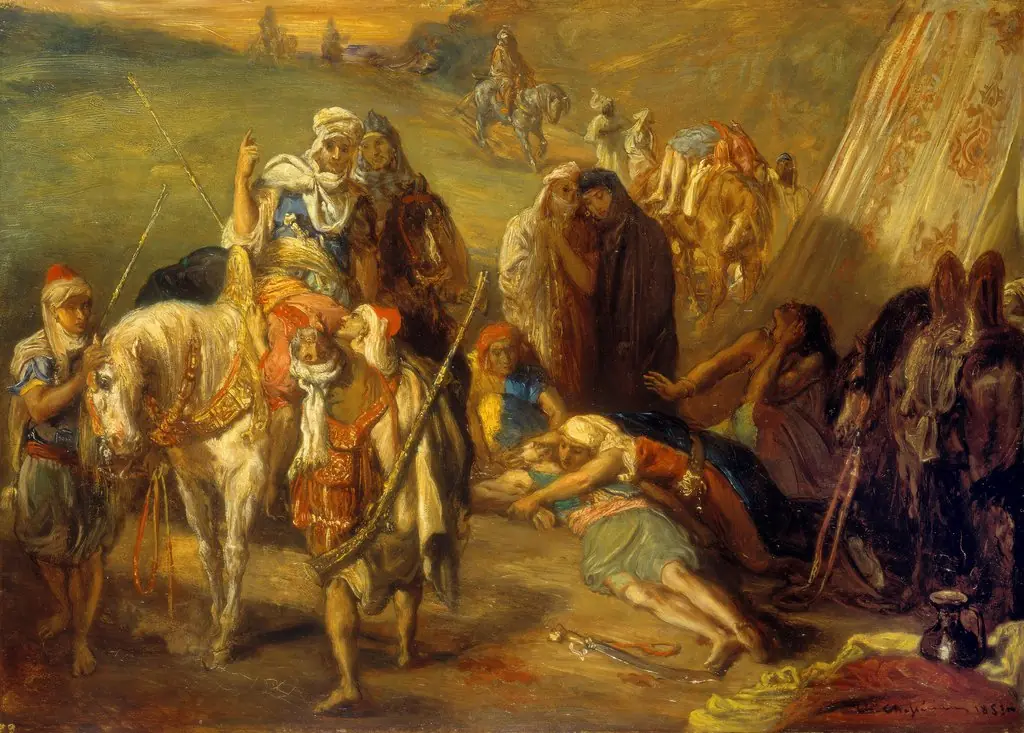 Recovery of Wounded Warriors
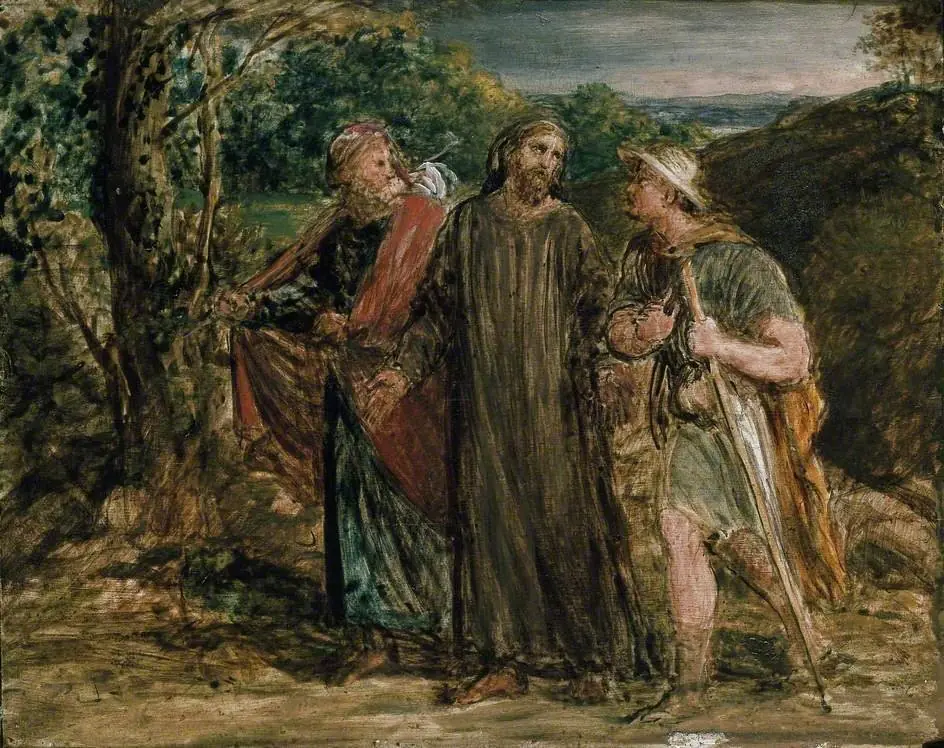 Sketch for 'Christ's Appearance to the two Disciples journeying to Emmaus'
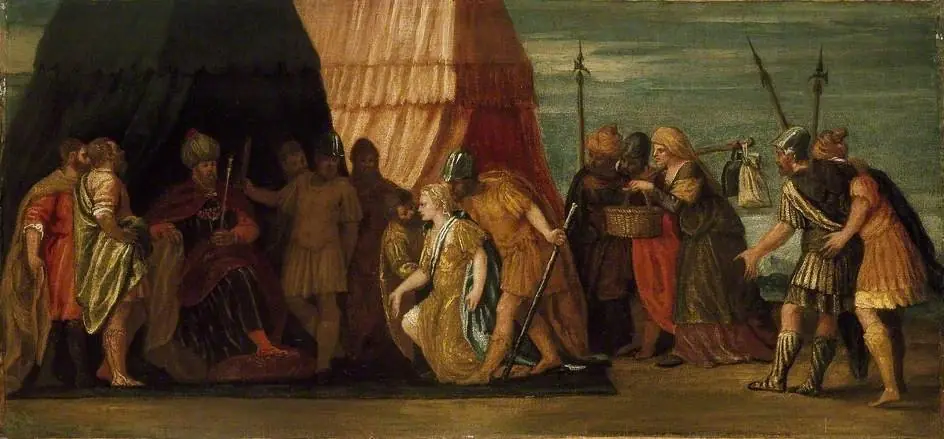 Judith received by Holofernes
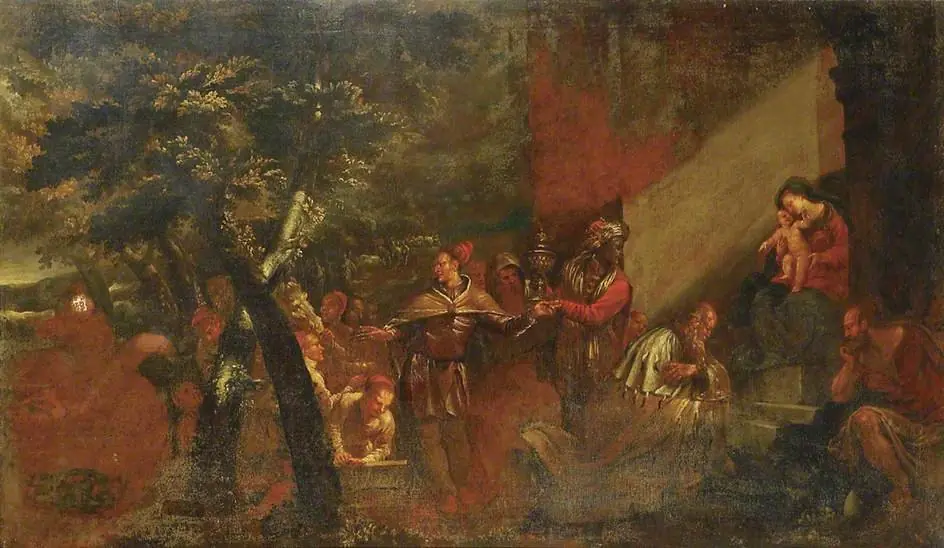 The Adoration of the Magi
 Halt by the Jordan
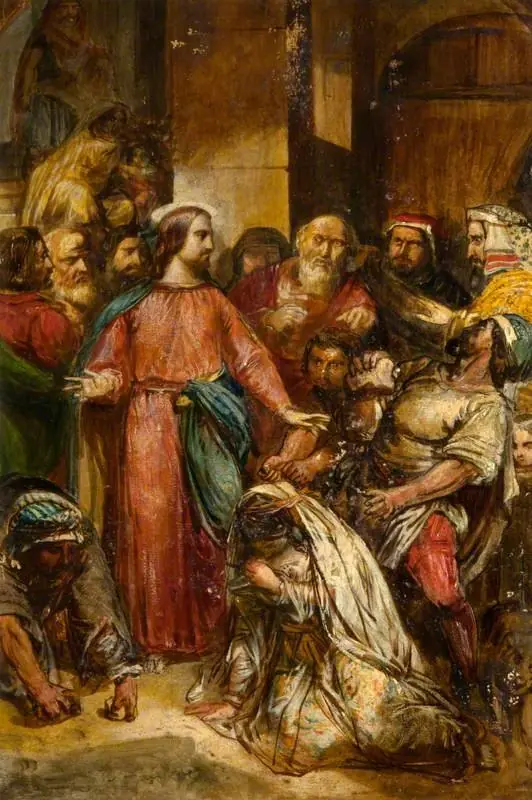 Christ and the Woman Taken in Adultery
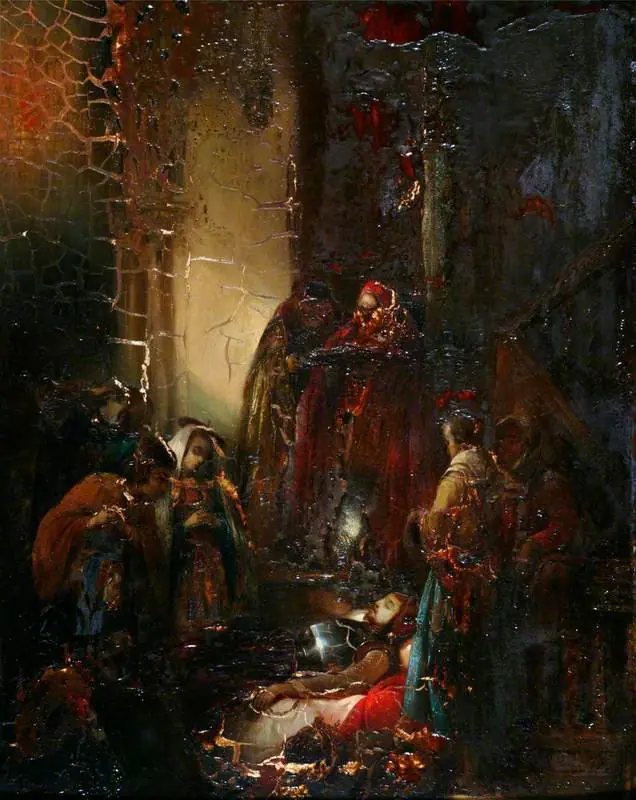 The Knight's Funeral
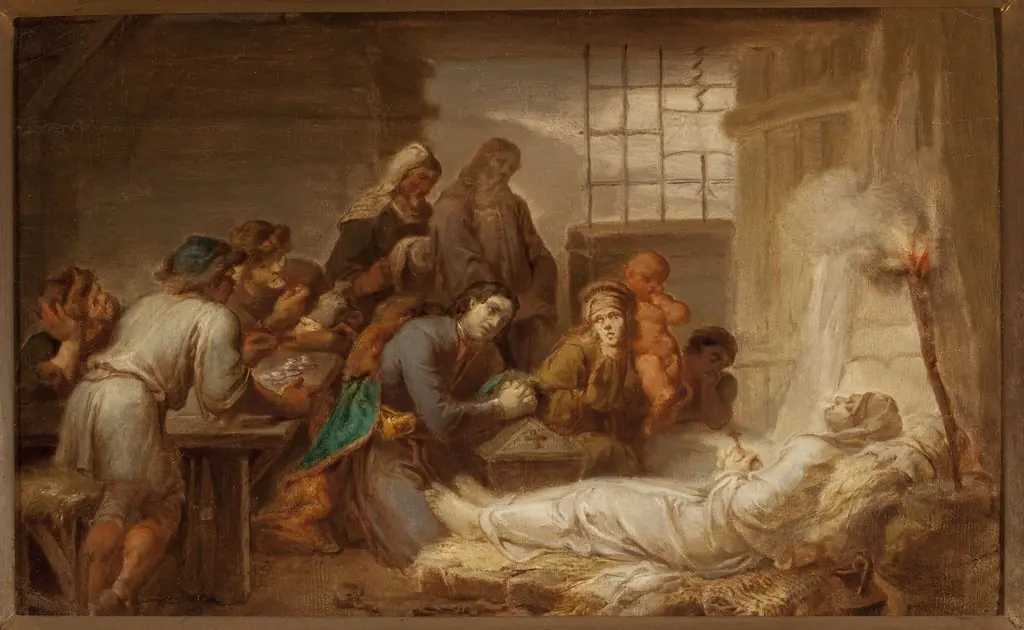 Death in exile
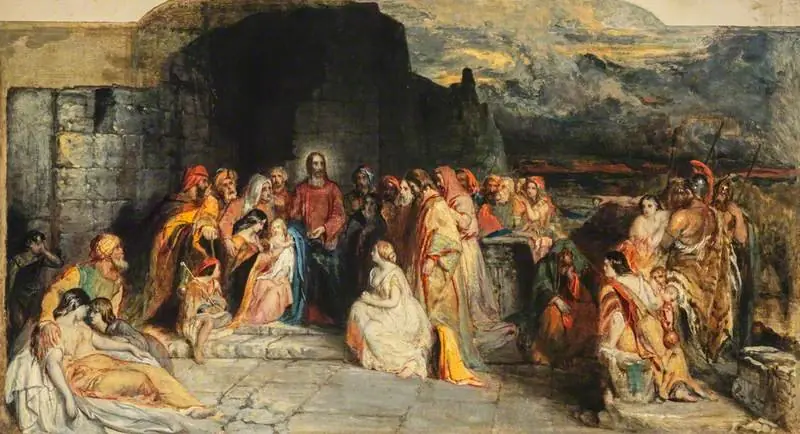 A Study for 'Christ Teacheth Humility'
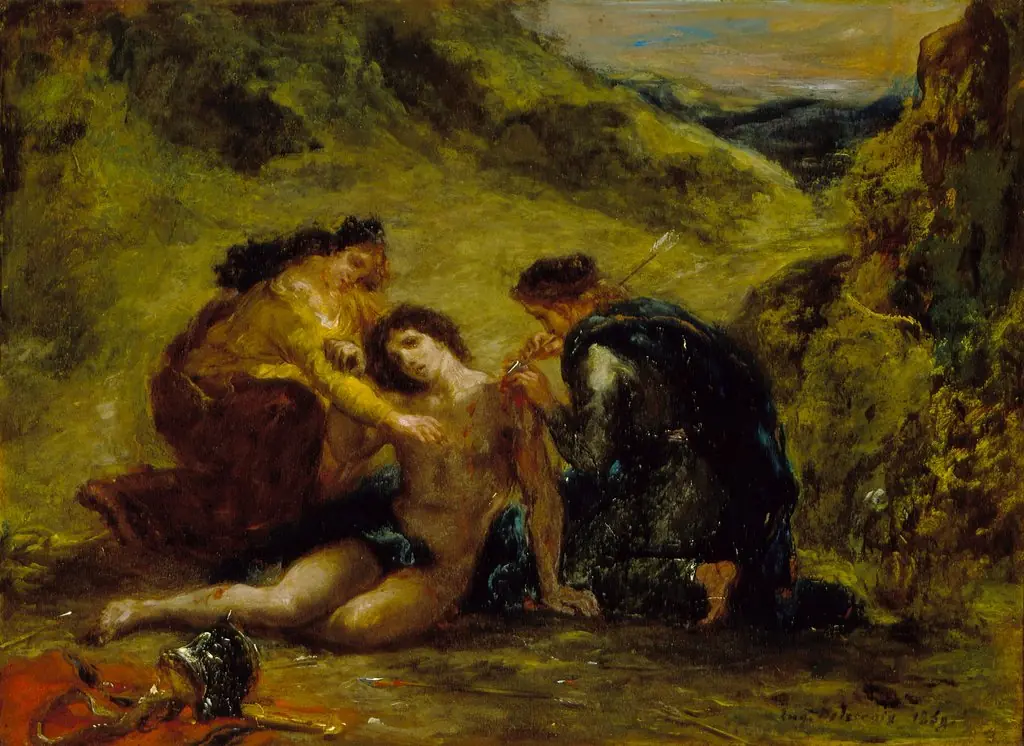 St. Sebastian with St. Irene and Attendant
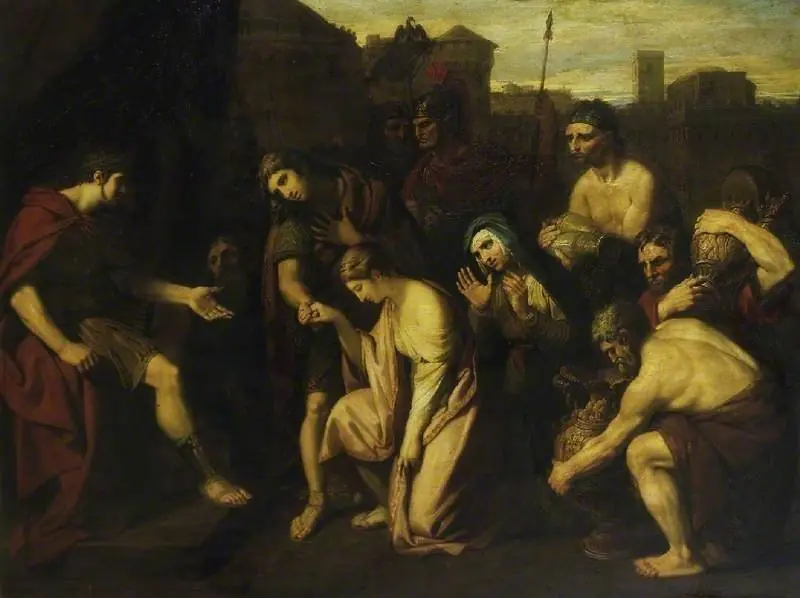 The Continence of Scipio
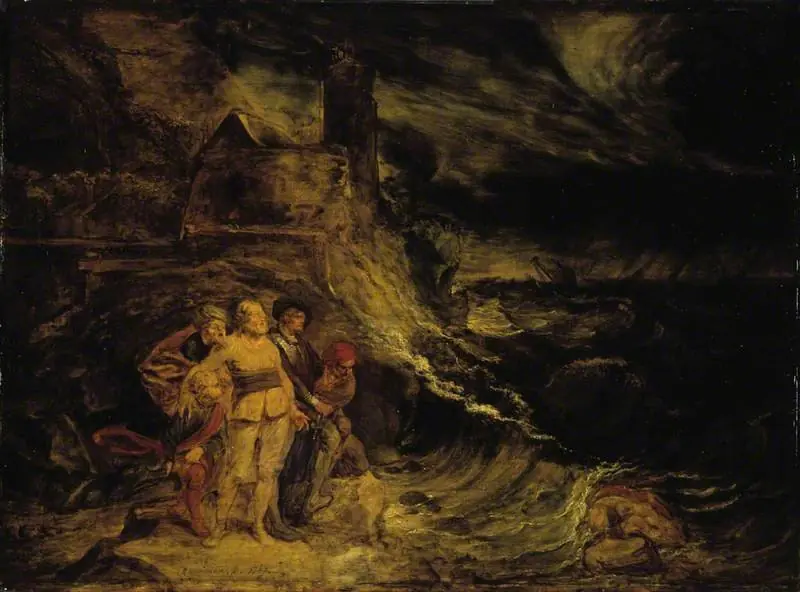 King Lear in the Storm