Artwork
Breton Bathers
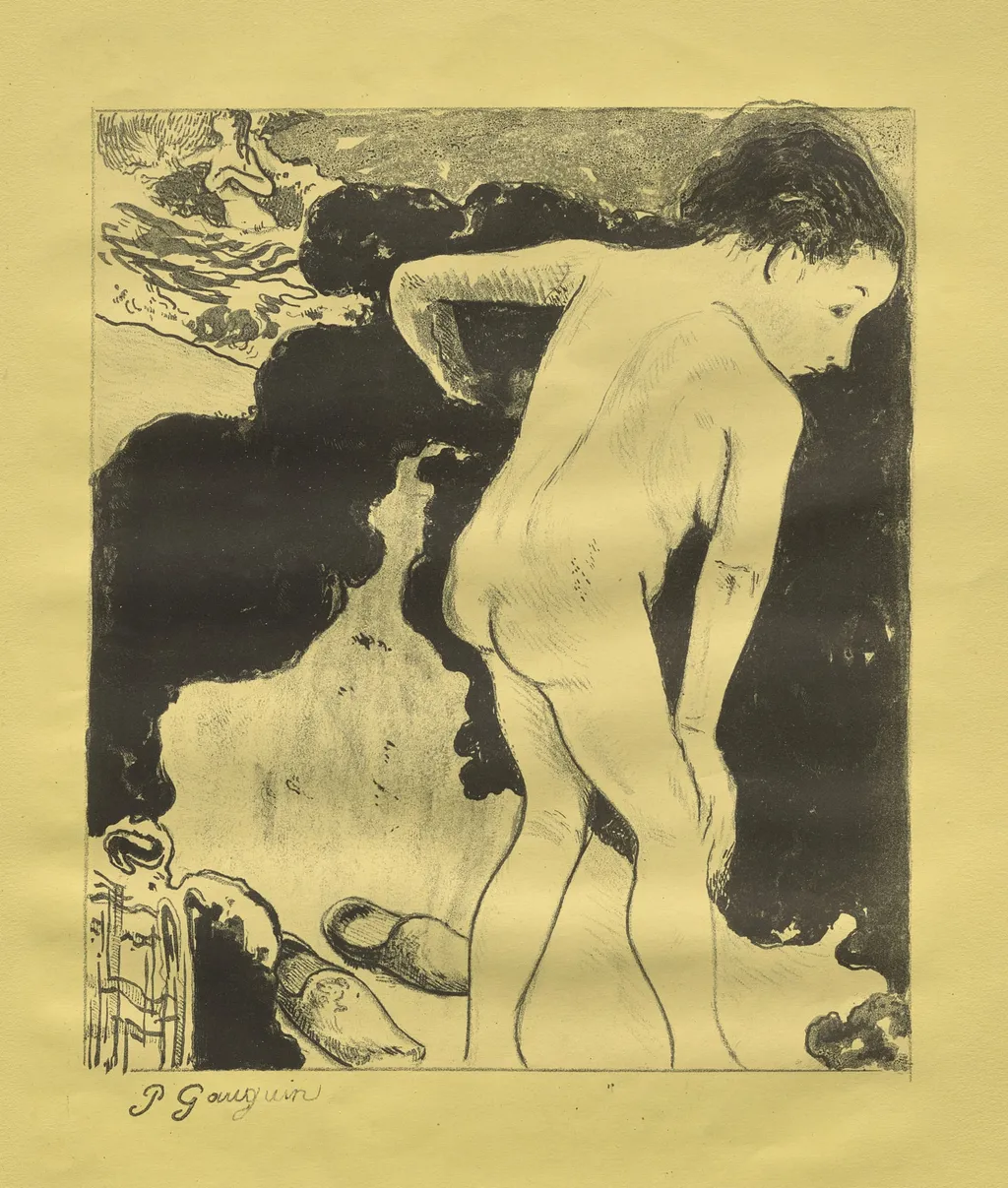
Breton Bathers is a print by the Impressionist artist Paul Gauguin. It dates from 1889 and is held in the collection of the Cleveland Museum of Art.
About this work
Overview
Moving beyond Impressionism, Gauguin embraced Synthetism, reducing natural forms to essential shapes and using flat areas of color.
Created in 1889, *Breton Bathers* is a monotype by Paul Gauguin, produced during a period of intense formal experimentation. Moving beyond Impressionism, Gauguin embraced Synthetism, reducing natural forms to essential shapes and using flat areas of color. This print reflects his interest in expressive simplicity and emotional resonance over optical realism, aligning with his broader shift toward symbolic representation.
Subject & Meaning
The print shows a solitary female figure in a Breton countryside, bent forward with one arm raised, her back turned to the viewer. The nudity and rural setting evoke a sense of primal stillness, detached from narrative or moral context. Gauguin sought to connect with what he perceived as authentic, pre-industrial life, drawing inspiration from local traditions and his own idealized visions of innocence and nature.
Technique & Style
Gauguin employed the monotype process, pressing inked forms onto paper to create a single, unique impression. He left large areas of uninked paper to suggest light, contrasting with dense, gestural strokes that define the figure and landscape. The loose, rapid lines and unrefined edges give the work a spontaneous, almost provisional quality, emphasizing intuition over precision.
History & Provenance
Produced during Gauguin’s stay in Pont-Aven, Brittany, this print emerged from a productive phase following his departure from Parisian art circles. It was made alongside other experimental works as he distanced himself from academic norms. The piece remained in his personal collection until his death, later entering institutional holdings through private acquisitions and estate distributions.
Context
In the late 1880s, Gauguin joined other artists in Brittany seeking alternatives to urban modernity. He was influenced by local folk art, Celtic motifs, and non-Western aesthetics, which he encountered through ethnographic collections and travel literature. This context shaped his desire to strip away naturalism and construct images rooted in emotion and symbolic meaning rather than observed reality.
Legacy
Though less known than his paintings, *Breton Bathers* exemplifies Gauguin’s innovative printmaking methods and his commitment to expressive abstraction. The work influenced later Symbolist and Expressionist artists who valued emotional intensity over technical finish. Its raw, unfinished quality challenged conventional notions of artistic completion, expanding the possibilities of graphic art in the modern era.
Artist & collection
Artist
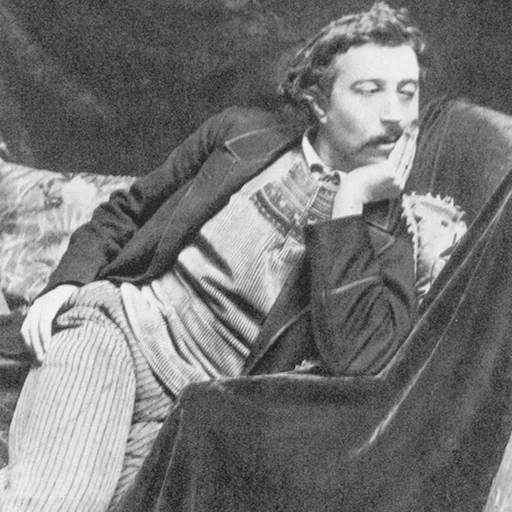
Eugène Henri Paul Gauguin (; French: ; 7 June 1848 – 8 May 1903) was a French painter, sculptor, printmaker, ceramist, and writer, whose work has been primarily associated with the Post-Impressionist and Symbolist movements.

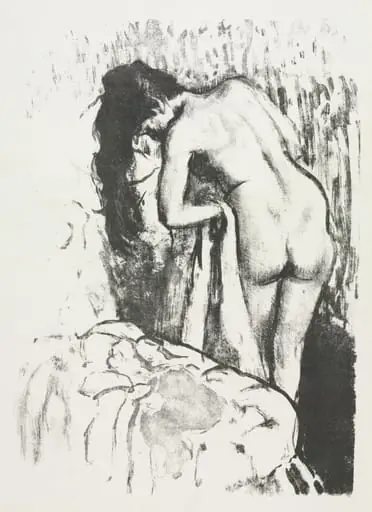 Nude Woman Standing, Drying Herself
![Mahna no Varua Ino (The Demon Speaks) [verso], by Paul Gauguin](https://artifactworldgallery.com/img/paul-gauguin--mahna-no-varua-ino-the-demon-speaks-verso--4d5371963e3166cc-w320.webp) Mahna no Varua Ino (The Demon Speaks) [verso]
Mahna no Varua Ino (The Demon Speaks) [verso]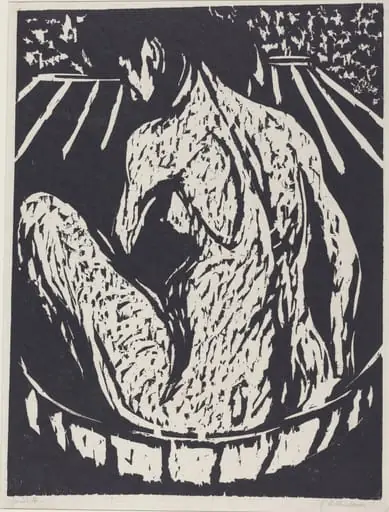 Female Nude
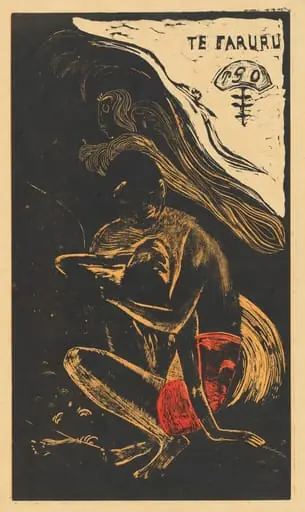 Te Faruru (They are Making Love Here)
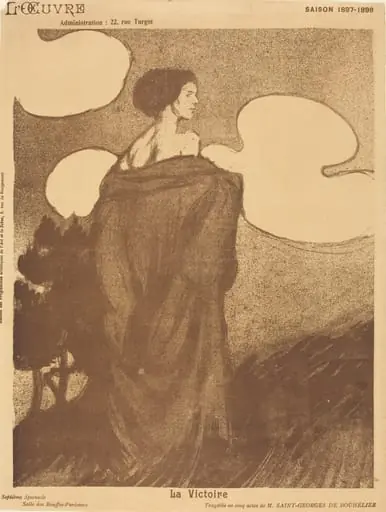 La Victoire
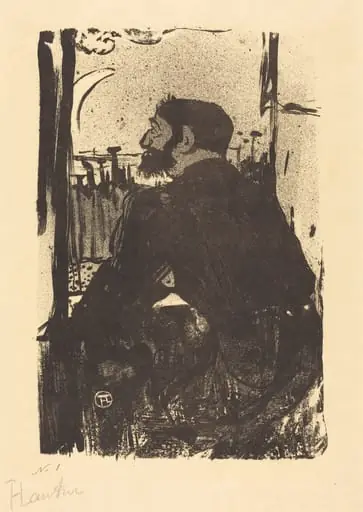 Sleepless Night (Nuit blanche)
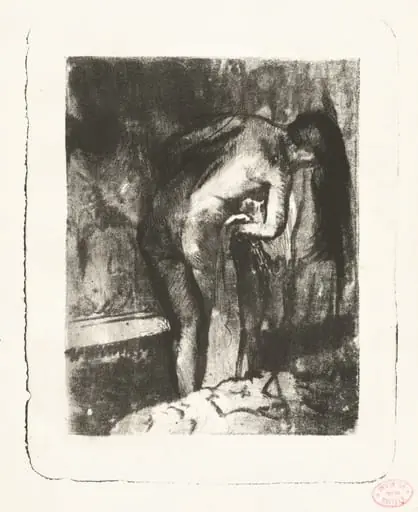 Après le Bain II (After the Bath II)
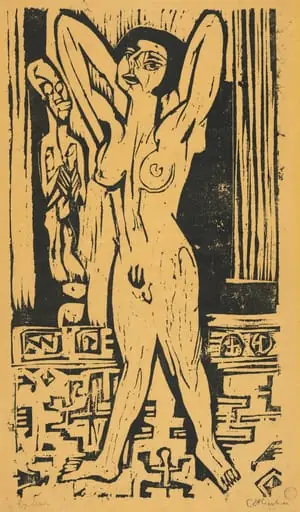 Naked Girl on a Carpet (Nacktes Mädchen auf Teppich)
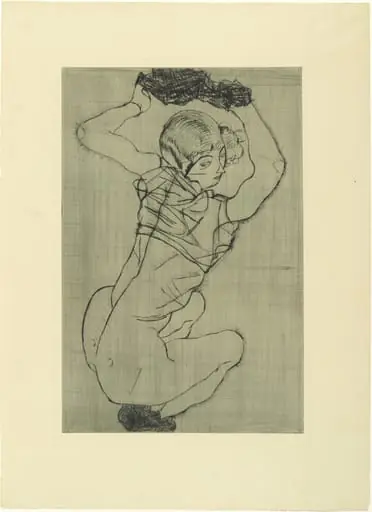 Untitled
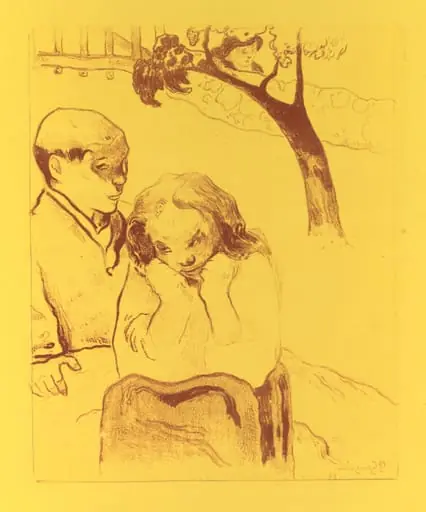 Volpini Suite: Human Misery (Misères Humaines)