Artwork
Sunflowers
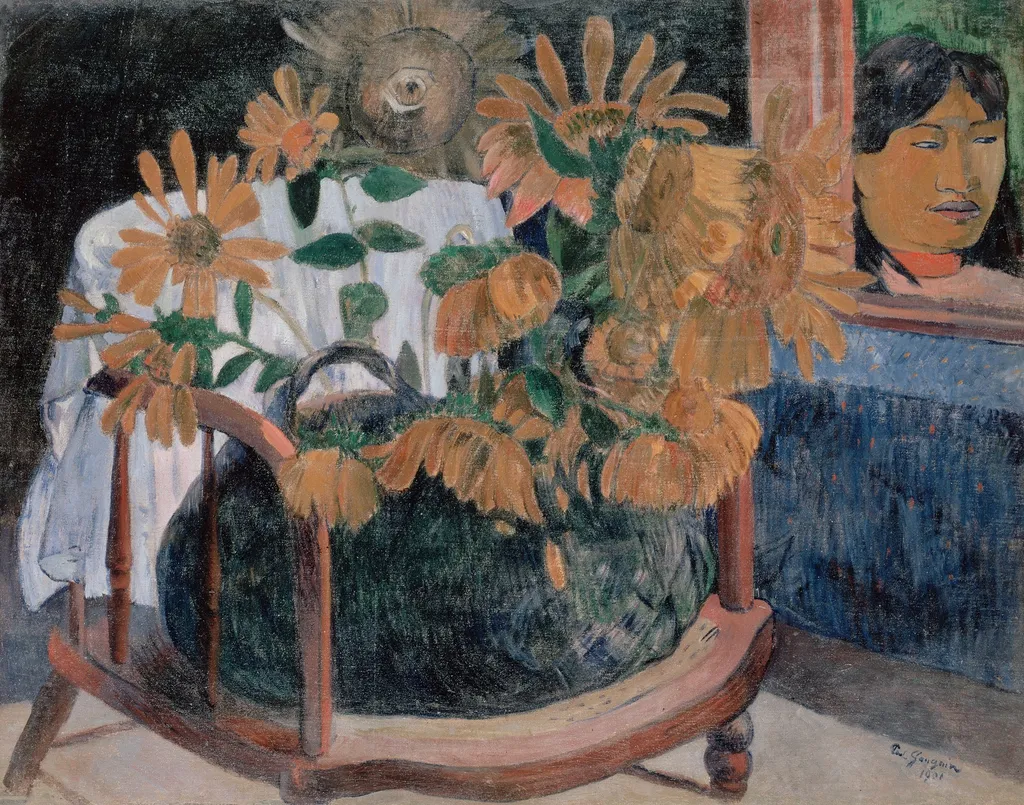
Sunflowers is an oil painting by the Post-Impressionist artist Paul Gauguin. It dates from 1901 and is held in the collection of the Hermitage Museum.
About this work
Overview
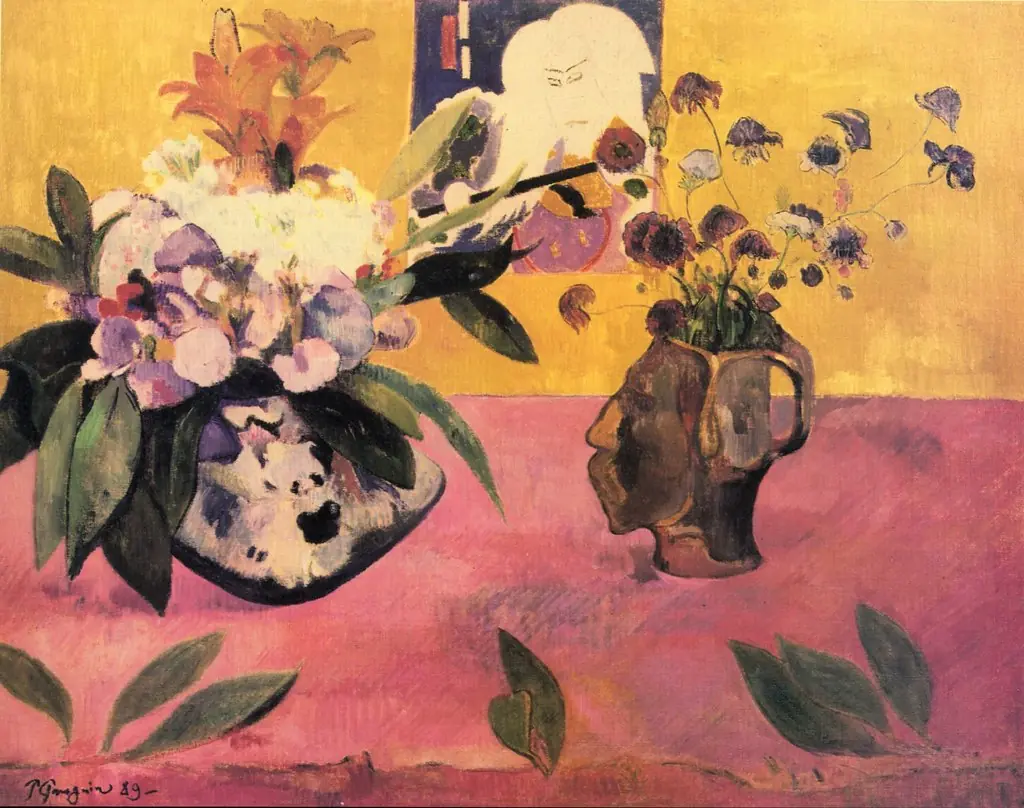
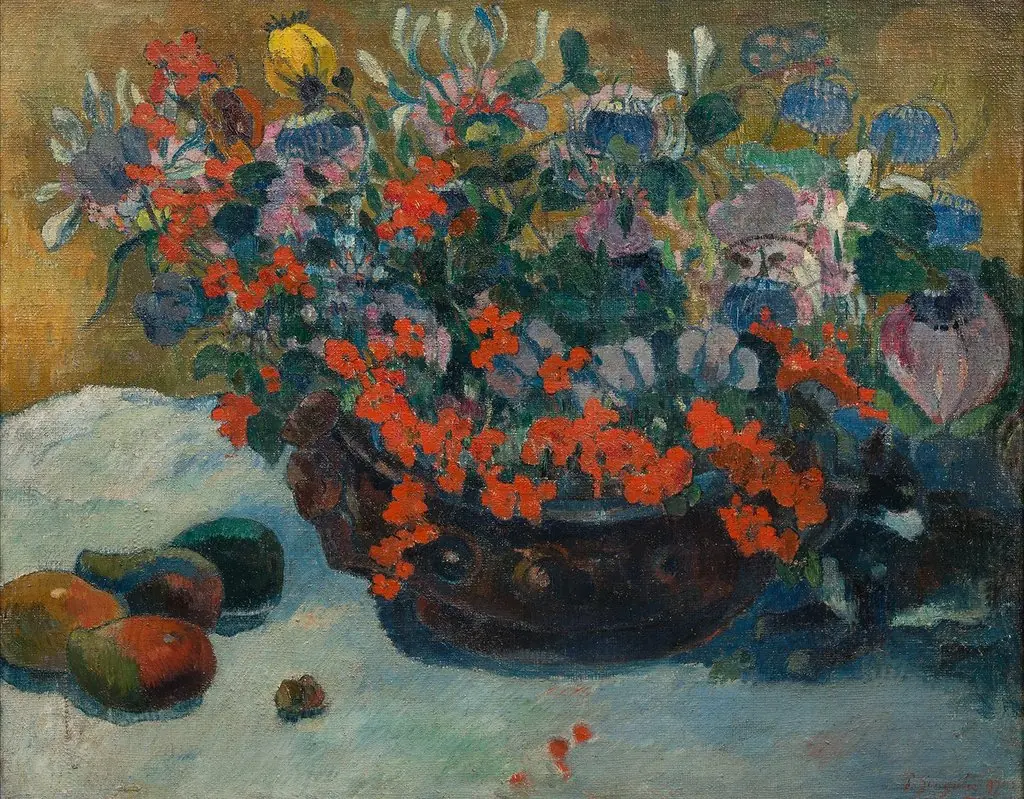
Paul Gauguin’s 1901 oil painting presents a quiet interior scene centered on a vase of sun‑filled blossoms. The composition includes a dark‑green, handled vase perched on a wooden chair, a draped white cloth on a table, and a partially visible figure with dark hair. The work is held in the State Hermitage Museum’s collection.
Subject & Meaning
The still life arranges sunflowers at different stages of opening, some facing the viewer, others turned away, creating a subtle narrative of growth and decay. The surrounding objects—a simple chair, a cloth, and a hinted human presence—contribute to an atmosphere of domestic comfort, suggesting a moment of quiet contemplation within a modest interior.
Technique & Style
Executed in oil, the painting reflects Gauguin’s post‑Impressionist approach, employing bold, non‑naturalistic colors and simplified forms characteristic of his Synthetist phase. The palette emphasizes warm yellows and oranges against cooler greens and blues, while the brushwork flattens space, focusing attention on the surface qualities of paint rather than realistic depth.
History & Provenance
Created in 1901, the work entered the State Hermitage Museum’s holdings, where it remains on display. Its acquisition reflects the museum’s broader interest in early twentieth‑century French art, situating Gauguin’s later still lifes alongside contemporaneous works from the same period.
Own this work as a print
Artist & collection
Artist
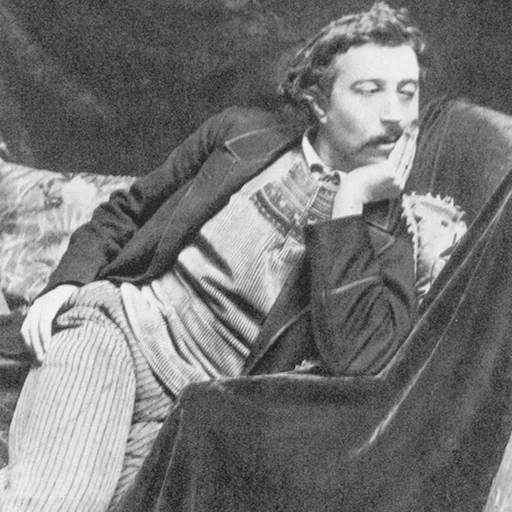
Eugène Henri Paul Gauguin (; French: ; 7 June 1848 – 8 May 1903) was a French painter, sculptor, printmaker, ceramist, and writer, whose work has been primarily associated with the Post-Impressionist and Symbolist movements.