Artwork
Nave Nave Mahana
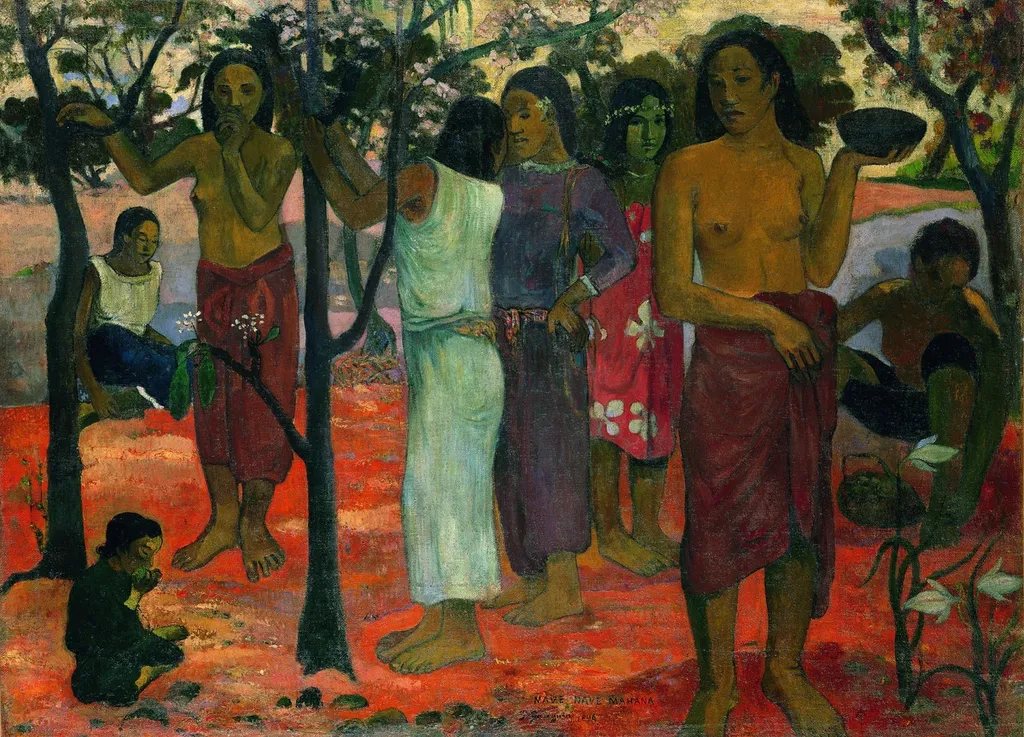
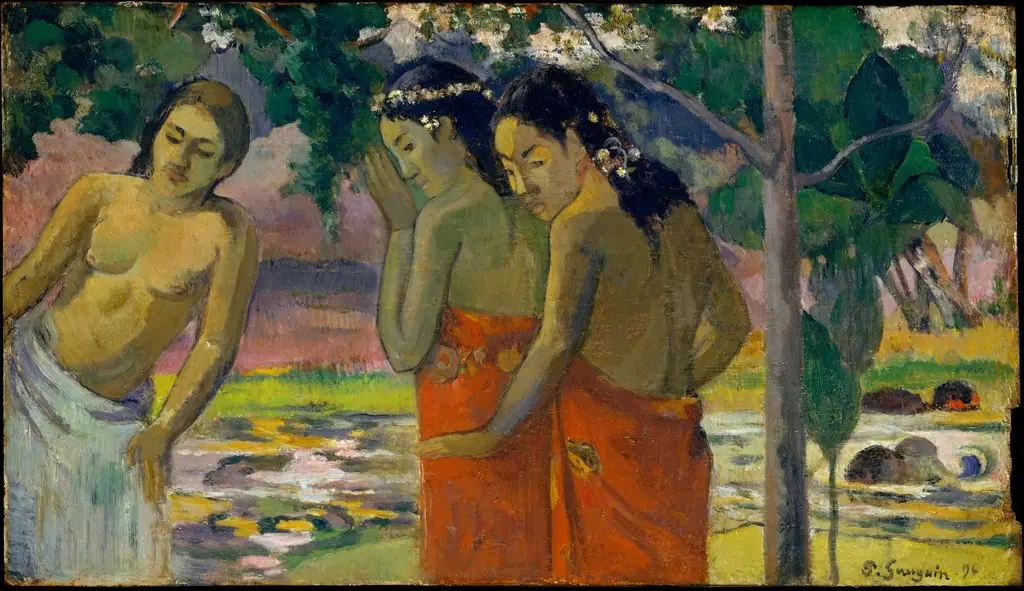
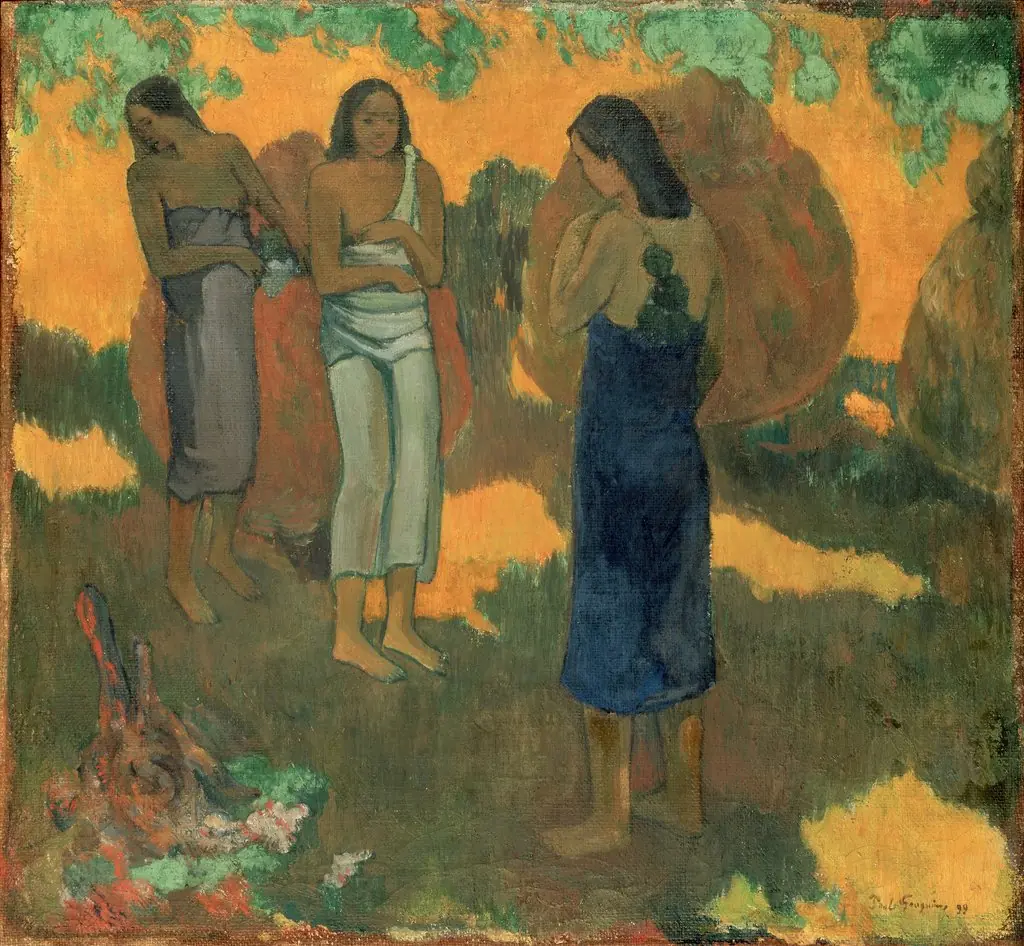
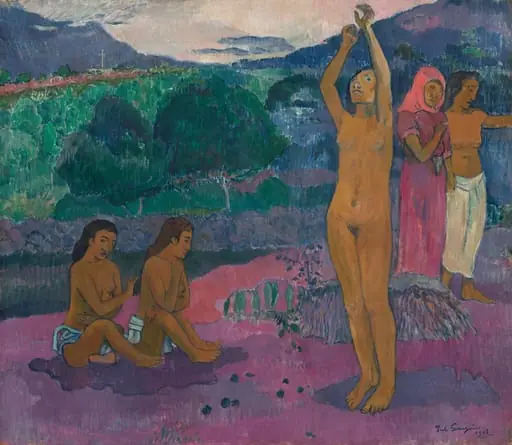
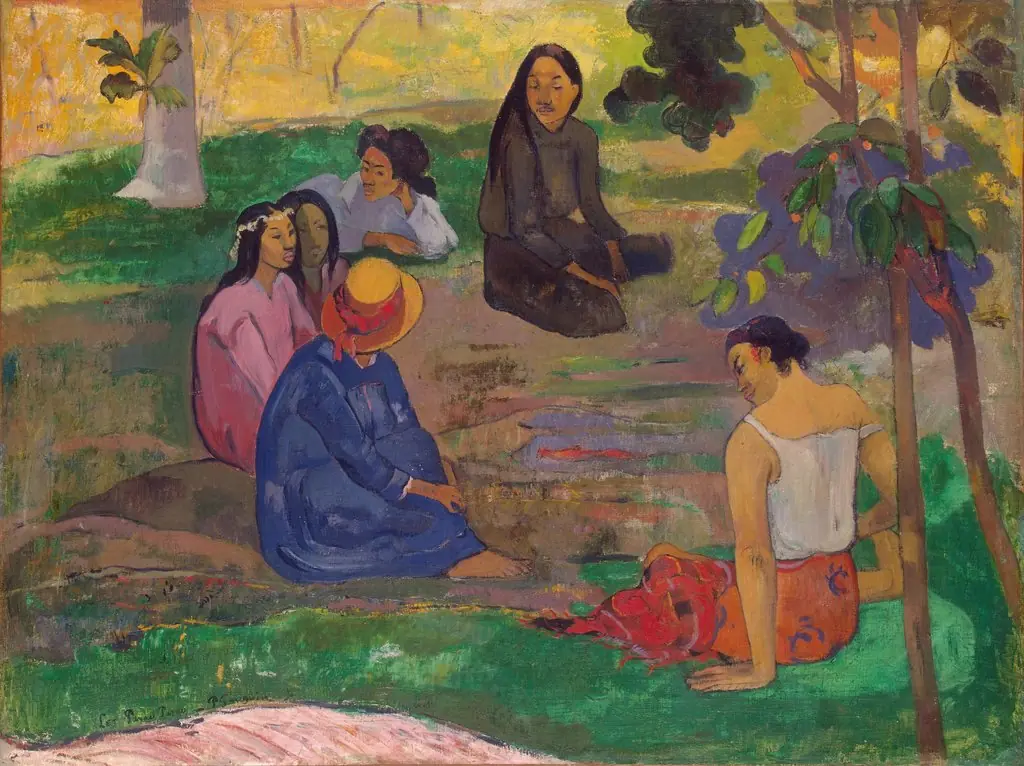
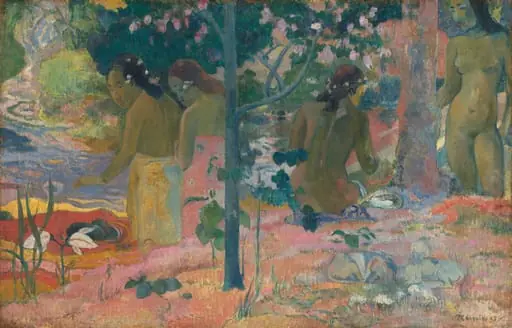
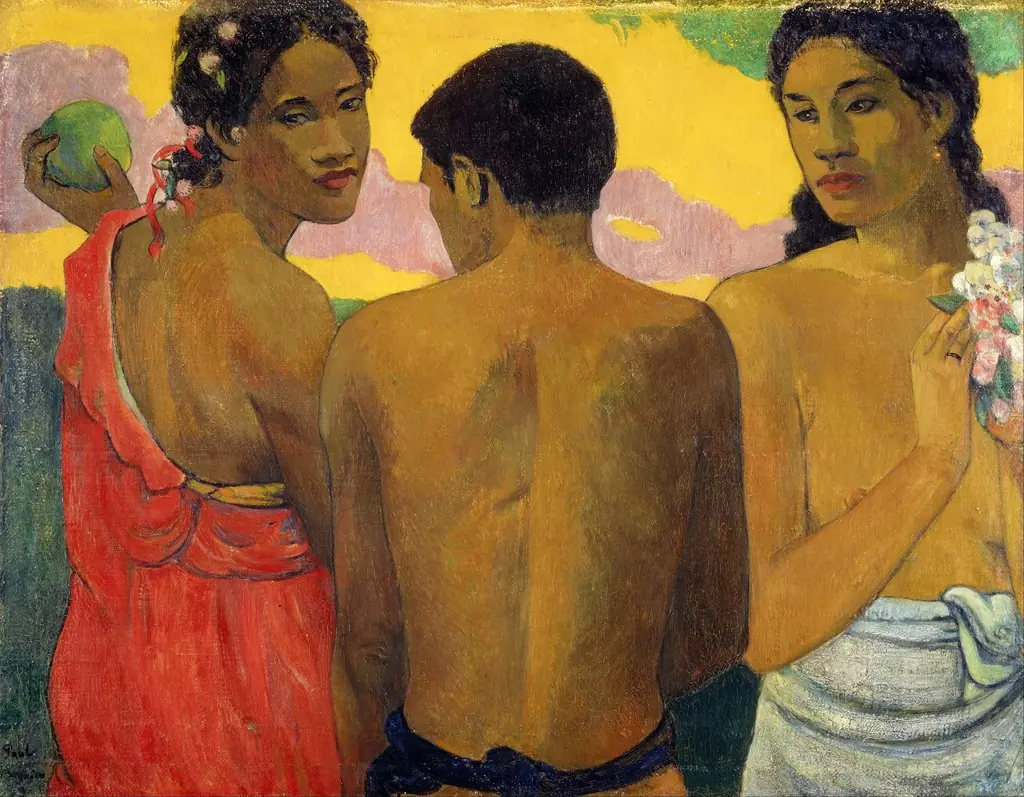
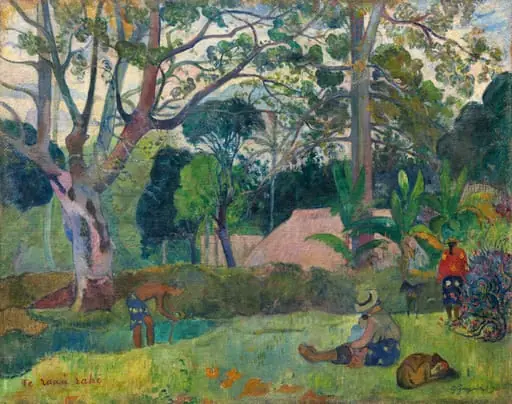
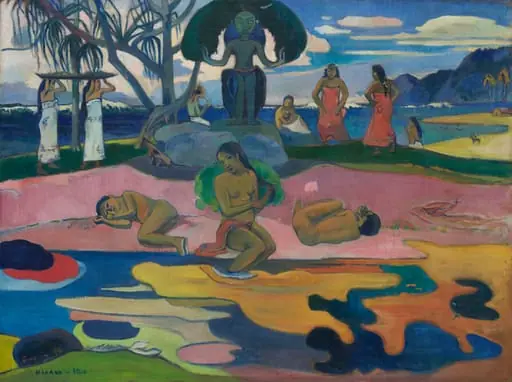
Nave Nave Mahana is an oil painting by the Post-Impressionist artist Paul Gauguin. It dates from 1898 and is held in the collection of the Museum of Fine Arts of Lyon.
About this work
The work joined the collection of the Museum of Fine Arts of Lyon in 1913, where it still hangs today.
Nave Nave Mahana is an oil painting by Paul Gauguin, completed in 1896. Gauguin painted it while he was in Tahiti, far from his native France.
The work joined the collection of the Museum of Fine Arts of Lyon in 1913, where it still hangs today. It is one of the pieces that shows his later career after his first Tahitian trip. The painting reflects his interest in the island's culture.
Next, you might explore more at the museum: Museum of Fine Arts of Lyon.
Overview
Completed in 1896, Nave Nave Mahana is an oil on canvas created by Paul Gauguin during his second residence in Tahiti. The work depicts a tranquil tropical scene rendered in the artist’s distinctive palette, emphasizing the luminous quality of the island’s light. It has been on display at the Musée des Beaux‑Arts de Lyon since the early twentieth century.
Subject & Meaning
The painting presents a serene tableau of Tahitian life, focusing on a figure or figures immersed in a leisurely moment that the title translates as “delicious day.” Gauguin’s choice of subject reflects his fascination with the everyday rituals and natural beauty of the islands, seeking to convey an idealized vision of paradise beyond European conventions.
Technique & Style
Executed in oil, the canvas showcases Gauguin’s mature use of flat areas of color and simplified forms, hallmarks of his post‑Impressionist approach. The composition relies on bold outlines and a limited yet vibrant palette, creating a sense of immediacy while abstracting the landscape into decorative motifs that echo Polynesian artistic traditions.
History & Provenance
After its creation in Tahiti, Nave Nave Mahana entered the European art market and was acquired by the Musée des Beaux‑Arts de Lyon in 1913. The museum has retained the work in its permanent collection, where it remains part of the displayed holdings, illustrating the early twentieth‑century interest in Gauguin’s exotic oeuvre.
Context
The canvas belongs to the period following Gauguin’s first Tahitian expedition (1891–1893), a time when he returned to the islands to deepen his exploration of indigenous culture and spirituality. This later phase is marked by a more settled perspective, with works that integrate personal symbolism and a heightened appreciation for the island’s visual language.
Artist & collection
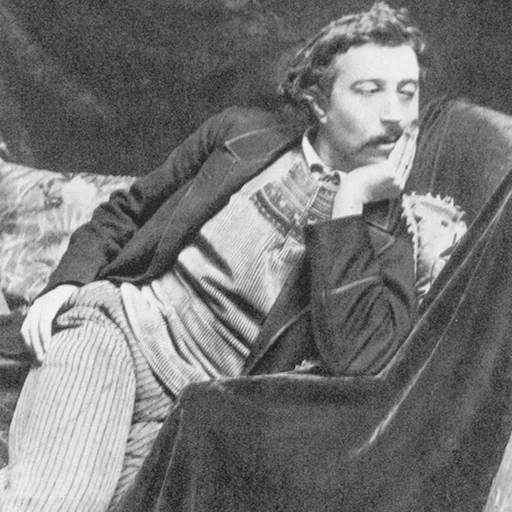
Artist
Eugène Henri Paul Gauguin (; French: ; 7 June 1848 – 8 May 1903) was a French painter, sculptor, printmaker, ceramist, and writer, whose work has been primarily associated with the Post-Impressionist and Symbolist movements.