Artwork
Untitled
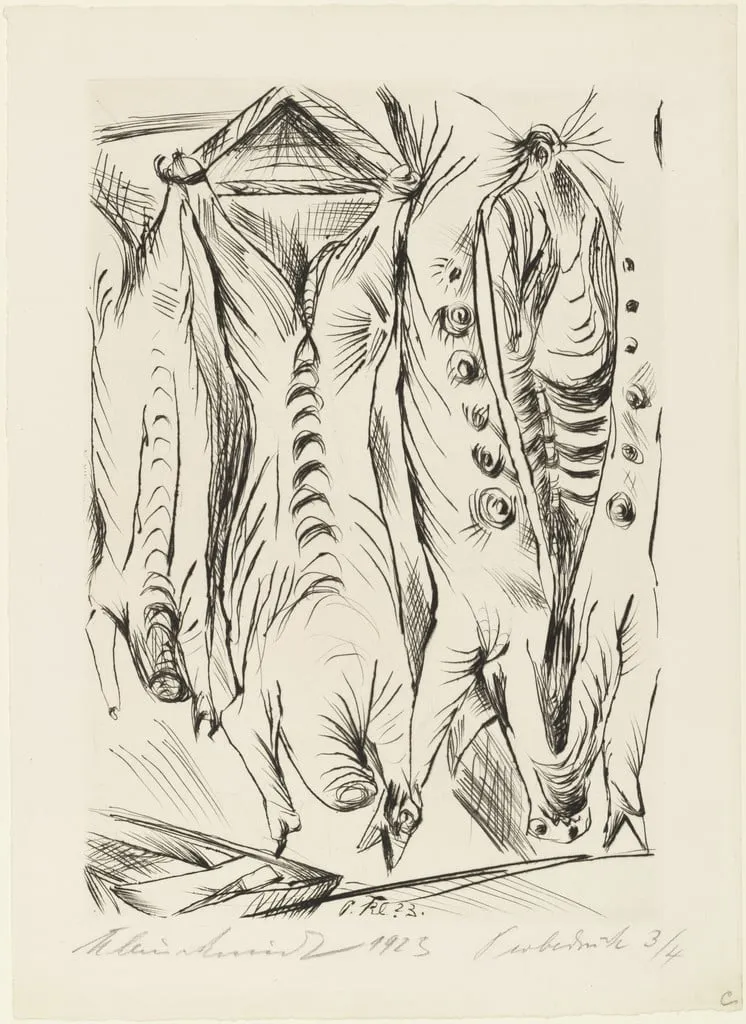
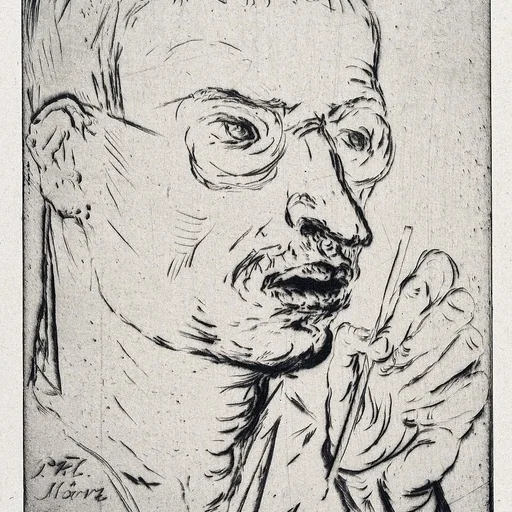
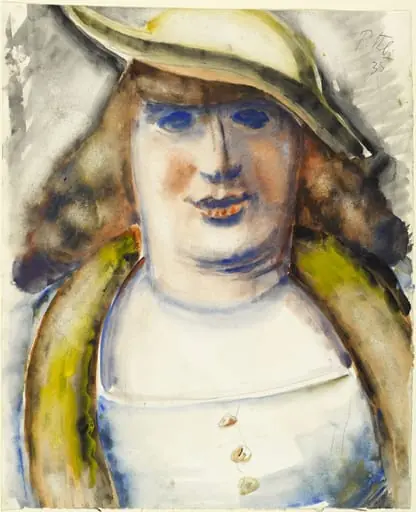
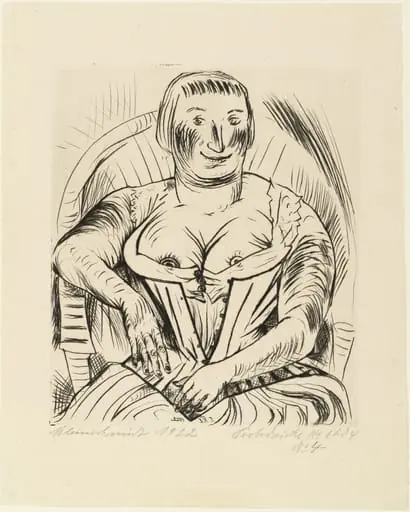
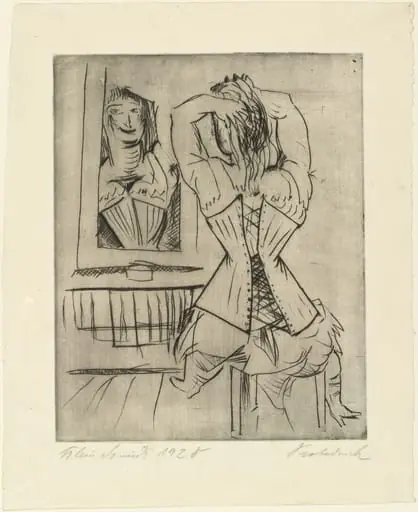
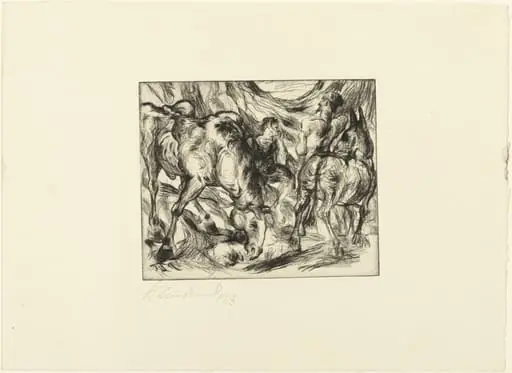
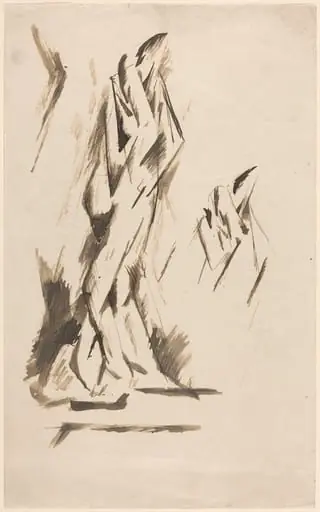
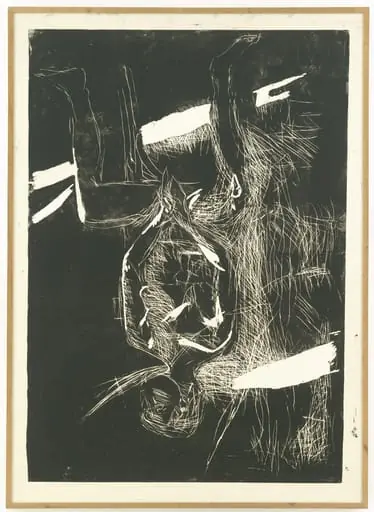
Untitled is an ink print by Paul Kleinschmidt. It dates from 1923 and is held in the collection of the Museum of Modern Art.
About this work
Overview
Created in 1923, this drypoint print by Paul Kleinschmidt is part of The Museum of Modern Art’s collection. It depicts two horses in close proximity, rendered with minimal detail and no contextual elements. The work’s stark composition and tactile line quality reflect the artist’s focus on form and movement, achieved through the direct, physical process of drypoint engraving.
Subject & Meaning
The two horses stand motionless, their anatomical structures exposed through dense, intersecting lines. There is no narrative or symbolic context—only the presence of the animals themselves. The emphasis on musculature and bone suggests an interest in the physical essence of the creatures, evoking a sense of raw vitality without sentimentality or idealization.
Technique & Style
Kleinschmidt used a drypoint needle to incise lines directly into a metal plate, creating a burr that holds ink and produces rich, fuzzy strokes when printed. The resulting image is characterized by sharp, urgent marks that mimic the texture of scratched skin or exposed tissue. The absence of shading or background isolates the forms, heightening the immediacy of the technique.
History & Provenance
The work was made in 1923 and entered the collection of The Museum of Modern Art at an early stage in the institution’s history. While little is documented about its exhibition or ownership prior to acquisition, its inclusion in the museum’s holdings reflects an early interest in modern printmaking and expressive draftsmanship beyond traditional representation.
Context
In the early 1920s, artists across Europe and America were revisiting printmaking as a medium for personal expression, often turning to direct methods like drypoint to bypass academic conventions. Kleinschmidt’s work aligns with this trend, emphasizing gesture and materiality over polished finish, resonating with broader postwar explorations of form and perception.
Legacy
Though not widely reproduced or studied, this print exemplifies the potential of drypoint to convey intensity through simplicity. Its raw aesthetic influenced later artists interested in the physicality of mark-making, contributing to a lineage of printmaking that values process over finish and presence over detail.
Artist & collection