Artwork
Old Peasant Woman
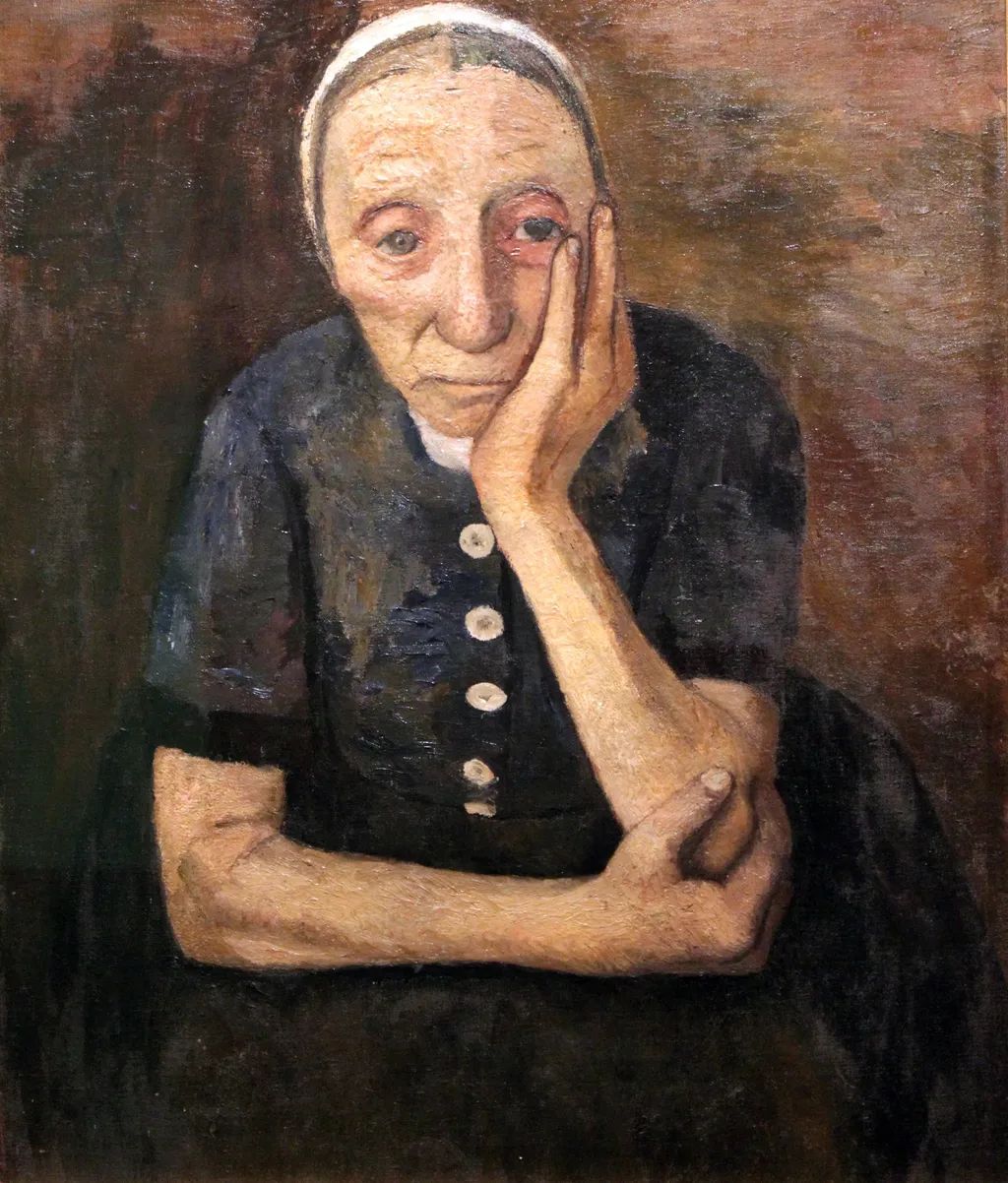
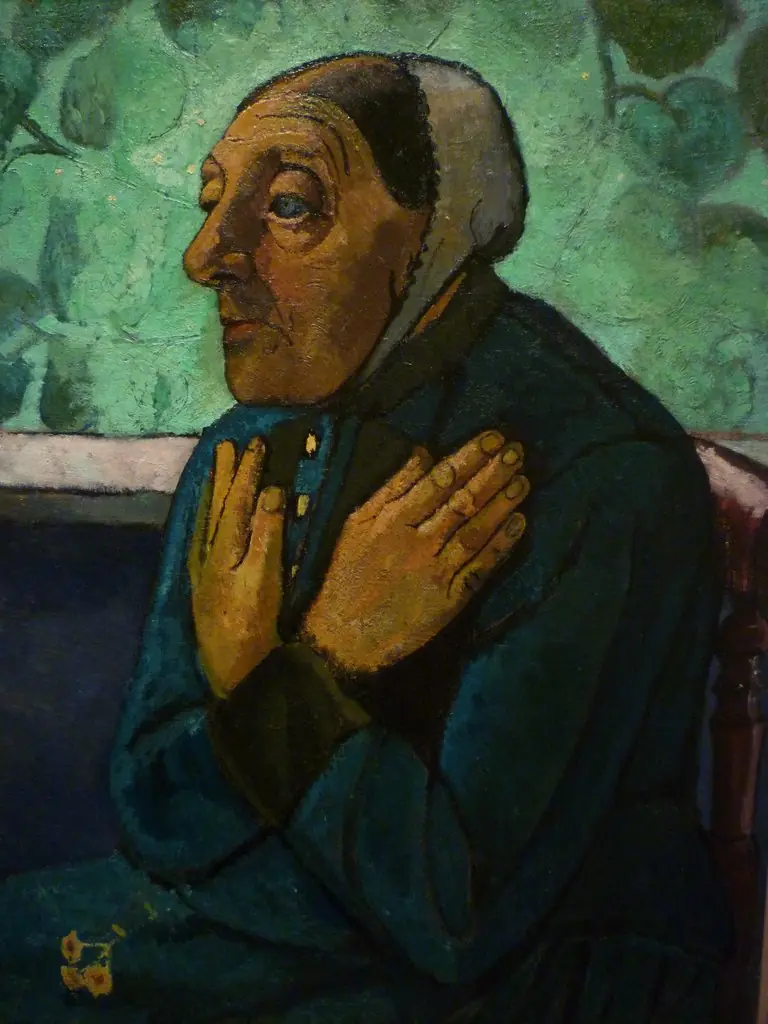
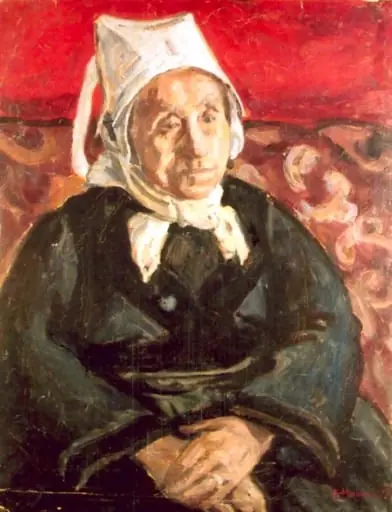
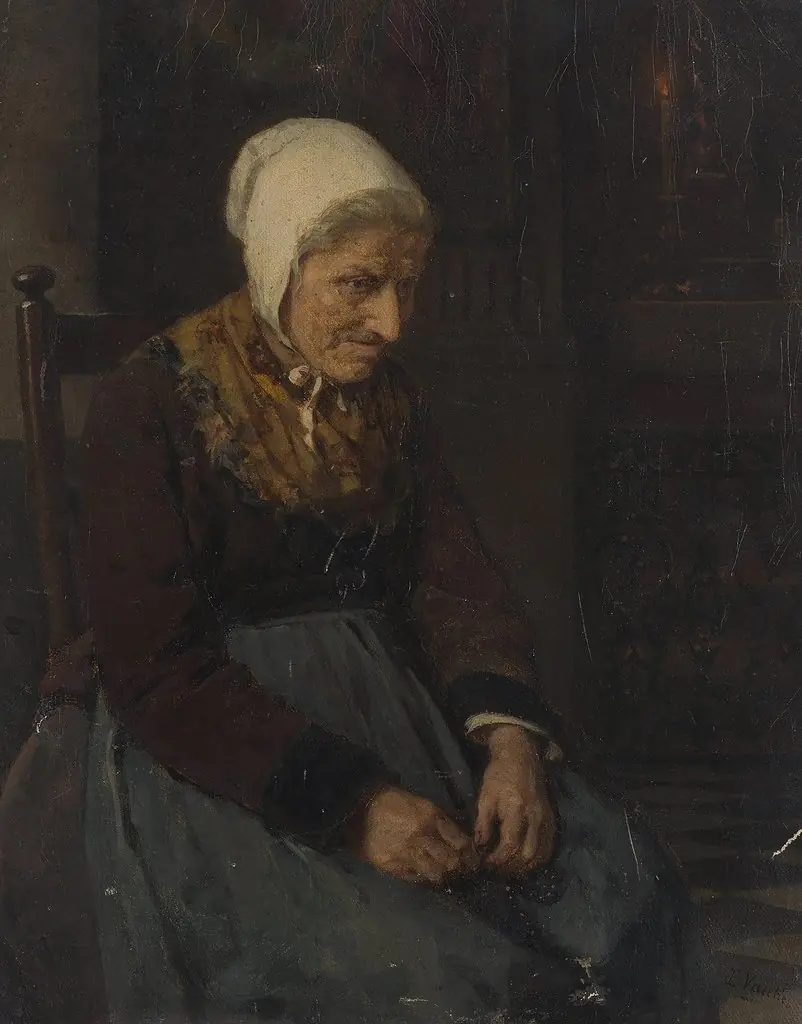
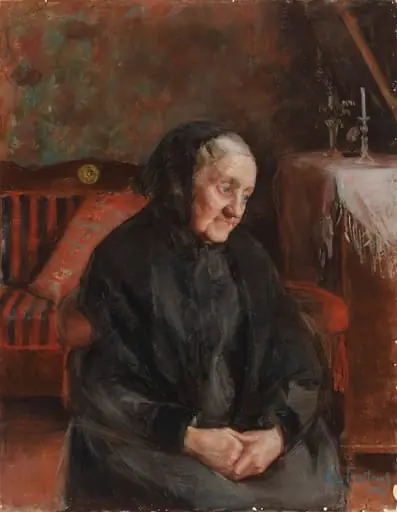
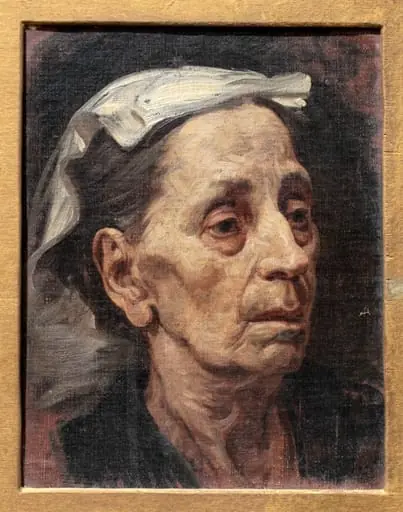
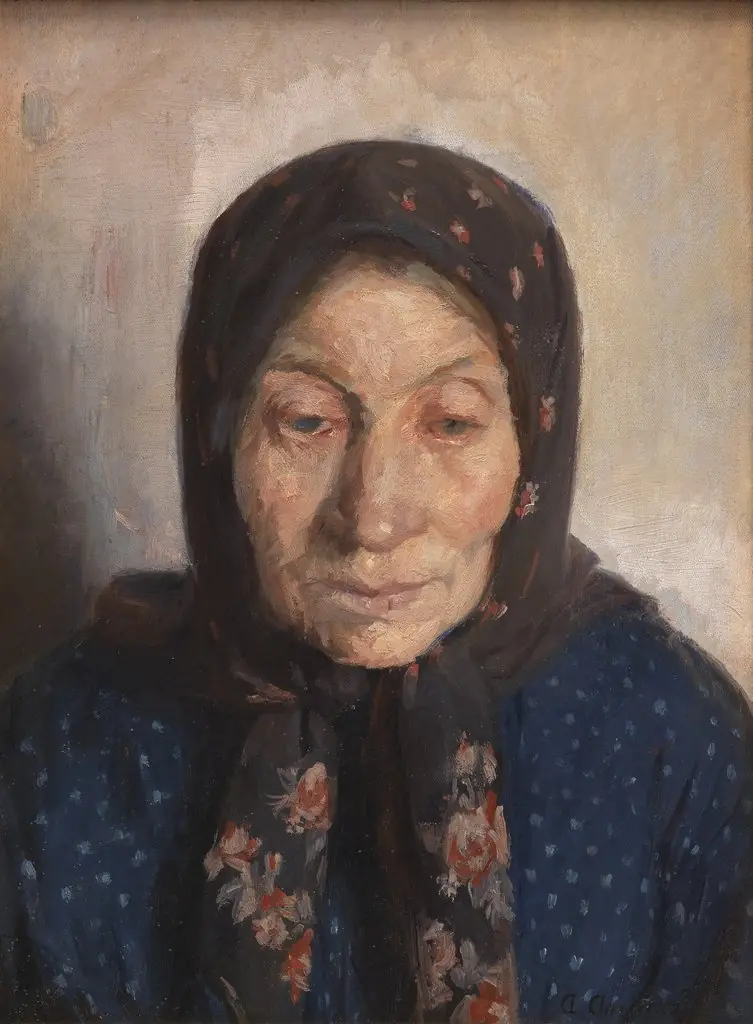
Old Peasant Woman is an oil painting by Paula Modersohn-Becker. It dates from 1903 and is held in the collection of the Hamburger Kunsthalle.
About this work
Overview
The work is part of the collection at the Hamburger Kunsthalle and exemplifies the artist’s early commitment to portraying rural life with emotional sincerity.
Painted in 1903, this oil portrait by Paula Modersohn-Becker captures an elderly peasant woman in quiet stillness. The work is part of the collection at the Hamburger Kunsthalle and exemplifies the artist’s early commitment to portraying rural life with emotional sincerity. Unlike idealized depictions of the working class, the figure is rendered without sentimentality, emphasizing presence over narrative.
Subject & Meaning
The subject is an aging woman, her face marked by time and labor. Her downward gaze and hand resting on her cheek suggest introspection rather than despair. The plain white headband and dark dress signal her social position, yet the composition invites contemplation of her inner life. Modersohn-Becker avoids dramatization, allowing the woman’s dignity to emerge through quiet restraint.
Technique & Style
Bold, deliberate brushwork builds form and texture, particularly in the folds of the dress and the contours of the face. Warm, earthy tones dominate the background, grounding the figure in a tangible space. Color is used expressively, not naturalistically—shadows are deepened with violet, skin tones warmed with ochre. The painting’s surface reveals the artist’s physical engagement with the medium.
History & Provenance
Created during Modersohn-Becker’s formative years in Worpswede, the painting reflects her immersion in rural communities near Bremen. It entered the Hamburger Kunsthalle’s collection in the early 20th century, shortly after her death in 1907. The work remained relatively obscure until mid-century, when reassessments of German Expressionism brought renewed attention to her oeuvre.
Context
In early 1900s Germany, most portraiture catered to bourgeois ideals. Modersohn-Becker, influenced by French Post-Impressionism and medieval art, turned instead to peasants and laborers as subjects worthy of serious artistic attention. Her approach aligned with broader cultural shifts toward authenticity and psychological depth, challenging academic conventions of the time.
Legacy
This portrait stands as an early example of modern German art that prioritized emotional truth over aesthetic polish. Modersohn-Becker’s focus on marginalized figures and her experimental brushwork influenced later Expressionist painters. Though she died young, her work laid groundwork for a more personal, introspective mode of portraiture in 20th-century art.
Own this work as a print
Artist & collection

Artist
Paula Modersohn-Becker (8 February 1876 – 20 November 1907) was a German Expressionist painter and draftswoman of the late 19th and early 20th centuries.