Artwork
Marie-Louise of Austria Bidding Farewell to her Family in Vienna
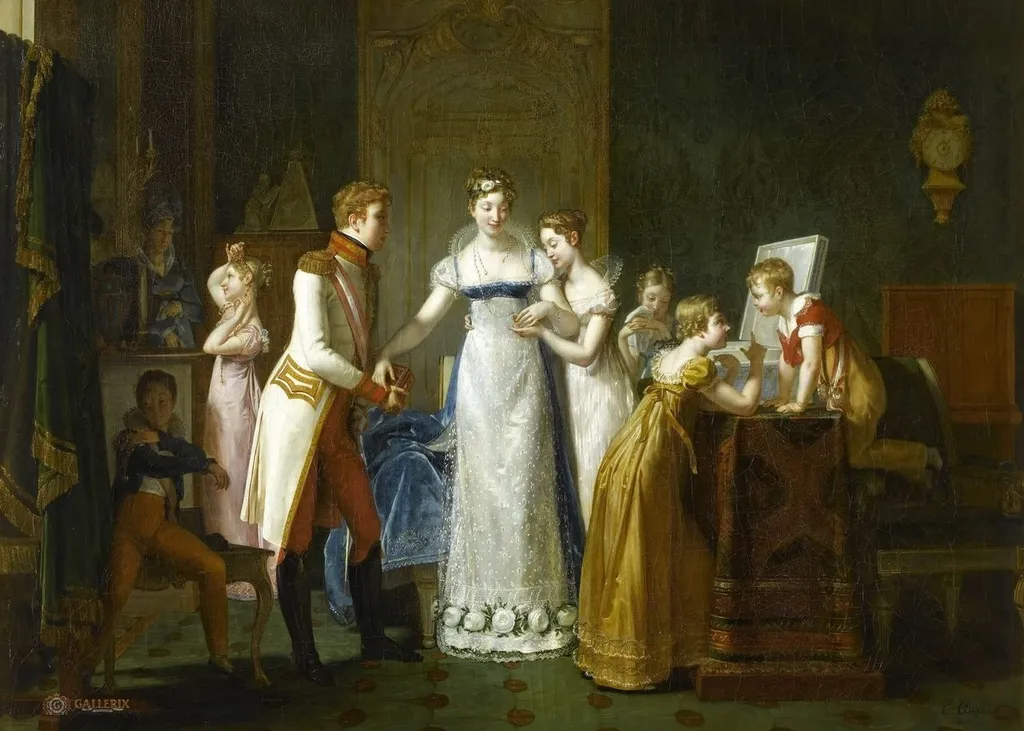
Marie-Louise of Austria Bidding Farewell to her Family in Vienna is an oil painting by Pauline Auzou. It dates from 1812 and is held in the collection of the Palace of Versailles.
About this work
Overview
Created in 1812 by Pauline Auzou, this oil on canvas presents a staged farewell scene within an opulently appointed interior. The composition centers on a woman in a white gown edged with blue, clasping the hand of a man dressed in a red‑and‑gold military uniform, while surrounding figures—children and women—observe the moment with varied expressions.
Subject & Meaning
The work portrays members of the Habsburg family: Archduchess Maria Anna of Austria, Archduchess Maria Clementina, Princess of Salerno, and Archduchess Marie Caroline Ferdinanda. The central figure appears to be departing, suggesting a poignant parting, while the attendant male figure offers consolation, underscoring themes of familial duty and emotional restraint characteristic of early‑19th‑century aristocratic portraiture.
Technique & Style
Auzou employs a refined academic style, rendering textures such as silk, gilt furnishings, and polished wood with meticulous brushwork. The lighting is soft yet directional, highlighting the white dress and the metallic sheen of the uniform, while the surrounding décor—mirrored fireplace, gilded accents—creates depth and reinforces the painting’s narrative focus on intimacy amid grandeur.
History & Provenance
The painting entered the collection of the Palace of Versailles, where it remains on display. Its acquisition reflects the French court’s interest in documenting contemporary European dynastic events, and its presence in Versailles situates it among other works that record the political and familial alliances of the period.
Context
Executed during the Napoleonic era, the piece captures a moment of transition for the Austrian archduchesses amid shifting European power structures. By depicting a personal farewell, Auzou aligns the private emotions of the Habsburgs with broader themes of exile, marriage alliances, and the reconfiguration of royal households in the early 19th century.
Artist & collection

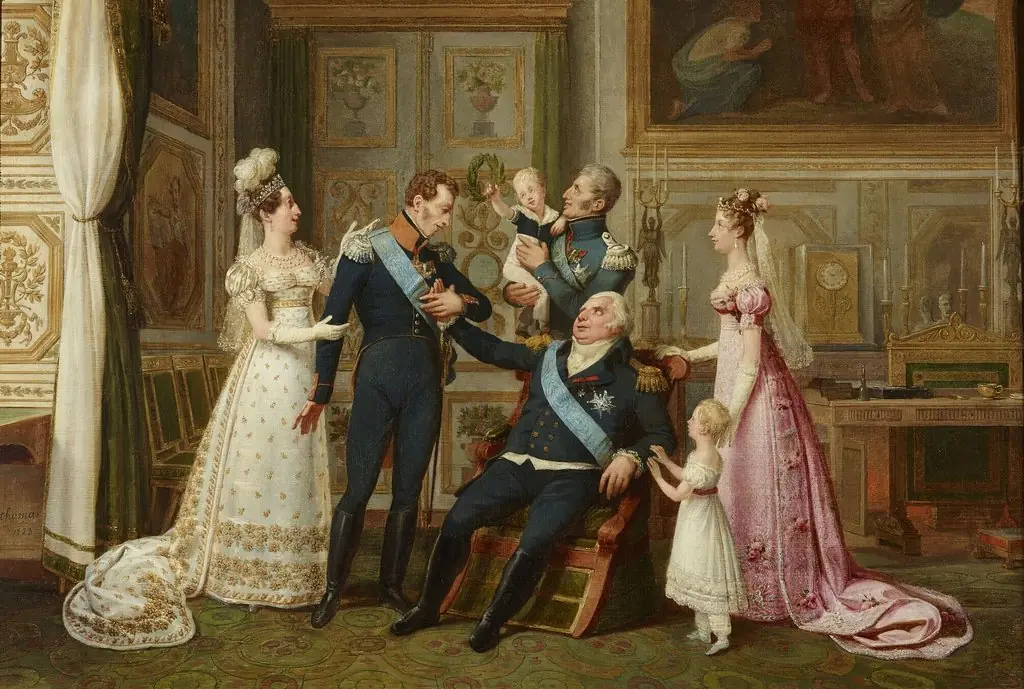 Louis XVIII Receiving the Duke of Angoulême on His Return from the Spanish Campaign
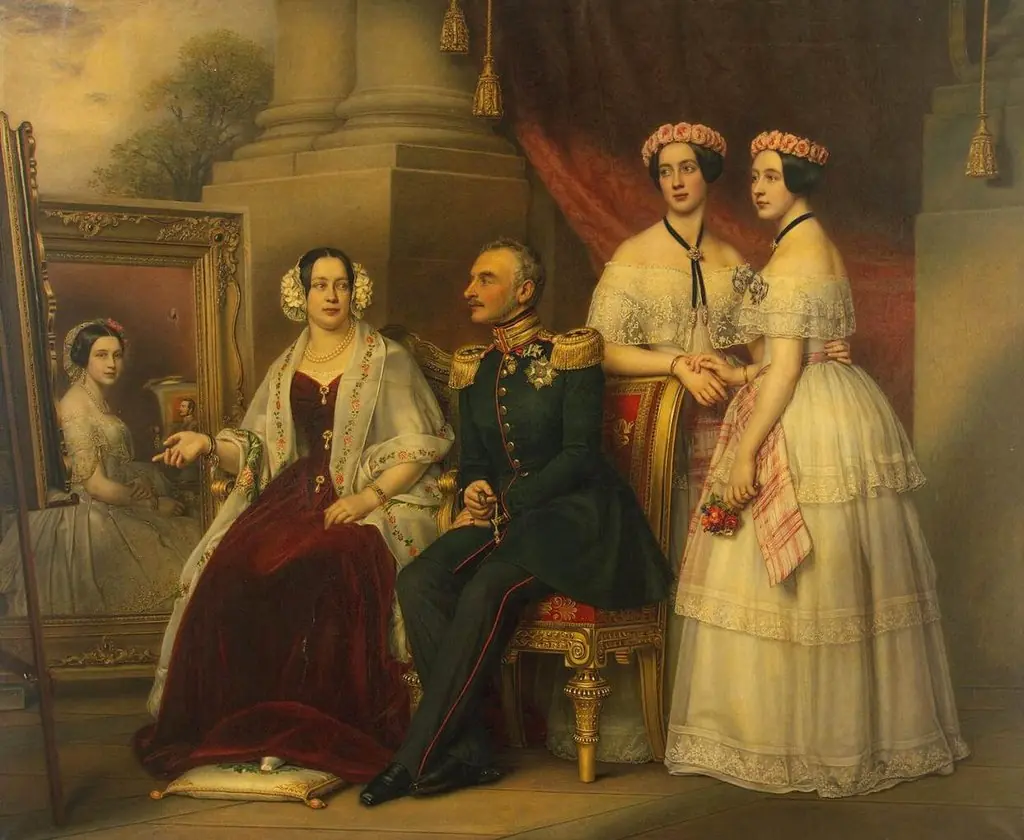 Portrait of Duke of Saxe-Altenburg Joseph's Family
 The Princess of Orange Receiving Alexander II (1818-1881), Grand Duke and Heir to the Throne of Russia, in the Czar Peter's House in Zaandam, 17 April 1839
 The Chamber of Deputies Received at the Palais-Royal by the Duke of Orleans
 The Princess of Orange Receiving Alexander II (1818-1881), Grand Duke and Heir to the Throne of Russia, in the Czar Peter's House in Zaandam, 17 April 1839
 Wedding of Prince Jérôme Bonaparte and Princess Frédérique-Catherine of Wurtemberg, August 22, 1807
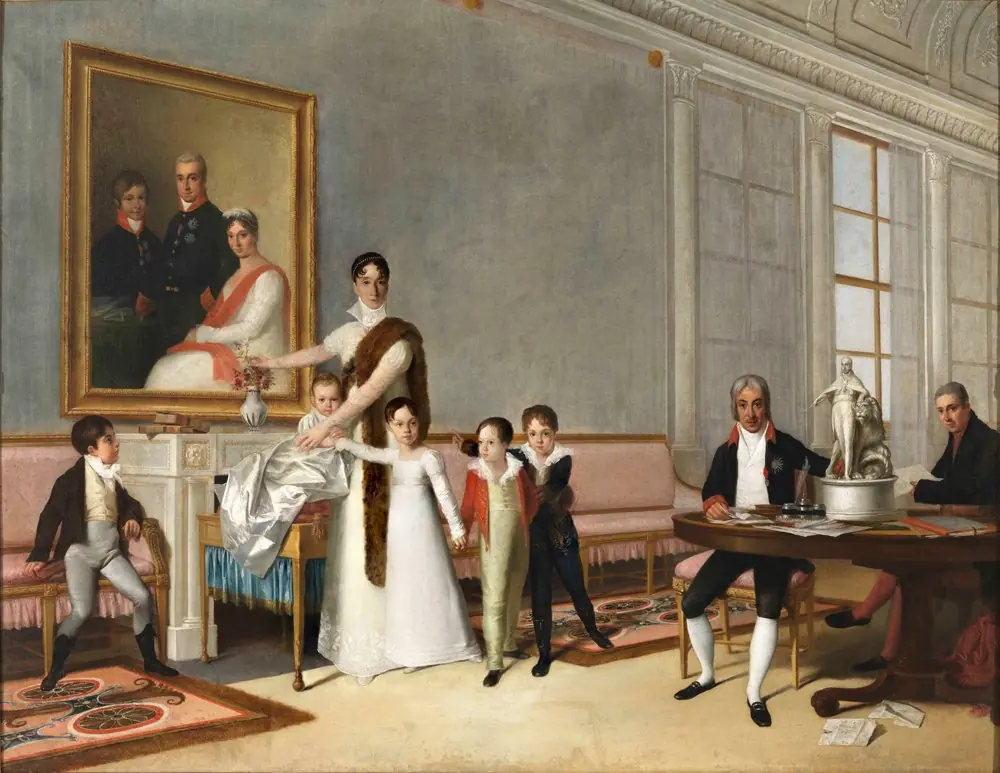 Portrait of the Family of the 1st Viscount of Santarém
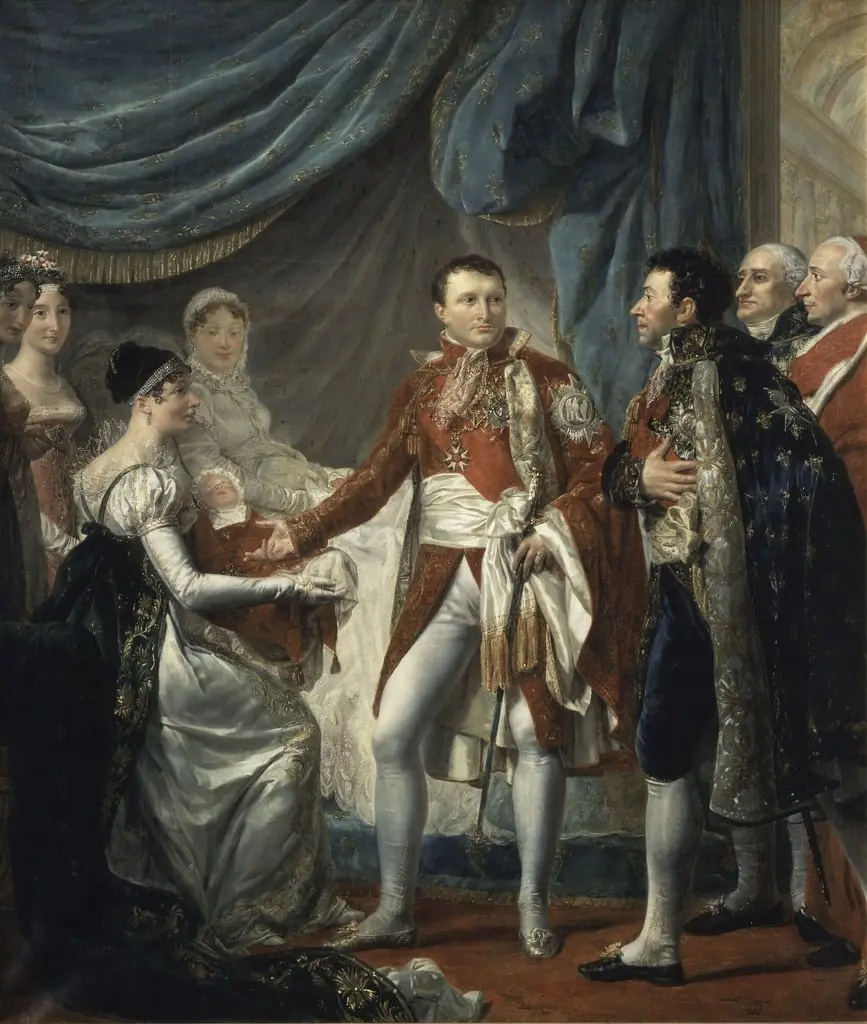 Napoleon I presents the King of Rome to the dignitaries of the Empire, March 20, 1811
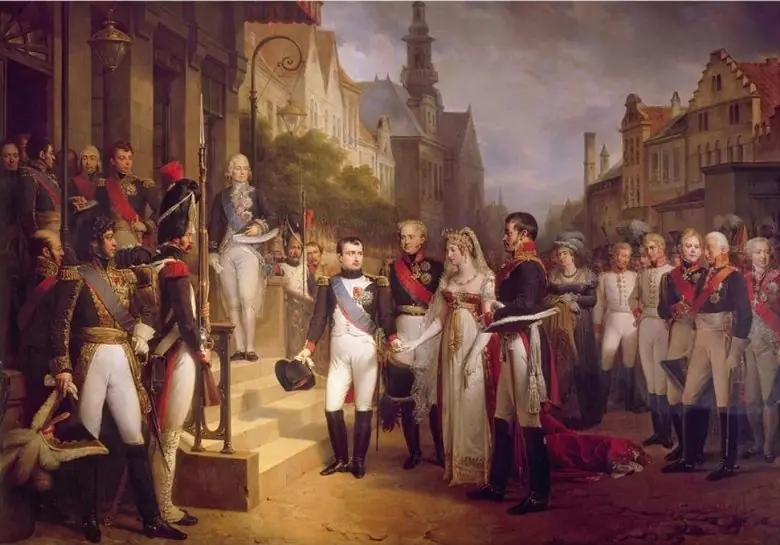 Napoleon Receiving the Queen of Prussia at Tilsit
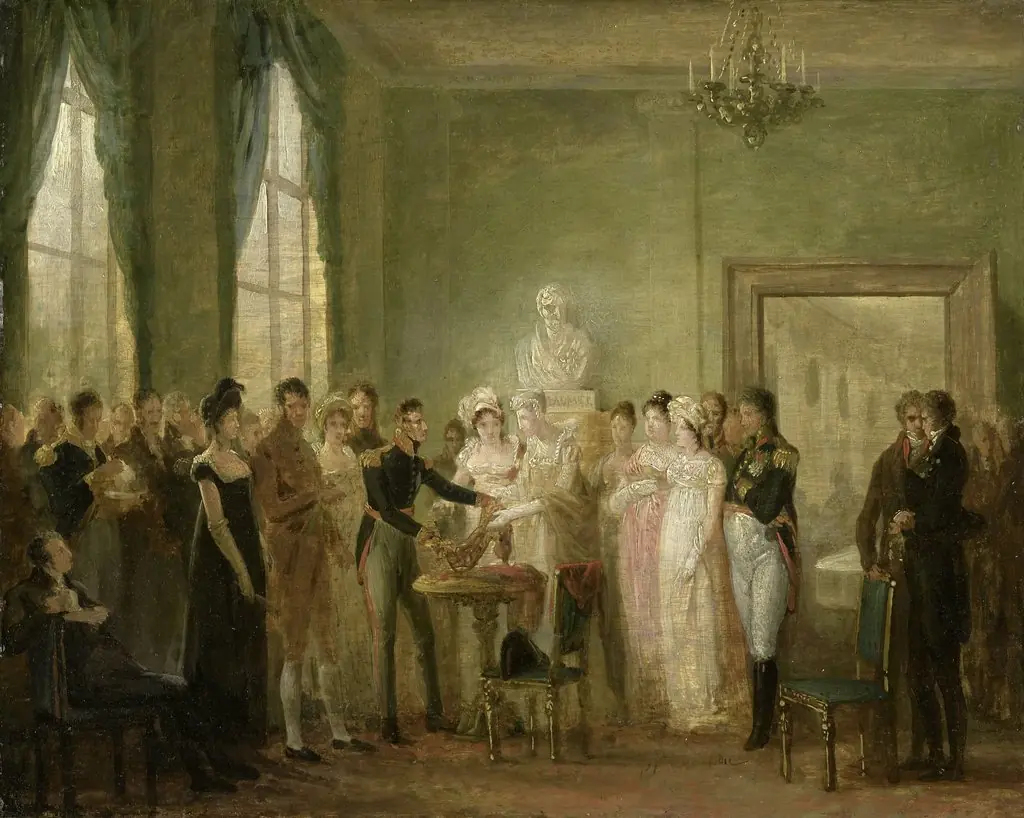 An Unidentified Historical Subject