Artwork
Icoa
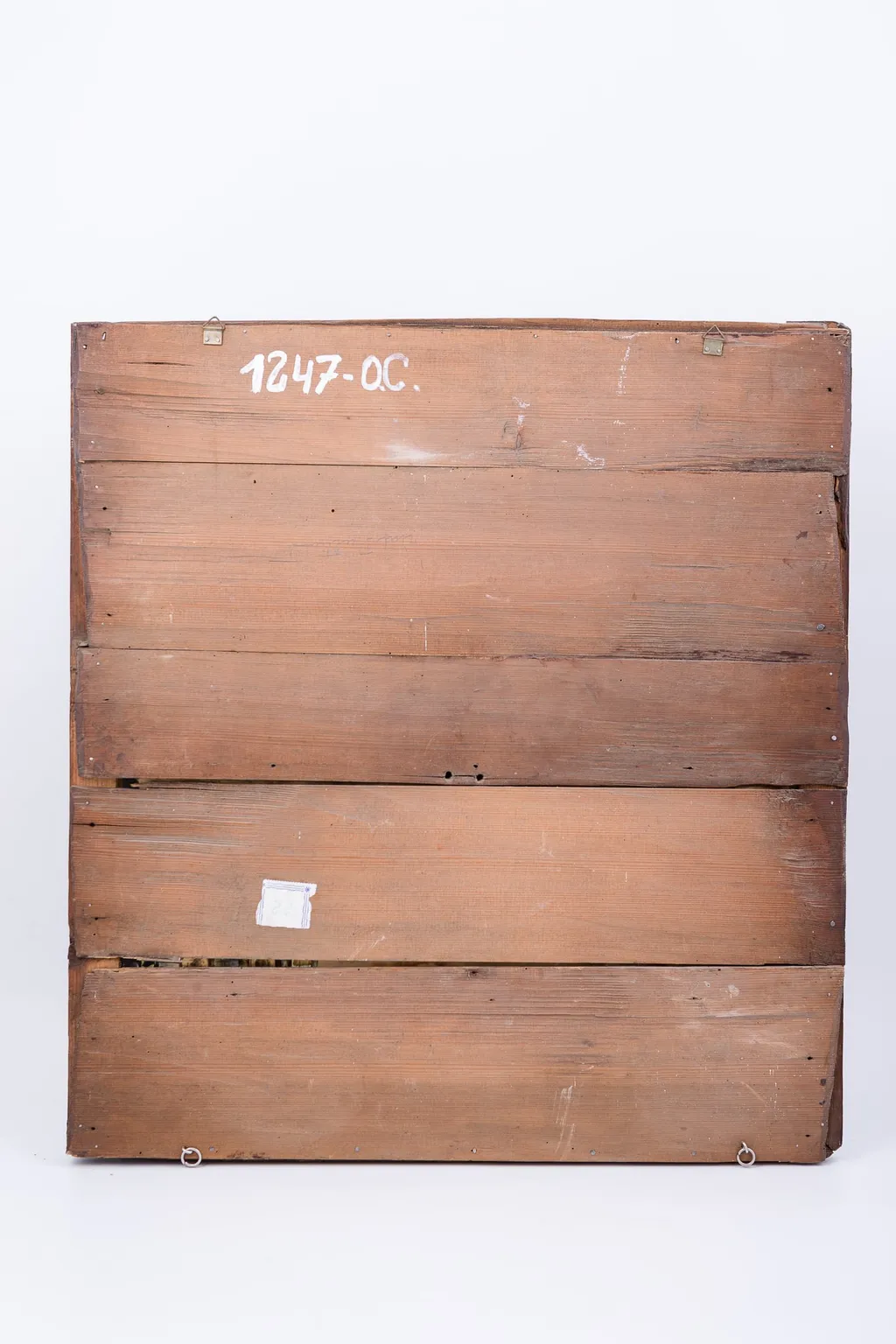
Icoa is a drawing by Pavel Zamfir Zugravu de Laz. It dates from 1850 and is held in the collection of the ASTRA National Museum Complex.
About this work
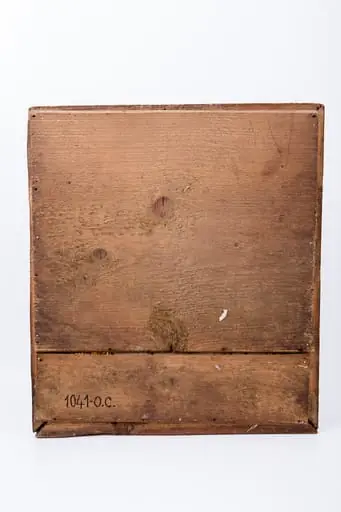
The panel looks like it could hold a drawing or painting underneath—maybe one that’s been removed or is waiting to be seen.
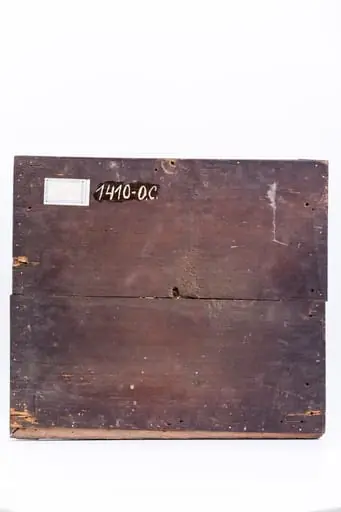
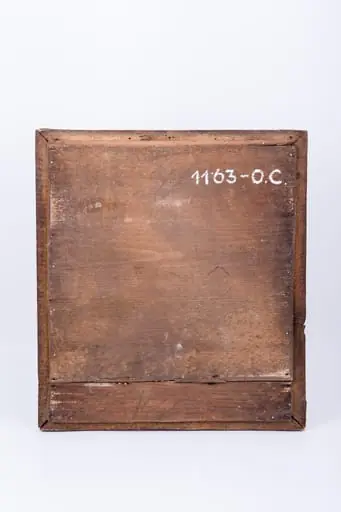
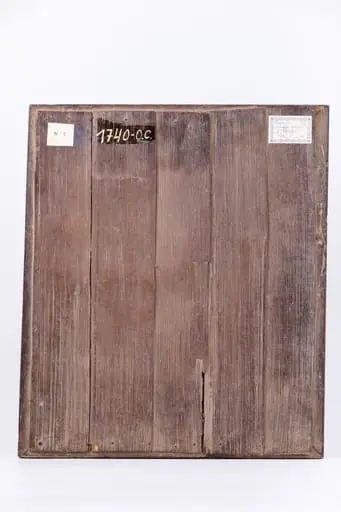
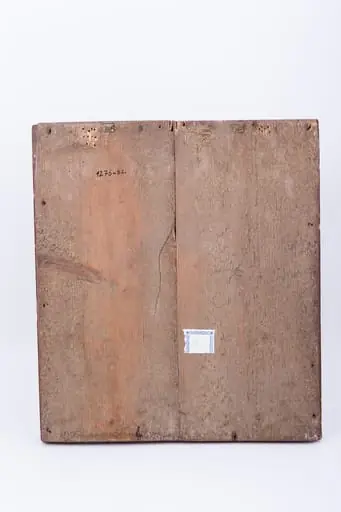
This is a plain wooden panel with a smooth, light brown finish. The wood shows faint grain lines and a few small marks, like scratches or wear. Near the top, someone wrote "1247-OC" in pencil, and there’s a small white label stuck near the bottom left.
The panel looks like it could hold a drawing or painting underneath—maybe one that’s been removed or is waiting to be seen. The numbers and label suggest it’s part of a collection, tracked carefully over time.
If you’re curious about where this might come from, look up the Museum of Ethnography.
Overview
Icoa is a modest wooden panel attributed to the Romanian artist Pavel Zamfir Zugravu de Laz, dated approximately to the middle of the nineteenth century. The board measures a standard size for portable supports and is finished in a light brown varnish that highlights the subtle grain of the timber. Its plain surface and lack of decorative elements suggest it was intended as a substrate for a drawing or painting, rather than as a finished artwork in its own right.
Subject & Meaning
No imagery is present on the panel itself; instead, the object functions as a blank carrier, hinting at a concealed or removed work beneath its surface. The absence of visual content invites speculation about the original subject matter, which may have been a study, a preparatory sketch, or a finished composition now lost or transferred elsewhere.
Technique & Style
The panel is crafted from a single piece of wood, sanded smooth and treated with a thin, light brown finish that both protects the surface and accentuates the natural grain. Minor scratches and wear marks testify to handling over time. A faint pencil inscription near the top reads “1247‑OC,” indicating a cataloguing practice rather than an artistic gesture.
History & Provenance
The pencil notation and a small white label affixed to the lower left corner point to systematic collection management, likely within an institutional setting. Such markings are typical of inventory records, suggesting the panel has been part of a museum or ethnographic collection for an extended period, possibly the Museum of Ethnography.
Context
Created around 1850, the panel aligns with a period when Romanian artists frequently employed wooden supports for studies before transferring works to canvas or paper. Zugravu de Laz’s oeuvre includes a range of graphic and painted pieces, and this panel may represent a preparatory stage in his artistic process, reflecting broader 19th‑century practices in the region.
Artist & collection
Artist
Pavel Zamfir Zugravu de Laz painted religious icons in the traditional Romanian style.

 Sfântul Arhanghel Mihail, unul dintre mai-marii voievozi ai oștilor-cerești, este reprezentat stând cu picioarele pe o mandorlă de nouri rotunzi albaștri bleu-ciel. Îngerul, Sfântul Arhanghel Mihail, este numit și slujitorul Legii. Este îmbrăcat în haine de oștean militar, cavaler, cu pantaloni albaștri-cobalt și tunică-vestă galbenă-albă, cu elemente decorative punctiforme și mantie roșie fluturândă. Are aripile de înger, pictate cu albastru și verde, poartă în mâna dreaptă spada-biruinței și cu mâna stângă ridică o torță arzând-luminândă. Mantia roșie este împodobită armonios cu elemente florale minuțios realizate punctiform. Fondul icoanei este ocru-luminos, auriu-bronziu. Întreaga tematică iconografică este încadrată de un chenar deorativ geormetrizant, format din linii unduitoare, șerpuitoare, albe, împreunate în motivul lanțului. Cromatica armonioasă este alcătuită din: albastru cobalt, albastru bleu-ciel, roșu vermillon, ocru-auriu-bronziu, roz, gri, bej, brun, verde-brad, alb, roșu. Icoana este pictată de Popa Sandu din Iernuțeni. Icoana este datată 1806, fiind rară și deosebită din punct de vedere artistic, estetic, pictural și teologic. Inscripția din româno-chirilică se traduce Arhanghel Mihail.
 Icoana îi prezintă pe Mântuitorul Iisus Hristos și pe ucenicii, viitorii apostoli. Este Duminica Tomii, Venirea Domnului prin ușile încuiate, după Învierea cea de-a treia zi. Toma pipăie rana din coastă și urmele piroanelor, devenind din necredincios, credincios. Este pictată de Simion Zugrav din Laz. Este datată 1837. Chipurile sunt desenate fin, trăsăturile fiind expresive. Elementele arhitectonice, coloane și arcadele sun redate în detaliu, iar roșul vermillon al lor s-a păstrat în imaginea deteriorată. Cromatica este armonioasă: gri, bej, bronziu, roșu vermillon. Întreaga tematică iconografică este încadrată de un chenar decorativ fitomorf.
 Sfântul Mare Mucenic Teodor Tiron, sfânt militar și mucenic, este așezat cavaler călare pe un cal roz, cu pete albe, omorând balaurul cu solzi de bronz gri-pământiu cu lancea, pe care o ține cu amândouă mâinile. Balaurul este pictat cu brun-pământiu, având solzi. În partea dreaptă a Sfântului Teodor este pictată domnița salvată și ocrotită, aici întrepătrundu-se tematica iconografică referitoare la viața și faptele de mucenicie ale Sfântului Mare Mucenic Gheorghe purtător de Biruință cu personalitatea Sfântului Teodor Tiron. Fondul este albastru cobalt regal, în registrul superior și verde brad-absint înspre turcoaz, în cel inferior, în centrul icoanei ușor întrepătrundu-se toate culorile. Mantia Sfântului Mucenic Purtător de Biruință este roșie-roz, având pantalonii albaștri și cămașa de cavaler verde-turcoaz. Pe cerul albastru sunt flori mari roz și stele gri și verzi. Fiind o icoană de Țara Făgărașului, imaginea picturală este armonioasă, cu un desen simplu, curat. Cromatica este armonioasă și foarte vie, puternică: roșu-roz, albastru cobalt regal, verde brad, absint, turcoaz, brun, gri, bronziu, alb și negru. Inscripția din româno-chirilică se traduce Teodor Tiron. Este deosebită alăturarea cromatică albastru cobalt-roz-turcoaz.
 Icoana este împărțită în două ferestre: Mântuitorul Iisus Hristos Pantocrator Binecuvântând cu mâna dreaptă și având în mâna stângă globul pământesc cu cruce, asemenea unui chivot și în cea de-a doua parte este Sfântul Mare Ierarh Nicolae făcător de minuni, Binecuvântând cu mâna dreaptă și ținând în mâna stângă Sfânta Scriptură închisă. Mântuitorul și Sfântul Ierarh sunt îmbrăcați în veșminte asemănătoare: sacos verde și felon-mantie-omofor gri-petrol. Sfântul Nicolae este după Chipul și Asemănarea Mântuitorului Iisus Hristos. Chipurile sunt expresive și trăsăturile fețelor au finețea privirilor pătrunzătoare. Cromatica, specifică Văi Sebeșului, este discretă și armonios-austeră: verde, kaki, gri, brun, petrol, acajou, brun, negru, alb. Icoana este de Laz, Valea Sebeșului. Inscripția din româno-chirilică se traduce IC XC Iisus Hristos Sf Nicolae.
 În centrul icoanei este Crucea, iar în dreapta crucii este Sfânta Împărpteasă Elena și în stânga este Împăratul Constantin, fiul său. Veșmintele sfinților împărați sunt pictate cu roșu vermillon, ocru, brun, alb și verde absint. Deasupra fiecăruia este inscripționat numele, inversat. În spatele Crucii, lipit de cruce, sunt ramuri de finic, asemenea unor raze de soare, amintind de semnul luminos apărut pe cer In hoc signo vinces - prin acest semn vei învinge. Crucea ste împodobită pe brațele vertical și orizontal, cu un vrej lung de flori și frunze, ca o ghirlandă de Rusalii. Icoana este o bogăție de culoare, lumină și detalii semnificative. Crucea este împodobită cu elemente fitomorfe: vrej-tulpină agățătoare, frunze și flori. În spatele crucii sunt doi îngeri serafimi. Icoana este de Țara Oltului. Inscripția în româno-chirilică se traduce Sf Împ Constantin Sf Împ Elena. Cromatica este armonioasă și bogată: roșu vermillon, galben-ocru, albastru ceruleum, verde kaki-olive, absint, brun, alb, negru.
 Icoaitud
 Sfântul Mare Mucenic Gheorghe este așezat călare pe un cal alb cu șa galbenă-ocru-brună, omorând balaurul alb-albastru-gri cu creastă roșie-acajou, solzi și coadă lungă, cu lancea, pe care o ține cu amândouă mâinile, înfingându-i-o animalului în gâtlej. Fondul este cerul albastru bleu-ciel senin și văzduhul vernil, în registrul superior. În registrul inferior, fondul este brun-ocru și albastru cobalt, cu linii ondulatorii albe-negre, cele două registre în centrul icoanei ușor întrepătrundu-se. Mantia Sfântului Mucenic Purtător de Biruință este roșie-brună-acajou, având cămașa de cavaler cu zale. Culoarea roșie este caracteristică mucenicilor și martirilor. Cerul albastru este acoperit cu elemente fitomorfe - flori ocru-roșii. Icoana, fiind din Mărginimea Sibiului, are desenul mai neglijent, cromatica vie puternică, fauvistă. Cromatica este armonioasă: roșu vermillon-stacojiu, albastru-cobalt, bleu-ciel, vernil, roz, brun, galben-ocru, gri, alb, negru. Vernilul superior și albastrul cobalt inferior sunt împodobite armonios, simetric și echilibrant - compozițional cu crenguțe de măr înflorite - elemente fitomorfe.
 În centrul icoanei este Crucea aurie, cu vrejul de ramificații fitomorfe orange, iar în stânga crucii este Sfântul Împărat Constantin și în dreapta este Împărăteasa Elena, mama sa. Crucea găsită este susținută cu bucurie de cei doi sfinți. Veșmintele Sfinților Constantin și Elena sunt într-o combinație de roșu vermillon, galben și orange. Spațiul albastru senin, din cerul din fondul icoanei, duce cu gândul la Crucea de lumină apărută pe cer In hoc signo vinces - prin acest semn vei învinge. În registrul inferior, este un câmp decorativ geometrizant alternativ de roșu-orange-roz-gri. În registrul superior, în colțurile stânga-dreapta sunt 2 îngeri serafimi. Cromatica este armonioasă: roșu vermillon, roz, galben-ocru, albastru cobalt, ceruleum, alb, negru. Icoana este de Țara Oltului. Inscripția din româno-chirilică se traduce Sf Constantin Elena.
 Icoare a
 Sfântul Mare Mucenic Gheorghe este așezat călare pe un cal alb, cu șaua și elementele de harnașament albastre, omorând balaurul albastru-gri cu lancea, pe care o ține cu amândouă mâinile. Balaurul este pictat cu albastru-gri, având corpul de reptilă. Fondul este albastru bleu-ciel, în registrul superior și roșu-galben-albastru, în cel inferior, în centrul icoanei ușor întrepătrundu-se toate culorile. Se remarcă un câmp deosebit galben, cu tușe subțiri albastre paralel-oblice. Tunica Sfântului Mucenic Purtător de Biruință este roșie cu verde, având pantalonii albaștri și cămașă de cavaler roșie. Mantia fluturândă a Sfântului Mucenic este albastră-regal. În registrul superior, pe cer, sunt 9 elemente florale roșii cu frunze lungi verzi, echilibrând întreaga compoziție. Rujele din ghirlanda decorativ-ancadratoare au motivul zăluței albe în interior. Fiind o icoană de Nicula, imaginea picturală este armonioasă, cu un desen simplu, curat. Cromatica este armonioasă; roșu vermillon-roz, albastru bleu-ciel și cobalt, verde brad, ocru, brun, gri, alb și negru. Inscripția din româno-chirilică se traduce Sf Gheorghe. Icoana este de Nicula-Gherla.
 Icoana Îl reprezintă pe Dumnezeu-Tatăl în Trei Fețe, Sfânta Treime sau Sfânta Troiță. Este redat șezând pe un tron arhieresc, cu o structură bogat ornamentată decorativ, cu elemente geometrizante. De remarcat este și perna rulou albastră cu ciucuri galbeni. Veșmântul arhieresc este roșu vermillon, cu elemente brun-bronzii. Aureola este și rotundă și hexagonală, înscrisă și circumscrisă. Fondul este albastru cobalt. Icoana este de Mărginimea Sibiului. Cromatica este puternic-vie: albastru cobalt, brun, bronziu, roșu vermillon, alb, negru.
 Sfântul Mare Ierarh Nicolae Făcătorul de minuni este redat central, așezat pe tron arhieresc, ținând în mâna stângă Sfânta Evanghelie deschisă și binecuvântează cu mâna dreaptă. Veșmintele arhierești liturgice ale sfântului ierarh sunt într-o alternanță cromatică de roșu vermillon-verde-ocru și alb și negru. Epitrahilul, patrafirul este verde, cu patru cruci pe el, sacosul roșu vermillon. Poartă mithră și are aureolă. În registrul inferior în colțul din stânga Sfântului Nicolae este tatăl celor trei fete, salvate de sărăcie și desfrânare, îngenuncheat, mulțumind prin ajutor. În colțul din dreapta Sfântului sunt cele trei fete cu coronițe pe cap, coronițele simbolizând atât bogăția materialnică, cât și cumințenia și curățenia sufletească. În registrul superior, dreapta sfântului, este Mântuitorul Dumnezeu-Fiul binecuvântând și în partea stângă este Maica Domnului ocrotind. Inscripția din româno-chirilică se traduce Sf Nicolae ICXC MP Iisus Hristos Maica Domnului. Cromatica este specifică Țării Oltului: roșu vermillon, verde de China, galben chihlimbar, ocru, albastru ceruleum, alb, negru.