Artwork
Landscape with a Castle and Bridge
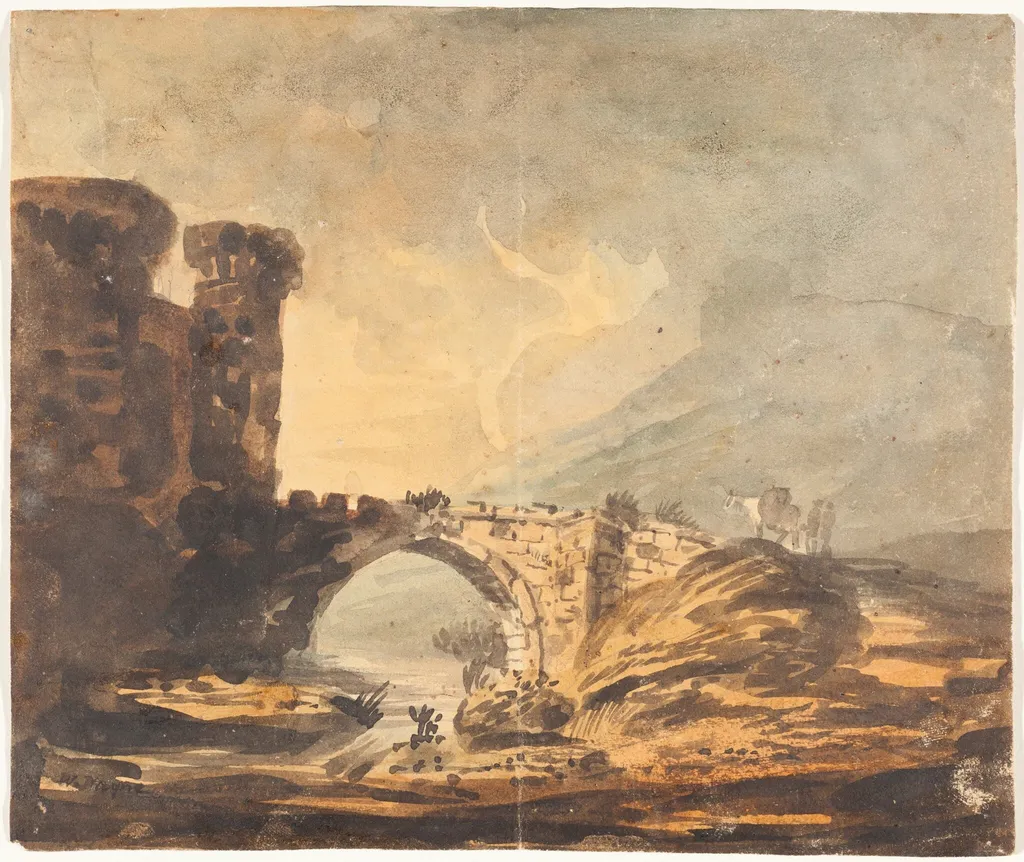
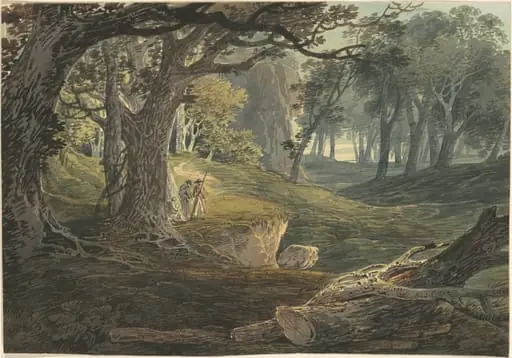
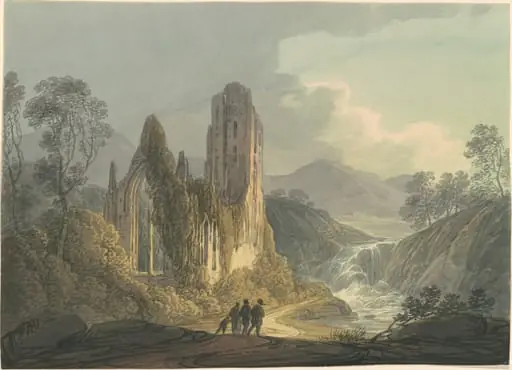
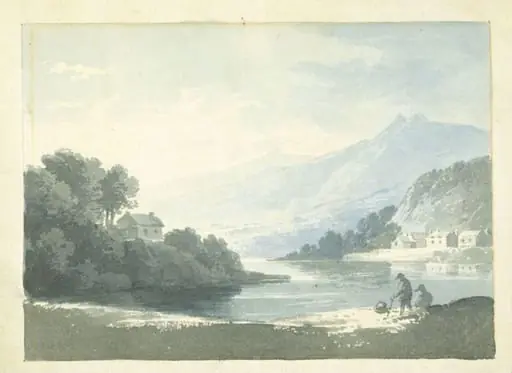
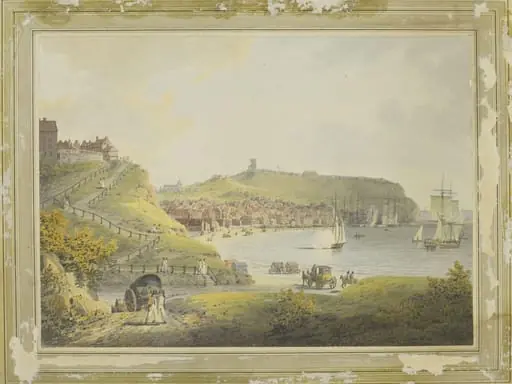
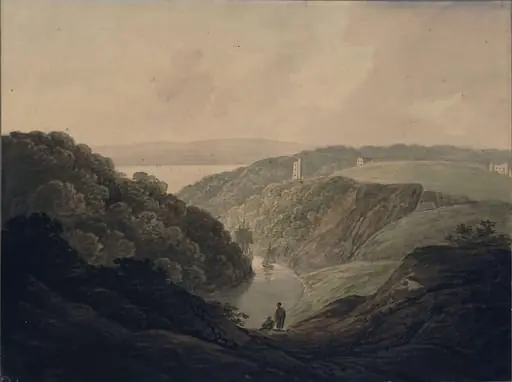
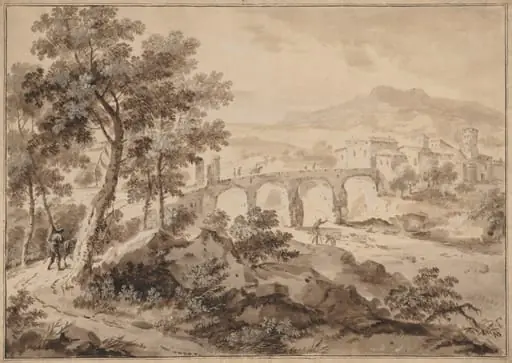
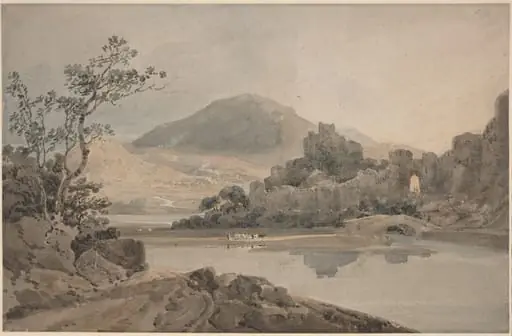
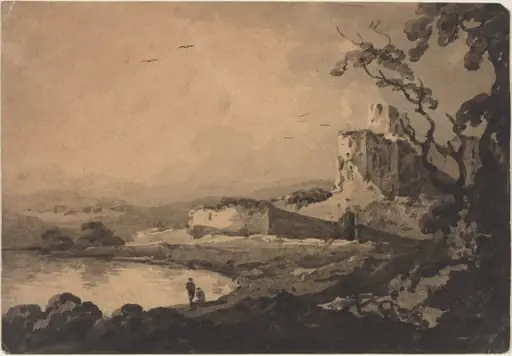
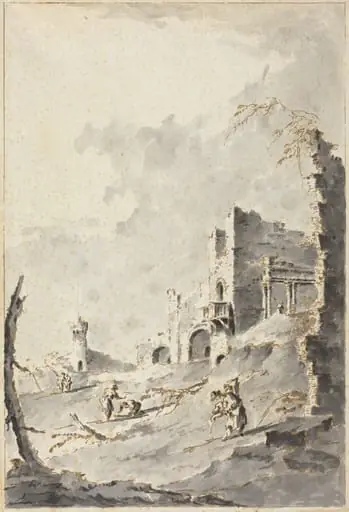
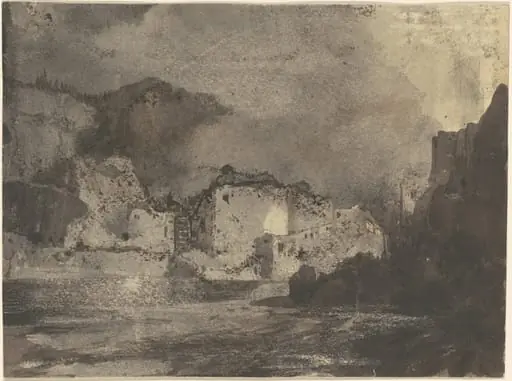
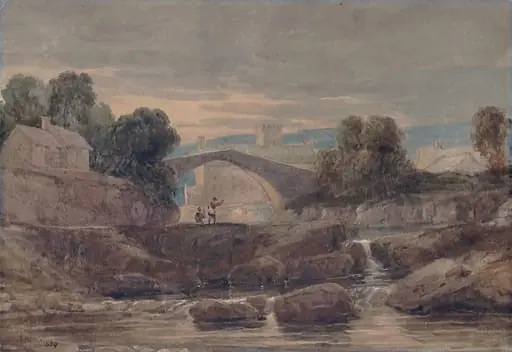
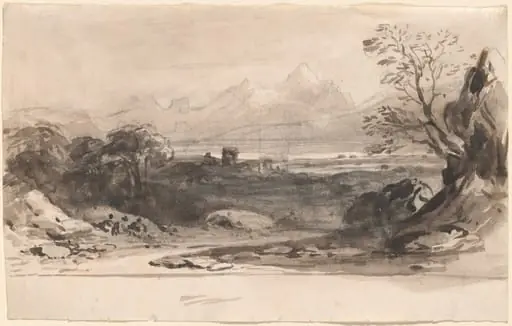
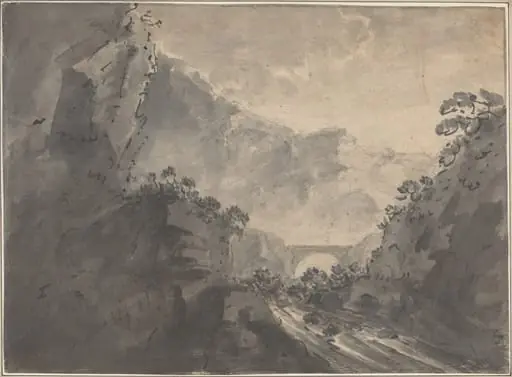
Landscape with a Castle and Bridge is a graphite drawing by the Romanticist artist William Payne. It dates from 1795 and is held in the collection of the National Gallery of Art.
About this work
Overview
Its modest scale and refined technique reflect its origin as a study or independent piece intended for private contemplation rather than public display.
Created in 1795, this watercolor drawing by William Payne depicts a tranquil rural scene featuring a castle and a bridge. Executed on wove paper with a graphite underdrawing and a gum arabic coating to enhance luminosity, the work exemplifies 18th-century British landscape practice. Its modest scale and refined technique reflect its origin as a study or independent piece intended for private contemplation rather than public display.
Subject & Meaning
The composition centers on a distant castle perched on a hill, connected to the foreground by a slender bridge spanning a quiet stream. The setting evokes a sense of quiet solitude, with no human figures to disrupt the stillness. The scene suggests an idealized vision of the English countryside, blending natural beauty with architectural remnants of the past, possibly invoking nostalgia for a stable, ordered world.
Technique & Style
Payne employed watercolor over a light graphite sketch, using the gum arabic coating to increase transparency and control washes. The brushwork is restrained, with soft gradations of tone to suggest atmospheric depth. The absence of bold outlines and the emphasis on tonal harmony align with contemporary practices among British watercolorists seeking to emulate the delicacy of ink drawings while expanding their tonal range.
History & Provenance
The work was produced during a period when watercolor was gaining recognition as a serious medium in Britain. While its early ownership is undocumented, its preservation in institutional collections suggests it was valued by collectors interested in topographical and picturesque traditions. No record of public exhibition at the time of creation exists, indicating it likely remained in private hands.
Context
In the 1790s, British artists increasingly turned to watercolor for landscape studies, influenced by the picturesque movement and the rise of amateur art. Payne, known for his innovations in watercolor technique, contributed to this trend by refining methods that allowed for greater atmospheric effect. This piece reflects broader cultural interests in landscape as a subject of aesthetic and emotional resonance.
Legacy
Though not widely reproduced, the work exemplifies Payne’s role in elevating watercolor as a medium capable of nuanced expression. Its survival in collections underscores its importance as a representative example of late 18th-century British drawing. Later watercolorists would build upon his technical approaches, particularly in the use of gum arabic to refine washes and control light.
Artist & collection