Artwork
A Picturesque Landscape
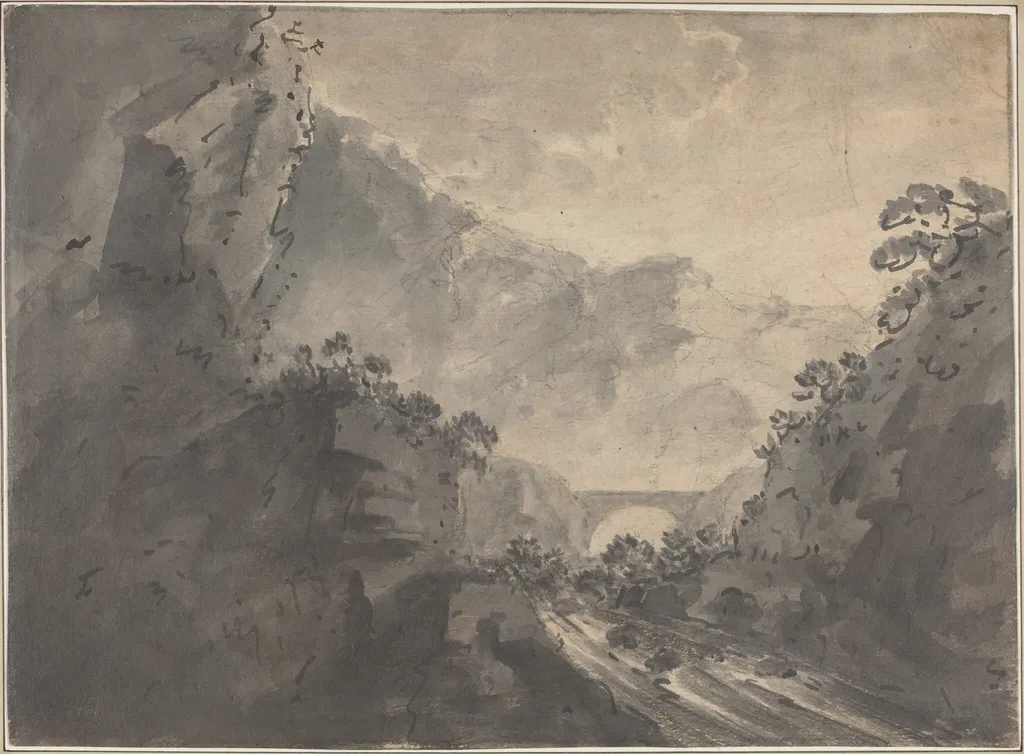
A Picturesque Landscape is an ink drawing by the Baroque artist William Gilpin. It dates from 1764 and is held in the collection of the National Gallery of Art.
About this work
Overview
A Picturesque Landscape is a drawing created by William Gilpin in 1764, executed with brush and black ink, complemented by gray washes, over a graphite underdrawing on specially prepared light ocher laid paper.
Subject & Meaning
The subject of the drawing is a landscape, characteristic of Gilpin's work, which often explored the aesthetic of the picturesque. The emphasis on natural scenery suggests an exploration of the sublime or the emotional response to nature, themes prevalent in 18th-century artistic and literary discourse.
Technique & Style
Technically, the piece showcases Gilpin's use of layered media: graphite for initial composition, black ink for defining lines, and gray washes for adding depth and tonal variation. This layered approach, combined with the warm, ocher-toned paper, contributes to a nuanced, expressive style reflective of the picturesque movement's emphasis on capturing the beauty of irregular, natural forms.
History & Provenance
Created in 1764, the drawing's early history and ownership trail are not detailed here, highlighting a gap in the publicly available provenance. Further research would be necessary to trace its movement through collections or private hands over time.
Context
A Picturesque Landscape situates itself within the 18th-century picturesque movement, a cultural and artistic trend that valued landscapes for their aesthetic appeal, often emphasizing the irregular and the sublime. Gilpin, known for his writings and artworks on the picturesque, contributed significantly to this movement.
Legacy
As a work by William Gilpin, A Picturesque Landscape contributes to the broader legacy of the picturesque movement, influencing subsequent generations of artists and thinkers on the appreciation of natural beauty. Its techniques and thematic focus reflect and reinforce the movement's ideals.
Own this work as a print
Artist & collection


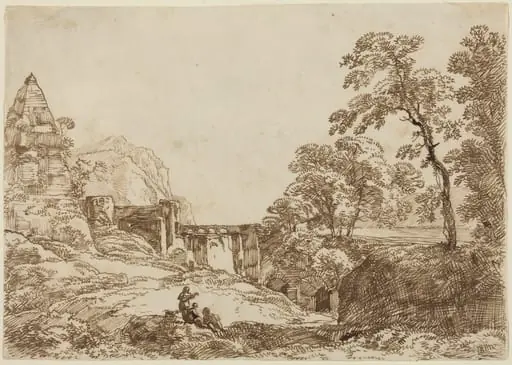 Landscape with a Pyramid and Classical Ruins
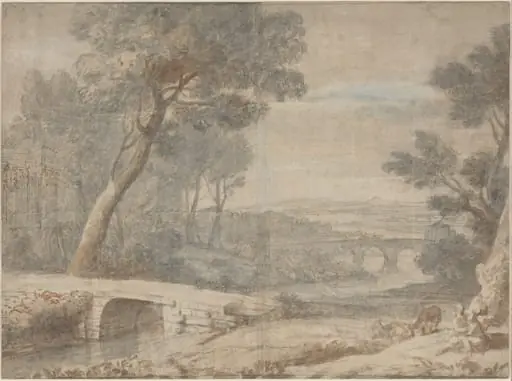 The Rest on the Flight into Egypt
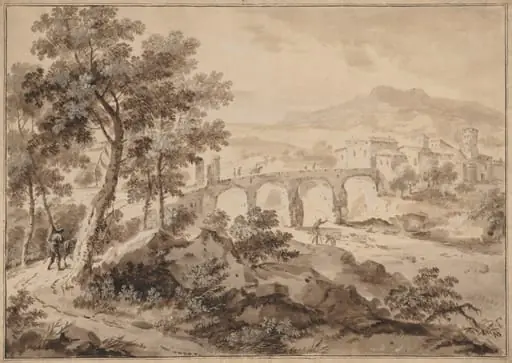 Landscape with Bridge
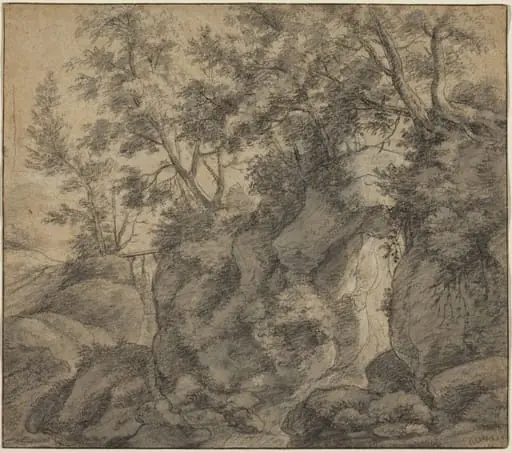 Landscape with a Wooded Ravine
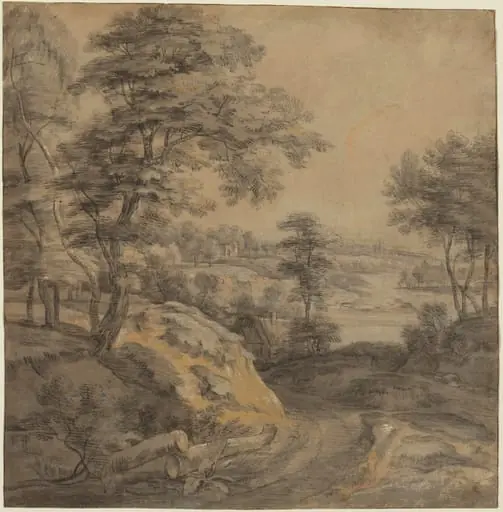 Wooded Landscape with a Road
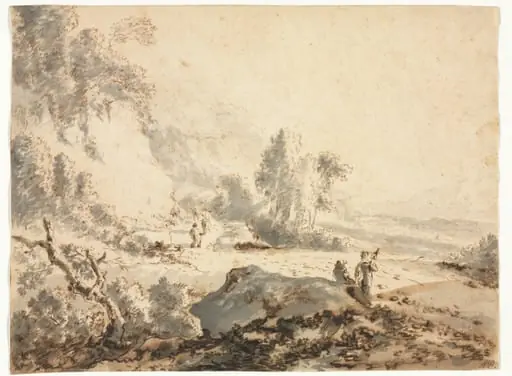 Landscape
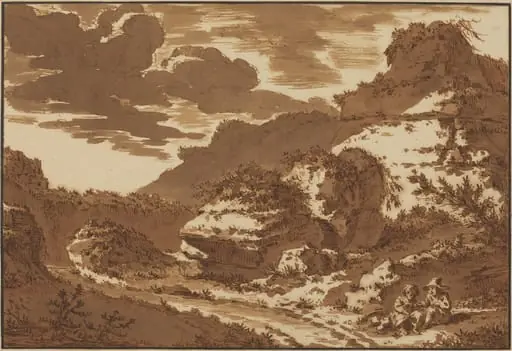 Two Children Seated near Overgrown Ruins
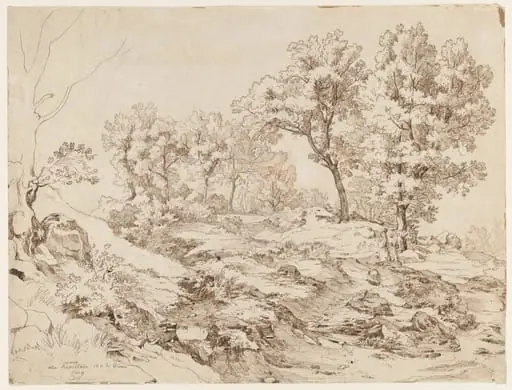 La Serpentara near Olevano
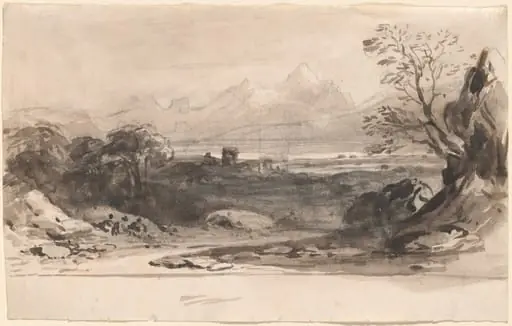 Landscape with Ruins
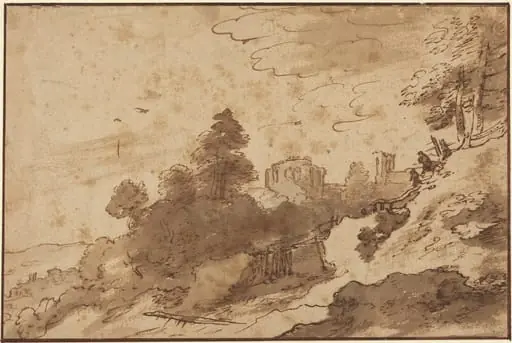 Landscape with Bridge and Ruins in Background
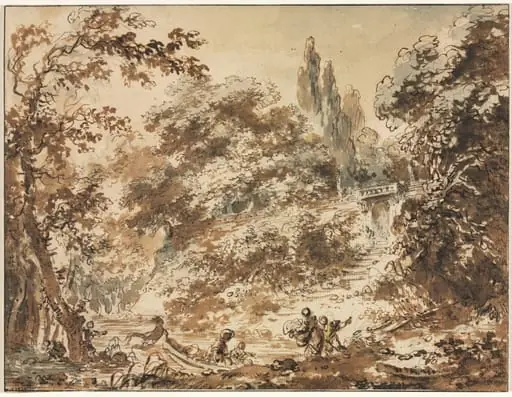 Scene in a Park
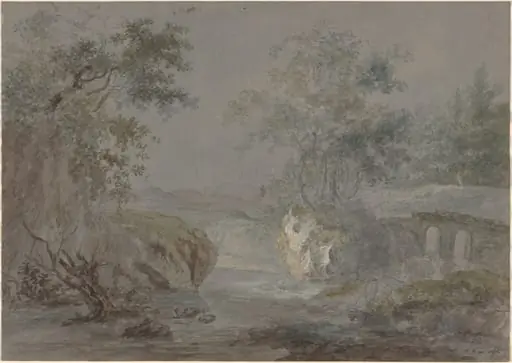 Wooded Cliffs along a Riverbank