Artwork
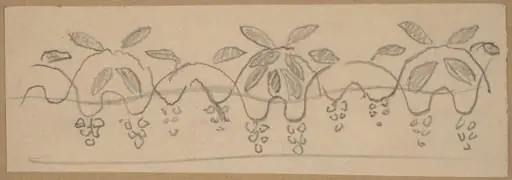
Study for a Border Design
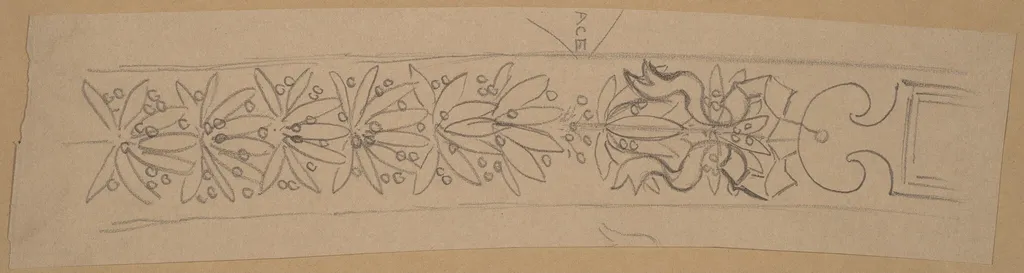
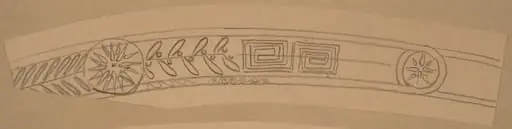
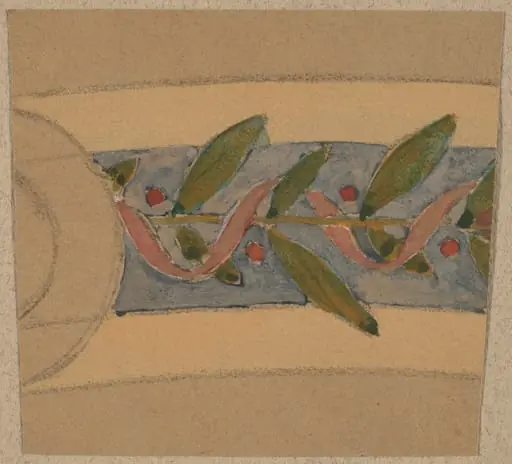
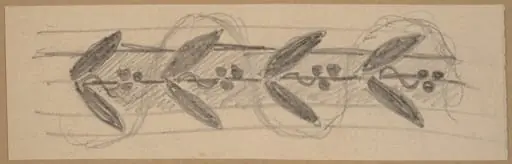
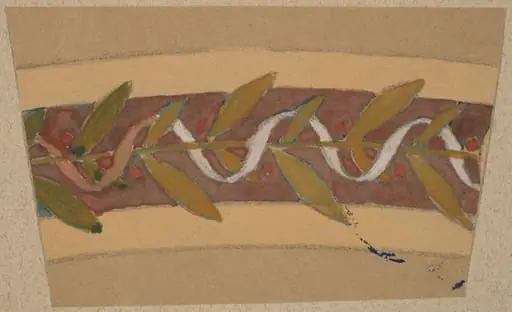
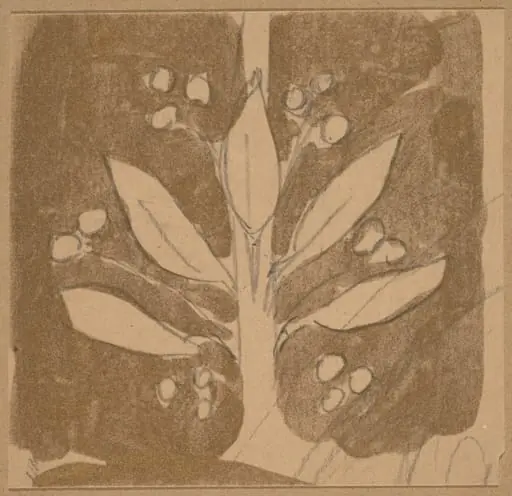
Study for a Border Design is a graphite drawing by the Impressionist artist Charles Sprague Pearce. It dates from 1894 and is held in the collection of the National Gallery of Art.
About this work
Overview
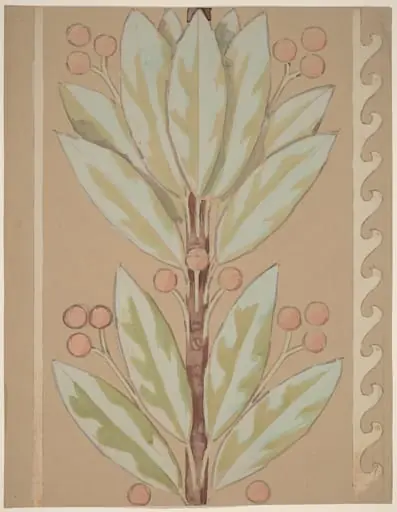
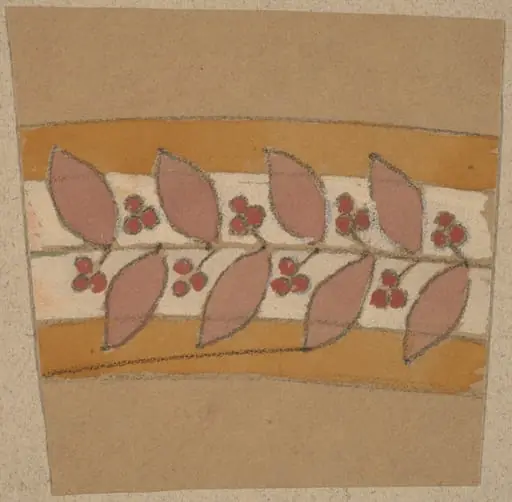
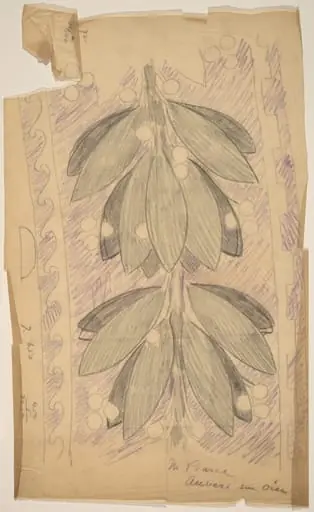
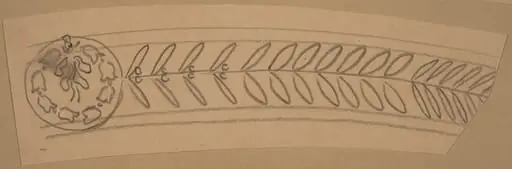
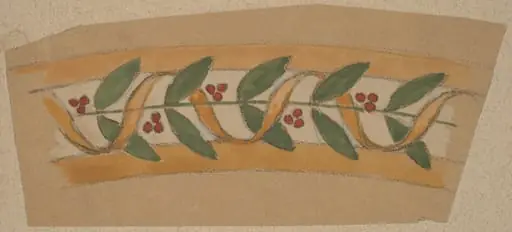
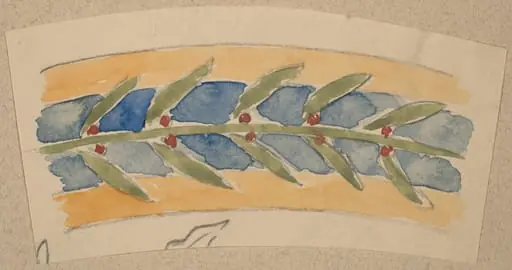
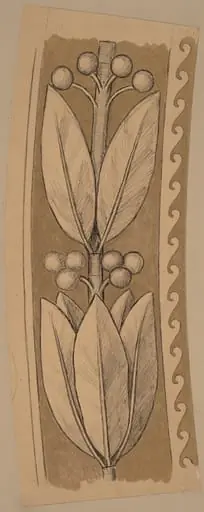
Created in 1894, this graphite study by Charles Sprague Pearce serves as a preparatory design for a decorative border. Executed on a sheet of gray wove paper, the drawing presents a repeated motif of stylized blossoms arranged in a linear sequence. The work exemplifies the artist’s exploratory approach to pattern before committing to a final decorative application.
Subject & Meaning
The composition consists of elongated, narrow petals radiating from small circular centers, linked together by slender, vine‑like stems. Though the forms are abstracted rather than naturalistic, they evoke a floral motif commonly employed in ornamental borders, suggesting an interest in integrating botanical symbolism within a decorative framework.
Technique & Style
Pearce employed graphite to render the design, using clean, decisive lines that emphasize the rhythmic repetition of the motif. The choice of gray wove paper provides a subtle texture that interacts with the graphite’s tonal range, allowing the delicate outlines to stand out without heavy shading, reinforcing the drawing’s schematic character.
History & Provenance
The piece originates from the late nineteenth‑century period when American artists frequently produced studies for architectural and interior design projects. While specific details of its acquisition are not recorded, the drawing reflects Pearce’s broader involvement in decorative arts during a time when pattern design was integral to applied arts commissions.
Artist & collection

Artist
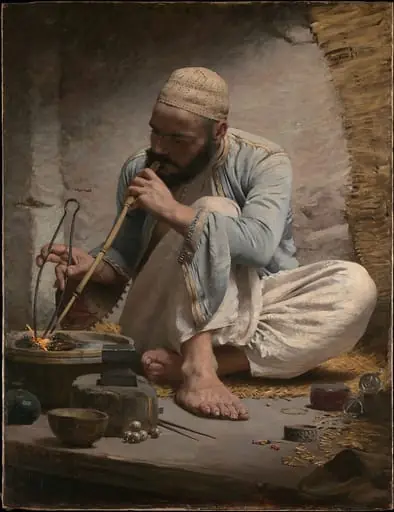
Charles Sprague Pearce (1851–1914) was an American artist, born in Boston.

![Studies for a Lunette [recto], by Charles Sprague Pearce](https://artifactworldgallery.com/img/charles-sprague-pearce--studies-for-a-lunette-recto--07c43c96c8ad1d74-w320.webp)