Artwork
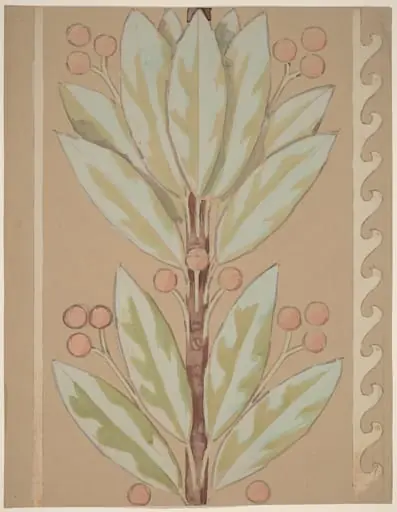
Study for an Archway
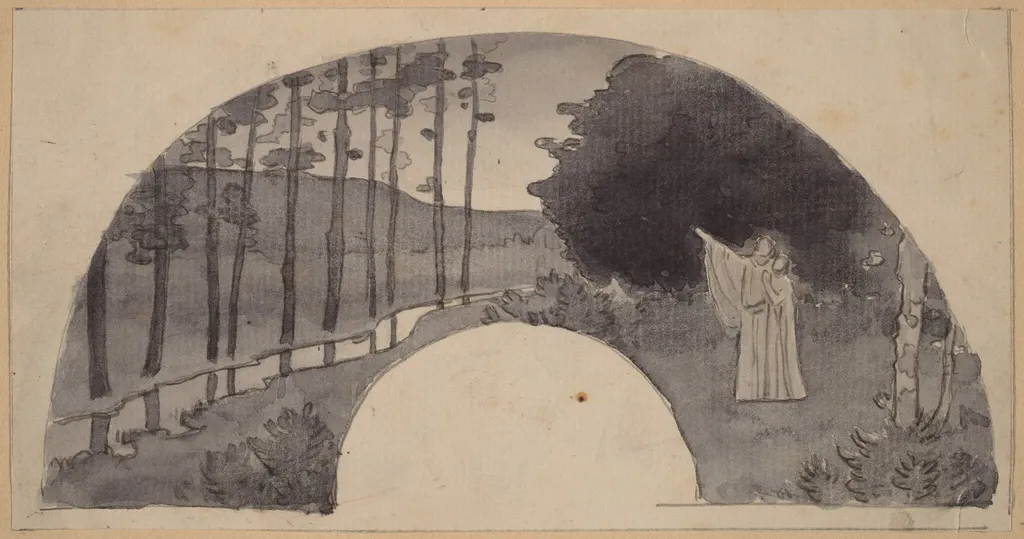
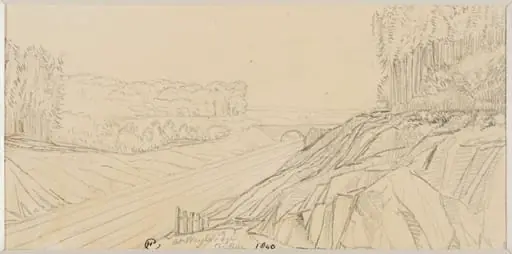
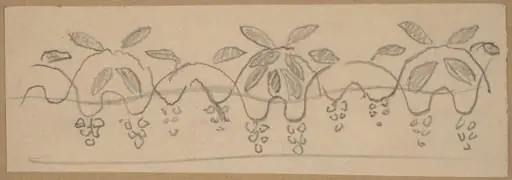
Study for an Archway is a graphite drawing by the Impressionist artist Charles Sprague Pearce. It dates from 1894 and is held in the collection of the National Gallery of Art.
About this work
Overview
Created in 1894, this drawing by Charles Sprague Pearce is a preparatory study executed in graphite and watercolor on tan laid paper. It was not intended as a finished work but as a visual exploration for a larger architectural composition, likely related to a mural or decorative project. The medium’s simplicity reflects the artist’s focus on form and structure over finish.
Subject & Meaning
The subject is an archway, rendered with careful attention to proportion and spatial depth. Its architectural form suggests a classical or Renaissance-inspired entrance, possibly meant to frame a narrative scene. The study conveys an interest in how light interacts with stone surfaces and how structural elements guide visual movement through space.
Technique & Style
Pearce employed graphite for precise linear definition and watercolor washes to suggest tonal variation and texture. The tan paper serves as a mid-tone base, allowing subtle highlights and shadows to emerge with restraint. The technique is deliberate and controlled, emphasizing clarity over expressive brushwork, aligning with academic traditions of the period.
History & Provenance
The drawing remains in private collections and institutional archives, with no public exhibition history widely documented. Its survival as a study indicates it was retained by the artist or his circle for reference, rather than sold or displayed as a standalone work. Its provenance reflects its functional role in Pearce’s creative process.
Context
In the 1890s, Pearce was engaged in mural commissions for public buildings, often drawing from classical architecture. This study aligns with his broader practice of sketching architectural elements to support large-scale decorative projects. The use of watercolor on paper was common among artists preparing designs for murals, offering flexibility and portability during the planning phase.
Legacy
As a working drawing, it offers insight into Pearce’s method of translating architectural ideas into monumental art. Though not widely known outside scholarly circles, it contributes to understanding the preparatory stages of American muralists working in the late 19th century, bridging academic training and public art commissions.
Artist & collection

Artist
Charles Sprague Pearce (1851–1914) was an American artist, born in Boston.

![Studies for a Lunette [recto], by Charles Sprague Pearce](https://artifactworldgallery.com/img/charles-sprague-pearce--studies-for-a-lunette-recto--07c43c96c8ad1d74-w320.webp)