Artwork
Battle of Zama
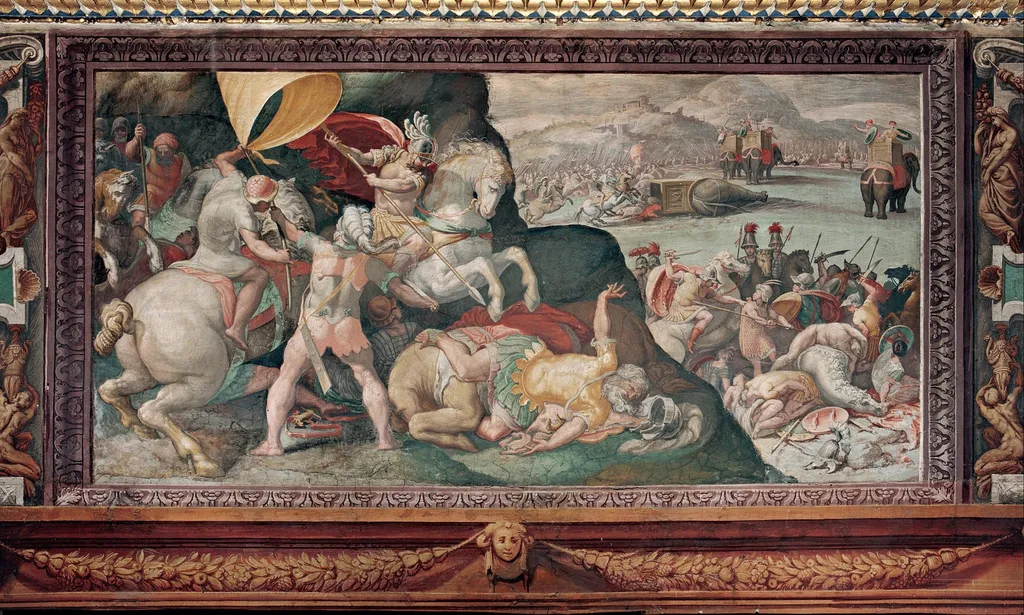
Battle of Zama is a fresco painting by the Mannerist artist Pedro de Rubiales. It is held in the collection of the Capitoline Museums.
About this work
Overview
Created in 1590, the fresco entitled “Battle of Zama” portrays a tumultuous military encounter rendered on a wall surface. Executed by the Spanish painter Pedro de Rubiales, the work now forms part of the collection of Rome’s Capitoline Museums. Its composition captures a moment of fierce combat, emphasizing the disorder and physical strain of ancient warfare.
Subject & Meaning
The scene illustrates the decisive clash between Roman and Carthaginian forces at Zama, focusing on the human cost of battle. Soldiers on horseback and foot engage in close quarters, while wounded figures lie strewn across the ground. The depiction of retreating troops and those tending to the injured underscores the chaos and tragedy inherent in large‑scale conflict.
Technique & Style
Rubiales employed the fresco technique, applying pigment to wet plaster so that the colors become integral to the wall. A restrained palette of browns, beiges and muted greens lends the image a somber tone, while the loose, dynamic brushwork conveys movement. The foreground figures are rendered with greater detail, contrasting with the more atmospheric treatment of distant elements.
History & Provenance
The painting was completed in the late sixteenth century, likely commissioned for a civic or private setting before being transferred to the Capitoline Museums, where it remains on display. Its attribution to Rubiales has been confirmed through stylistic analysis and archival records linking the artist to a series of historical frescoes of the period.
Context
During the Renaissance, large wall paintings served both decorative and didactic purposes, often illustrating classical episodes to convey moral or political messages. The Battle of Zama, a pivotal Roman victory, would have resonated with contemporary audiences as a symbol of triumph and order, aligning with the humanist interest in antiquity that characterized the era.
Legacy
Although not as widely reproduced as other battle scenes, Rubiales’s fresco contributes to the corpus of Renaissance historical painting, offering insight into the period’s visual vocabulary for warfare. Its preservation within the Capitoline collection allows scholars to examine the interplay of narrative content and fresco technique in late‑sixteenth‑century art.
Artist & collection

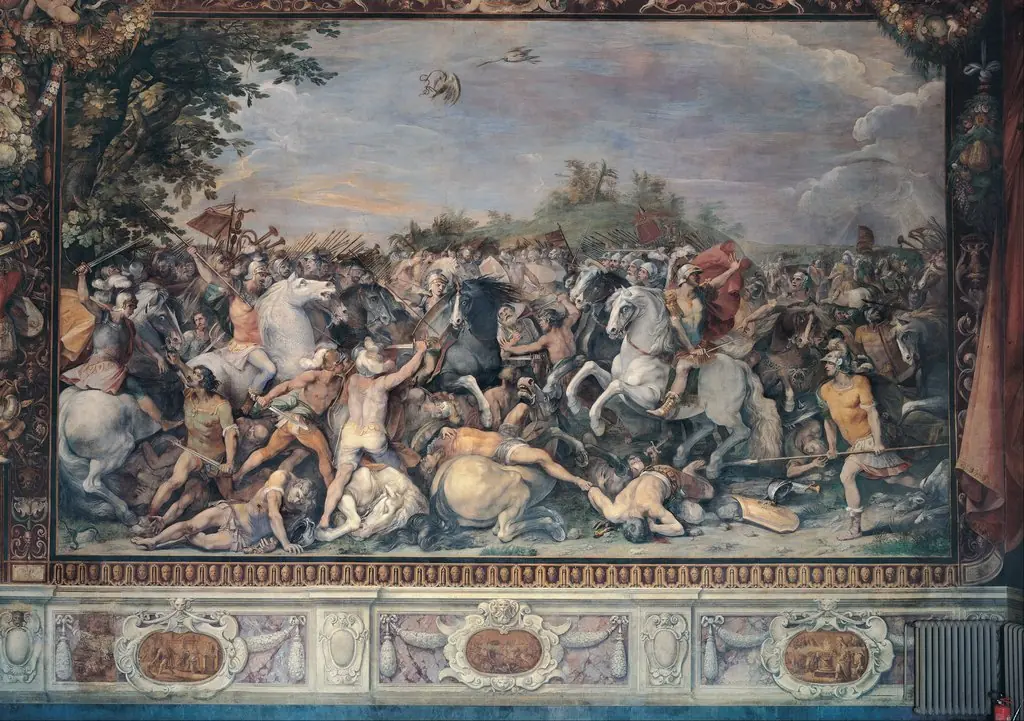 Battle against the inhabitants of Veii and Fidenae
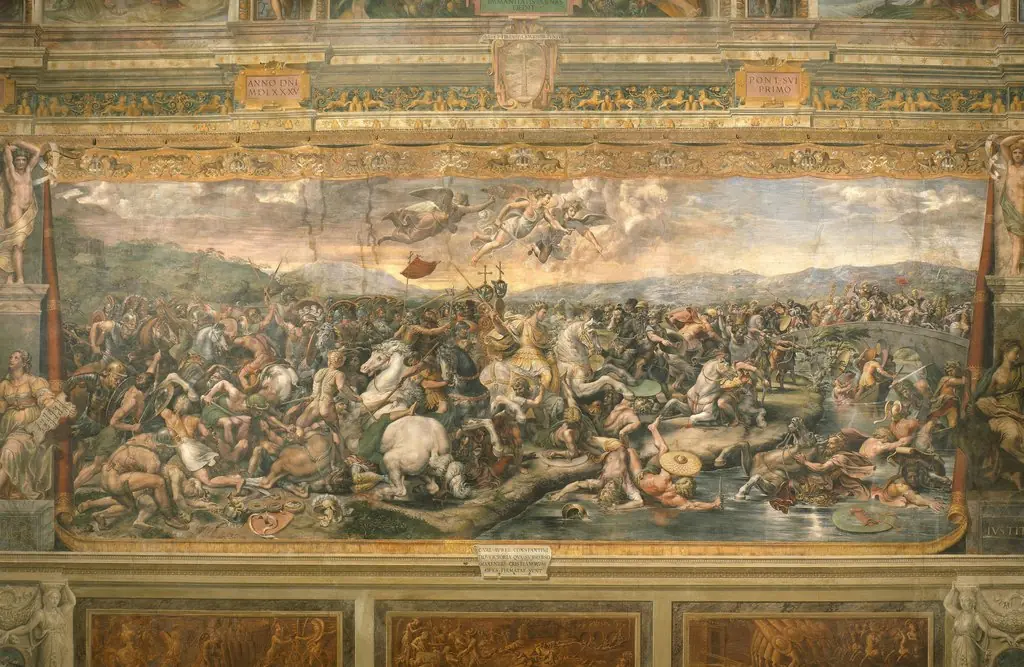 The Battle of the Milvian Bridge
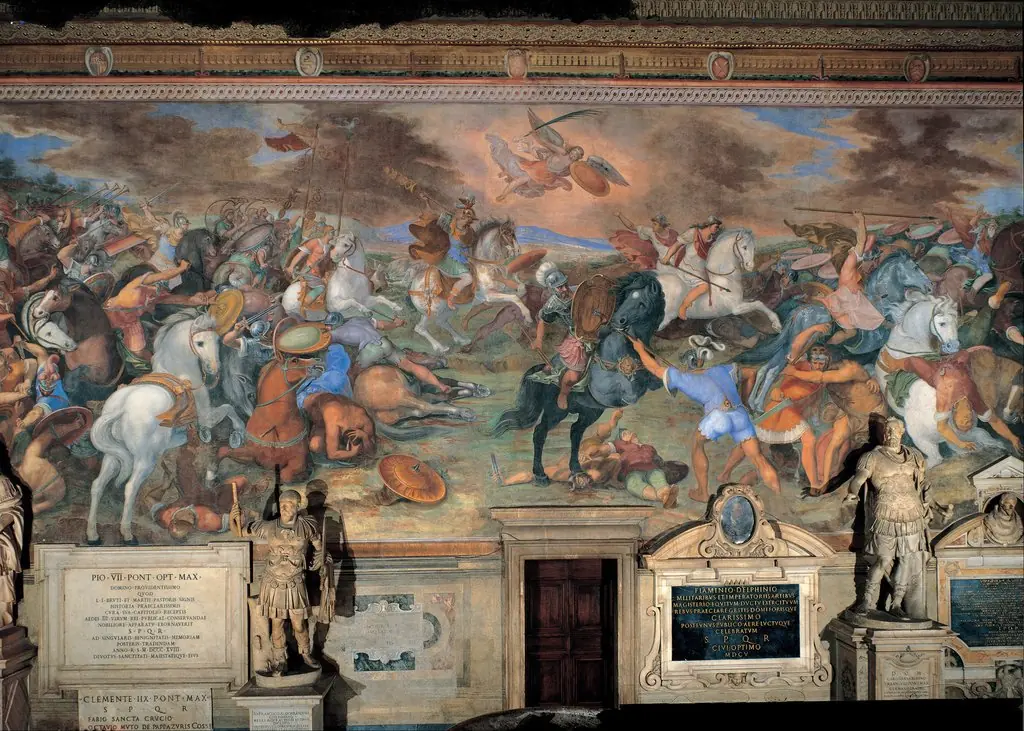 Battle of Lake Regillus
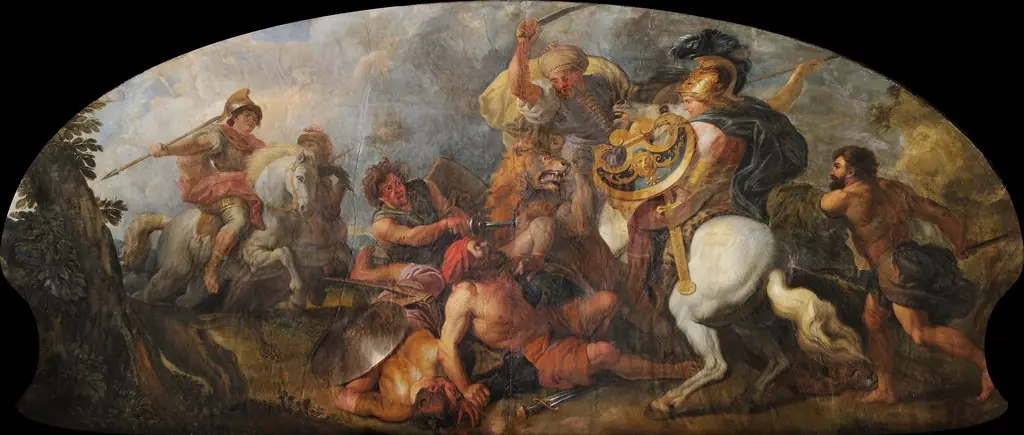 Alexander the Great hunting Lions
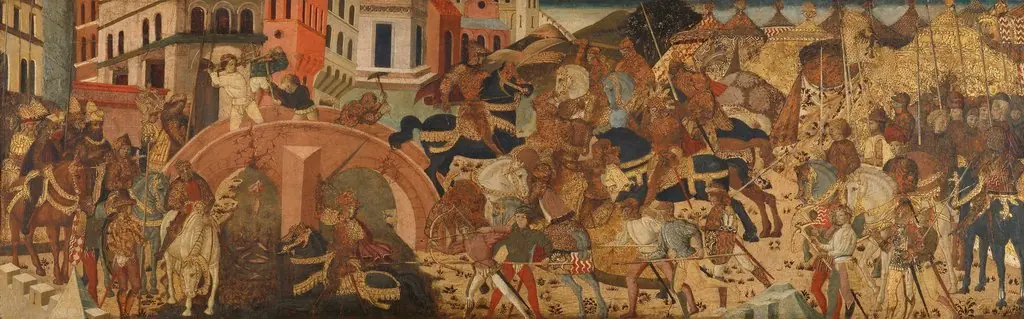 Horatius Cocles Defending the Sublician Bridge
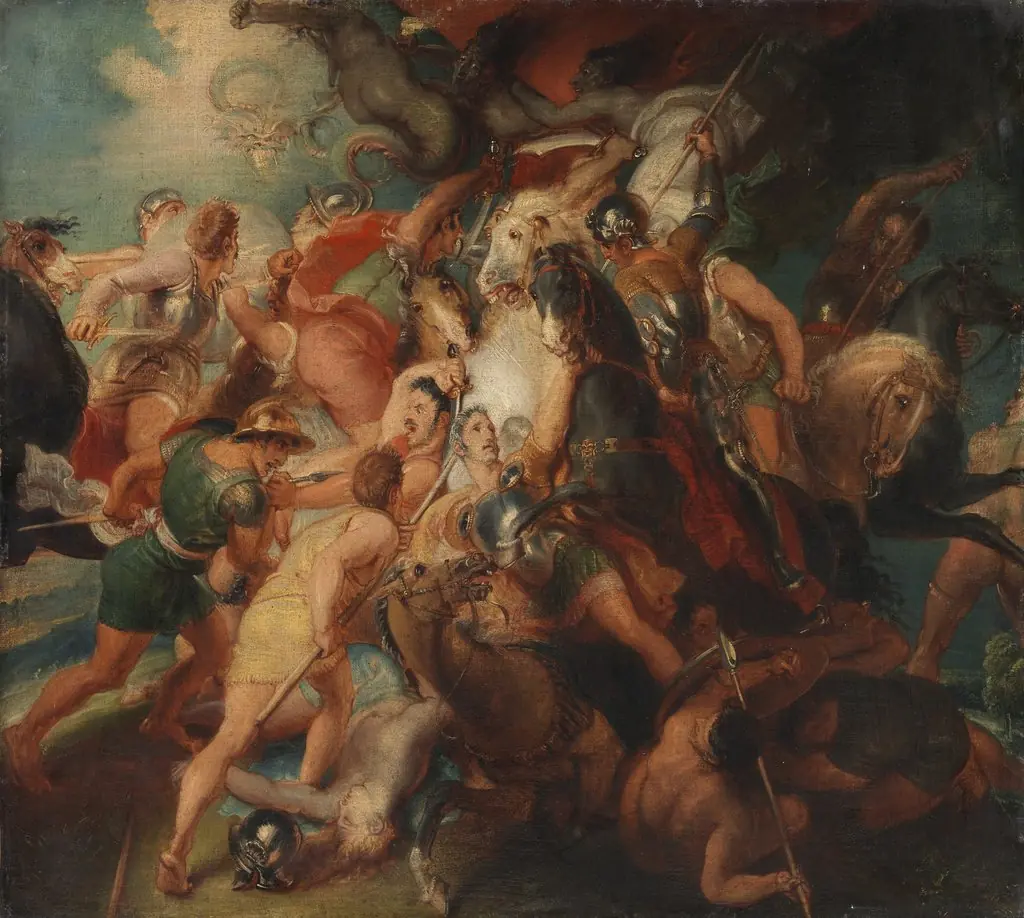 The Horrors of War, Sketch for Burghley House Mural
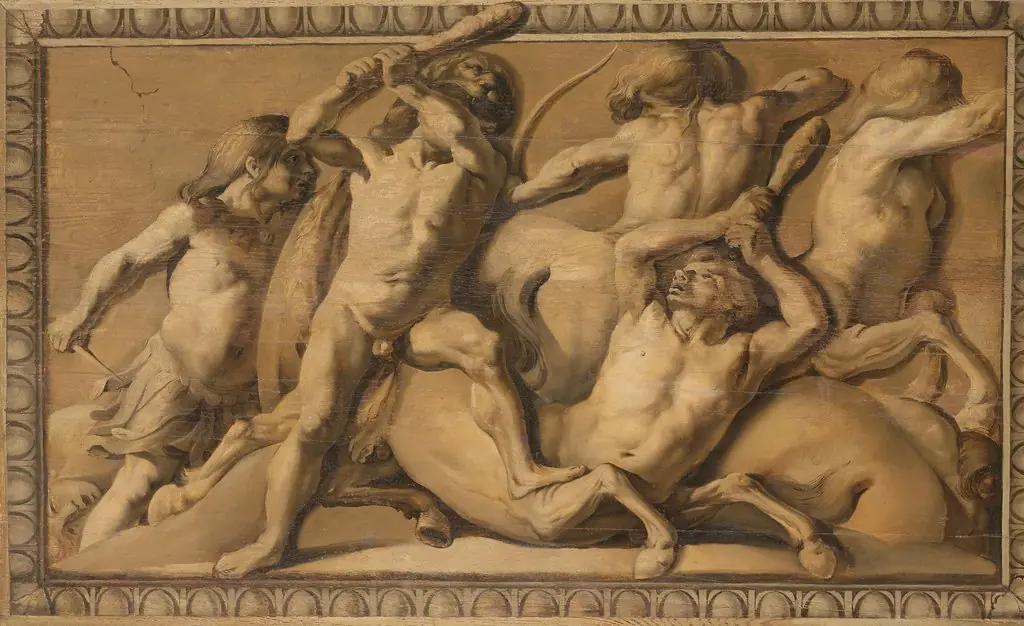 Hercules Defeated the Centaurs
 Conversion of Saul
 Combat of the Horatii and the Curiatii
 Bellona