Artwork
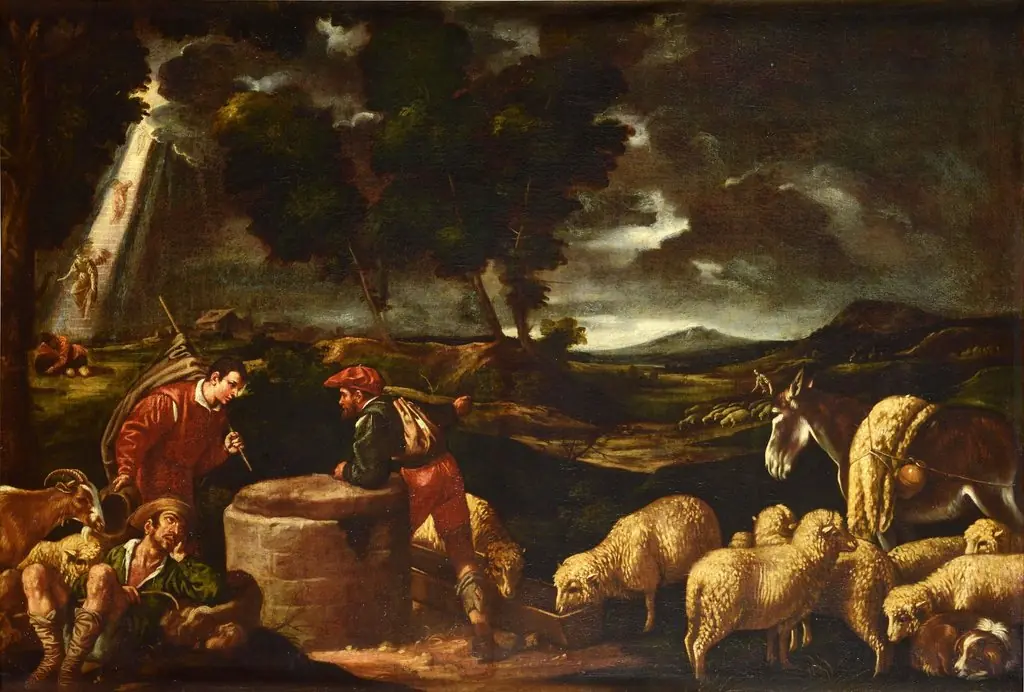
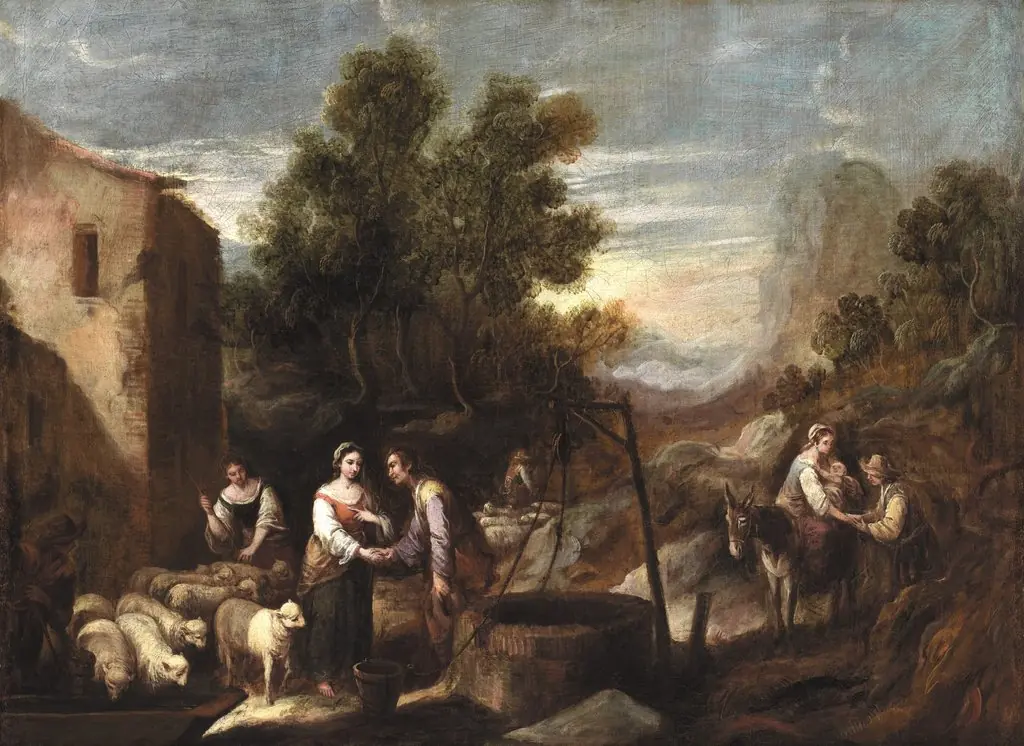
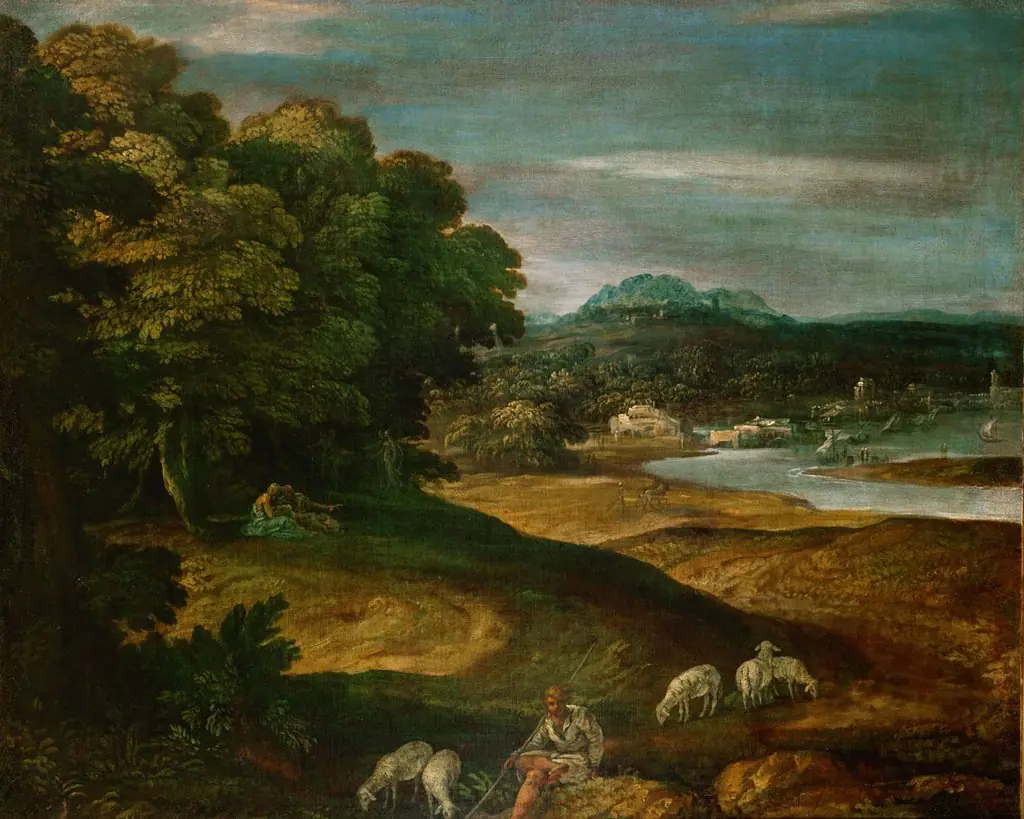
Jacob at the Well (In the background: Jakob's dream of the heavenly ladder)
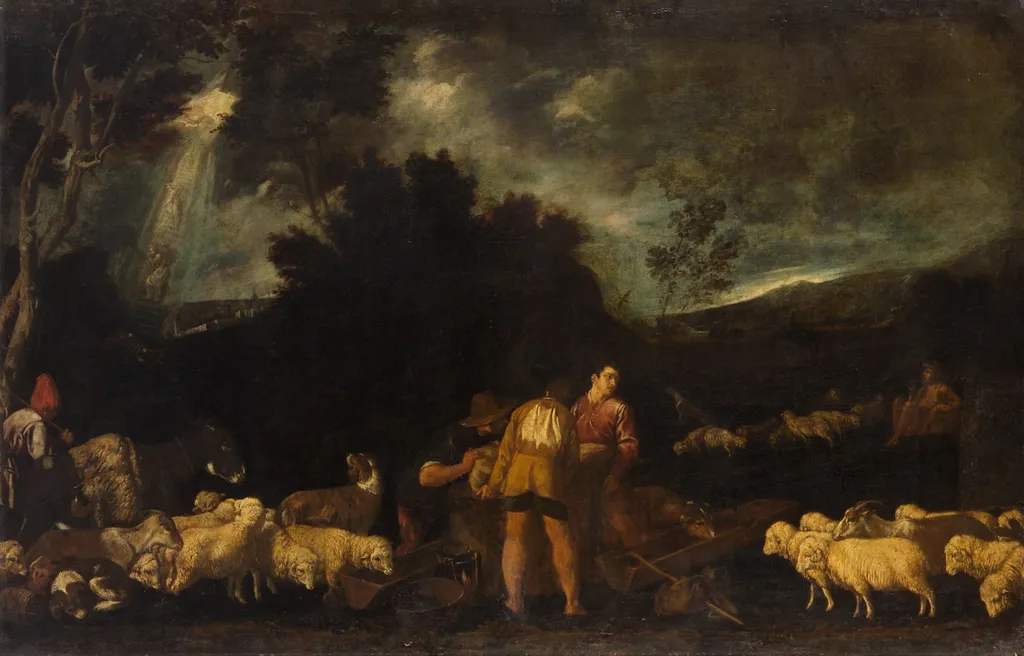
Jacob at the Well (In the background: Jakob's dream of the heavenly ladder) is an unspecified painting by the Early Baroque Italian artist Pedro Orrente. It dates from 1620 and is held in the collection of the Kunsthistorisches Museum.
About this work
Overview
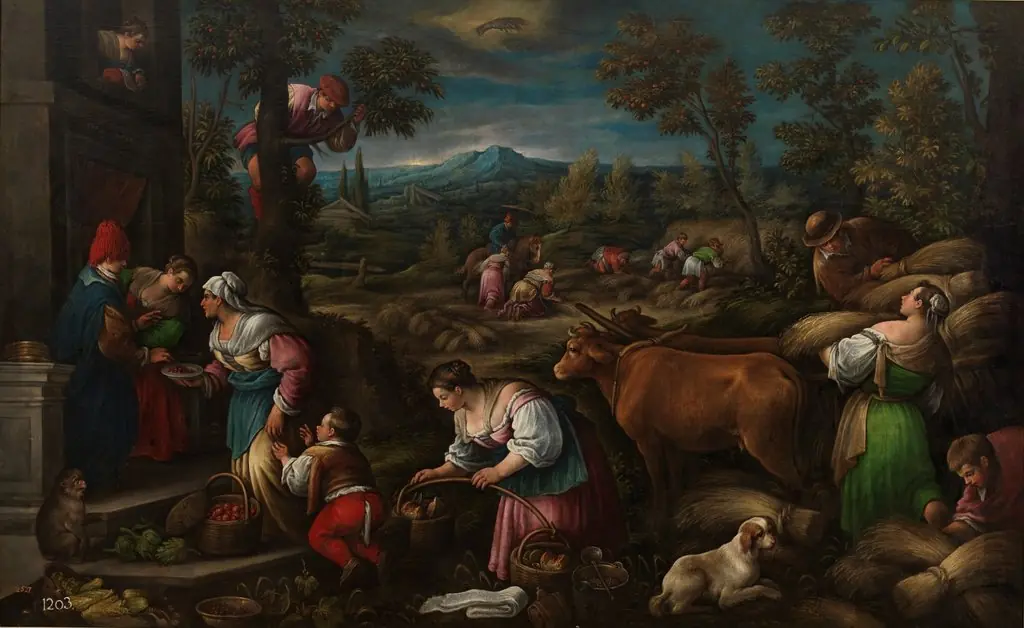
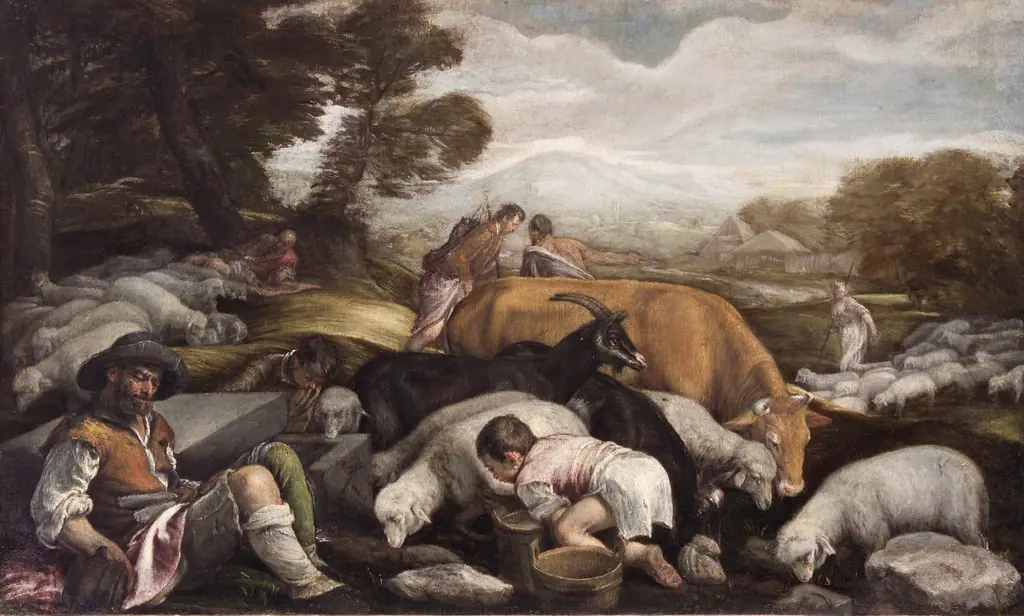
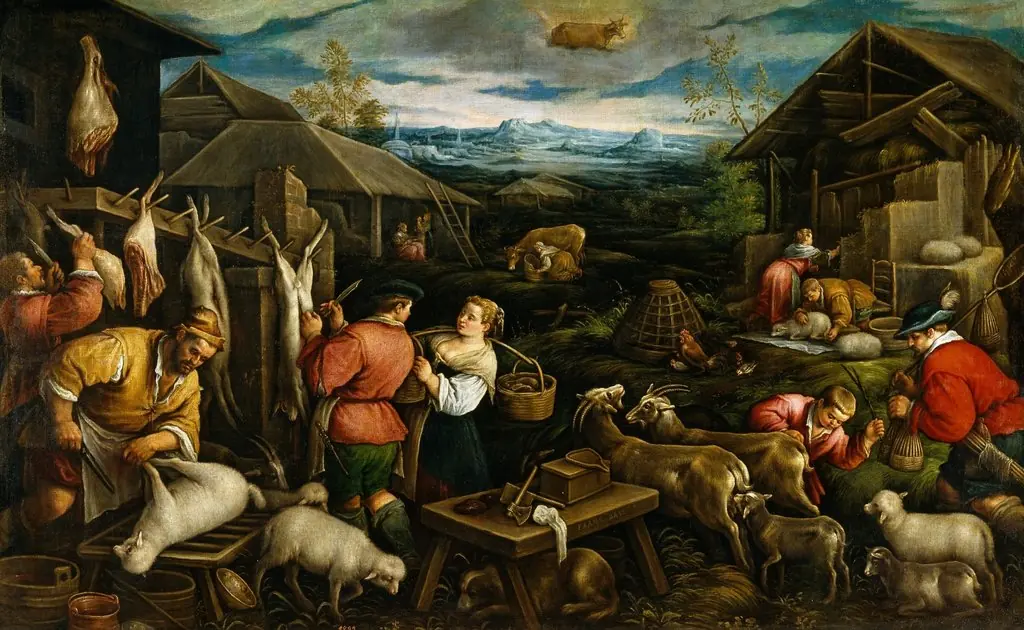
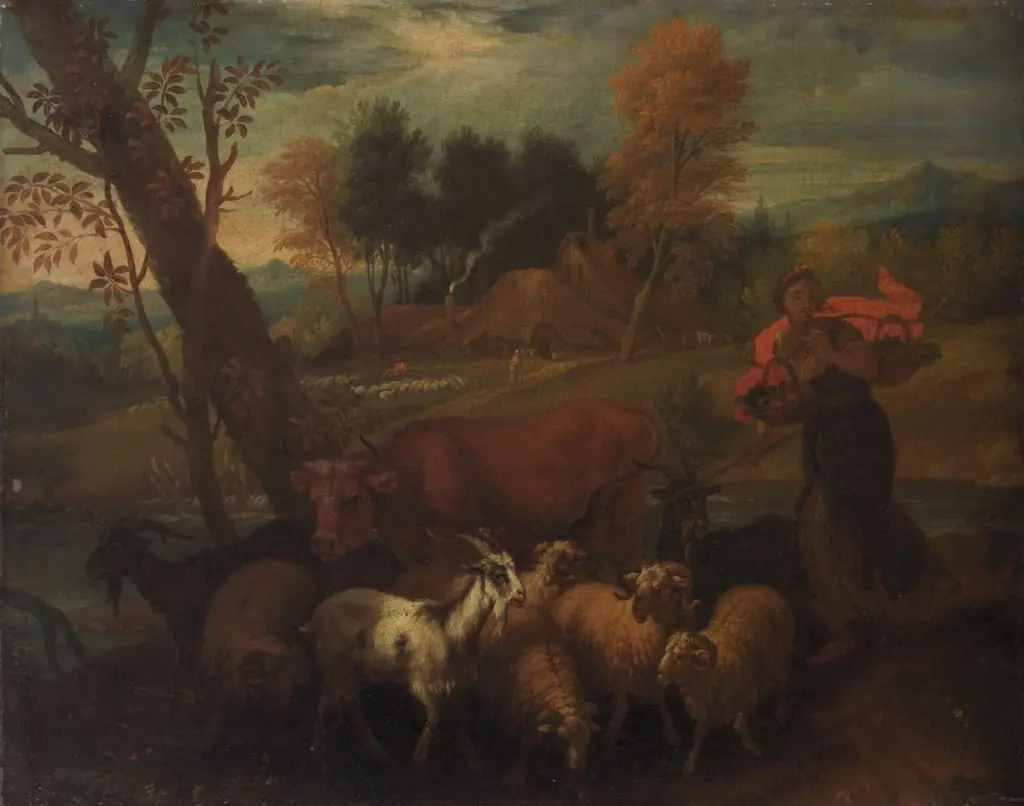
Painted in 1620 by Spanish artist Pedro Orrente, this work illustrates the biblical episode of Jacob meeting Rachel at a well, with a secondary scene of his nocturnal vision of a celestial ladder appearing in the distance. Executed in the early Baroque period, the painting blends narrative clarity with atmospheric depth, reflecting Orrente’s engagement with naturalistic trends in Spanish painting of the time. It resides today in the Kunsthistorisches Museum in Vienna.
Subject & Meaning
Behind him, a luminous ladder stretches from earth to heaven, populated by ascending and descending figures, alluding to Jacob’s dream at Bethel.
The foreground depicts Jacob, a shepherd, beside a well, engaged with a woman and surrounded by flocks, referencing Genesis 29. Behind him, a luminous ladder stretches from earth to heaven, populated by ascending and descending figures, alluding to Jacob’s dream at Bethel. The dual scenes connect earthly encounter with divine promise, framing human action within a larger spiritual narrative without overt symbolism.
Technique & Style
Orrente employs chiaroscuro to heighten emotional contrast: the radiant ladder emerges from shadowed hills and dense trees, while the foreground remains grounded in muted earth tones. Figures are rendered with quiet realism, avoiding theatricality. The brushwork is controlled yet expressive, emphasizing texture in fabric, stone, and foliage, aligning with the naturalist tendencies of his regional school while maintaining compositional restraint.
History & Provenance
The painting entered the Habsburg collections in the early 17th century, likely acquired during Orrente’s time in Italy or through Spanish court networks. It remained in imperial holdings, eventually finding a permanent place in the Kunsthistorisches Museum’s Old Master paintings. Its survival through centuries of political change reflects its quiet significance within Habsburg artistic patronage.
Context
Orrente worked in a period when Spanish painters were absorbing Italian influences, particularly from Caravaggio’s followers. Though not overtly dramatic, this painting reflects the era’s interest in biblical storytelling rendered with psychological subtlety and environmental realism. The integration of two scriptural moments into one frame was a common devotional strategy in Counter-Reformation art.
Legacy
While not widely reproduced, the painting exemplifies how regional Spanish artists adapted broader European trends to convey sacred narratives with restraint. Its quiet intensity and layered composition influenced later Spanish genre and religious painting, preserving a model of narrative cohesion grounded in observation rather than spectacle.
Artist & collection
Artist
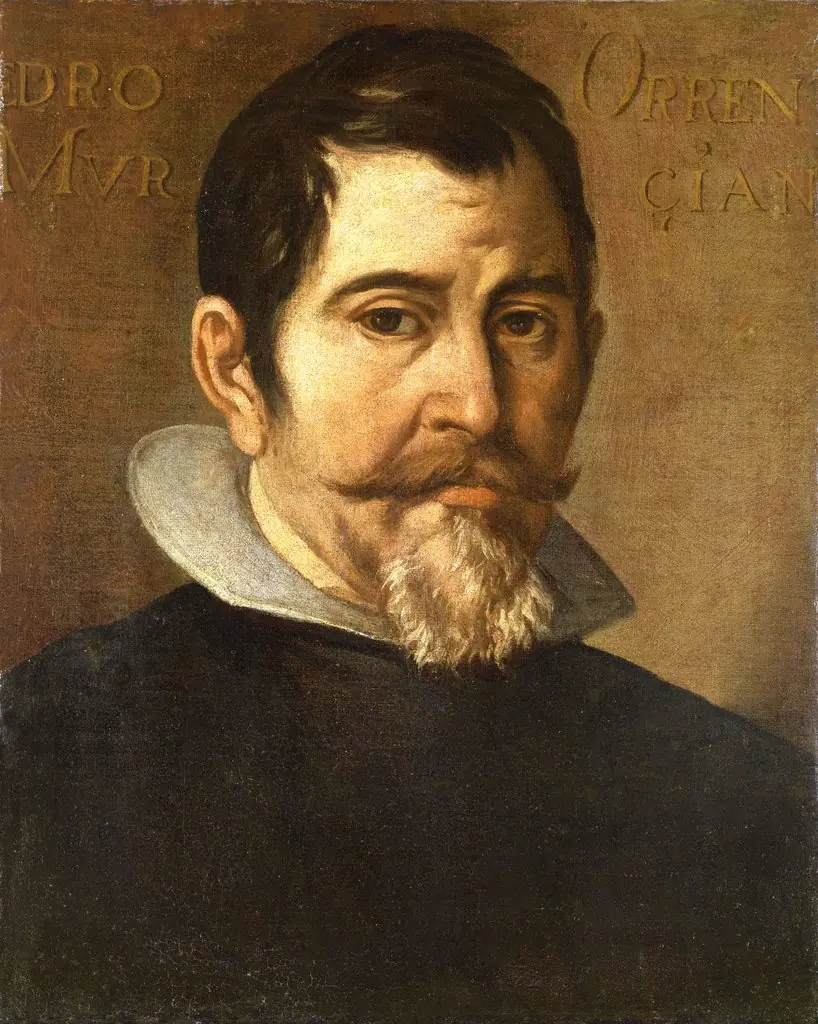
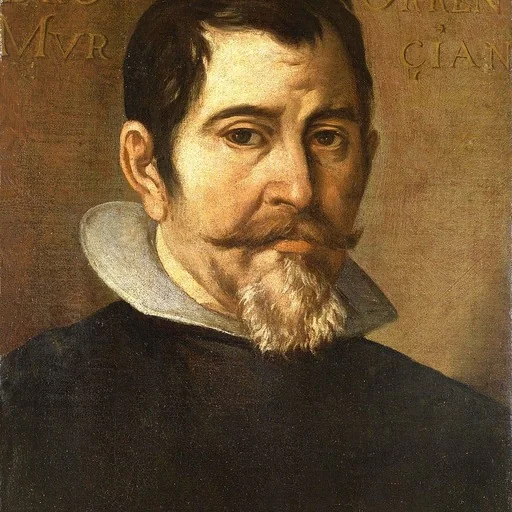
Pedro de Orrente (April 1580 – 19 January 1645) was a Spanish painter of the early Baroque period. He became one of the first artists in that part of Spain to paint in a Naturalistic style.