Artwork
Self-portrait
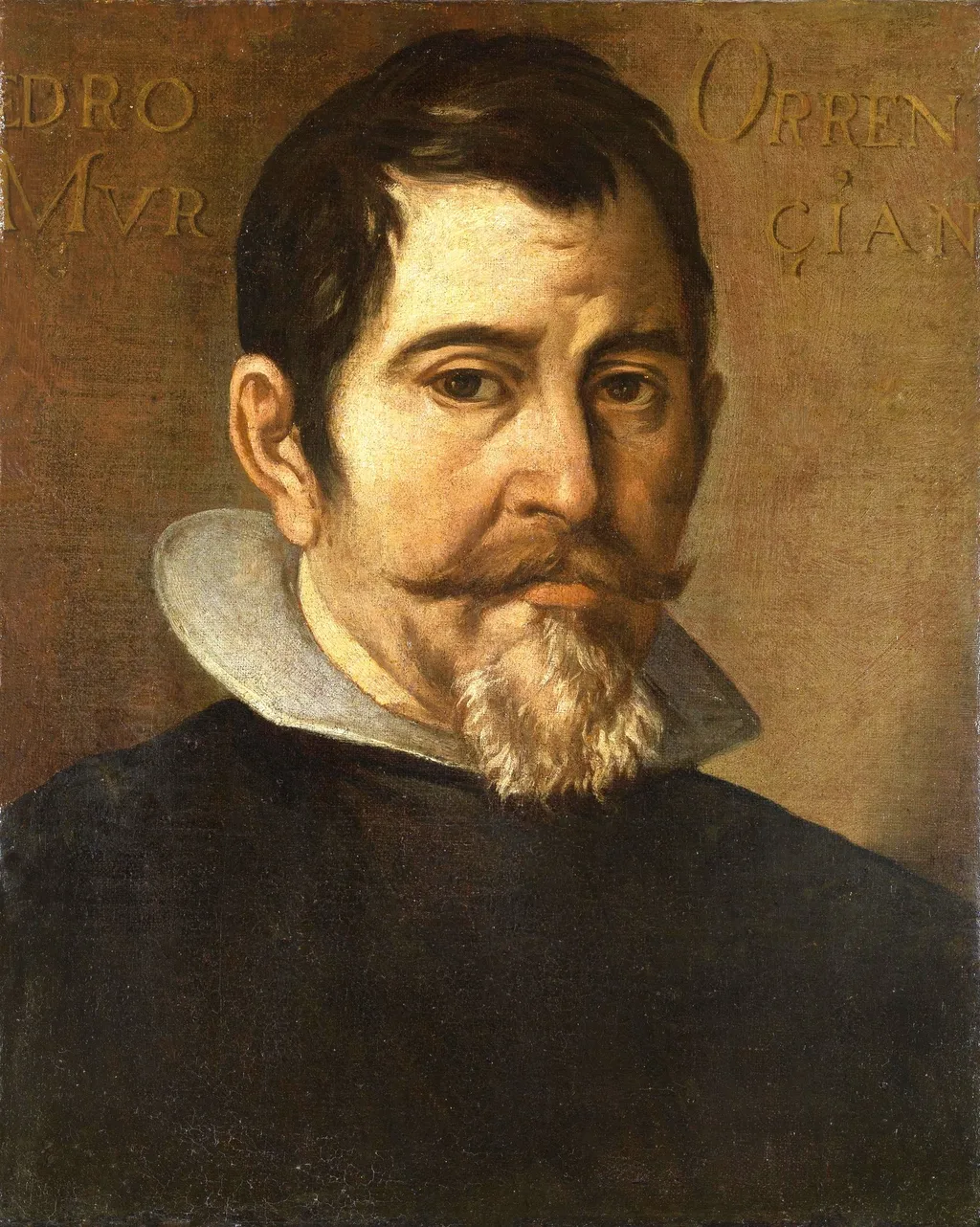
Self-portrait is an oil painting by the Early Baroque Italian artist Pedro Orrente. It dates from 1620 and is held in the collection of the Museo del Prado.
About this work
Overview
Self-portrait (1620) is an oil painting by Pedro de Orrente, an early Baroque Spanish artist. The work is a close-up, Naturalistic self-depiction, characterized by a dark, plain background that emphasizes the subject's face.
Subject & Meaning
The subject is Orrente himself, portrayed with a dark beard, mustache, short hair, and dressed in a black shirt with a white collar. The inclusion of his name at the top confirms the self-portrait nature, suggesting an assertion of identity or artistic presence.
Technique & Style
Orrente employs a Naturalistic style, one of the first in his region to do so. The painting features soft, focused lighting on the face, creating a gentle shadow on the cheek, indicative of chiaroscuro techniques that enhance depth and volume.
History & Provenance
Created in 1620, the self-portrait is now part of the Museo del Prado's collection, indicating its significance within Spanish Baroque art heritage.
Context
Within the early Baroque period, Orrente's adoption of Naturalism and chiaroscuro reflects broader European artistic trends, while his regional pioneering in these styles highlights his innovative role in Spanish art.
Legacy
As one of the first Naturalistic self-portraits in its region, the work contributes to the evolution of Spanish Baroque painting, influencing subsequent artists in their approach to realism and lighting techniques.
Own this work as a print
Artist & collection
Artist
Pedro de Orrente (April 1580 – 19 January 1645) was a Spanish painter of the early Baroque period. He became one of the first artists in that part of Spain to paint in a Naturalistic style.

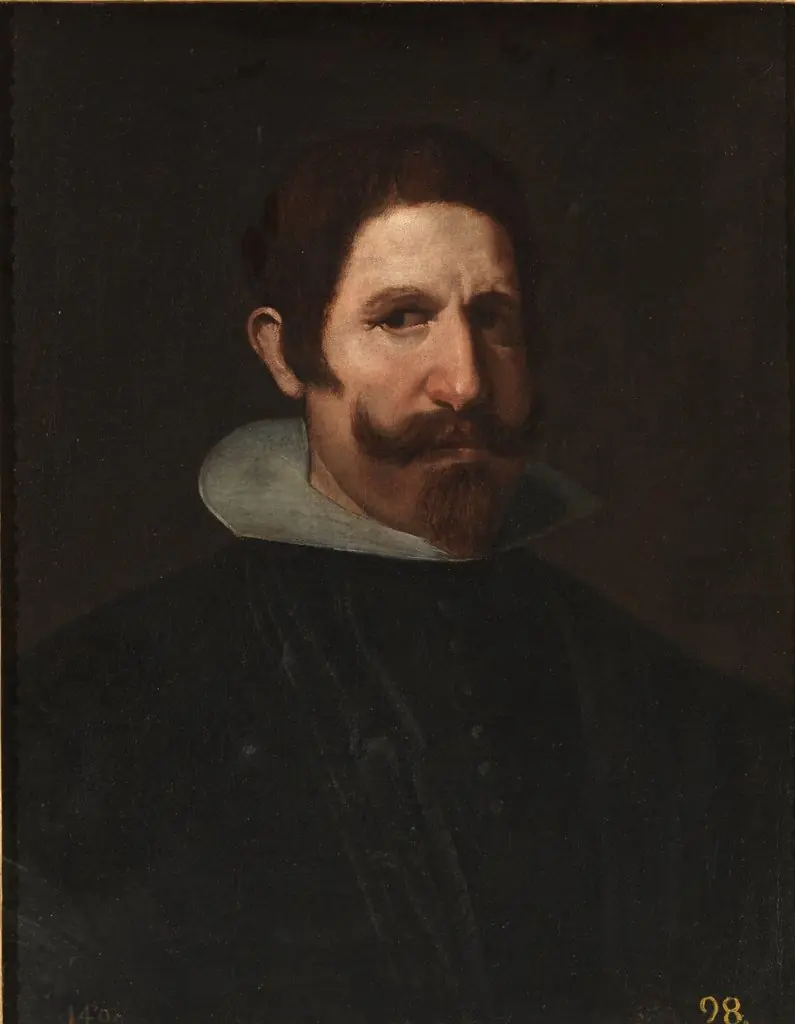 Alonso Martínez de Espinar (¿?)
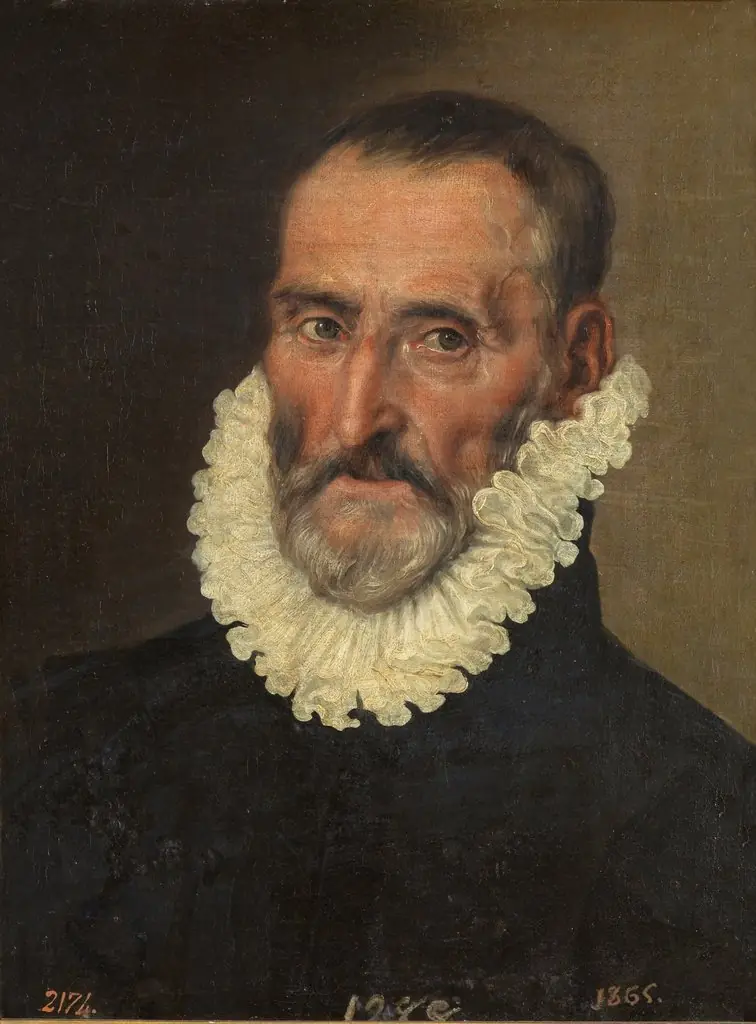 Portrait of an elderly Man
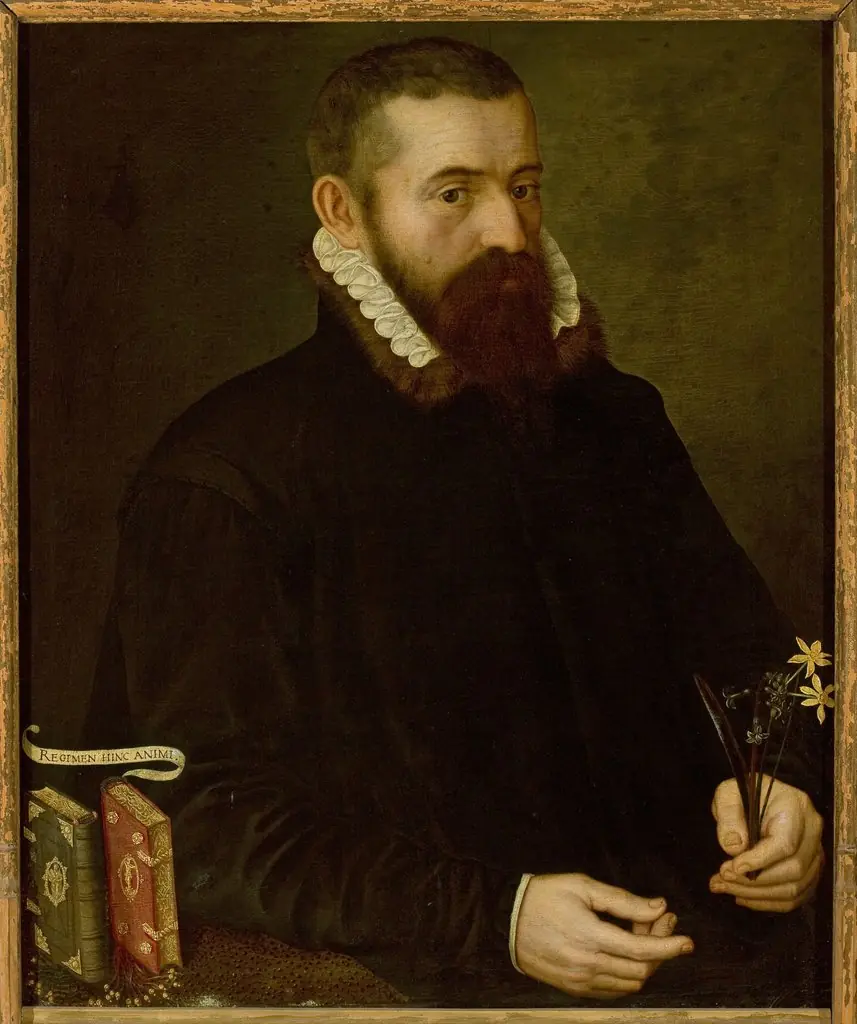 Portrait of a man
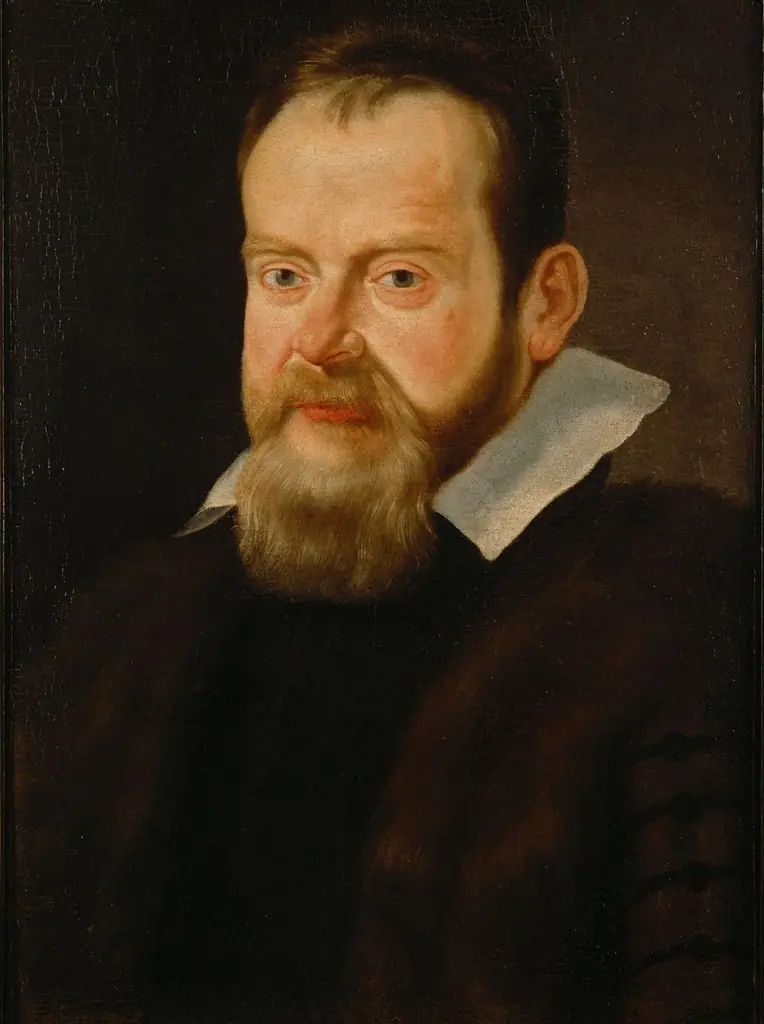 Galileo Galilei (1564-1642) in pelzverbrämtem Mantel, Brustbild
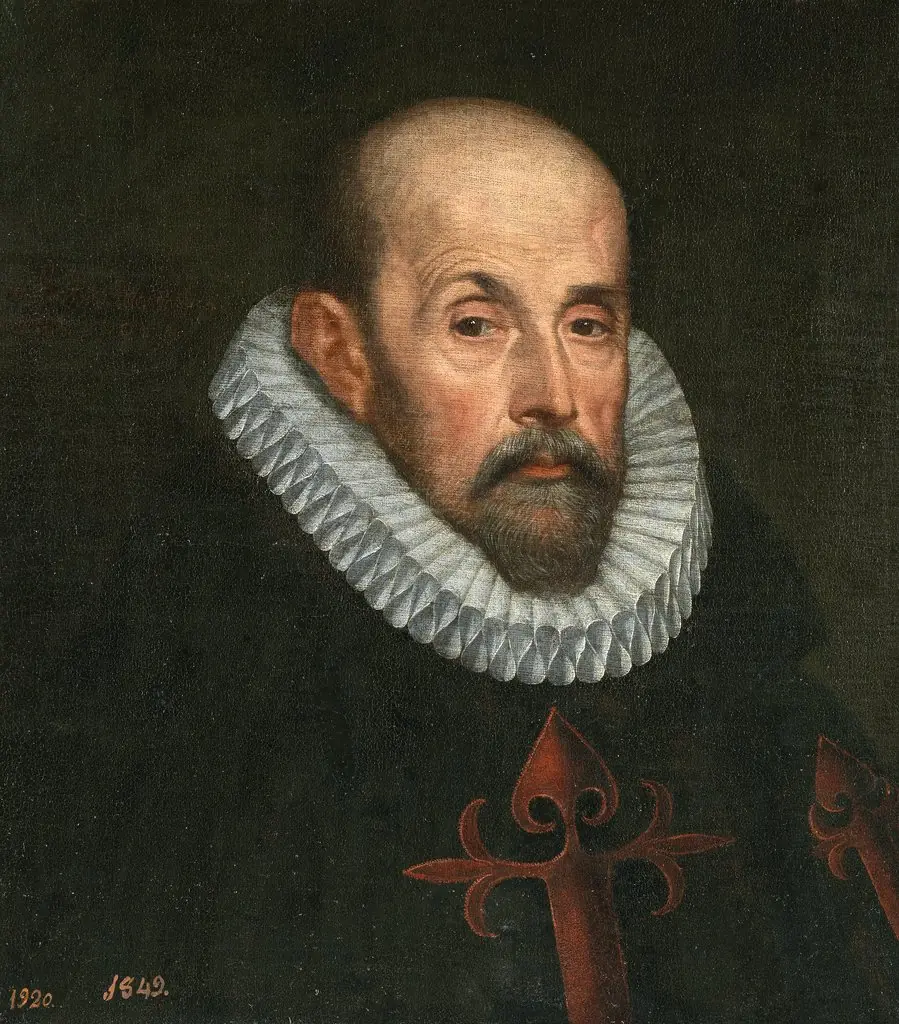 Portrait of a Knight of the Order of Santiago
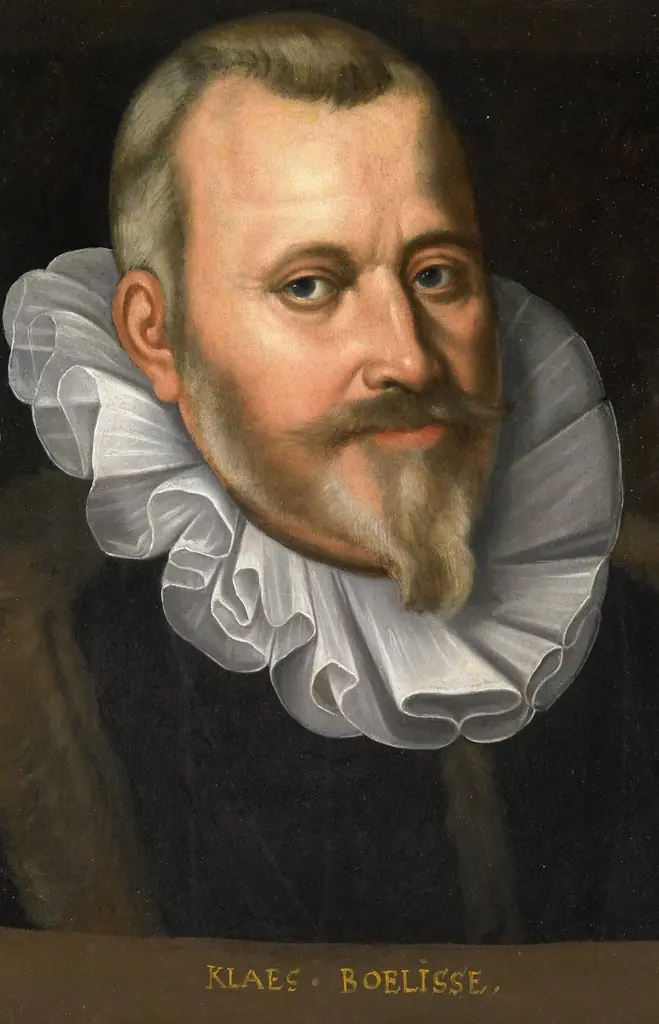 Portrait of Claes Allertsz Boelens (1550-1615)
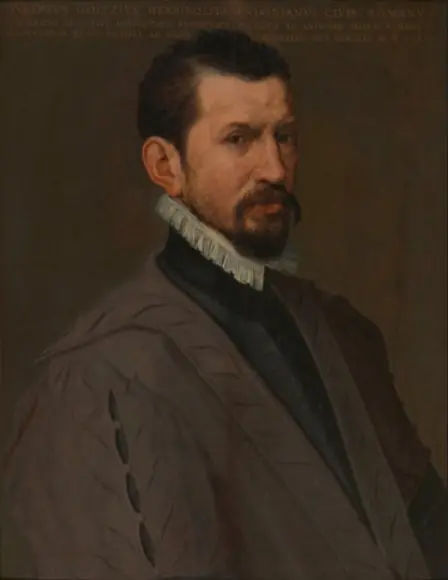 Portrait of Hubert Goltzius
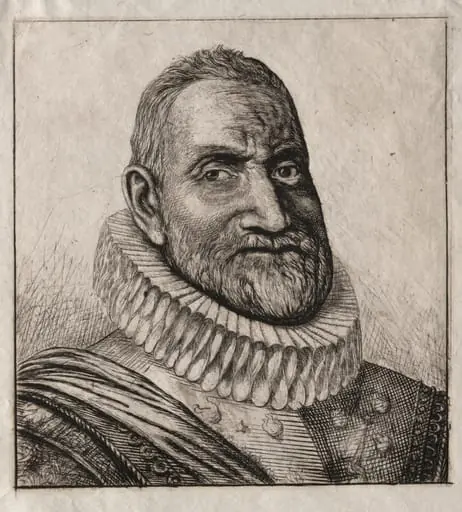 Theodore Agrippa d'Aubigné
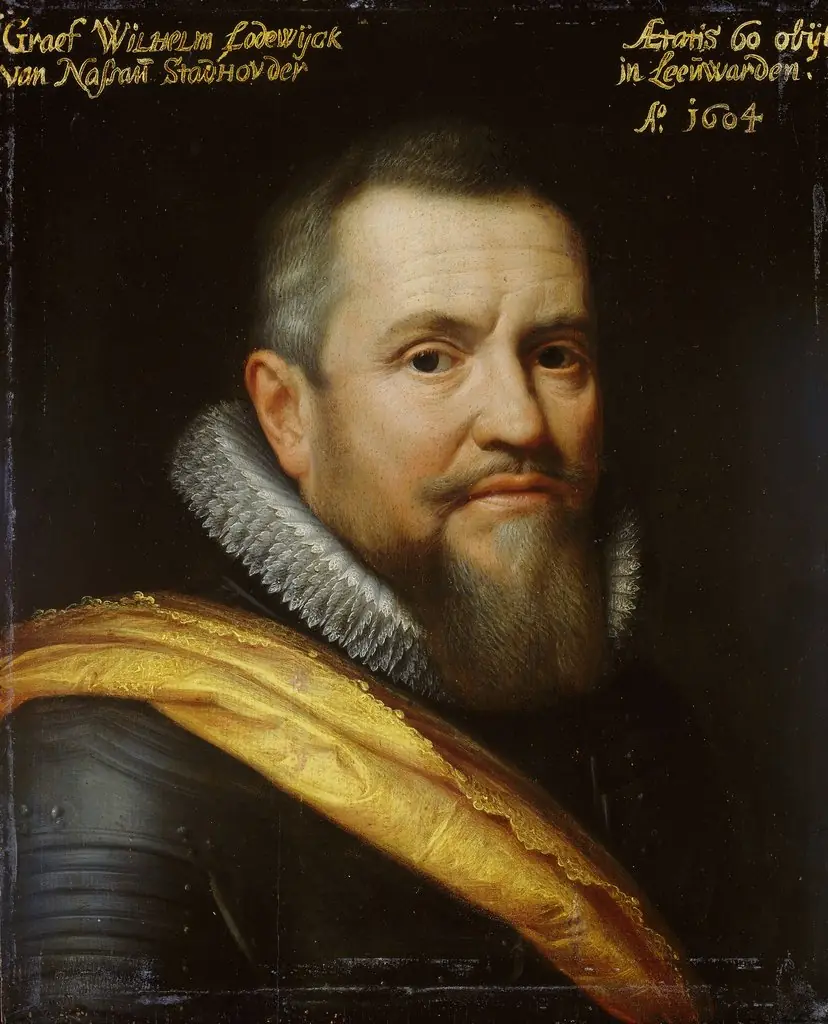 Portrait of Willem Lodewijk (1560-1620), Count of Nassau, nicknamed in Frisian 'us heit' (our father)
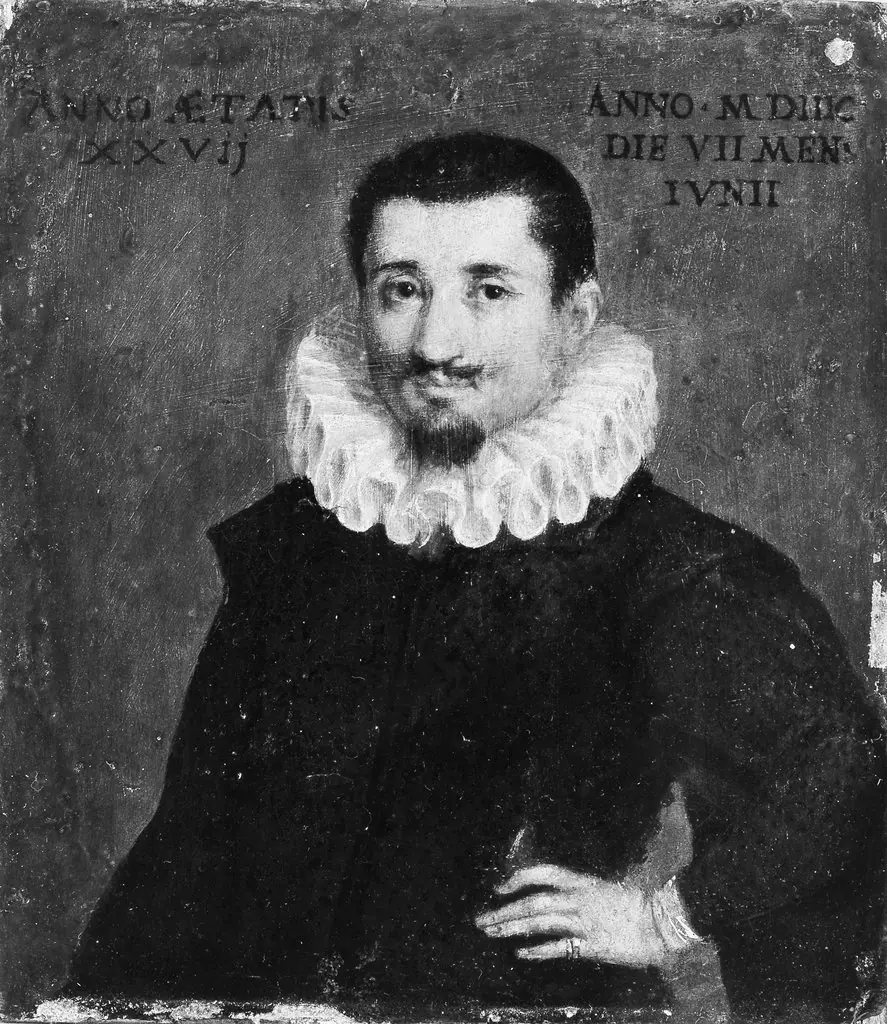 Portrait of a Man
 Portrait of a gentleman
 Portrait of Rodrigo Vázquez de Arce