Artwork
Gluttony (Land of Cockaigne)
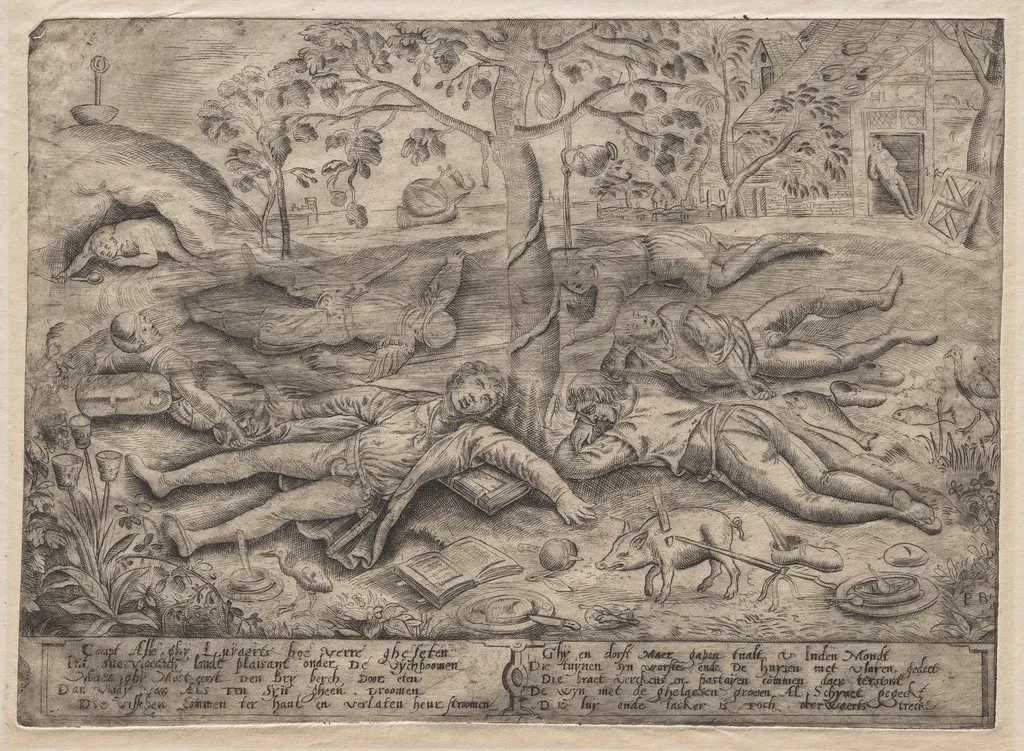
Gluttony (Land of Cockaigne) is a print by Pieter Balten. It dates from 1564 and is held in the collection of the Cleveland Museum of Art. Created around 1564 by Flemish artist Peeter Baltens, this print depicts a satirical vision of abundance known as the Land of Cockaigne.
About this work
Overview
The work reflects Baltens’ engagement with moral allegory and everyday life, aligning him with contemporaries who explored human folly through genre scenes.
Created around 1564 by Flemish artist Peeter Baltens, this print depicts a satirical vision of abundance known as the Land of Cockaigne. Executed in the tradition of Northern Renaissance printmaking, it presents a surreal feast where food is abundant and human effort is abandoned. The work reflects Baltens’ engagement with moral allegory and everyday life, aligning him with contemporaries who explored human folly through genre scenes.
Subject & Meaning
The scene portrays a mythical realm where food grows freely and labor is obsolete. People lie sprawled across roasted meats and pies, indifferent to their surroundings. Upside-down trees and floating structures invert natural order, symbolizing the collapse of discipline. The image critiques excessive indulgence, warning against the moral decay that follows unchecked desire, a common theme in Renaissance moralizing art.
Technique & Style
Baltens employed fine linear detail and dense composition typical of engraved prints of the period. Every surface—food, fabric, architecture—is rendered with meticulous precision, enhancing the surreal atmosphere. The crowded, chaotic arrangement draws the viewer’s eye across the scene, while the small inscriptions at the base suggest a textual counterpart, possibly a moralizing verse or proverb.
History & Provenance
The print entered the Cleveland Museum of Art’s collection as part of its broader holdings in Northern Renaissance graphics. Its survival in good condition reflects its early circulation among collectors interested in moral satire. While little is documented about its immediate reception, its presence in institutional collections confirms its recognized place in 16th-century visual culture.
Context
Baltens worked in Antwerp during a time of rising urban wealth and religious tension, when images of excess served as both entertainment and caution. His depictions of peasant life and fantastical feasts echoed those of Pieter Bruegel the Elder, contributing to a genre that used humor to confront social and spiritual failings. The Land of Cockaigne motif was widespread in Northern Europe, rooted in folk tales and medieval literature.
Legacy
The print remains a clear example of how Renaissance artists used fantasy to convey ethical messages. Its intricate detail and dark humor influenced later satirical imagery, particularly in printmaking traditions that explored human vice. Though not widely reproduced today, it endures as a quiet testament to the period’s preoccupation with moderation and consequence.
Artist & collection
Artist
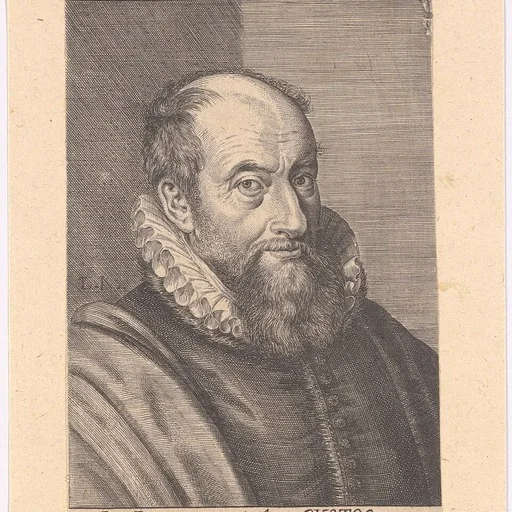
Peeter Baltens, Pieter Balten or Pieter Custodis (c. 1527 in Antwerp – 1584 in Antwerp), was a Flemish Renaissance painter, draughtsman, engraver and publisher. Baltens was also active as an art dealer and poet. He was…

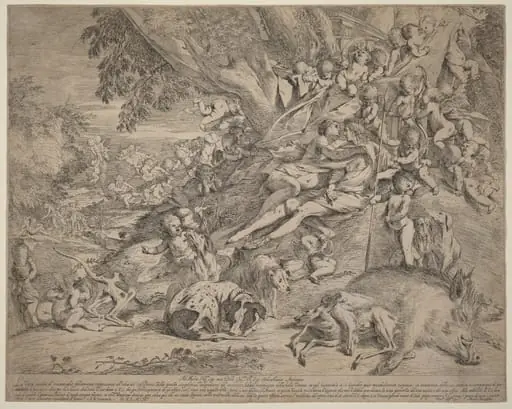 Venus and Adonis
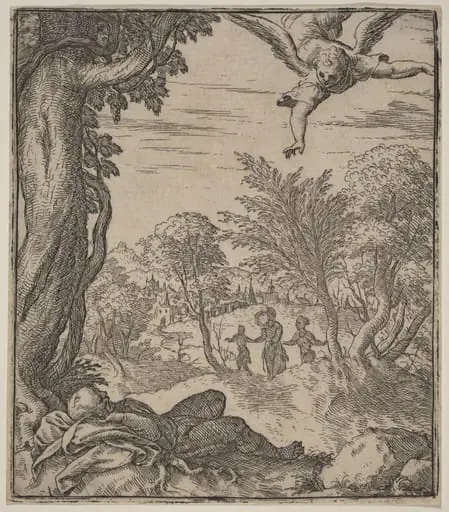 The Angel Appearing to Joseph
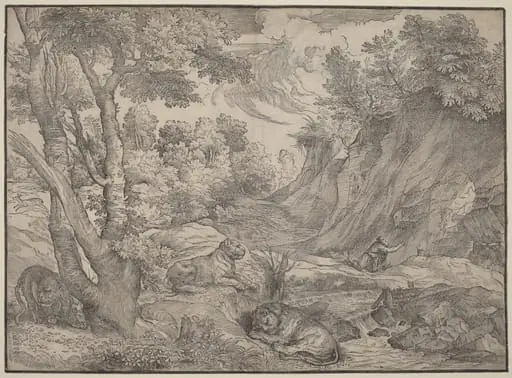 Saint Jerome in the Wilderness
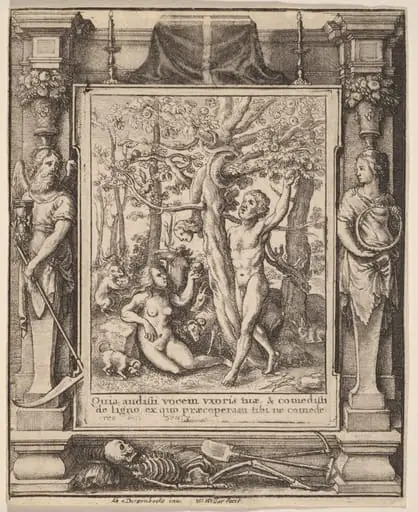 Garden of Eden
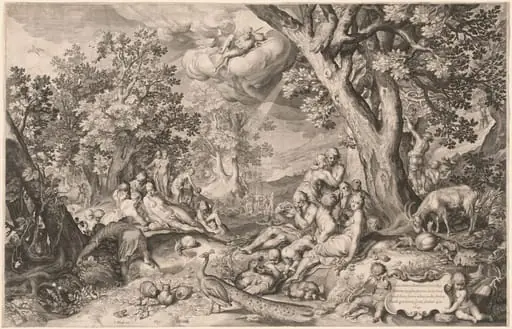 The Golden Age
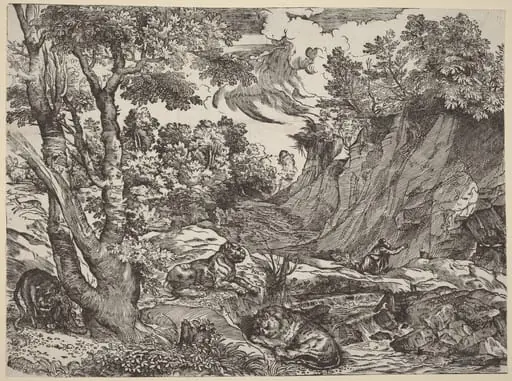 Saint Jerome in the Wilderness
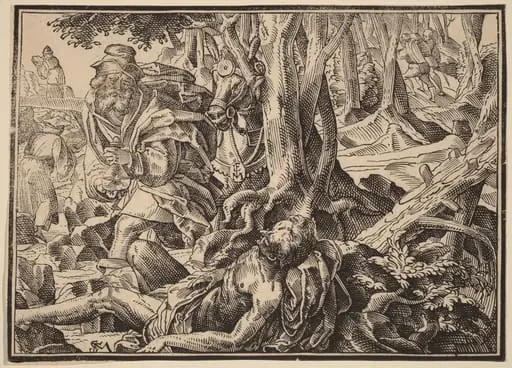 Christ Tells His Disciples of the Last Judgment
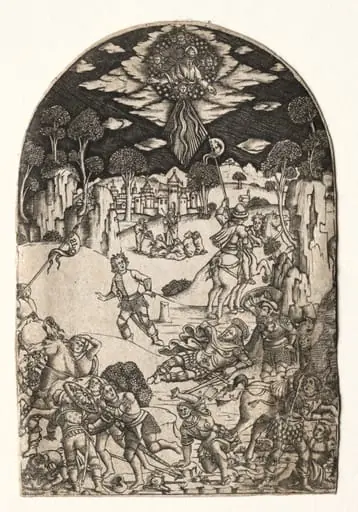 The Conversion of Saint Paul
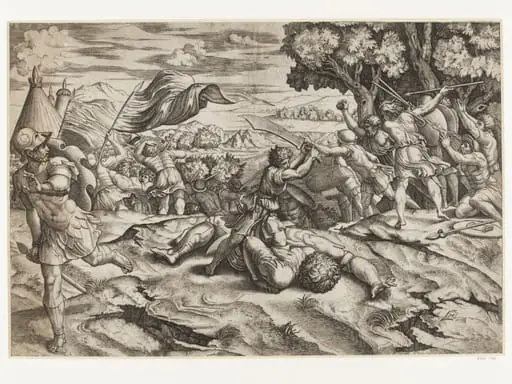 David cutting off the head of Goliath
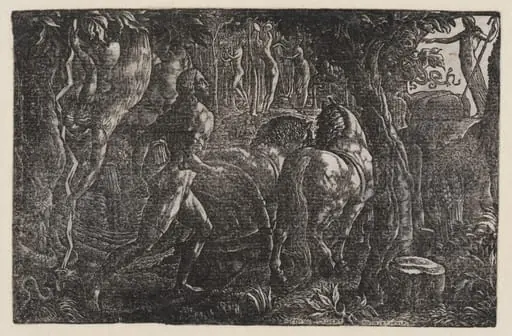 The Ploughman
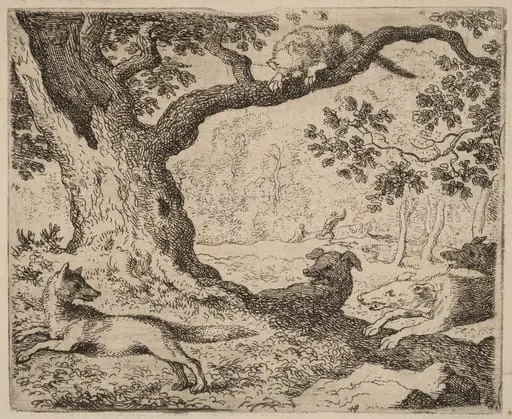 Reynard's Father and the Cat Pursued by Hounds
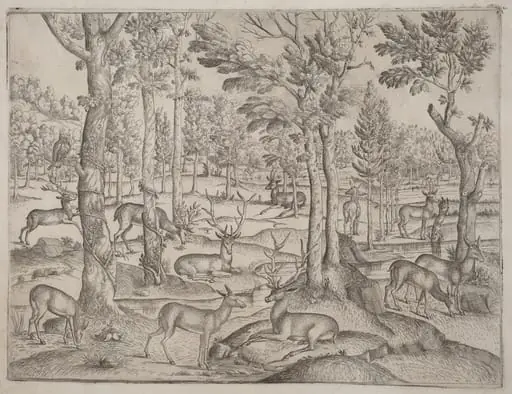 Deer in the Forest