Artwork
The Ploughman
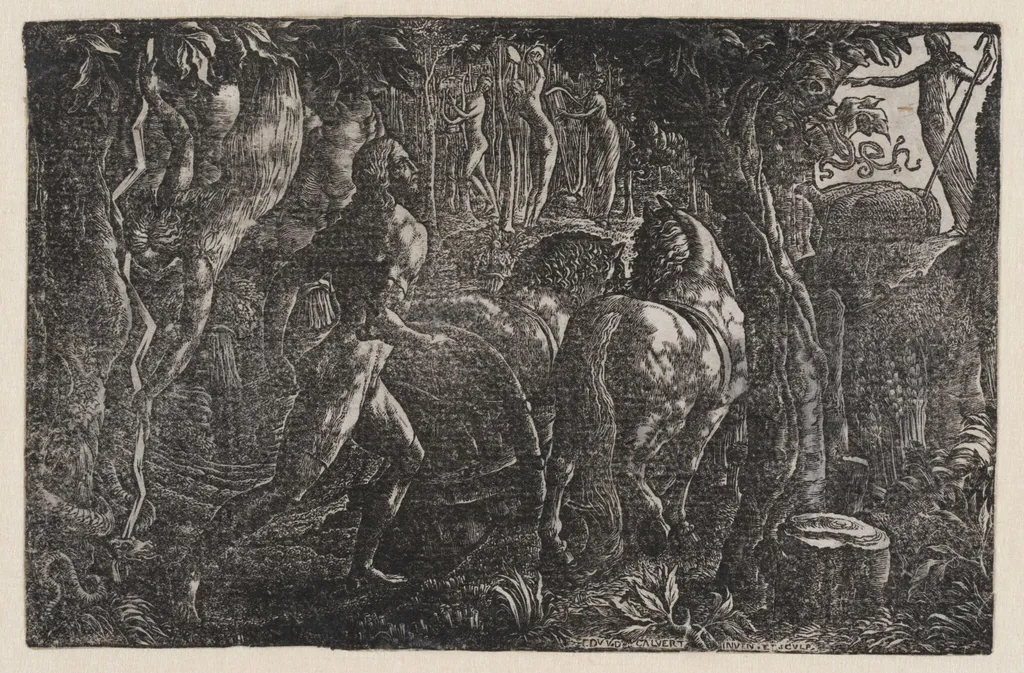
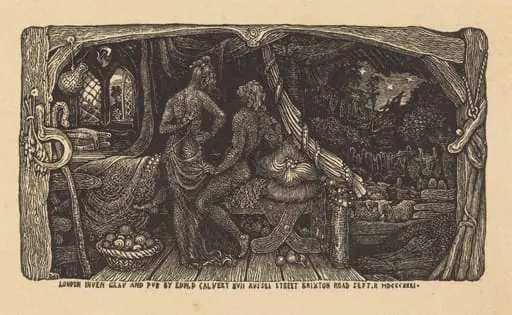
The Ploughman is a print by the Romanticist artist Edward Calvert. It dates from 1827 and is held in the collection of the Victoria and Albert Museum.
About this work
Overview
Edward Calvert’s wood‑engraving *The Ploughman* presents a quiet agricultural scene in which a lone farmer guides two horses through a cultivated field. The composition is framed by surrounding trees and a distant landscape, while faint, enigmatic figures occupy the background, lending an allegorical tone to the otherwise straightforward depiction of rural labor.
Subject & Meaning
The central figure, a modestly dressed ploughman, embodies the dignity of manual work and the harmony between humanity and the land. The inclusion of mythic or allegorical silhouettes behind the farmer suggests a deeper reflection on the timeless relationship between human effort and the cycles of nature, a theme common in Romantic thought.
Technique & Style
Executed as a wood‑engraving, the print relies on fine incised lines to render textures of soil, foliage, and animal hide. Calvert’s handling of light and shadow creates a subtle tonal range, while the naturalistic rendering of the horses contrasts with the more stylized background figures, illustrating the Romantic blend of realism and imagination.
History & Provenance
The impression is a first‑state proof, one of only six known copies produced from the original block. Calvert inscribed the mount as a dedication to fellow artist Samuel Palmer, indicating a personal connection between the two members of the early 19th‑century Romantic circle.
Context
Created during the height of Romanticism, the work reflects the period’s fascination with the pastoral ideal and the moral virtues of labor. Calvert, alongside contemporaries such as Palmer, sought to elevate everyday rural scenes to subjects worthy of artistic contemplation, aligning with broader cultural shifts toward nature and individual experience.
Artist & collection