Artwork
Still Life
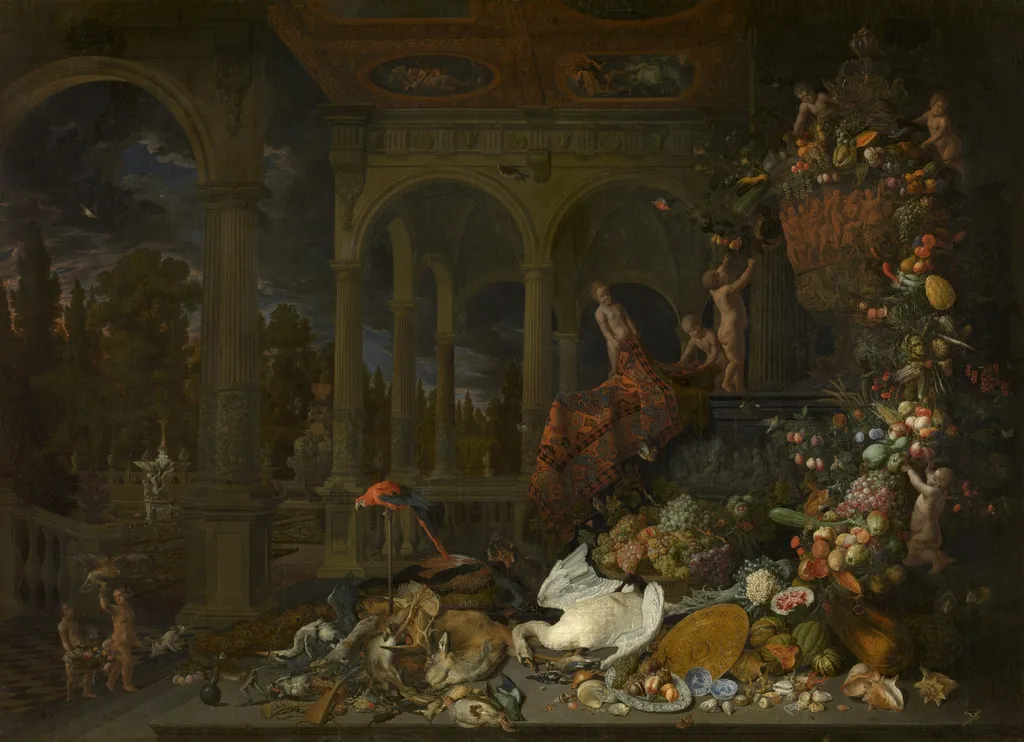
Still Life is an oil painting by the Flemish Baroque painting artist Peeter Gijsels. It dates from 1690 and is held in the collection of the Royal Museum of Fine Arts Antwerp.
About this work
Overview
Still Life, a 1690 oil painting by Peeter Gijsels, exemplifies the Flemish Baroque style, characteristic of 17th-century Antwerp. As a still life, it showcases an elaborate arrangement of inanimate objects, blending natural and architectural elements.
Subject & Meaning
The painting conveys themes of abundance and opulence through its overflowing composition, featuring a diverse array of fruits, vegetables, flowers, dead animals, and a swan, set against an ornate, arched backdrop with columns and statues.
Technique & Style
Gijsels' technique, influenced by Jan Brueghel the Elder, is marked by the use of vibrant colors for the still life elements, creating a visually rich and dense tableau that spills out of the frame, enhancing the sense of profusion.
History & Provenance
Created in 1690 by Peeter Gijsels, a Flemish Baroque painter known for landscapes, architectural scenes, and still lifes, the work is now part of the Royal Museum of Fine Arts Antwerp's collection.
Context
As part of the Flemish Baroque movement, *Still Life* reflects the era's artistic tendencies, emphasizing detailed realism and thematic symbolism within the still life genre, a popular subject in 17th-century Antwerp.
Own this work as a print
Artist & collection
Artist
Peeter Gijsels or Pieter Gijsels (1621, Antwerp – 1690, Antwerp), was a Flemish Baroque painter.

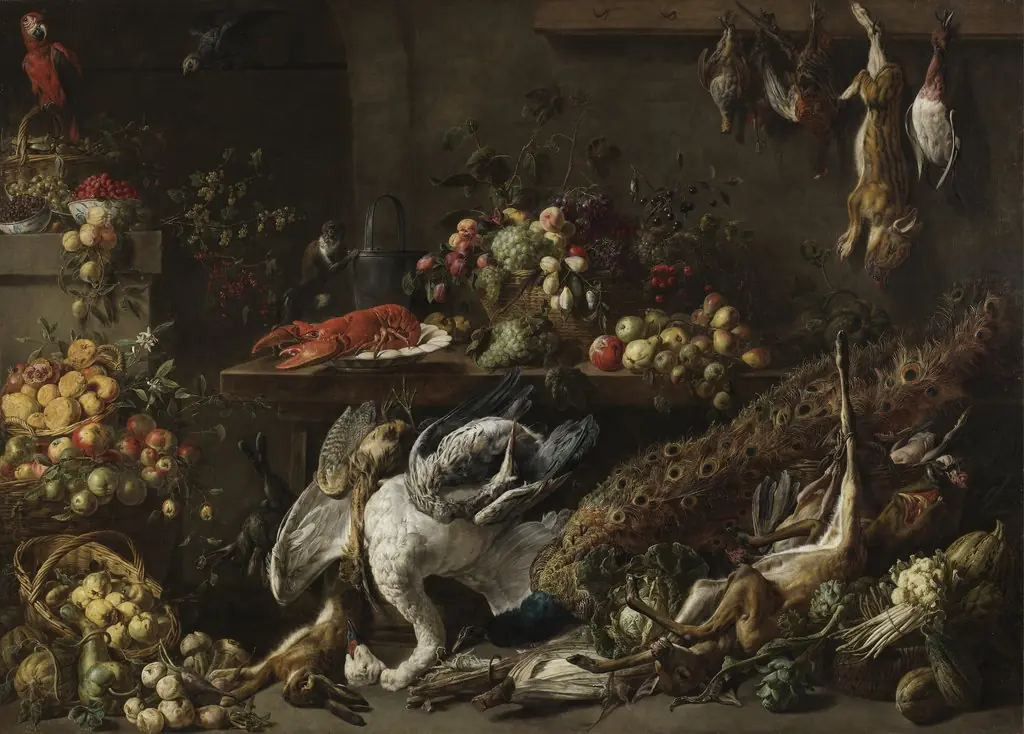 A Larder
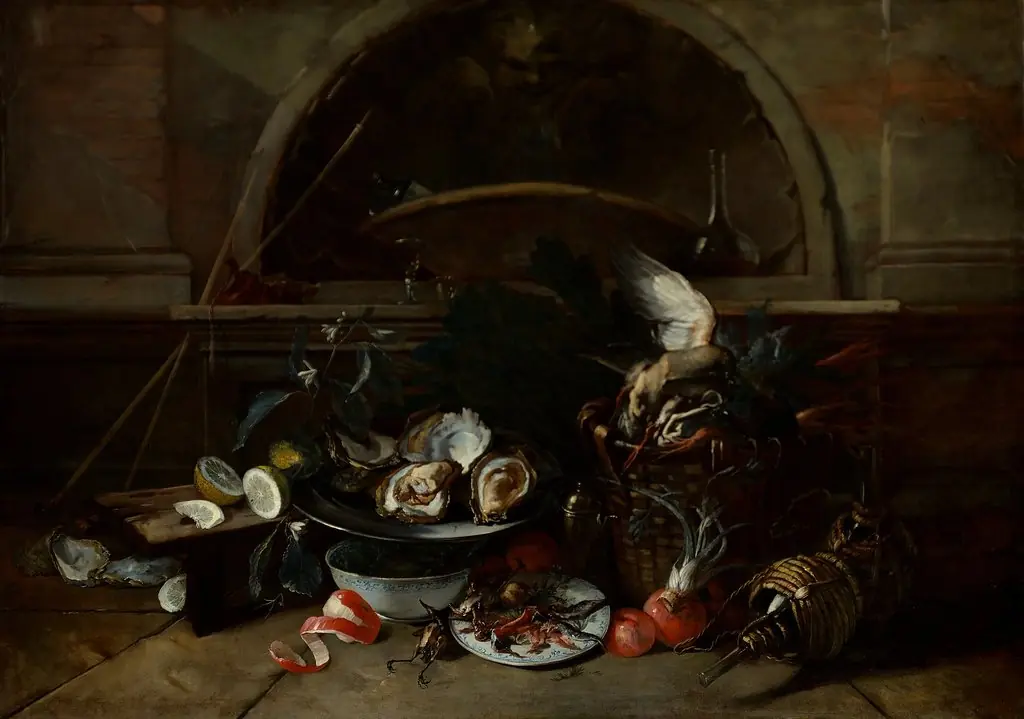 Still Life with Bottles and Oysters
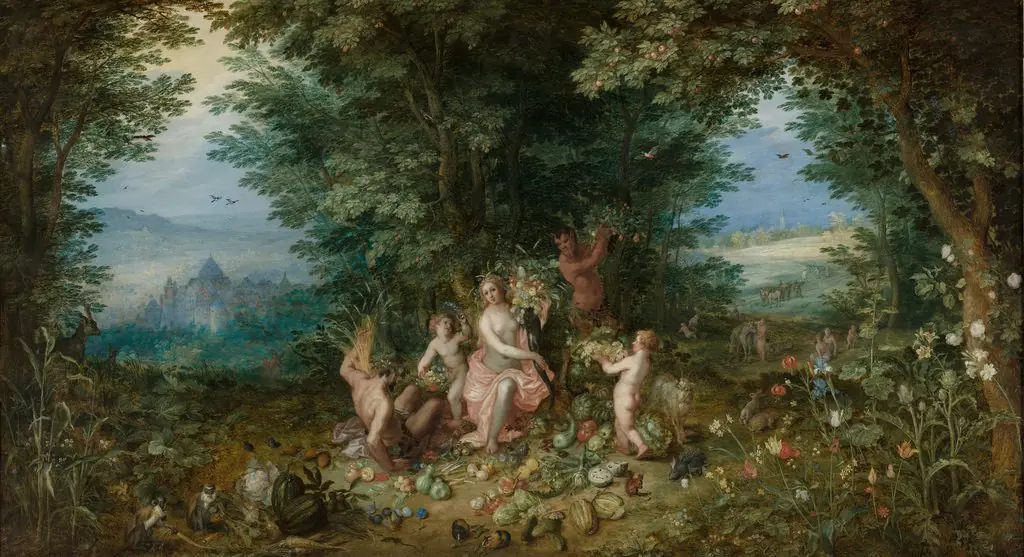 The Earth
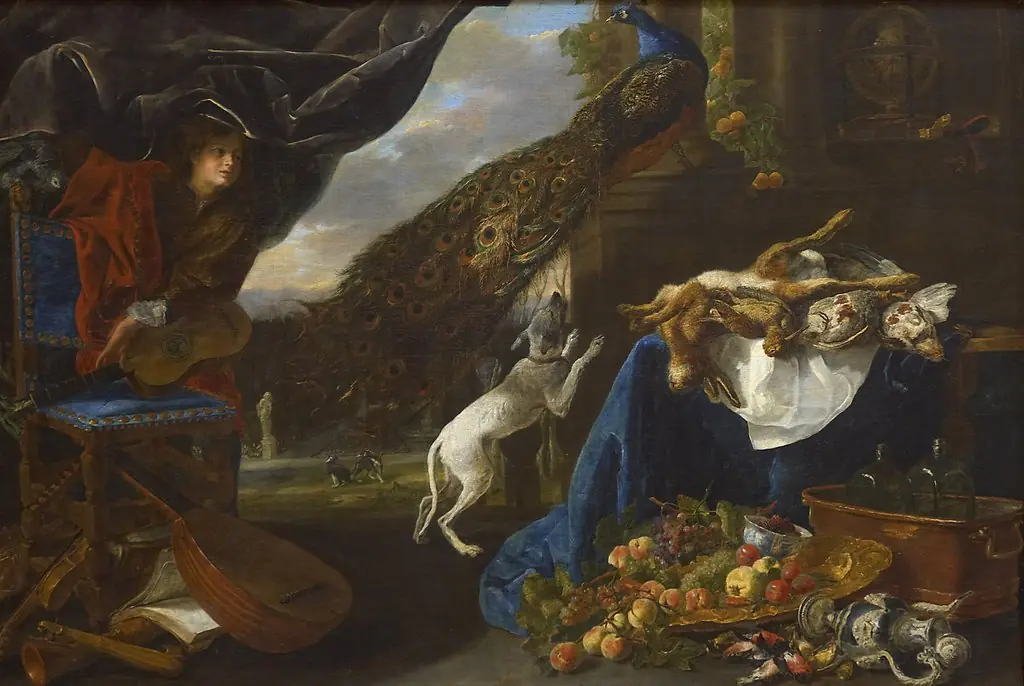 Still life with a boy
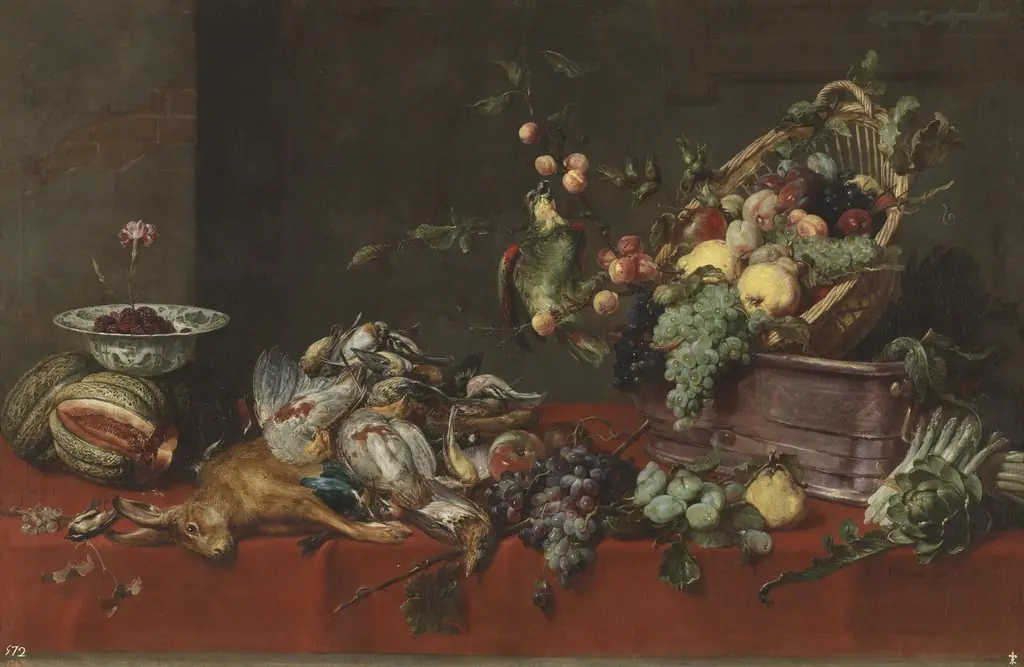 A still life with game, vegetables and fruit on a table, with a parrot on a branch
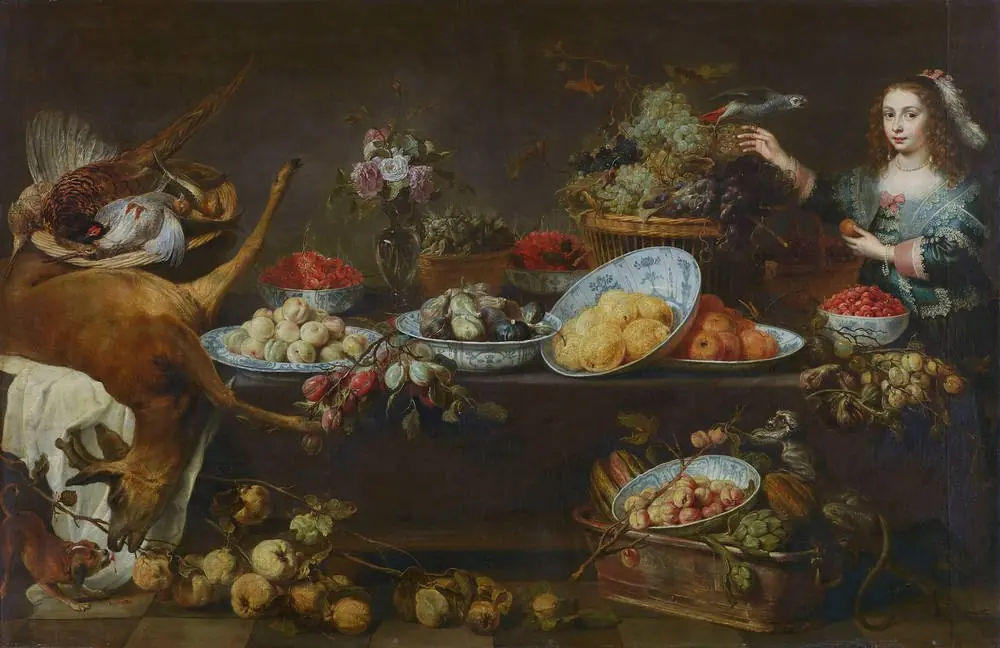 Large Still-life with a Lady and a Parrot
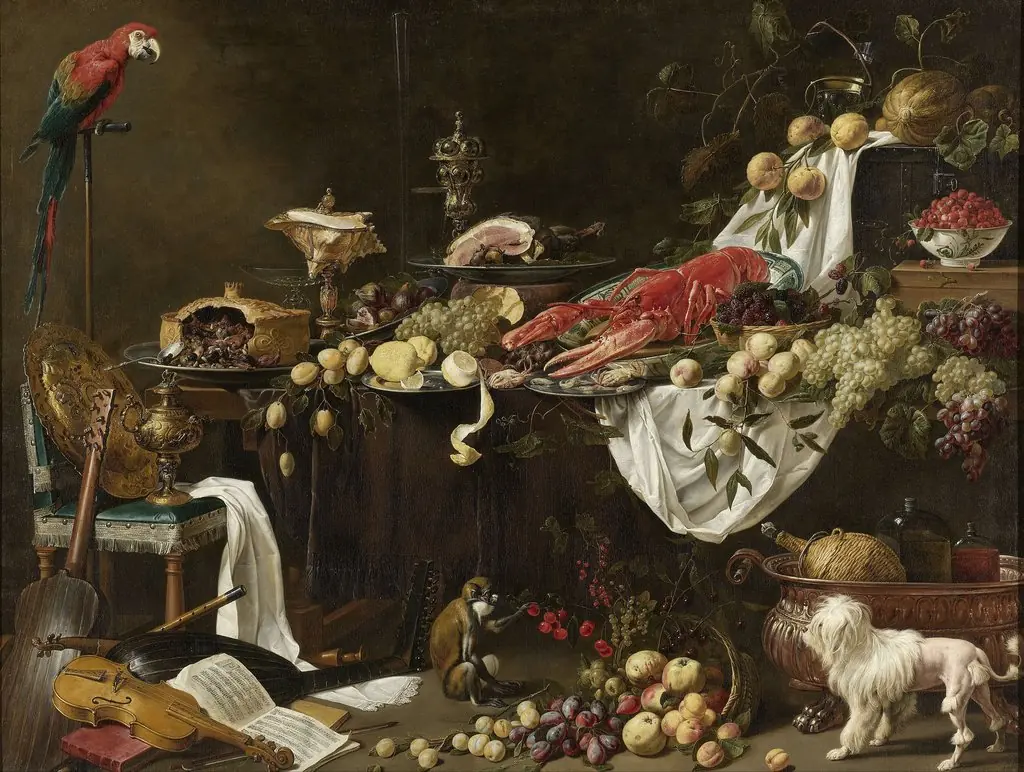 Banquet Still Life
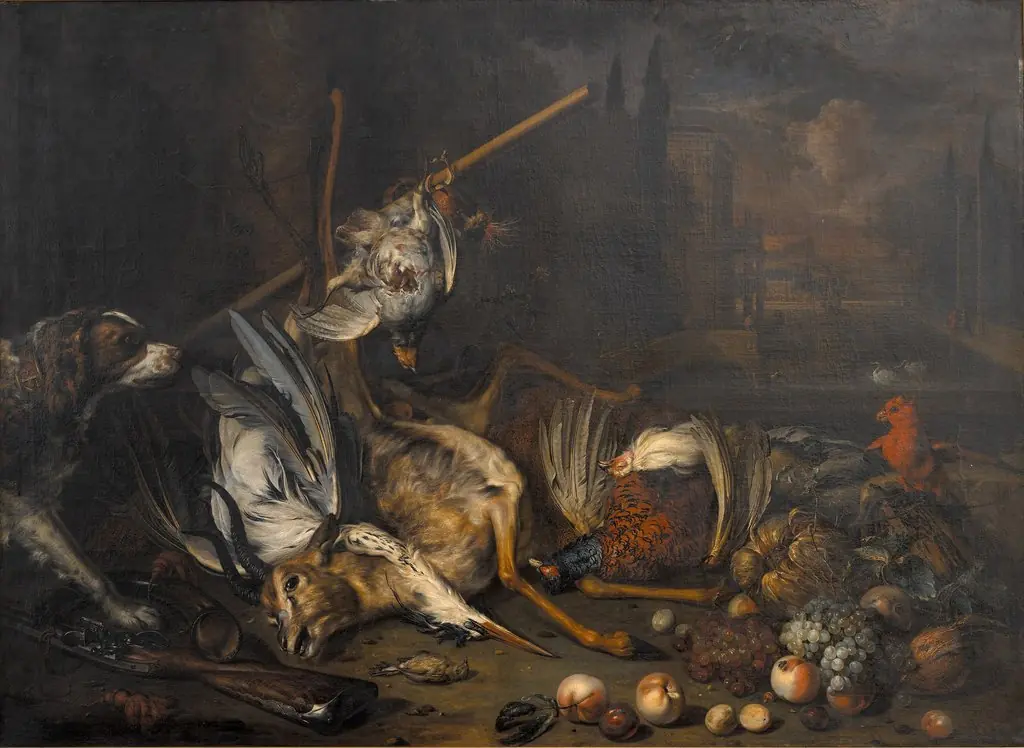 Game and Fruit
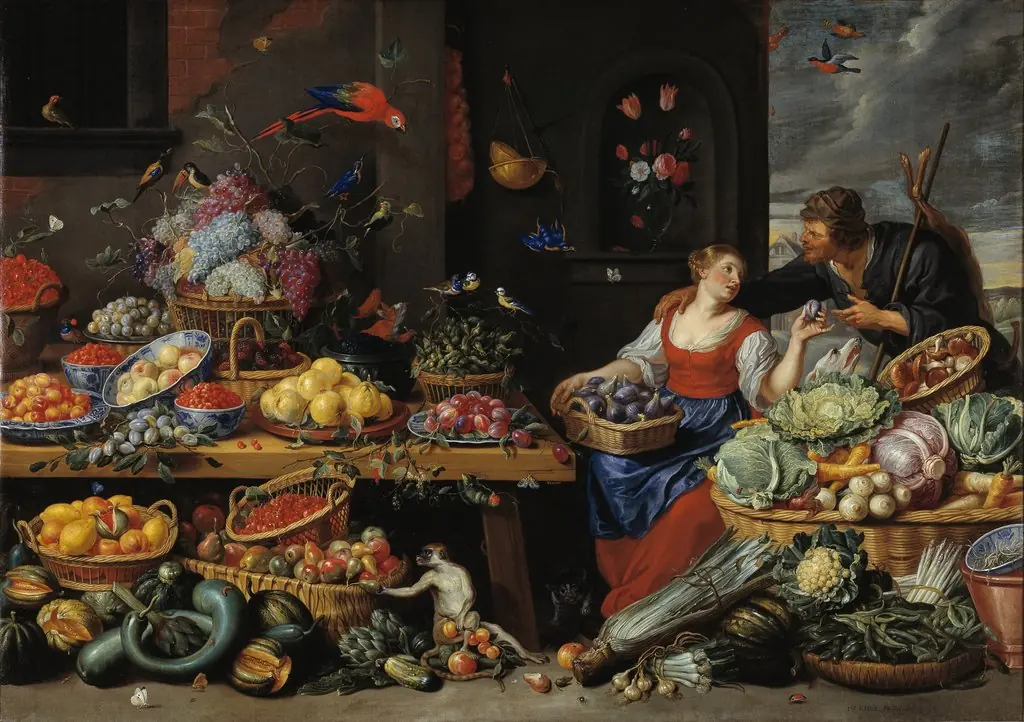 Fruit and Vegetable Market with a Young Fruit Seller
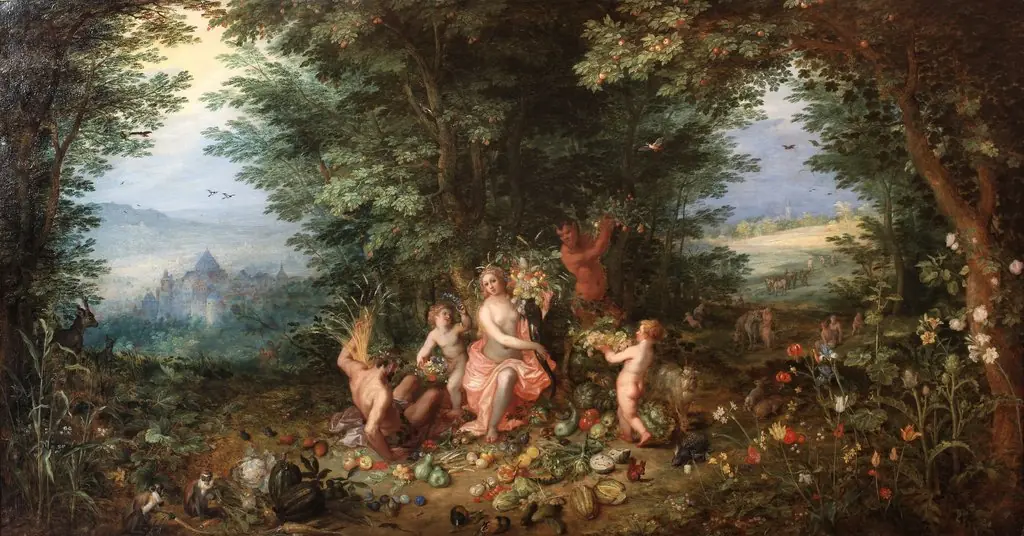 Earth
Earth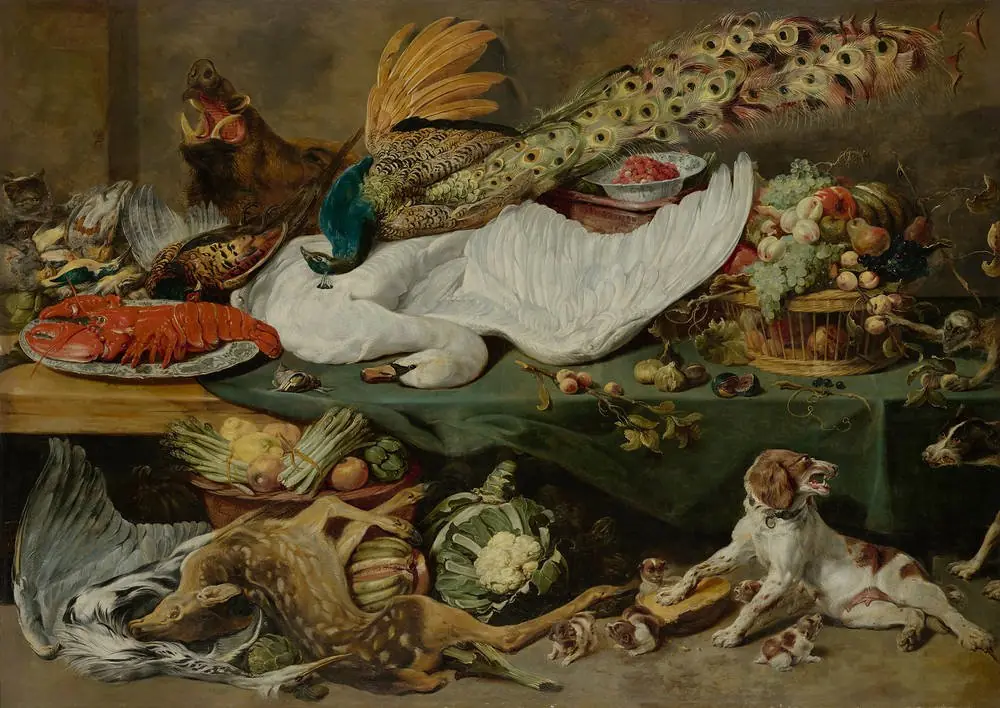 Still-life with a Spaniel and her Pups