Artwork
Salomos dom
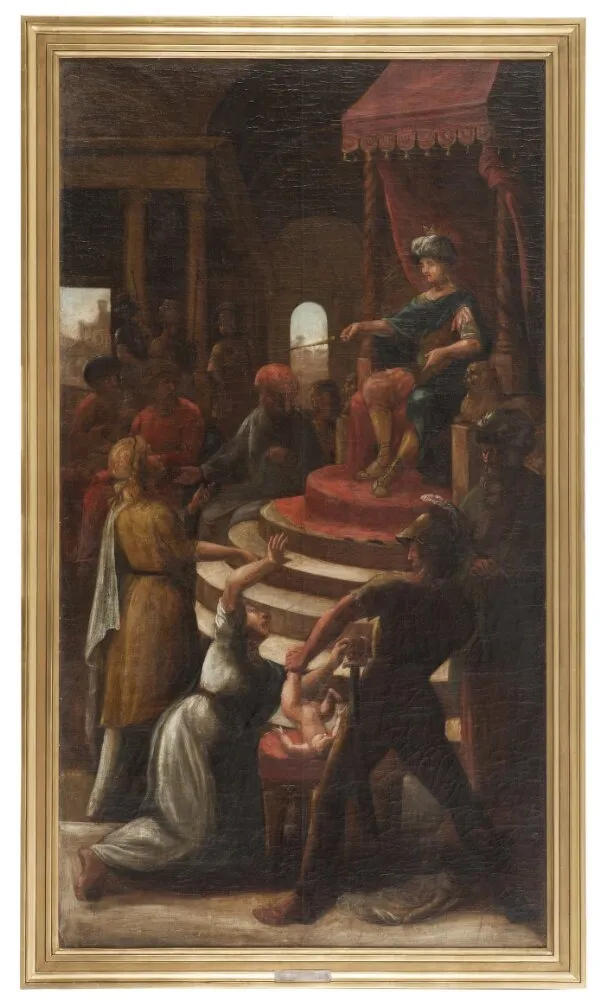
Salomos dom is an oil painting by Pehr Hörberg. It dates from 1791 and is held in the collection of the Nationalmuseum.
About this work
Overview
Pehr Hörberg, a Swedish artist and musician active in the late 18th century, painted *Salomos dom* around 1791 in oil on canvas.
Pehr Hörberg, a Swedish artist and musician active in the late 18th century, painted *Salomos dom* around 1791 in oil on canvas. The work is part of the Nationalmuseum’s collection in Stockholm. Hörberg, born in 1746 and active across multiple artistic disciplines, produced this piece during a period when Swedish art was increasingly engaged with biblical and historical narratives. The painting’s composition and lighting reflect influences from Baroque traditions adapted to a Nordic sensibility.
Subject & Meaning
The scene illustrates the biblical Judgment of Solomon, in which the king proposes to divide a living child to reveal the true mother. The central figure, Solomon, sits on a throne, holding a sword, while two women gesture toward the infant on the chair before him. Those surrounding him—some kneeling, others watching—emphasize the gravity of the moment. The narrative hinges on moral discernment, a theme resonant in Enlightenment-era moral philosophy and religious instruction.
Technique & Style
Hörberg employed oil paint with deliberate chiaroscuro to model forms and heighten emotional tension. The dark, muted background contrasts sharply with the illuminated figures, directing focus to Solomon and the child. The drapery of the king’s blue robe is rendered with careful attention to fold and texture, while the faces of the onlookers convey varied reactions. The lighting, emanating from a left-side window, enhances the theatricality without overwhelming the scene’s solemnity.
History & Provenance
Created around 1791, the painting entered the Nationalmuseum’s holdings in the 19th century, likely through state acquisition or donation. Hörberg, though not formally trained in the academic tradition, gained recognition for his religious and historical subjects. His dual career as a church musician and painter informed his compositional sense of rhythm and narrative clarity. The work remained relatively obscure outside Sweden until scholarly interest in regional art revived in the 20th century.
Context
In late 18th-century Sweden, religious themes remained central to public art, even as Enlightenment ideals encouraged moral allegory. Hörberg’s depiction of Solomon aligns with a broader European trend of using biblical stories to explore justice and authority. Unlike grand court paintings, his approach is intimate and emotionally direct, reflecting provincial artistic practices and the influence of popular prints circulating in rural Sweden at the time.
Legacy
Though Hörberg is not widely known beyond Sweden, *Salomos dom* stands as a representative example of his narrative skill and technical restraint. The painting contributes to understanding how biblical subjects were interpreted in smaller Nordic art centers, distinct from the major academies of Paris or Rome. It continues to be studied for its synthesis of folk sensibility and classical composition, offering insight into Sweden’s artistic identity during a period of cultural transition.
Artist & collection
Artist
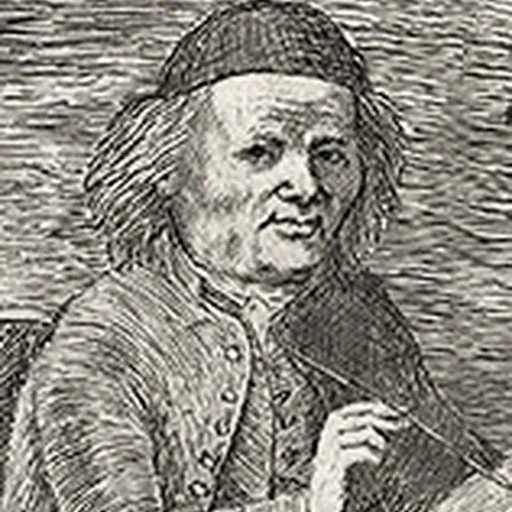
Pehr Hörberg (January 31, 1746, in Virestad parish in Småland, Sweden – January 24, 1816, in Risinge in Östergötland, Sweden) was a Swedish artist, painter and musician. In 1769 he married the maid Maria Eriksdotter and they had three sons.

 The Visit of the Queen of Sheba to Solomon
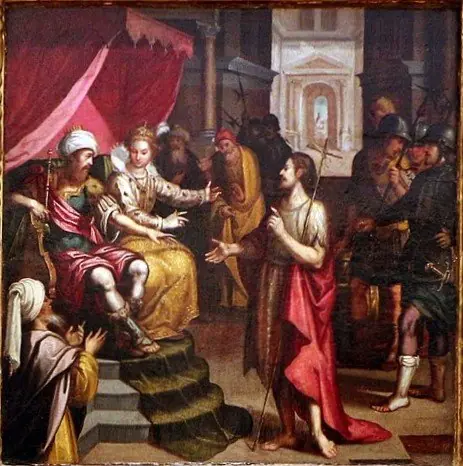 Saint John the Baptist before Herod Antipas and Herodias
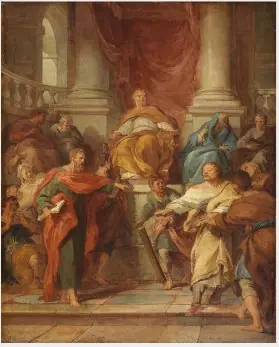 Elymas the Sorcerer Struck with Blindness, sketch
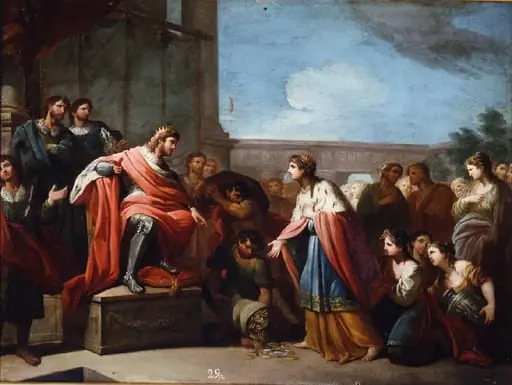 La Emperatriz Marta de Constantinopla ante Alfonso X el Sabio. óleo sobre lienzo
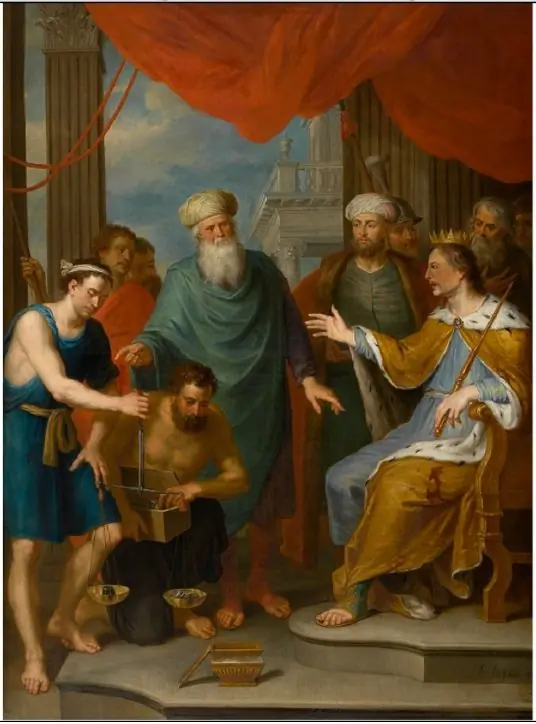 The Viceroy of Egypt Receives Joseph's Brothers
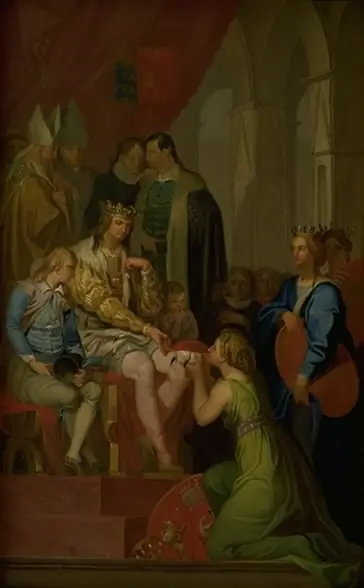 Christian I Raising the Province of Holstein to the State of a Duchy in 1460
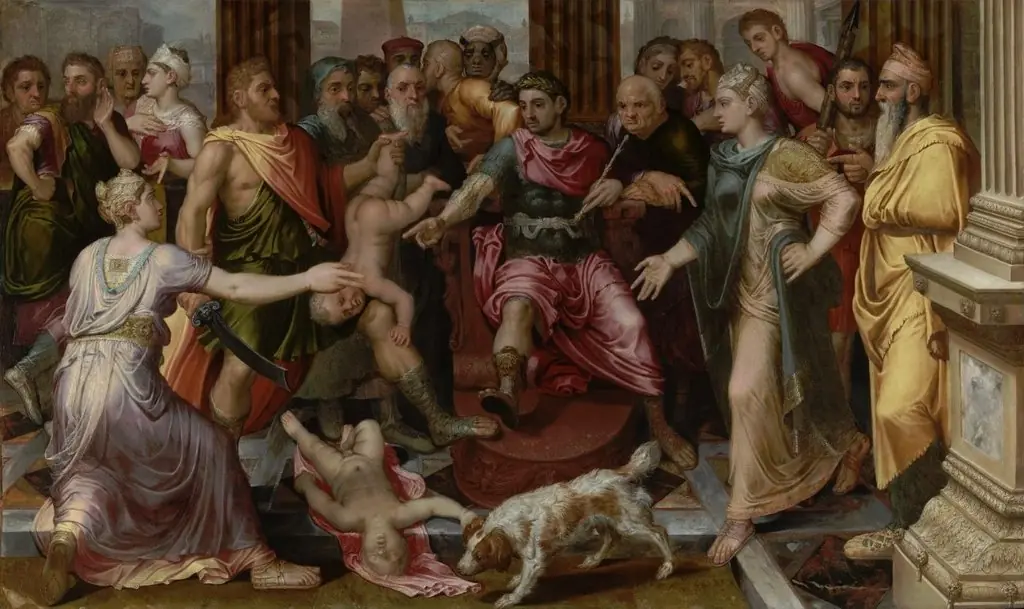 The Judgement of Solomon
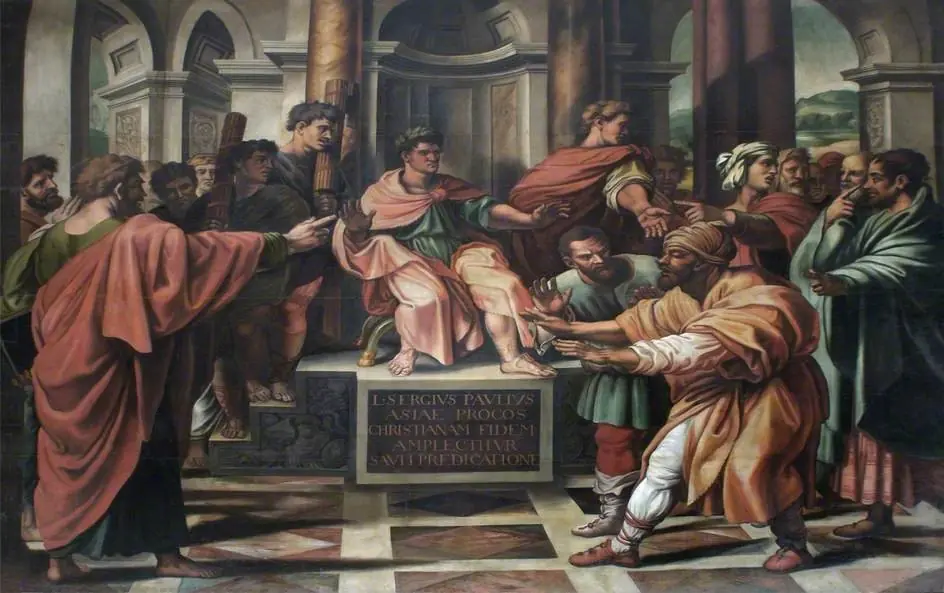 Elymas
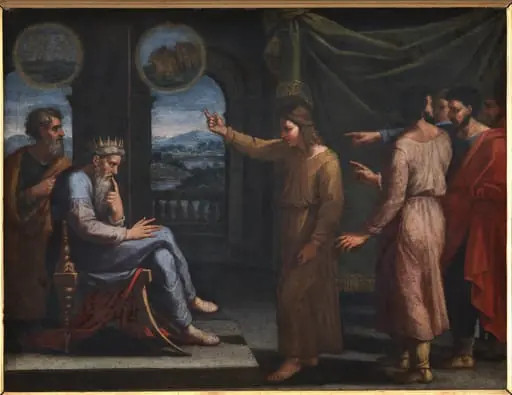 Joseph Interprets Pharaoh's Dream
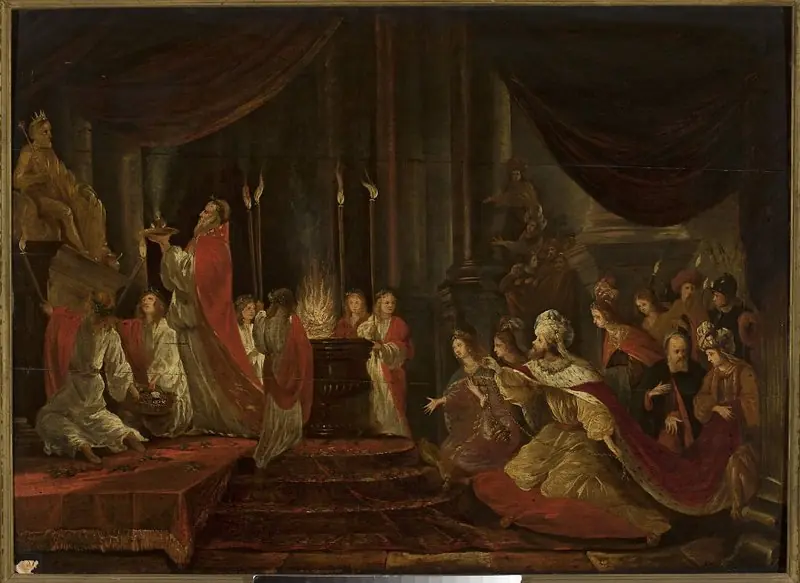 Idolatry of Solomon (1 Kings 11:1-6)
 Adoration of the Magi
 Saint Paul before proconsul Felix of Caesarea