Artwork
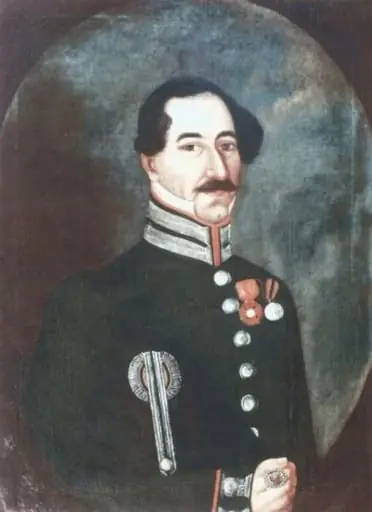
Portret generalul Șolțu
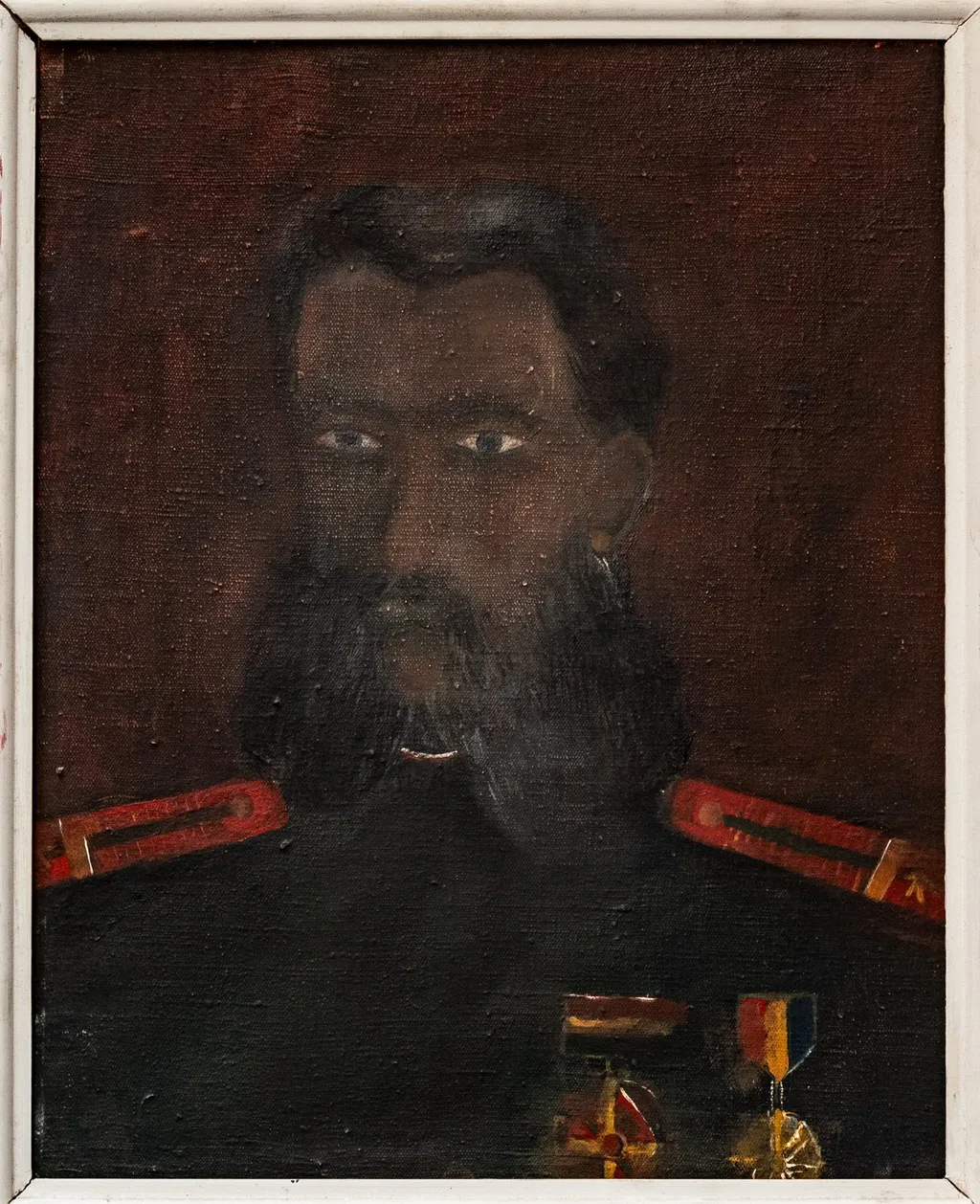
Portret generalul Șolțu is an unspecified painting by Maria Pelmuș. It dates from 1977 and is held in the collection of the Gavrila Simion Eco-Museum Research Institute Tulcea.
About this work
Overview
The composition centers on the subject’s stern presence, rendered with careful attention to texture and form.
Painted in 1977 by Maria Pelmuș, this portrait depicts General Șolțu, a military figure from Romania. Executed in oil on canvas, the work is part of the permanent collection at the Museum of Ethnography. The composition centers on the subject’s stern presence, rendered with careful attention to texture and form. The dark, neutral background isolates the figure, emphasizing his uniform and expression.
Subject & Meaning
The subject, General Șolțu, is portrayed in formal military attire, suggesting his rank and institutional role. His dark beard, mustache, and direct gaze convey authority and solemnity. The absence of contextual elements focuses attention on his identity as a representative of military tradition. The portrait functions less as a personal likeness and more as a symbol of duty and discipline within the era’s cultural framework.
Technique & Style
Pelmuș employs a realistic style with strong chiaroscuro to model the figure’s form, particularly in the folds of the jacket and the contours of the face. The dark brown background enhances the contrast, drawing the eye to the metallic accents on the uniform—red and gold embroidery that suggest rank. Brushwork is precise, capturing fine details in fabric texture and facial features without embellishment.
History & Provenance
Created in 1977 during the later years of Romania’s communist regime, the portrait was acquired by the Museum of Ethnography shortly after completion. Its inclusion in the collection reflects an institutional interest in documenting state-affiliated figures. The painting has remained in the museum’s holdings since, with no record of public exhibition beyond regional displays.
Context
In late 1970s Romania, official portraiture often served to reinforce state ideology through imagery of disciplined leadership. While not commissioned by the state, this work aligns with prevailing visual norms for depicting military officials—serious, composed, and adorned with symbolic insignia. Pelmuș’s approach, though realistic, avoids overt propaganda, suggesting a more personal or observational intent.
Legacy
The portrait remains a quiet example of Romanian figurative painting from the communist period, notable for its restrained realism and psychological presence. It contributes to the museum’s collection of domestic portraiture, offering insight into how civilian artists engaged with state-associated figures without overt glorification. Its continued preservation underscores its value as a historical document rather than a celebrated artwork.
Artist & collection
Artist
Maria Pelmuș painted scenes of the Danube delta and everyday life around it. Her brush captured wide skies and watery horizons in works like *Delta* and *Peisaj*, while her prints and paintings of local people and…
Museum
Gavrila Simion Eco-Museum Research Institute Tulcea
Continue through works from the same source collection.
 Portretul căpitanului Elefterescu
 Radu Fărcășanu
 Colonelul Holban Nicolae erou de la 1877
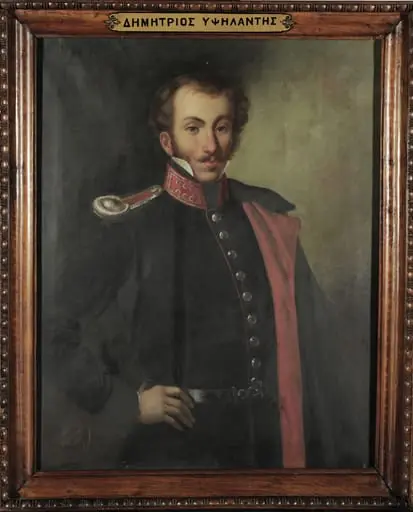 Προσωπογραφία του Δημητρίου Υψηλάντη
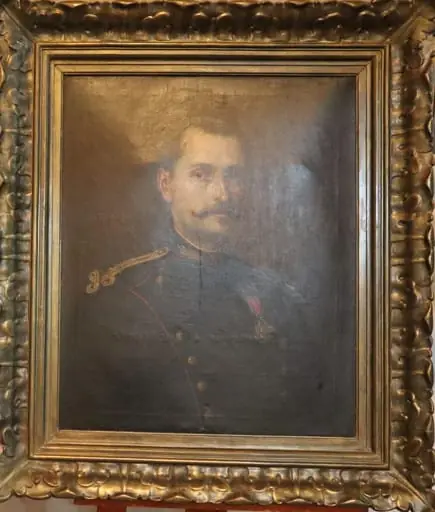 Generalul Gheorghe Macarovici
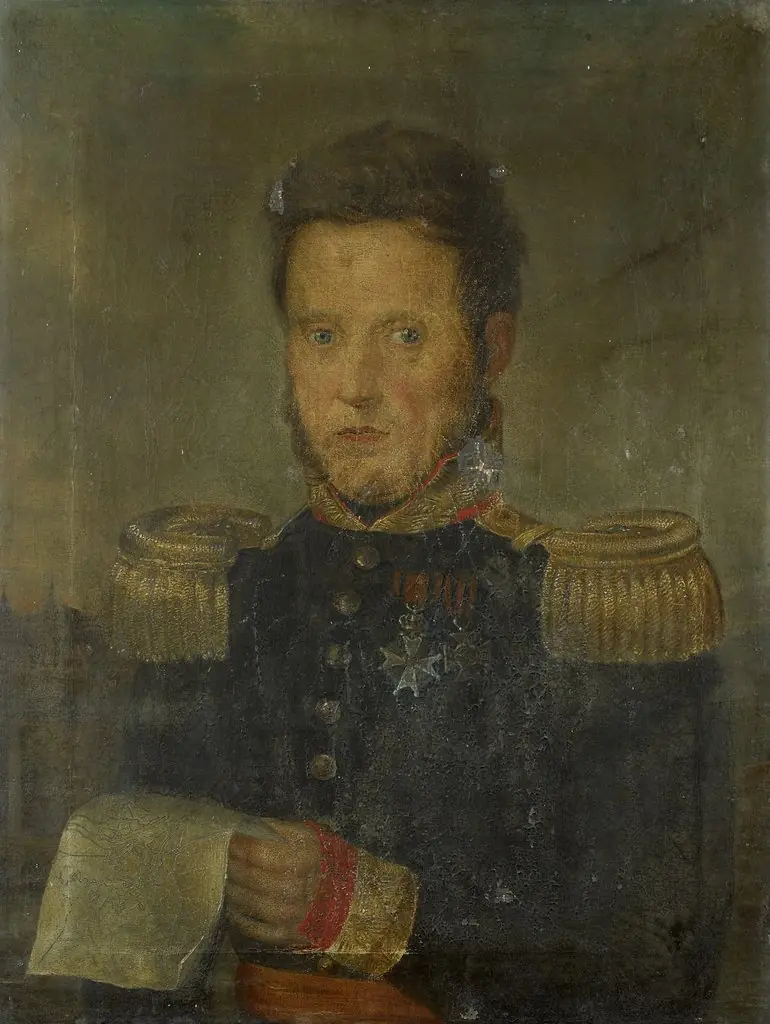 Portret van een generaal
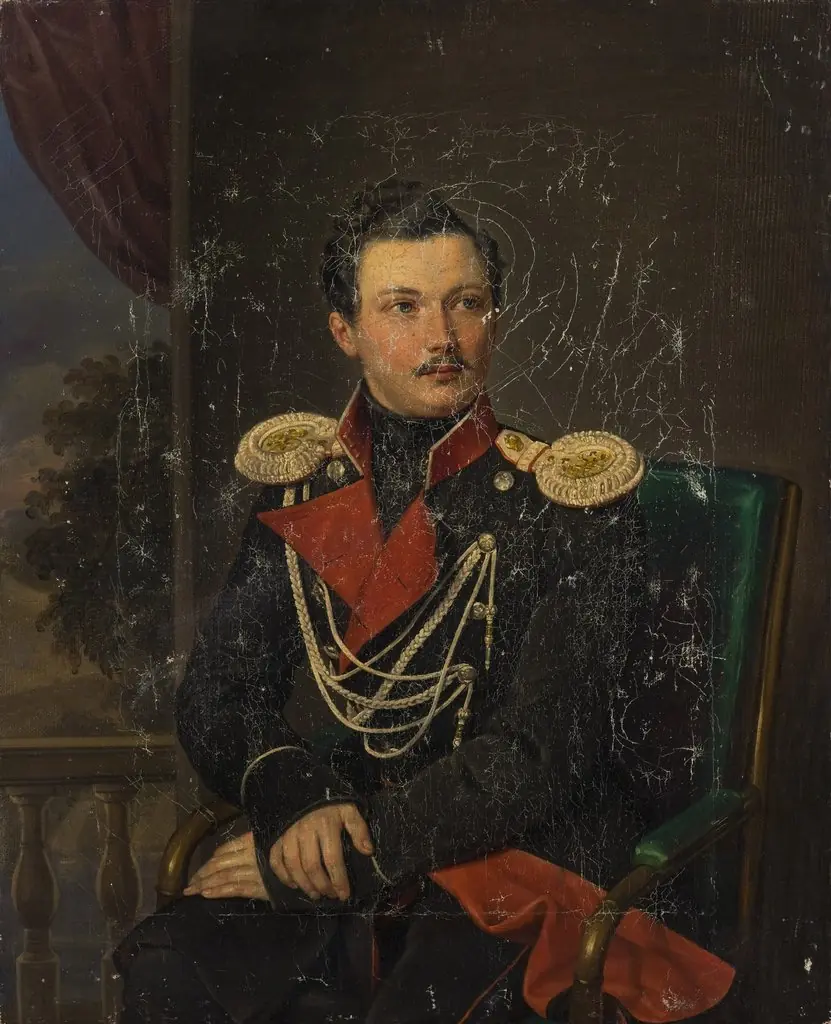 Portrait of Aide-de-camp of of His Imperial Majesty Pyotr A. Balashov (1811-1845)
 Avram Iancu
 Portret de ofițer (Colonel C. Budișteanu)
 Esikuntakapteeni Danielsson
 Robert Davies
 Generalul Negulici