Artwork
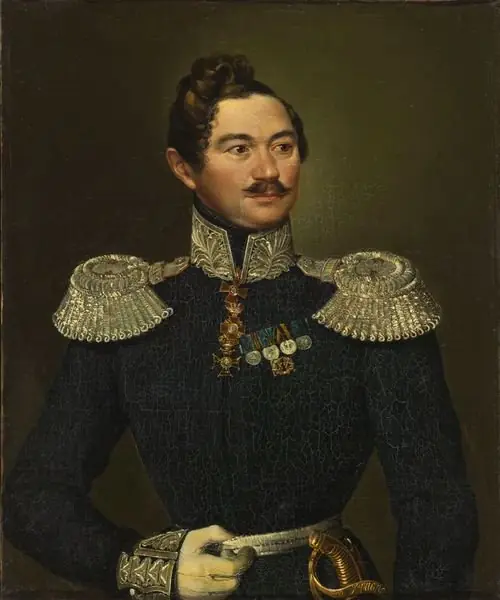
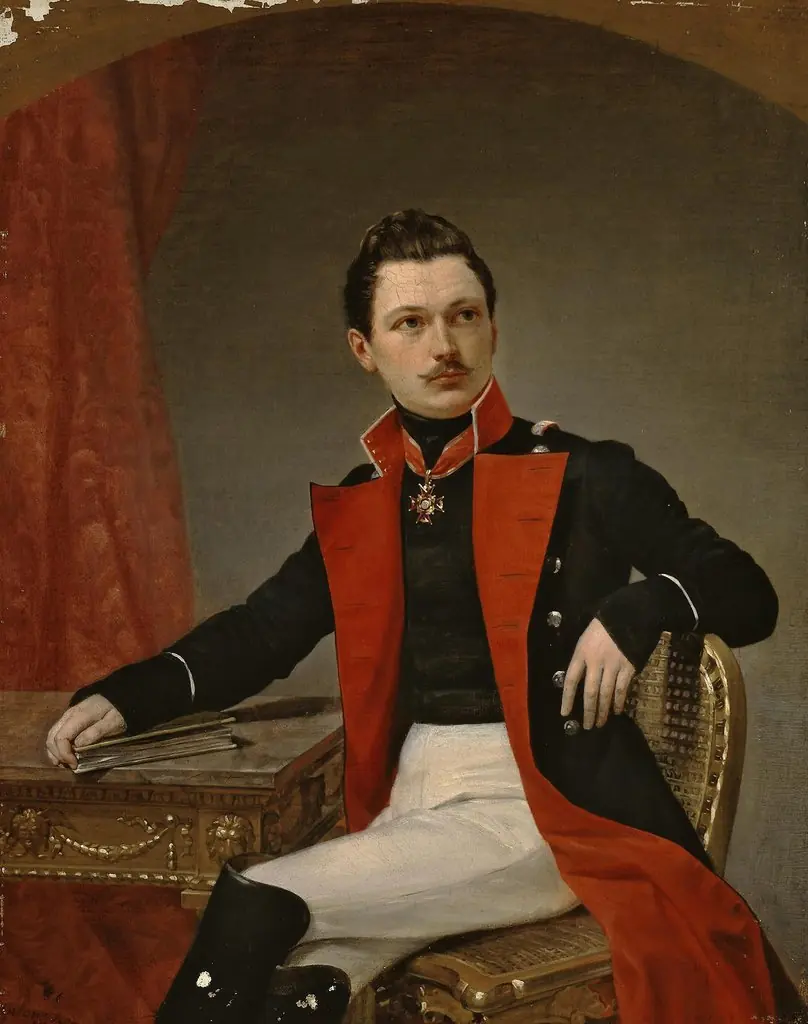
Portrait of Aide-de-camp of of His Imperial Majesty Pyotr A. Balashov (1811-1845)
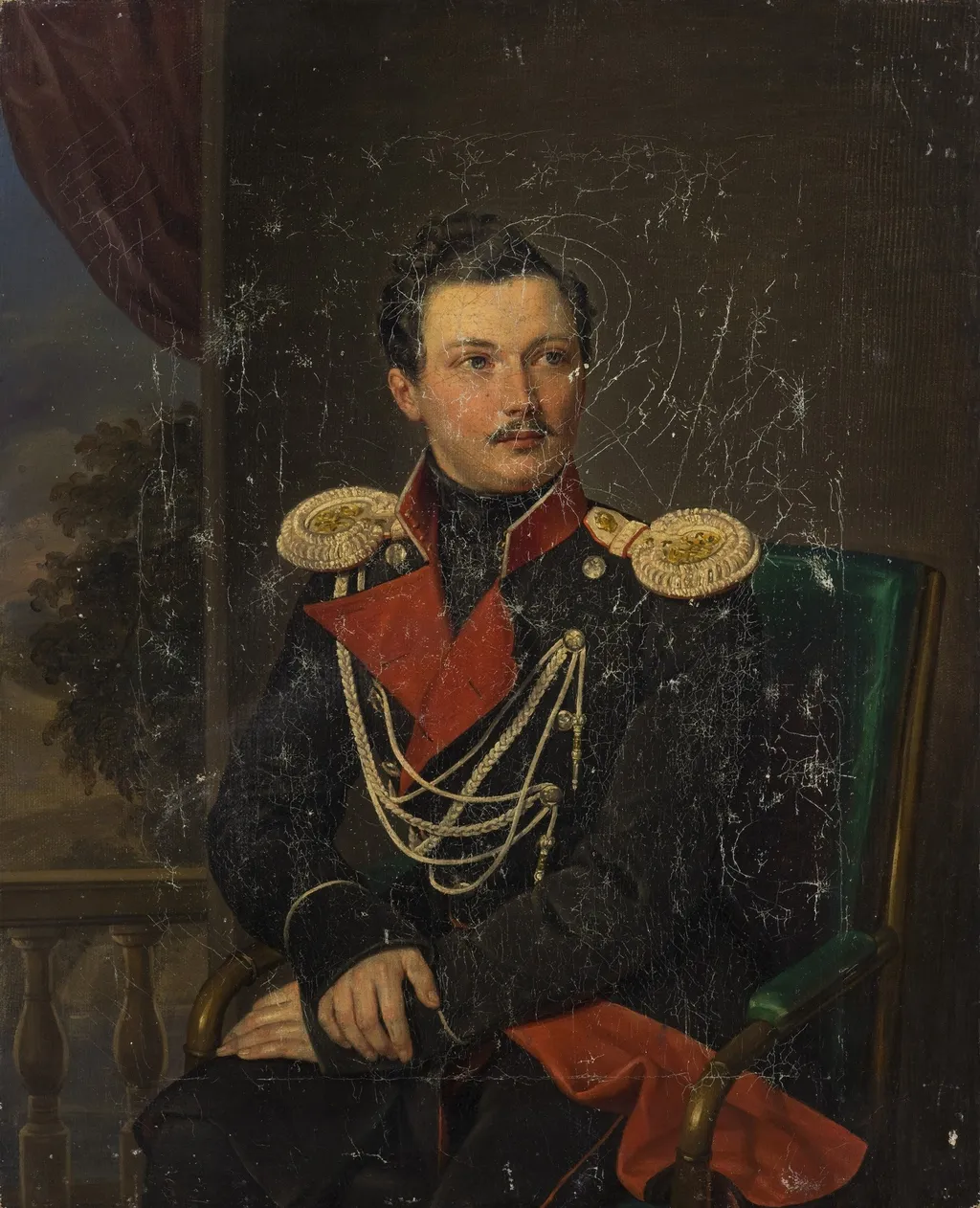
Portrait of Aide-de-camp of of His Imperial Majesty Pyotr A. Balashov (1811-1845) is an oil painting by Pimen Orlov. It dates from 1848 and is held in the collection of the Hermitage Museum. Created circa 1848, this oil portrait presents Pyotr A.
About this work
If you're interested in learning more about this style of painting, you might want to look up the artist Pimen Orlov.
The painting depicts a man in a military uniform, seated in a chair. He wears a black jacket with red lapels and gold epaulets, and his dark hair is styled neatly. The background is dark, with a hint of a landscape visible behind him.
The man's uniform and the style of the painting suggest a formal portrait from the 19th century. The artist has used chiaroscuro to create a sense of depth and dimensionality in the image.
If you're interested in learning more about this style of painting, you might want to look up the artist Pimen Orlov.
Overview
Created circa 1848, this oil portrait presents Pyotr A. Balashov, who served as an aide-de-camp to the Russian emperor. The sitter is shown seated, dressed in a dark military coat with red lapels and gold‑trimmed epaulettes, his hair neatly arranged. A muted, shadowy backdrop suggests a distant landscape, lending the composition a solemn, formal atmosphere.
Subject & Meaning
Balashov’s depiction emphasizes his official role and personal bearing. The uniform’s decorative elements signal rank, while the restrained pose and direct gaze convey confidence and loyalty to the imperial court. The painting functions as a visual record of a mid‑nineteenth‑century Russian officer, embodying the values of service and decorum expected of a royal aide.
Technique & Style
Pimen Orlov employs a restrained classicist approach, using chiaroscuro to model the figure’s volume against a dark background. The smooth handling of oil paint renders the fabric’s texture and metallic details with subtle gradations of light. The composition’s balanced proportions and clear outlines reflect the academic training typical of Russian painters who worked in Italy during the period.
History & Provenance
The work entered the State Hermitage Museum’s collection, where it remains on display. Orlov, born in 1812 in the Voronezh Governorate, spent much of his career abroad, particularly in Italy, before returning to Russia. The portrait’s acquisition by the Hermitage underscores the institution’s commitment to preserving representations of imperial officials.
Context
In the mid‑1800s, portraiture served both personal commemoration and state propaganda within the Russian Empire. Artists like Orlov, trained in the Classical tradition, were often commissioned to produce dignified images of military and court figures, reinforcing hierarchical structures and the visual language of authority.
Artist & collection
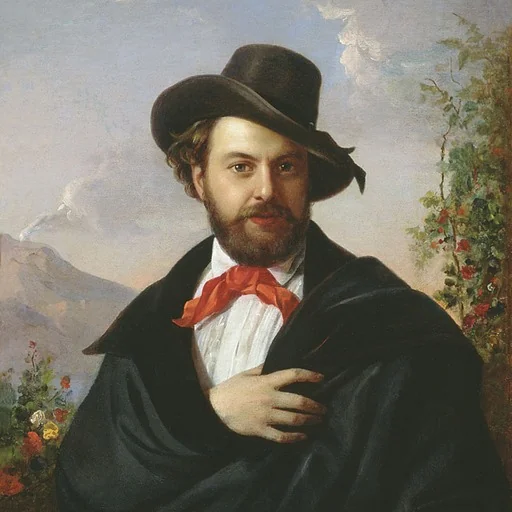
Artist
Pimen Nikitich Orlov (Russian: Пи́мен Ники́тич Орлóв; 1812, near Malo-Foshchevaty, Ostrogozhsky Uyezd, Voronezh Governorate — 6 October 1865, Rome) was a Russian painter in the Classical style.

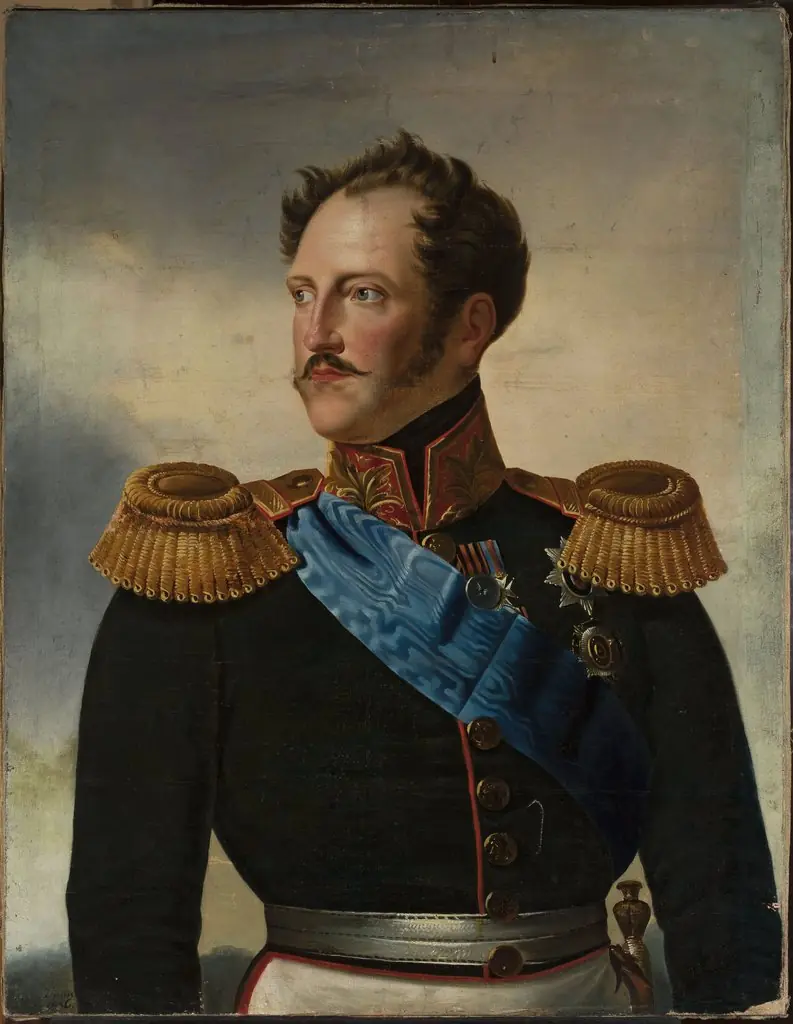 Portrait of Tsar Nicholas I
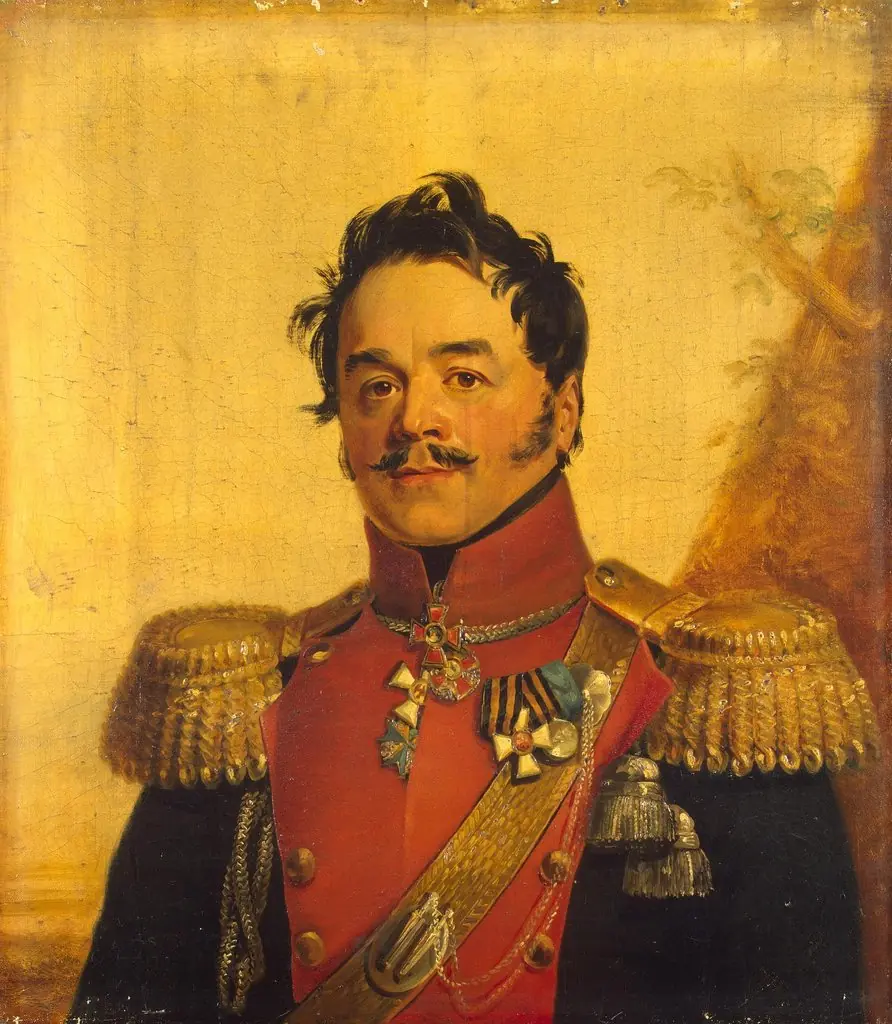 Portrait of Nikolai G. Shcherbatov (1777-1845)
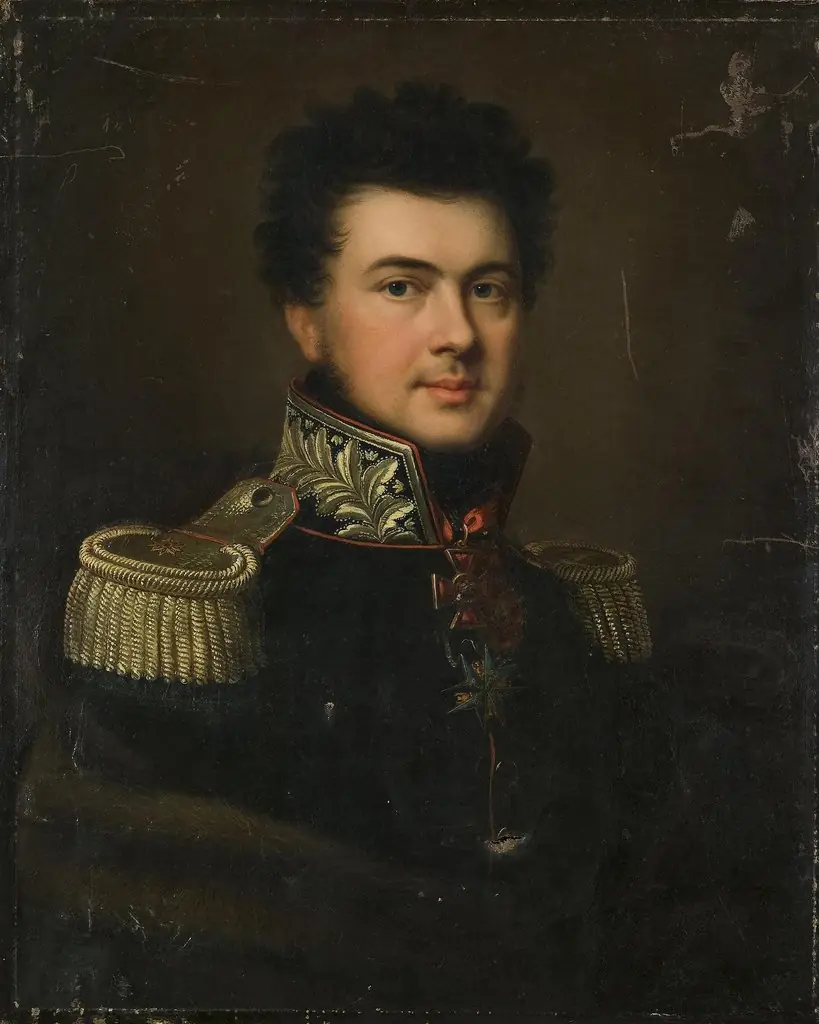 Portrait of Major General I.I. Sabir
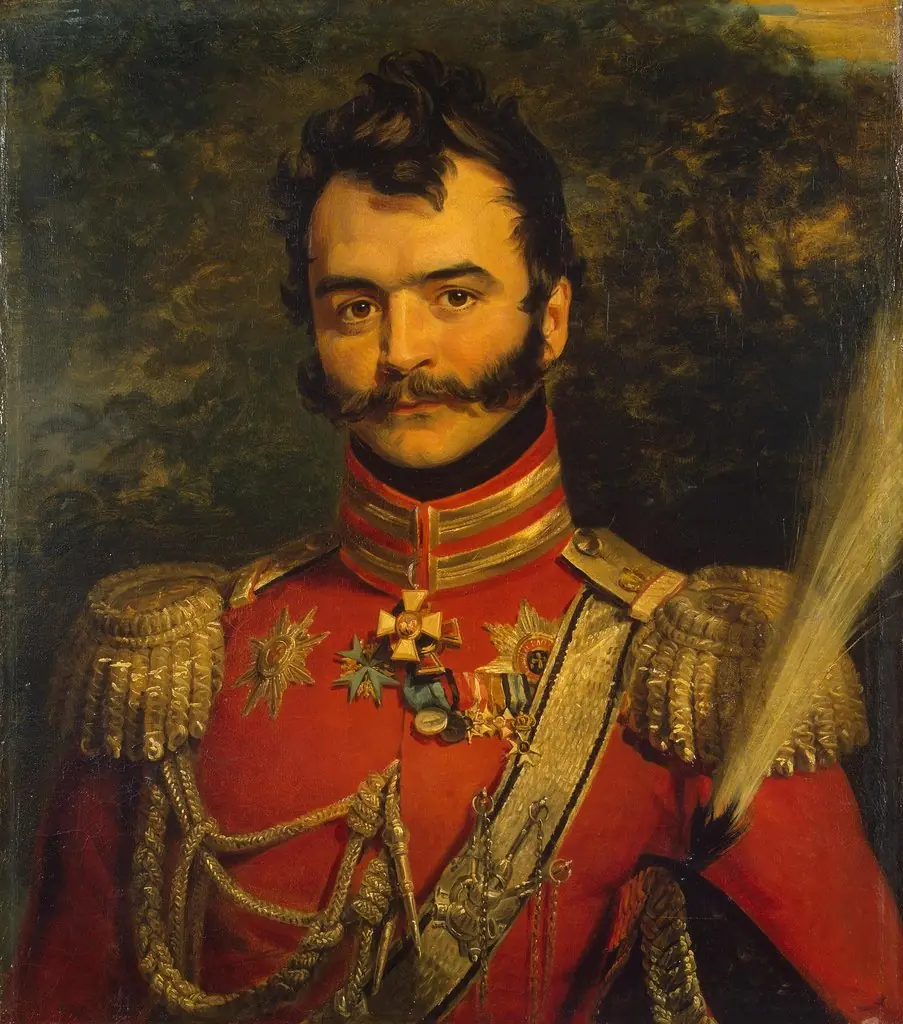 Portrait of Vasily V. Orlov-Denisov (1775-1843)
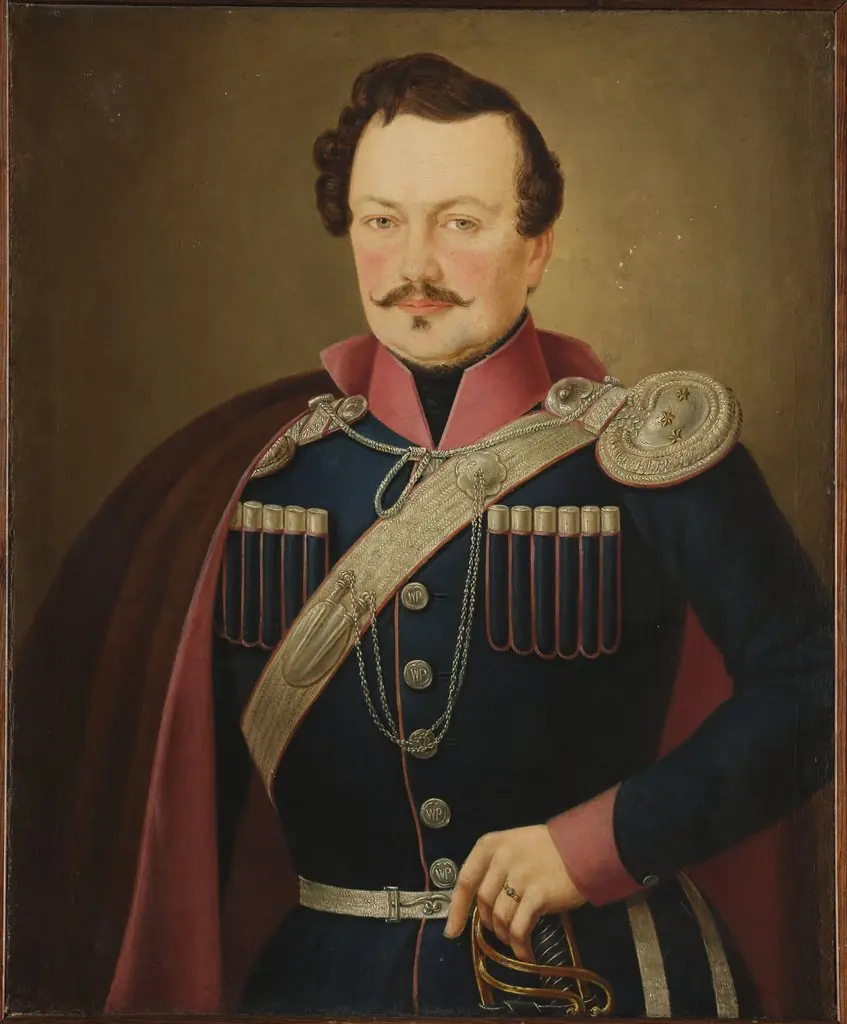 Portrait of Szymanowski, lieutenant of the Płock cavalry regiment
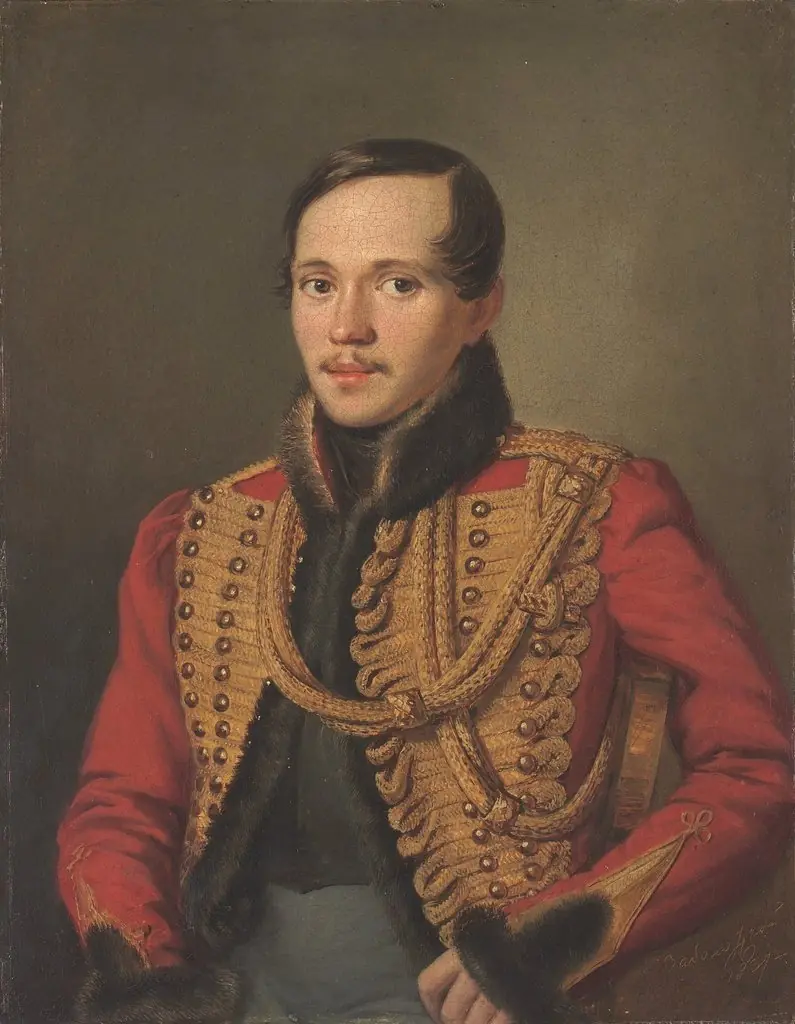 Mikhail Lermontov
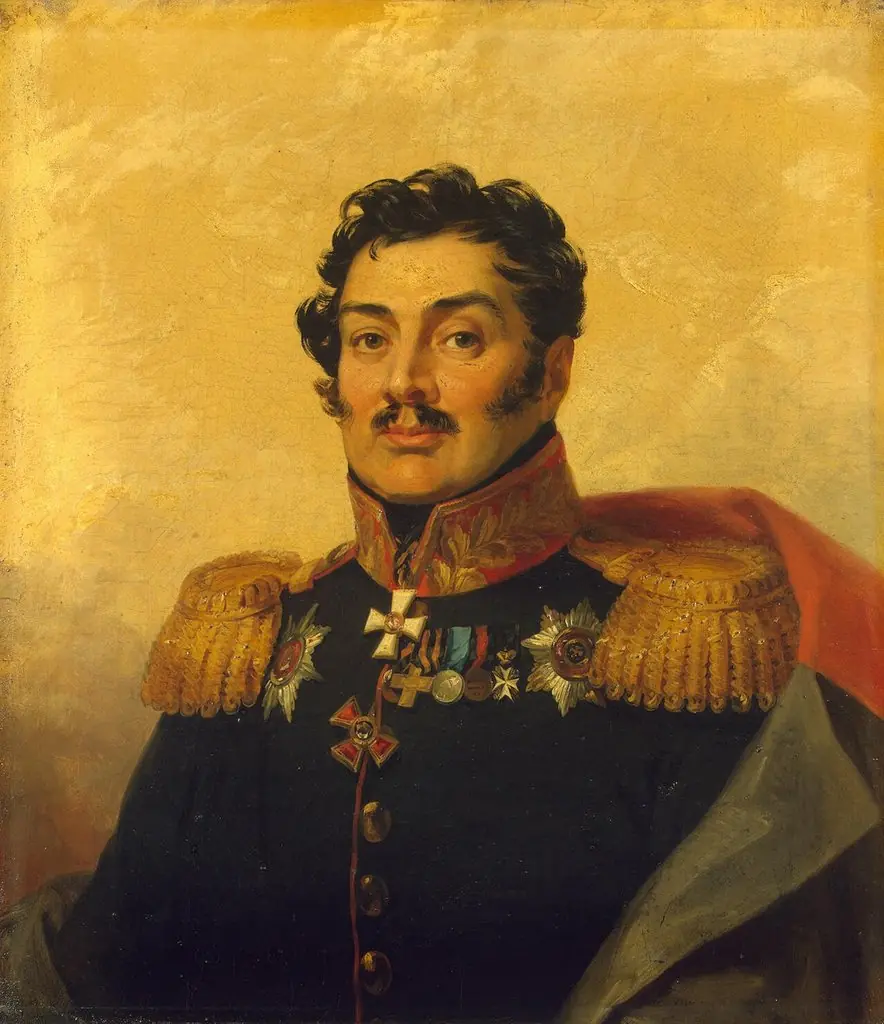 Portrait of Dmitry D. Shepelev (1771-1841)
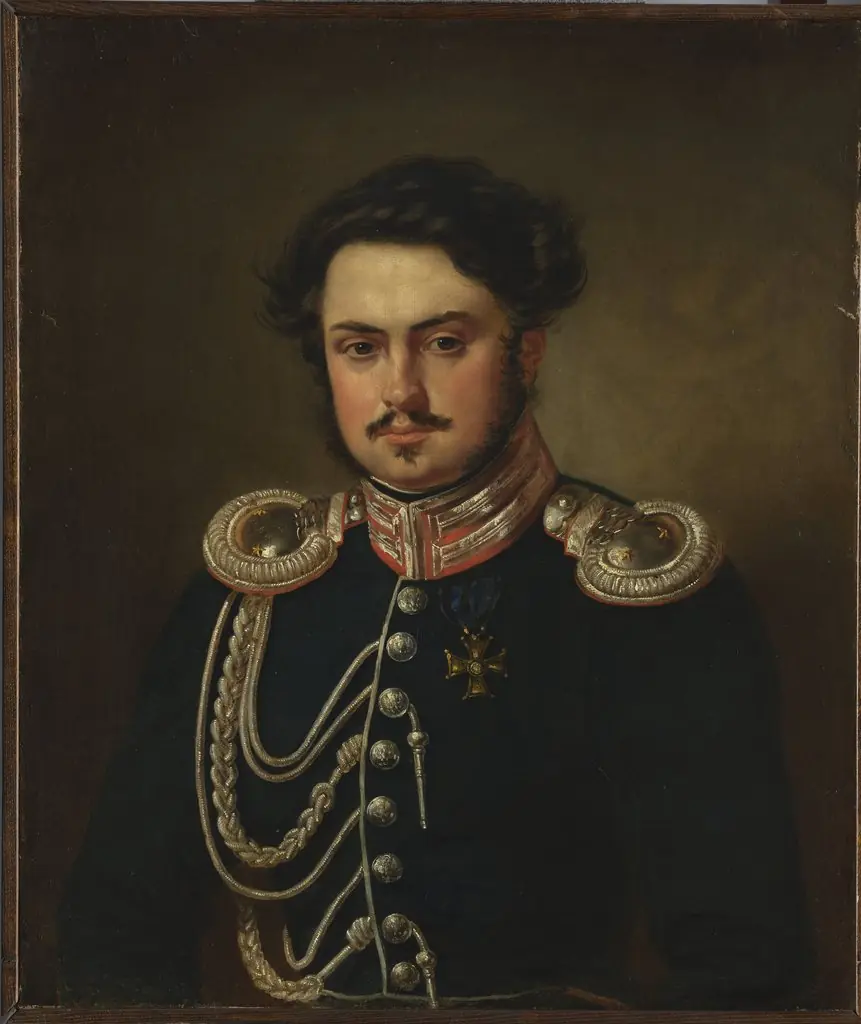 Portrait of Seweryn Madan, officer of the guard cavalry staff