Artwork
The Triumph of Fame
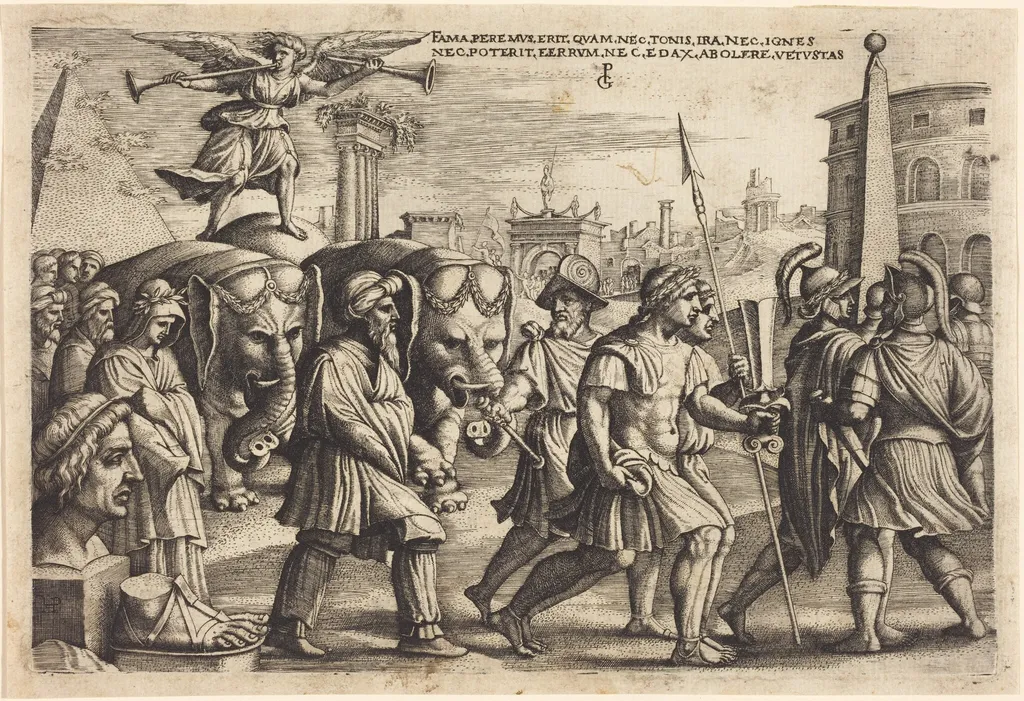
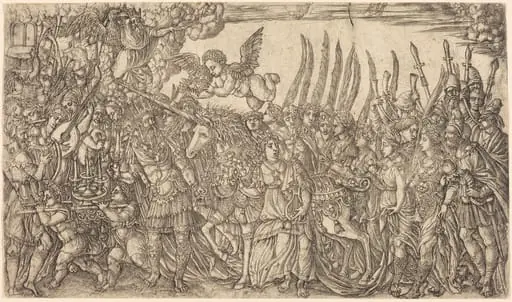
The Triumph of Fame is an ink print by the Renaissance artist Georg Pencz. It dates from 1539 and is held in the collection of the National Gallery of Art.
About this work
Overview
The Triumph of Fame is an engraving created by German artist Georg Pencz around 1539. This work exemplifies the Northern Renaissance style, blending detailed technique with allegorical themes.
Subject & Meaning
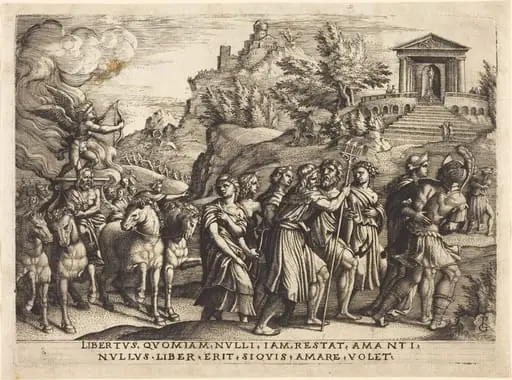
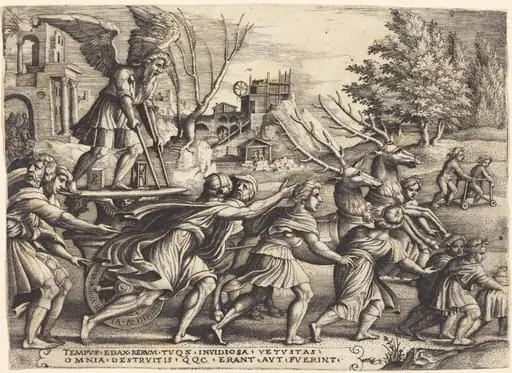
The engraving depicts a celebratory scene with figures, animals, and architectural elements. A central figure wielding a spear and another bearing a flag suggest themes of victory or accolade, while the presence of elephants, ornate decorations, and a winged statue in the background enrich the allegorical depth.
Technique & Style
Pencz's training under Albrecht Dürer in Nuremberg and later exposure to Venetian art in Italy influenced his detailed engraving technique. The work showcases the Northern Renaissance's penchant for intricate designs and symbolic subject matter.
History & Provenance
Georg Pencz, active in the 16th century, faced imprisonment in 1525 for religious dissent, reflecting the era's tumultuous intellectual climate. The exact provenance of *The Triumph of Fame* is not detailed here, but its creation around 1539 places it within Pencz's mature period.
Context
Created amidst the Northern Renaissance, this engraving intersects with the broader cultural shift towards detailed, allegorically rich artworks. Pencz's potential collaboration with Marcantonio Raimondi and his imprisonment highlight the complex artistic and political landscape of the time.
Legacy
While specific lasting impacts of *The Triumph of Fame* are not outlined, it contributes to the broader legacy of Northern Renaissance engraving, influencing subsequent generations with its blend of technical precision and symbolic depth.
Artist & collection
Artist
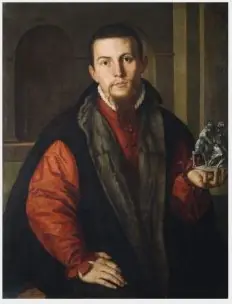
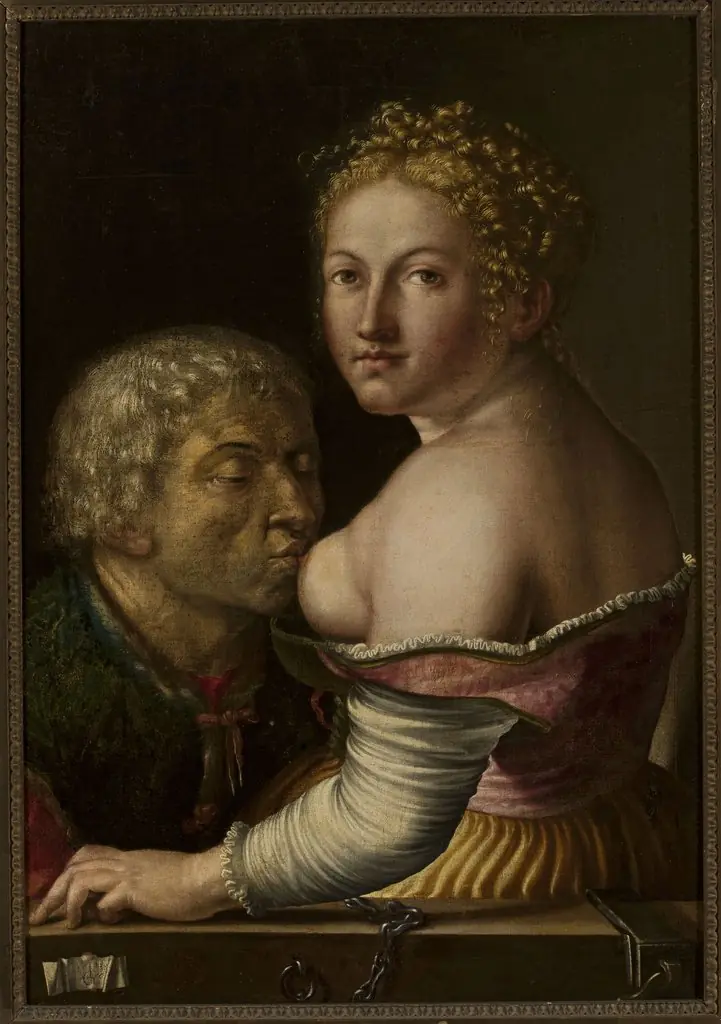
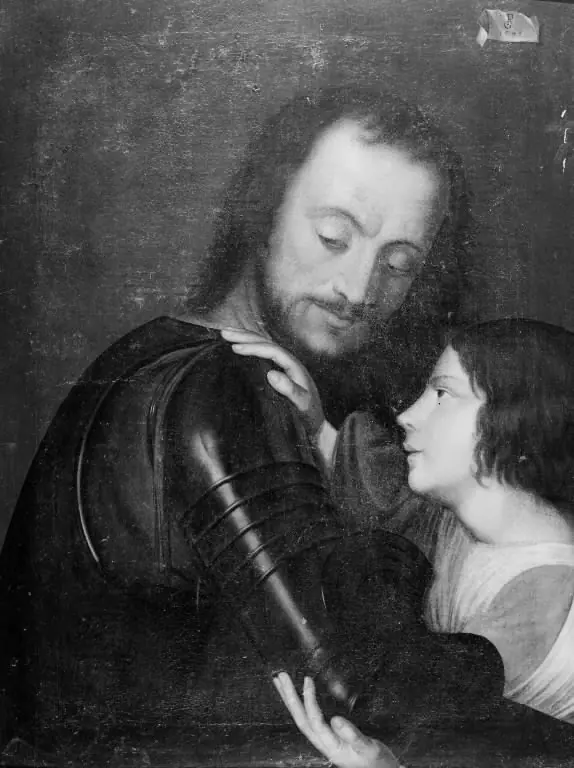
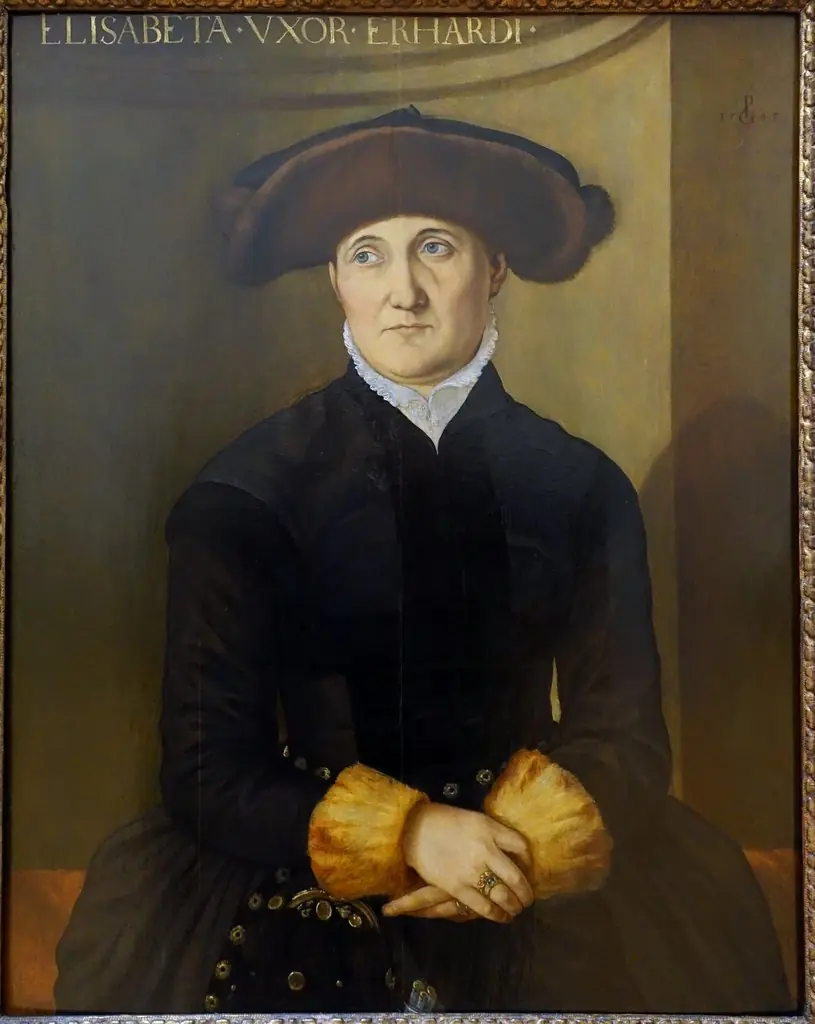
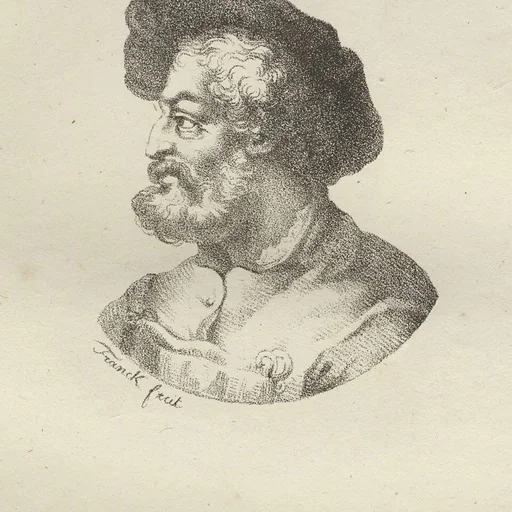
Georg Pencz (c. 1500 – 11 October 1550) was a German engraver, painter and printmaker. Pencz was probably born in Westheim near Bad Windsheim/Franconia. He travelled to Nuremberg in 1523 and joined Albrecht Dürer’s…