Artwork
The Triumph of Joseph
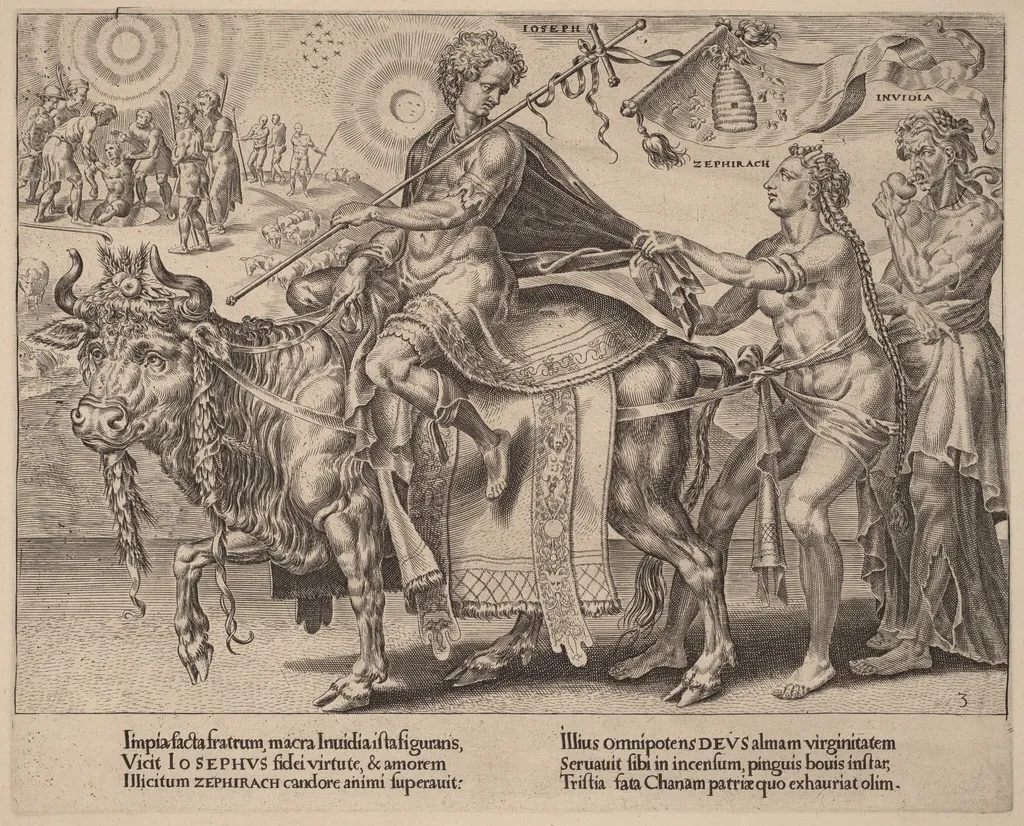
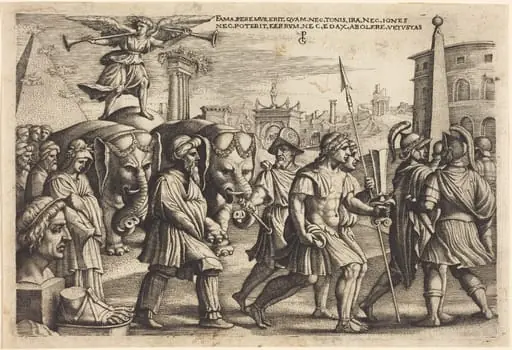
The Triumph of Joseph is an ink print by the Renaissance artist Dirck Volckertz Coornhert. It dates from 1559 and is held in the collection of the National Gallery of Art.
About this work
Dirck Volckertsz Coornhert made this in 1559 but it only printed later.
This engraving shows Joseph standing tall in a fancy robe. The crowd below kneels with bowed heads. Tiny details fill every inch of the scene.
Dirck Volckertsz Coornhert made this in 1559 but it only printed later. The image mixes drama with careful linework. Strong contrasts push the story forward.
See how the light hits Joseph’s face? That trick is called chiaroscuro. It makes the scene feel alive.
Look up Coornhert, Dirck Volckertz.
Overview
Dirck Volckertz Coornhert’s print, titled The Triumph of Joseph, is an engraving and etching executed on laid paper. Though the design dates to 1559, the impression was not struck until a later date. The composition presents a densely populated scene in which the biblical figure Joseph stands centrally, elevated in an elaborate garment, while figures below bow in reverence.
Subject & Meaning
The work visualises the moment of Joseph’s triumph, drawing on the biblical narrative of his rise to power. By placing Joseph on a raised platform and surrounding him with kneeling onlookers, the image underscores themes of authority, divine favor, and public acknowledgment of his status. The multitude of tiny figures reinforces the widespread impact of his victory.
Technique & Style
Coornhert combines engraving with etching, allowing for both precise line work and softer tonal areas. The piece is marked by intricate detailing that fills the surface, while stark contrasts of light and dark generate a chiaroscuro effect, particularly evident on Joseph’s illuminated face. These visual strategies heighten the drama and guide the viewer’s eye through the crowded tableau.
History & Provenance
Although the design originated in 1559, the print was not produced until after that year, reflecting a delayed publication common in the period. The work is attributed to Dirck Volckertz Coornhert, a Dutch printmaker active in the mid‑16th century. Its survival on laid paper provides insight into the material practices of Northern European engraving workshops of the era.
Artist & collection


![The Triumphal Chariot of Maximilian I (The Great Triumphal Car) [plate 5 of 8], by Albrecht Dürer](https://artifactworldgallery.com/img/albrecht-durer--the-triumphal-chariot-of-maximilian-i-the-great-triumphal-ca--9e04416abdc764bf-w320.webp)