Artwork
The North East Prospect of the Country up Thurston Water from Peelnears
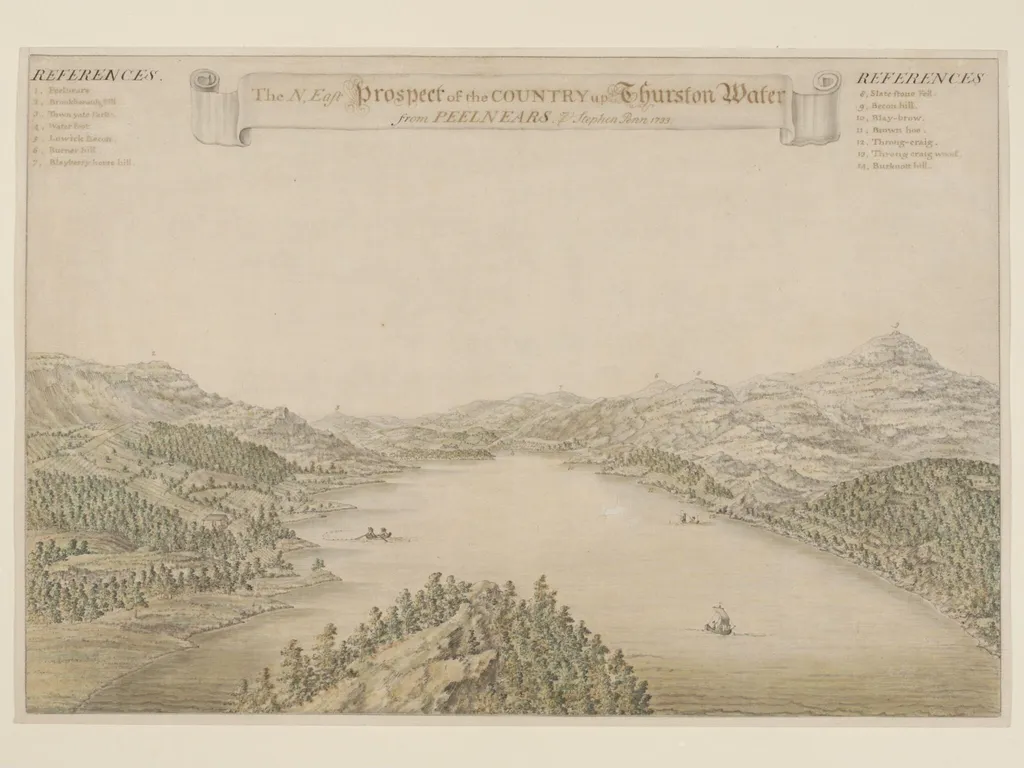
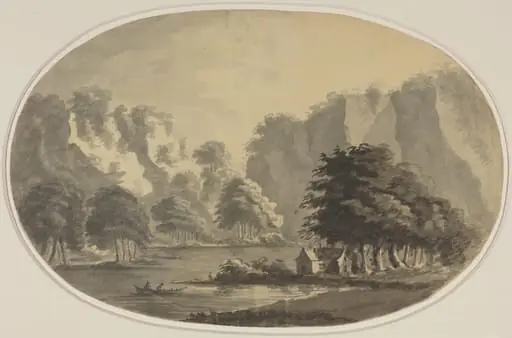
The North East Prospect of the Country up Thurston Water from Peelnears is a watercolor work on paper by the Baroque artist Stephen Penn. It dates from 1733 and is held in the collection of the Victoria and Albert Museum.
About this work
In the distance, jagged mountains rise up, while closer to the water, small trees and patches of land appear.
This painting shows a wide view of rolling hills and a river winding through a green valley. In the distance, jagged mountains rise up, while closer to the water, small trees and patches of land appear. A few tiny boats float on the river, and the whole scene looks calm and quiet.
The title at the top tells you this is a view of Thurston Water, and the artist labeled it in 1733. The hills and mountains are carefully labeled with names like "Burner Hill" and "Slate Stone Fell."
If you like this kind of landscape, check out the Victoria and Albert Museum.
Overview
Created in 1733 by Stephen Penn, this watercolour captures a detailed aerial view of the valley surrounding Thurston Water—now Coniston Water—in Cumbria. One of only four known topographical works by Penn, it reflects the early eighteenth-century practice of amateur land recording. The piece is annotated with fourteen labeled features, emphasizing its function as a surveyed record rather than a purely decorative image.
Subject & Meaning
The painting presents a measured survey of the landscape, identifying specific hills and fells such as Burner Hill and Slate Stone Fell. These labels suggest a practical intent, possibly for estate documentation or local navigation. The inclusion of small boats on the water and scattered trees implies human activity within a largely natural setting, reinforcing the work’s role as a quiet, factual chronicle of place.
Technique & Style
Executed in watercolour on paper, the work uses a high vantage point to convey spatial depth across a broad valley. Soft washes define rolling terrain, while precise pen lines outline topographical features. The composition avoids dramatic lighting or emotional emphasis, favoring clarity and legibility. This restrained aesthetic aligns with the conventions of early topographical drawing, prioritizing accuracy over artistic flourish.
History & Provenance
Penn’s four known topographical watercolours, all from northern England, were likely produced for private patrons or local landowners. This piece remained in private hands until entering institutional collections. Its survival is notable, as many such works were utilitarian and not intended for long-term preservation. The Victoria and Albert Museum holds one of the surviving examples, indicating its recognized historical value.
Context
In the early 1700s, amateur surveyors and landowners increasingly documented landscapes with precision, driven by agricultural, legal, or antiquarian interests. Penn’s work fits within this trend, predating formal cartographic surveys. Unlike later Romantic landscapes, these images avoided idealization, instead serving as visual inventories of terrain, reflecting a growing cultural interest in mapping the natural world.
Legacy
Though little known today, Penn’s watercolours contribute to the understanding of pre-industrial landscape perception in northern England. Their survival offers insight into how local geography was observed and recorded before the advent of standardized mapping. These works remain valuable as primary sources for historians studying regional land use and early topographical practice.
Artist & collection
Artist
Stephen Penn painted the Isle of Man in the early 1700s, letting watercolor do the walking across sky, shore, and stone.

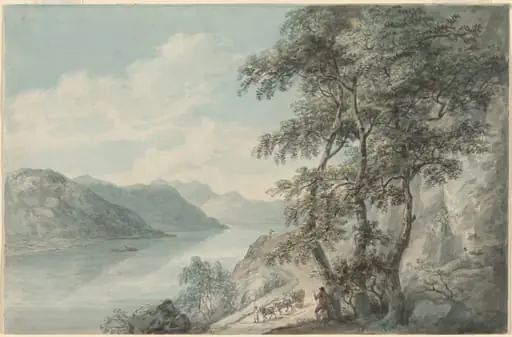 Derwentwater
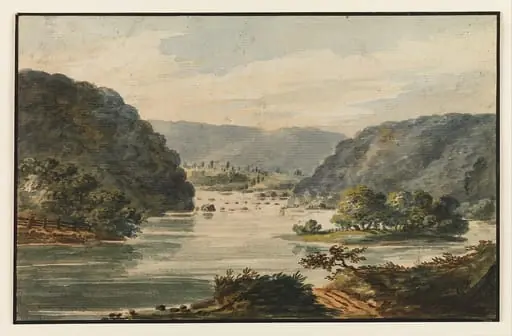 A View of the Potomac at Harpers Ferry
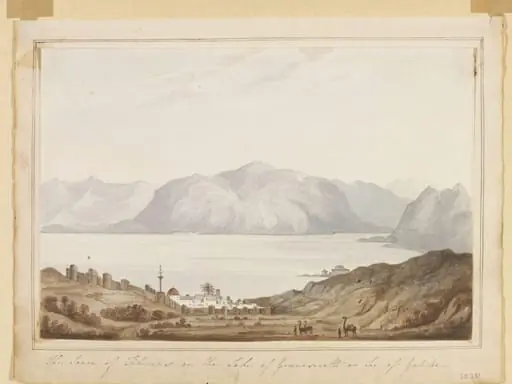 The Town of Tiberias on the Lake of Gennesereth or Sea of Galilee
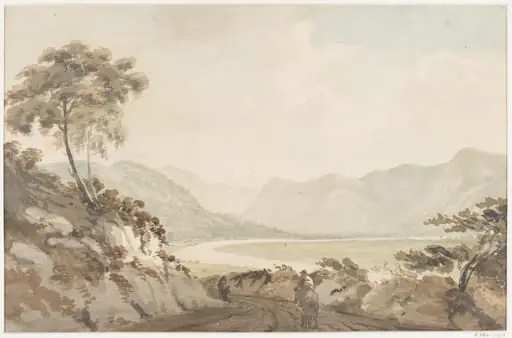 The Vale of Conway, near Llanrwst, North Wales.
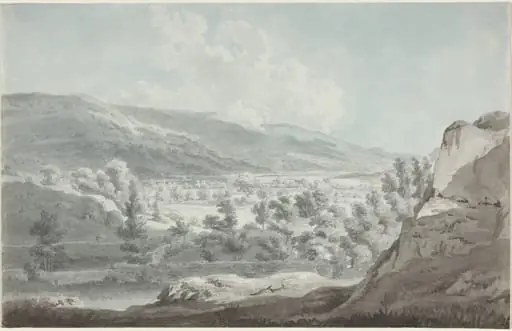 The Head of Ullswater
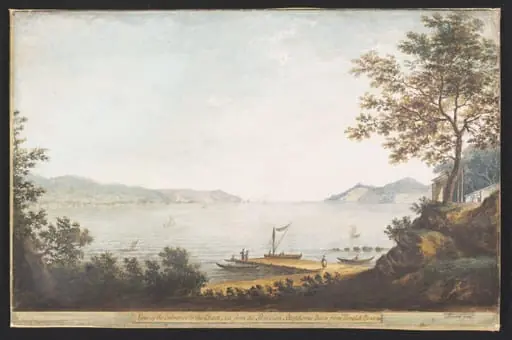 View of the Entrance to the Black Sea from the Thracian Bosphorus taken from Keretch Bournu
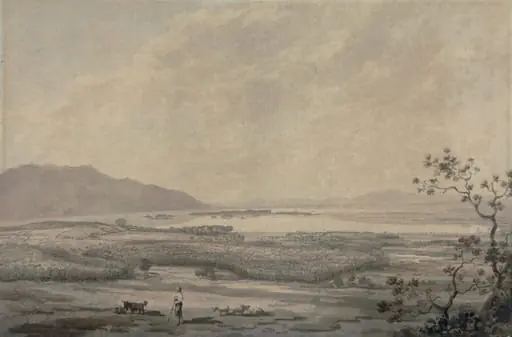 Killarney from the Hills above Muckross
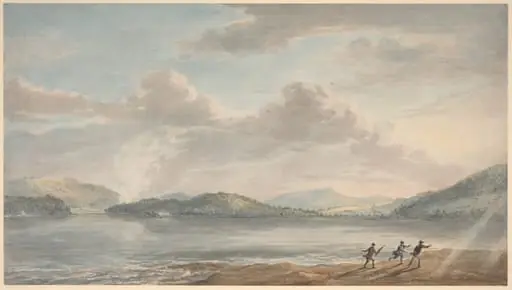 The Tide Rising at Briton Ferry
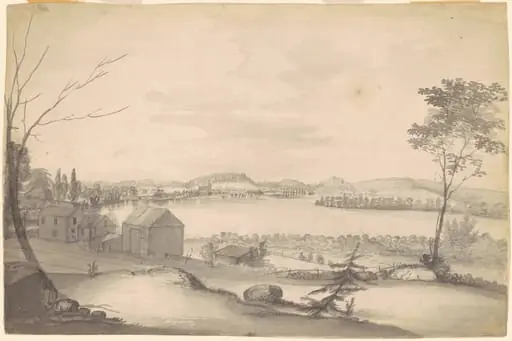 Study for "View of Springfield on the Connecticut River"
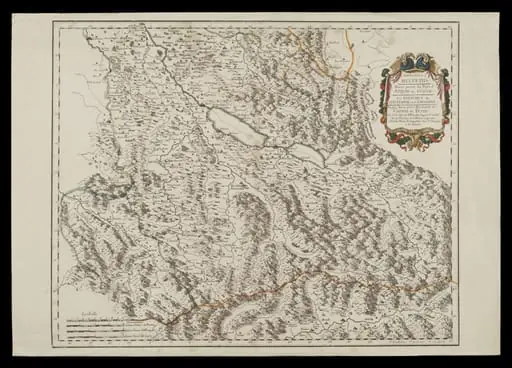 H Beard Print Collection
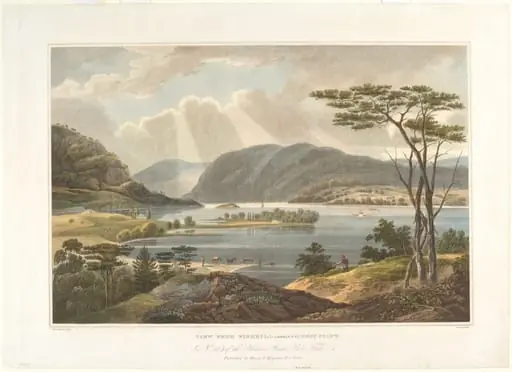 View from Fishkill Looking to West Point
 View of Ullswater