Artwork
Derwentwater
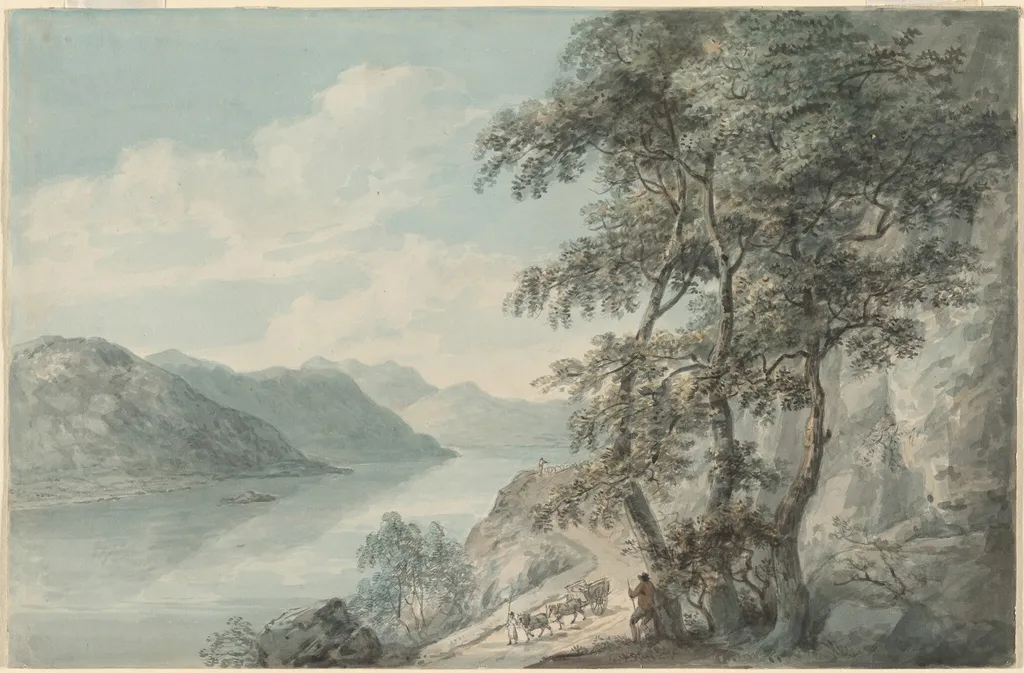
Derwentwater is a watercolor drawing by the Baroque artist Paul Sandby. It dates from 1770 and is held in the collection of the National Gallery of Art.
About this work
Overview
Derwentwater is a watercolor on wove paper created by Paul Sandby in 1770, exemplifying his dual expertise in mapmaking and landscape painting.
Subject & Meaning
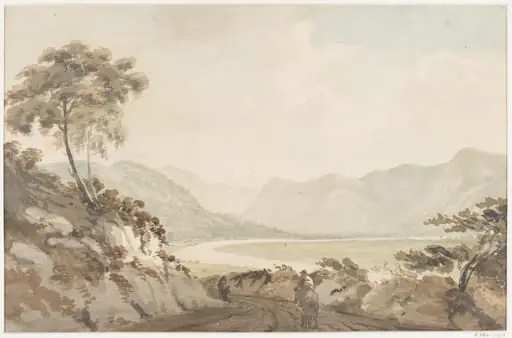
The artwork captures a serene lakeside scene at Derwentwater in the Lake District, northern England, featuring a lone tree, a figure with a stick, and a horse-drawn cart, conveying a sense of calm.
Technique & Style
Sandby employed thin, layered washes to achieve depth, particularly in the sky and water, resulting in a soft, pale, misty atmosphere reminiscent of a cool morning.
History & Provenance
Created in 1770 by Paul Sandby, a founding member of the Royal Academy (1768), this work contributes to the evolution of British landscape art in the late 18th century.
Context
Derwentwater reflects Sandby's influence on British landscape painting during a pivotal period for the genre, alongside his cartographic background.
Legacy
While the work's direct legacy is not explicitly documented here, it represents Sandby's contribution to establishing watercolor as a respected medium in British art.
Own this work as a print
Artist & collection
Artist
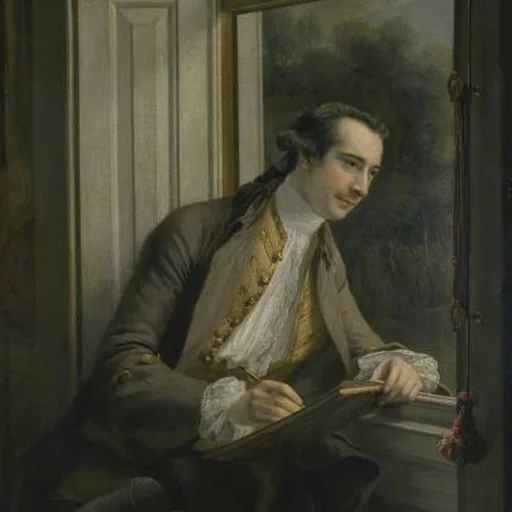
Paul Sandby, (1731 – 7 November 1809) was an English mapmaker and painter who specialised in landscape art. Along with his older brother Thomas Sandby, he was one of the founding members of the Royal Academy in 1768.

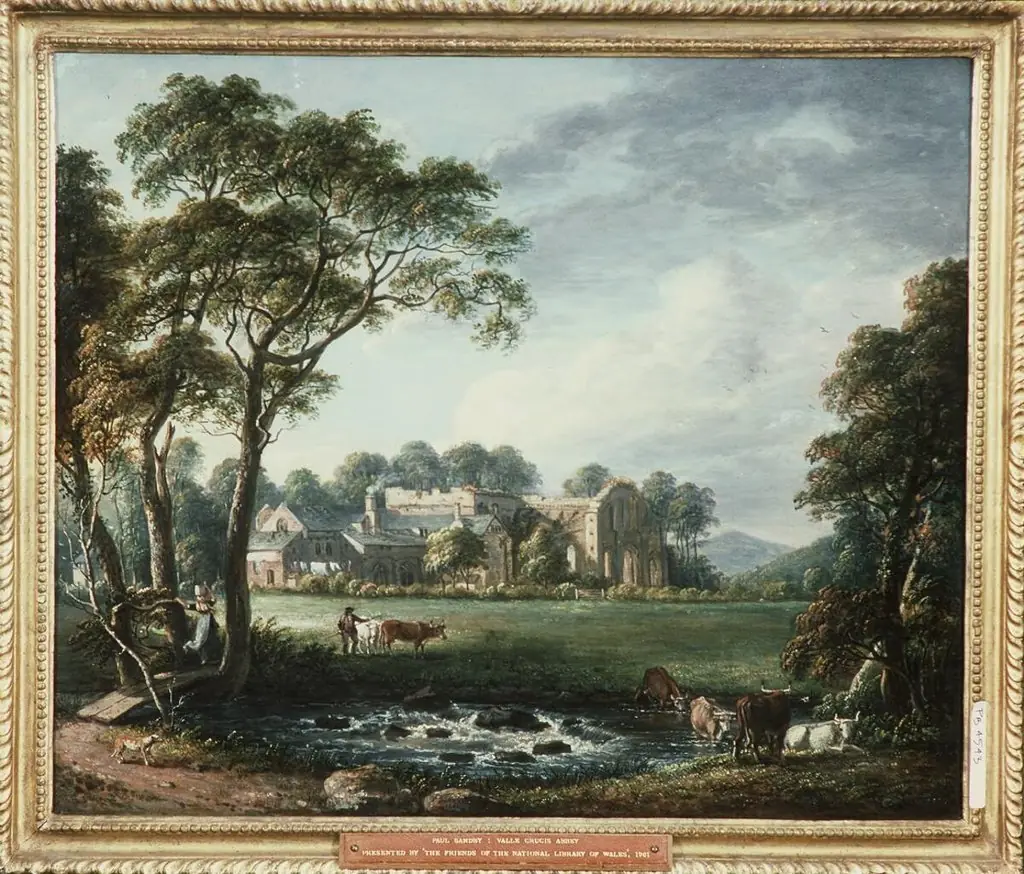
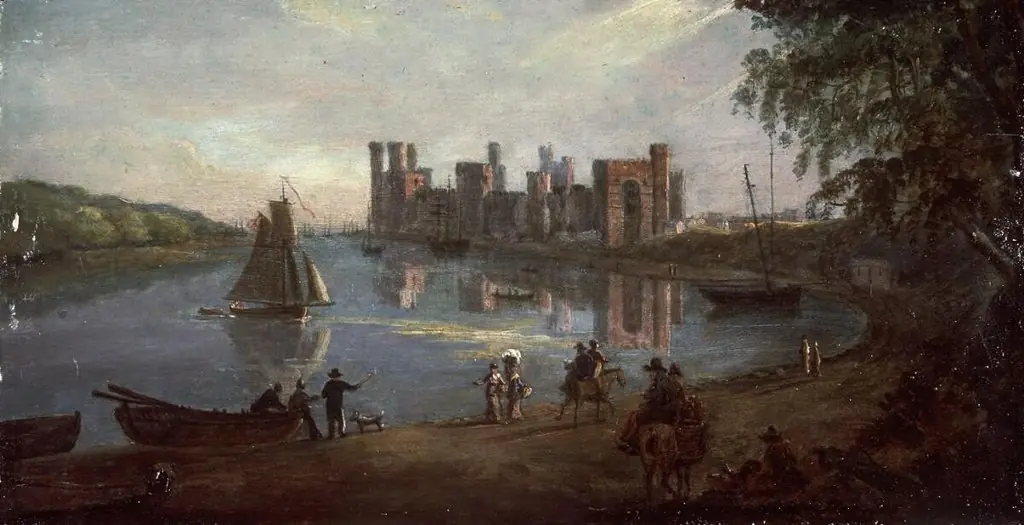
 The Vale of Conway, near Llanrwst, North Wales.
 Briton Ferry, Wales
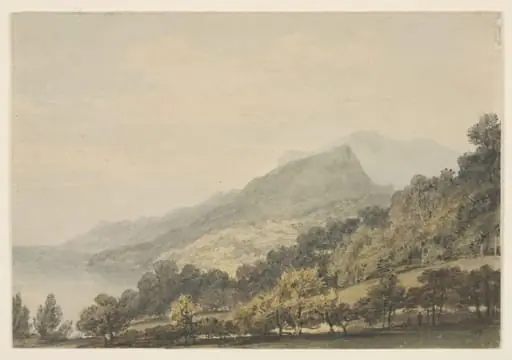 From Above the Town of Salerno
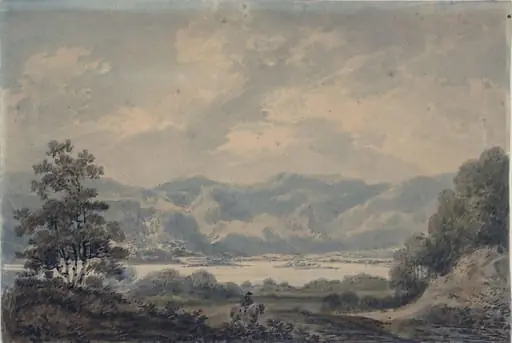 Windermere
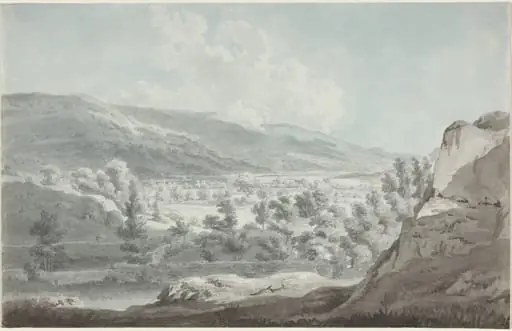 The Head of Ullswater
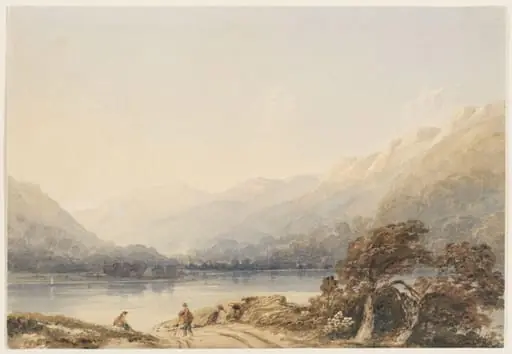 Lake scene with mountains
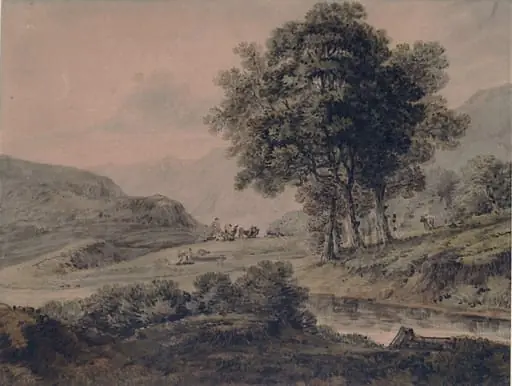 Landscape with stream, cattle and figures
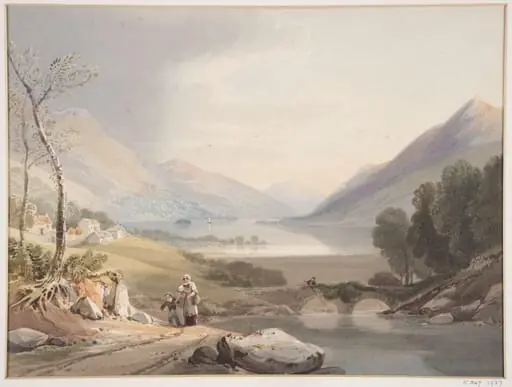 Ullswater from Patterdale Bridge
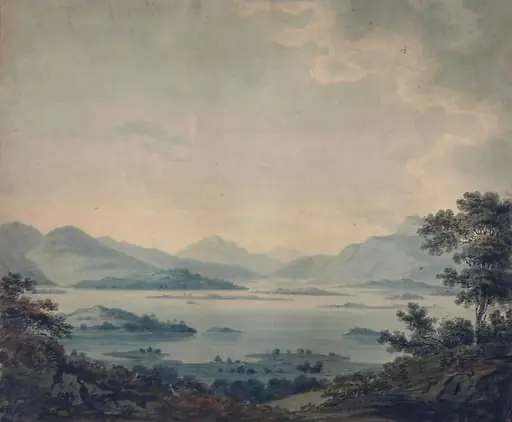 Loch Lomond
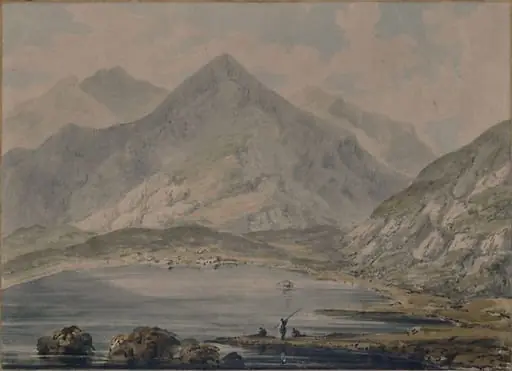 View of Snowdon
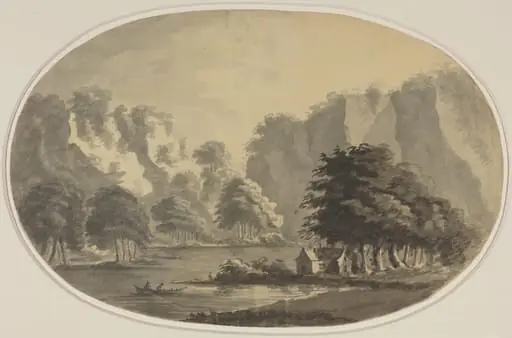 View of Ullswater
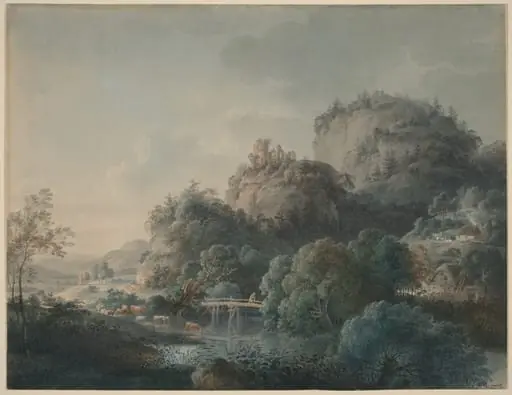 The Ruins of the Monastery of Oybin in the Zittau Mountains